
Bypass Proxy Online: The Essential Guide for 2025
In 2025, internet freedom is under siege. Around the world, geo-blocks, firewalls, and complex filters are locking away digital content like never before. Whether you are streaming, working remotely, or just browsing, these roadblocks are impossible to ignore.
This essential guide will show you how to bypass proxy online restrictions safely and effectively. You will discover why proxy bypassing matters, how it protects your privacy, and which techniques keep you ahead of new censorship trends.
Ready to reclaim your digital freedom? Explore cutting-edge tools, understand the rules, and learn step-by-step strategies designed for the internet’s latest challenges. Unlock a safer, more open web today.
Understanding Proxy Restrictions in 2025
The internet is changing fast, and so are the barriers that limit what we can access. In 2025, more people than ever are searching for ways to bypass proxy online due to a surge in digital restrictions. From streaming services to research platforms, users are running into walls that stop them from viewing global content. These evolving restrictions are shaping how we connect, work, and share information every day.
The Evolution of Online Restrictions
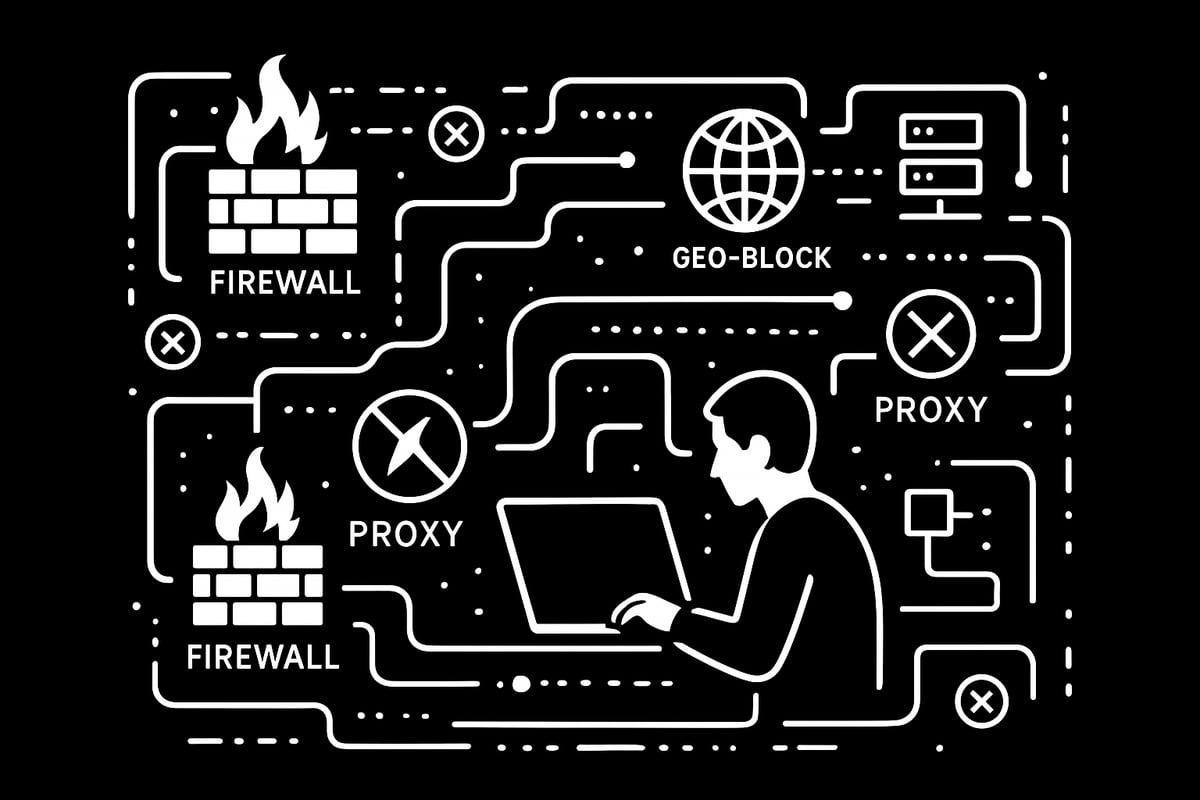
Digital restrictions are not just increasing, they are getting smarter. In 2025, governments and corporations alike have ramped up censorship, using advanced technology to enforce their policies. Geo-blocking now affects streaming, gaming, and even news sites, making it harder to access content from different regions. Deep packet inspection and AI-driven filters scan traffic to block or throttle connections that look suspicious.
According to a recent Global internet freedom declines report, over 60 percent of global internet users deal with some form of restriction. The number of government-imposed internet blackouts is also at an all-time high. As a result, more users are learning how to bypass proxy online just to maintain access to basic information and services.
These trends are not limited to authoritarian regimes. Even in democratic societies, corporate firewalls and copyright enforcement are pushing the boundaries of what people can freely access online. This shift is creating new challenges for anyone who needs open, reliable internet.
How Proxies Work and Why They’re Blocked
Proxies act as gateways between your device and the internet. When you try to bypass proxy online, you are essentially using a third-party server to mask your real identity and location. This can help you access blocked sites, maintain privacy, or gather data from restricted platforms.
However, proxies are often targeted by bans for several reasons. Security concerns, copyright protection, and market segmentation all drive organizations to block proxy traffic. The most common types of proxy restrictions include:
| Type | Description | Example Use Case |
|---|---|---|
| IP bans | Blocking known proxy server IP addresses | Streaming services |
| Protocol filtering | Detecting and blocking proxy traffic types | Corporate firewalls |
| Blacklists | Using lists of banned domains or addresses | School or public Wi-Fi networks |
Major services like Netflix have cracked down on proxy and VPN use to enforce licensing agreements. Some countries limit access to social media or messaging apps by identifying and blocking proxy traffic. As filtering becomes more advanced, the need to bypass proxy online with smarter tools grows every year.
Impact on Users and Businesses
The impact of these restrictions is widespread. Remote workers often find their tools or resources blocked when working from abroad, making it essential to bypass proxy online for productivity. Researchers and students face hurdles when trying to access academic content or news from different regions. Digital marketers and SEO professionals encounter challenges when gathering competitive intelligence or running web scraping campaigns.
A real-world case is seen in e-commerce price monitoring. Many businesses rely on scraping prices from competitor sites, but sophisticated proxy blocks can halt these efforts. This means companies must invest in advanced methods to bypass proxy online and stay competitive.
For individuals and organizations alike, these growing barriers make it clear that understanding proxy restrictions is no longer optional. It is a critical skill for navigating the modern internet.
Key Methods to Bypass Proxy Online in 2025
Digital barriers are getting smarter, but so are the ways to bypass proxy online. Whether you’re dealing with content filters, geo-blocks, or aggressive firewalls, having the right strategy is crucial. Let’s explore the essential techniques for 2025.
1. Using Advanced Proxy Services
The foundation of any attempt to bypass proxy online is choosing the right proxy service. Modern providers offer features like rotating IP addresses, residential and mobile proxies, and full IPv6 compatibility. Rotating proxies, which can switch IPs as quickly as every millisecond, help users evade detection by making traffic appear to come from different locations.
Let’s break down the main proxy types:
| Proxy Type | Best For | Detection Risk | Speed |
|---|---|---|---|
| Datacenter | Bulk tasks, scraping | Moderate | Fast |
| Residential | Streaming, web access | Low | Medium |
| Mobile | Social, app testing | Lowest | Variable |
Datacenter proxies are fast and cost-effective, but more likely to be flagged. Residential proxies use real user IPs, making them harder to detect. Mobile proxies are even more convincing, especially for mobile apps and social platforms.
Advanced proxy services also provide dashboards for easy management, support for multiple protocols, and API access for automation. For a deeper dive into practical strategies, check out How to Bypass Proxy Restrictions.
2. Leveraging VPNs and Smart DNS
VPNs are a classic way to bypass proxy online, but in 2025, they’ve evolved with new protocols and stealth modes. Unlike proxies, VPNs encrypt all your internet traffic, not just browser activity. This makes them ideal for evading firewalls and protecting privacy.
Smart DNS services, on the other hand, are perfect for streaming or accessing geo-blocked content. They reroute only specific traffic, making them faster for video but less secure than VPNs.
However, many services now deploy VPN and proxy detection tools. Blacklists and advanced analytics can sometimes block even the best VPNs. Users often combine VPNs with other methods to increase their chances of success.
3. Browser Extensions and Encrypted Tunnels
Browser extensions are a quick fix for those who want to bypass proxy online without installing extra software. Popular tools offer one-click proxy switching and different IP addresses for each tab or session.
For more robust protection, encrypted tunnels like SSH, Shadowsocks, or WireGuard are powerful solutions. These tunnels wrap your traffic in encryption, making it difficult for filters to inspect or block your data.
There’s always a trade-off: encrypted tunnels can reduce speed due to the extra security layers. It’s important to test your setup regularly to find the right balance between speed and privacy.
4. Custom Solutions and Automation
Some users set up their own proxy servers using open-source tools and cloud hosting. This approach offers full control and flexibility when you need to bypass proxy online, especially for specialized needs like business scraping or research.
Automation is another game-changer. Scripting solutions can rotate IPs and user agents, automate failover, and trigger proxy switching when blocks are detected.
Here’s a simple example in Python for rotating proxies:
import requests

proxies = ['ip1:port', 'ip2:port', 'ip3:port']
for proxy in proxies:
    response = requests.get('https://example.com', proxies={'http': proxy, 'https': proxy})
    print(response.status_code)
This approach helps scale operations and adapt quickly to changing restrictions.
5. Combining Multiple Techniques
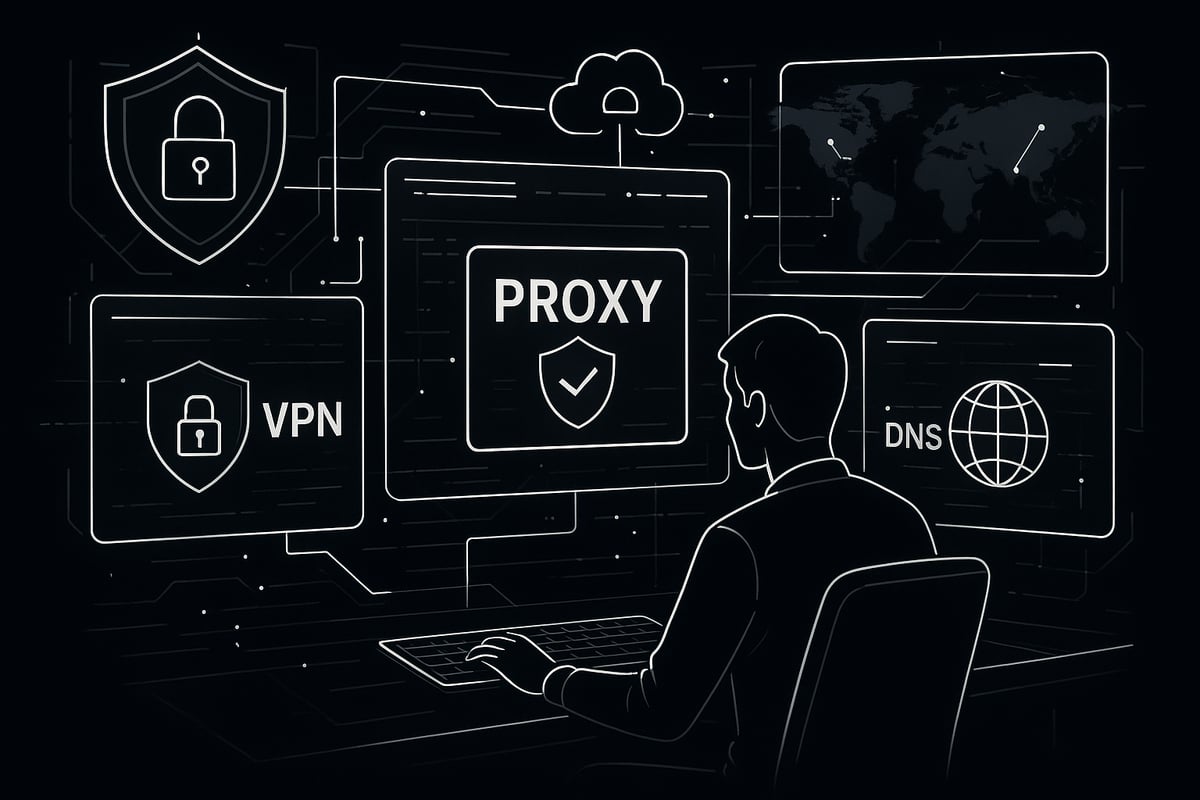
The most effective way to bypass proxy online often involves layering multiple methods. For example, using a VPN alongside a rotating residential proxy and a Smart DNS can help you access even the most restricted sites.
Consider a researcher who needs access to financial data blocked in their region. By combining VPN encryption, proxy IP rotation, and DNS rerouting, they achieve seamless, reliable access while minimizing detection risks.
Experimenting with combinations lets you tailor your approach to specific restrictions, ensuring maximum uptime and security.
Legal, Ethical, and Security Considerations
Navigating the decision to bypass proxy online in 2025 is about more than just finding the right tool. It requires a clear understanding of the legal, ethical, and security factors that come with accessing restricted content. Staying informed and responsible ensures your actions are both safe and compliant.

Understanding the Legal Landscape
Laws governing the use of tools to bypass proxy online vary significantly from country to country. In regions like the US and parts of the EU, using proxies or VPNs is generally legal, but using them to break copyright rules or company policies can still result in penalties. In countries with strict internet controls, such as China, Russia, and several Middle Eastern nations, even possessing or promoting these tools can lead to severe consequences.
It's important to recognize that violating terms of service or digital copyright laws by attempting to bypass proxy online may expose users to lawsuits, fines, or even criminal charges. For example, accessing content restricted by digital rights management (DRM) or streaming services outside of your licensed region can have legal repercussions.
Before using any proxy or VPN, always research your local regulations and consult legal resources if unsure. Staying on the right side of the law protects both your privacy and your peace of mind.
Ethical Use of Proxy Bypassing
There are situations where choosing to bypass proxy online is not only justified but necessary, such as protecting personal privacy, conducting academic research, or accessing information in censored regions. However, using these tools for piracy, fraud, or other malicious activities crosses ethical and legal boundaries.
Companies often set responsible use policies that define when proxy bypassing is acceptable. For individuals, the line is drawn between defending freedom of information and violating rights or laws. For a deeper look at these issues, check out the Ethical Proxy Usage Guidelines.
When in doubt, ask yourself:
- Am I harming others or infringing on rights?
- Is my intent to evade censorship, or to gain unfair advantage?
- Does this action align with my organization’s compliance rules?
Making ethical choices when you bypass proxy online helps maintain trust and integrity in the digital world.
Security Risks and Best Practices
Using untrusted or free proxies to bypass proxy online can expose you to serious risks like malware, data leaks, and identity theft. Some services log your activity or inject ads, compromising both your security and privacy. Relying on poorly maintained tools can also make you an easy target for cybercriminals.
To stay safe, follow these best practices:
- Choose providers with zero-log policies and strong encryption
- Regularly update your software and tools
- Verify the reputation of any proxy or VPN service
- Monitor for IP or DNS leaks with online testing tools
Prioritizing security whenever you bypass proxy online ensures your data stays private and your digital footprint remains protected.
Step-by-Step Guide: How to Bypass Proxy Online Safely
Navigating the digital world in 2025 means dealing with more restrictions than ever. If you want to bypass proxy online barriers safely and efficiently, a careful, stepwise approach is crucial. This guide breaks down each step, helping you regain access while protecting your privacy and data.
Step 1: Assess Your Needs and Risks
Before you bypass proxy online, clarify exactly what you need to access. Are you facing geo-blocked content, workplace firewalls, or aggressive filtering in your country? Make a list of specific platforms, services, or data you want to reach.
Next, evaluate the legal and ethical implications. Rules differ by country and context. For instance, some regions have strict laws against VPN and proxy use, while others are more lenient. Always check local regulations to avoid legal trouble.
A good resource for understanding the scope of internet censorship globally is the OONI: Monitoring global internet censorship project. It provides up-to-date data on restrictions and helps you identify what you’re up against.
If you’re a researcher, journalist, or business user, weigh the risks and benefits. Sometimes, the need to bypass proxy online is justified for academic access or market research. In other cases, it may cross a line.
Summarize your findings in a simple table:
| Need | Restriction Type | Legal Risk | Notes |
|---|---|---|---|
| Streaming abroad | Geo-block | Low | Use VPN/proxy |
| Business scraping | IP block/filter | Medium | Rotate IPs |
| Academic research | Content filter | Varies | Check policy |
Step 2: Choose the Right Bypass Tool
Once you know what you’re facing, select the best tool to bypass proxy online. Your choice depends on speed, reliability, anonymity, and compatibility with your devices and target services.
Options include:
- Proxies: Good for basic access, web scraping, and location spoofing.
- VPNs: Offer strong encryption and broader device support.
- Smart DNS: Great for streaming, but limited privacy.
- Hybrid solutions: Combine multiple tools for complex needs.
To make the right choice, compare features using a checklist:
- Does it support IPv4/IPv6?
- Is there proxy rotation?
- What’s the uptime guarantee?
- Are there zero-log policies?
- Is customer support responsive?
For a deeper dive into practical setup and configuration, check out Using Proxy Servers Effectively. This guide walks you through real-world examples and common pitfalls when you bypass proxy online.
Remember, free solutions may seem appealing, but they often come with risks like data leaks or unreliable connections. Always prioritize security and performance.
Step 3: Configure and Test Your Solution
After selecting your tool, it’s time to configure and test everything. The correct setup is key if you want to bypass proxy online without leaks or slowdowns.
Setup steps:
- Install your proxy, VPN, or DNS tool on your device or browser.
- Enter authentication credentials and configure settings (proxy IP, port, protocol).
- Adjust firewall or antivirus software to allow connections.
Testing is critical. Check for:
- IP leaks (use online tools to confirm your IP address changes)
- DNS leaks (ensure DNS requests are rerouted)
- Bypass success (access previously restricted content)
If something doesn’t work, troubleshoot:
- Switch proxy servers or VPN endpoints.
- Try different protocols (HTTP, SOCKS5, OpenVPN, WireGuard).
- Update your tools and clear browser caches.
A script for rotating proxies might look like this:
import requests
proxies = {'http': 'http://proxy1', 'https': 'http://proxy2'}
response = requests.get('https://example.com', proxies=proxies)
print(response.text)
Repeat these steps until you can bypass proxy online consistently and securely.
Step 4: Maintain Privacy and Security
Bypassing restrictions is only half the battle. To bypass proxy online safely, you must protect your privacy at every stage.
Use strong encryption whenever possible. VPNs and encrypted proxy protocols like Shadowsocks or WireGuard provide better protection against snooping. Rotate credentials and change IPs regularly to avoid blacklists.
Monitor your setup for suspicious activity. Look for unexpected slowdowns, connection drops, or unauthorized logins. Use multi-factor authentication for added security.
Never share your proxy or VPN credentials. If you use a service, make sure it has a clear zero-log policy and a reputation for safeguarding user data.
Step 5: Optimize for Performance and Reliability
The last step is to fine-tune your setup for speed and uptime. When you bypass proxy online, balance performance with anonymity.
- Use datacenter proxies for speed, residential or mobile proxies for stealth.
- Automate failover so you’re never left without access.
- Rotate user agents and IPs to mimic real users and avoid bans.
For businesses or high-volume users, consider scripting and automation. Scale up operations by integrating proxy management tools with your workflows. Regularly monitor for changes in restrictions and update your approach as needed.
Success means not just bypassing today’s blocks, but staying ahead of new barriers tomorrow.
Future Trends in Proxy Bypass and Online Access
The landscape for those seeking to bypass proxy online is rapidly shifting as new technologies and policies emerge. As we look ahead, understanding future trends is crucial for anyone who values open internet access, privacy, or unrestricted workflows.
The Arms Race: Blockers vs. Bypassers
The battle between internet blockers and those trying to bypass proxy online is intensifying. In 2024, there were a record 296 government-enforced internet shutdowns across 54 countries, highlighting a global rise in digital repression. As governments and corporations ramp up AI-driven detection, new blocking strategies are being deployed.
AI and machine learning are now used to identify and disrupt proxy and VPN traffic by analyzing behavioral patterns and network anomalies. Meanwhile, bypass proxy online tools are adopting dynamic fingerprinting and browser emulation to stay ahead. For example, research like WAFFLED: Bypassing Web Application Firewalls demonstrates how advanced parsing discrepancies can be exploited to slip past robust firewalls. The proxy market is expected to reach $7.5 billion by 2027, signaling ongoing demand and innovation.
Decentralized and Peer-to-Peer Solutions
A major trend reshaping how users bypass proxy online is the rise of decentralized and peer-to-peer (P2P) solutions. Unlike traditional proxies, decentralized VPNs and proxies route traffic through user-contributed nodes, often leveraging blockchain or mesh networks.
Pros:
- Increased privacy and resistance to censorship
- Reduced risk of single-point failure
- Often open-source and community-driven
Cons:
- Variable speeds and reliability
- Potential security risks from untrusted nodes
Open-source projects are gaining momentum, especially in regions with heavy censorship. These tools enable users to bypass proxy online without relying on a central provider, making them more resilient against coordinated shutdowns.
The Role of Regulation and Advocacy
Regulation is evolving quickly as governments respond to the ways people bypass proxy online. Policy debates are intensifying around digital rights, privacy, and national security. Some regions have enacted strict laws banning or heavily restricting VPN and proxy use, while others defend internet freedom.
Digital rights organizations play a vital role by advocating for open access and challenging restrictive policies. Their influence shapes both public opinion and legal frameworks. As the legal landscape shifts, keeping up with new legislation is critical for anyone using tools to bypass proxy online, especially for businesses operating internationally.
Preparing for the Next Wave of Restrictions
To stay ahead, users must adapt their bypass proxy online strategies as platforms and governments evolve their blocking tactics. Regularly updating software, monitoring policy changes, and diversifying access methods are essential steps.
Consider creating a checklist for resilience:
- Stay informed on new proxy and VPN technologies
- Join communities that share updates on restrictions
- Test multiple solutions before critical access needs arise
Building knowledge and flexibility ensures you can bypass proxy online reliably, regardless of future restrictions. As the arms race continues, those prepared will maintain an edge in accessing the open internet.Now that you know how online restrictions are evolving and the best ways to bypass them in 2025, it’s time to put those insights into action with the right tools by your side. With PinguProxy’s high-speed, zero-log proxies and seamless IPv4/IPv6 support, you’re ready to enjoy secure, uninterrupted access to the content and services you need. Whether you’re scraping data, gaming, or just want to browse freely, you can count on reliable performance and top-notch privacy. Ready to take control of your online experience?
Get Started Now