
Best Proxies for YouTube Views: 2026 Complete Guide
YouTube remains the world's second-largest search engine and a critical platform for content creators, marketers, and businesses in 2026. As competition intensifies, understanding the technical infrastructure behind view delivery has become essential for anyone working with video content at scale. While organic growth remains the gold standard, many professionals explore proxy solutions for legitimate purposes like testing content across different regions, verifying ad delivery, or managing multiple accounts. This guide examines the best proxies for YouTube views from a technical perspective, helping you understand what works, what doesn't, and the important considerations around platform compliance.
Understanding Proxy Types for YouTube Traffic
Not all proxies are created equal when it comes to handling YouTube traffic. The platform has sophisticated detection systems that analyze thousands of data points per request, making proxy selection critical for anyone working with views at scale.
Datacenter Proxies: Speed vs Detection Risk
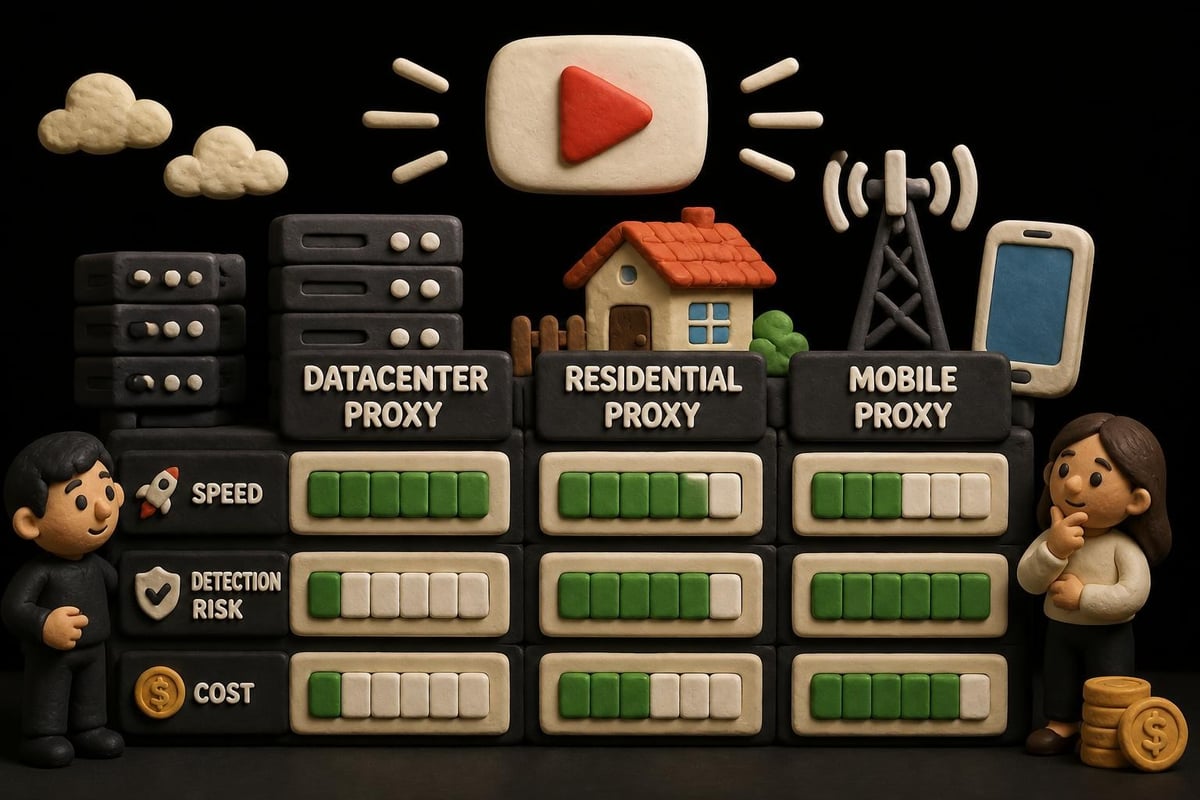
Datacenter proxies route traffic through cloud-based servers located in major data centers worldwide. These proxies offer exceptional speed, often reaching 10Gbps bandwidth, and typically cost less than other options. However, they come with significant detection risks.
Key characteristics of datacenter proxies:
- Ultra-fast connection speeds (ideal for high-volume operations)
- Lower cost per IP address
- Easier to obtain in large quantities
- Higher detection rates by sophisticated platforms
YouTube's systems can identify datacenter IP ranges relatively easily since these addresses don't belong to residential internet service providers. The platform employs advanced bot management techniques similar to those used by major CDNs, which can flag entire subnet ranges.
| Proxy Type | Speed | Detection Risk | Cost | Best Use Case |
|---|---|---|---|---|
| Datacenter | Very High | High | Low | Initial testing, bulk operations |
| Residential | Medium | Low | Medium | Realistic viewer simulation |
| Mobile | Medium | Very Low | High | Premium campaigns, verification |
That said, datacenter proxies can work for certain YouTube applications when used properly. Geographic content testing, bulk account management for legitimate business purposes, and development environments often utilize datacenter infrastructure successfully.
Residential Proxies: The Realistic Alternative
Residential proxies represent actual IP addresses assigned by internet service providers to homeowners. When seeking the best proxies for YouTube views, many professionals consider residential options the sweet spot between authenticity and scalability.
These proxies appear as regular viewers because they originate from genuine residential networks. YouTube's detection algorithms have a much harder time distinguishing residential proxy traffic from organic users, especially when combined with proper browser fingerprinting and behavior patterns.
Advantages of residential proxies include:
- IP addresses from real ISPs (Comcast, Verizon, local providers)
- Lower blocking rates compared to datacenter alternatives
- Geographic diversity spanning thousands of cities
- Better success with platforms using OWASP-recommended bot detection
The technology behind residential IP networks has matured significantly. Modern residential proxy providers maintain pools of millions of addresses, rotating them automatically to prevent pattern detection. This 1ms rotation capability ensures that even high-volume operations maintain the appearance of diverse, organic traffic.
Mobile Proxies: Premium Authenticity
Mobile proxies route traffic through cellular network carriers like AT&T, T-Mobile, and Verizon. These represent the highest tier of authenticity when evaluating the best proxies for YouTube views, though they come at a premium price point.
YouTube trusts mobile traffic more than desktop traffic for several reasons. Mobile devices naturally share IP addresses as users move between cell towers. Carriers frequently use carrier-grade NAT (CGNAT), meaning hundreds of legitimate users might share a single external IP address. This makes it nearly impossible for platforms to blacklist mobile IPs without affecting genuine users.
Technical Considerations for YouTube View Delivery
Beyond choosing a proxy type, successful YouTube operations require understanding the platform's detection mechanisms. YouTube doesn't simply count IP addresses; it analyzes a complex matrix of signals that can identify non-organic traffic patterns.
Browser Fingerprinting and Device Consistency
YouTube collects extensive data about each viewer's device and browser configuration. This includes screen resolution, installed fonts, canvas rendering characteristics, WebGL parameters, and dozens of other technical markers that create a unique "fingerprint."
When using proxies for YouTube views, maintaining consistent fingerprints across sessions is crucial. Changing your IP address while keeping identical browser characteristics can actually increase suspicion. Conversely, rotating both elements together appears more natural.
Modern proxy management requires:
- Unique browser profiles for each IP address
- Consistent user-agent strings that match the operating system
- WebRTC leak prevention (real IP address exposure)
- Timezone alignment with proxy geographic location
- Language settings matching the target region
View Duration and Engagement Signals
Research has shown that YouTube actively identifies and removes fake views based on engagement patterns rather than just counting requests. The platform analyzes how long viewers watch, whether they interact with other elements, and if their behavior matches organic user patterns.
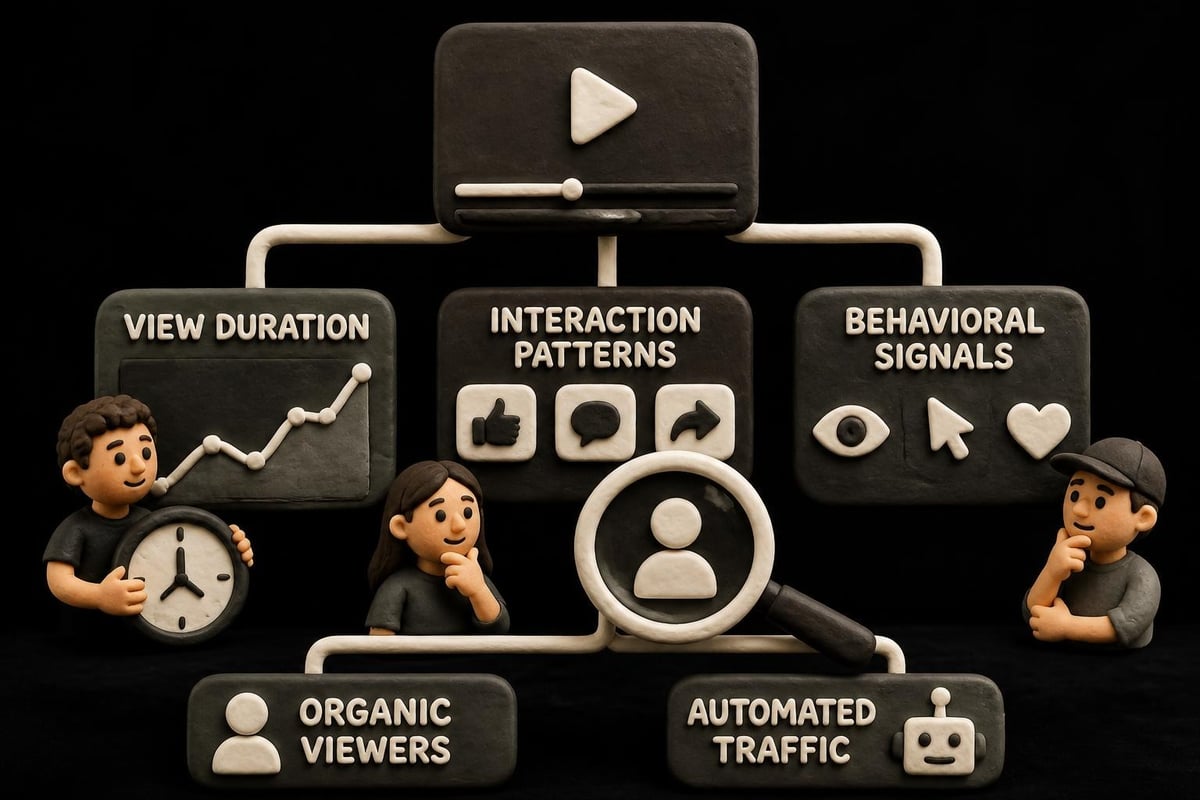
Simply loading a video through hundreds of different proxies won't generate lasting value. YouTube's algorithms look for:
- Watch time consistency: Do viewers watch for realistic durations?
- Navigation patterns: How did the viewer find the video?
- Interaction depth: Do they like, comment, or subscribe?
- Session behavior: What do they watch next?
- Return visits: Do they come back to the channel?
The platform has become increasingly sophisticated at distinguishing genuine interest from artificial inflation. Academic research demonstrates that fake view detection methods now incorporate machine learning models trained on millions of labeled examples, making simple proxy rotation insufficient.
Legal and Ethical Framework
Before discussing the best proxies for YouTube views, addressing the legal landscape is essential. In 2026, regulatory scrutiny around artificial engagement has intensified significantly across multiple jurisdictions.
Regulatory Compliance Considerations
The Federal Trade Commission has finalized rules explicitly prohibiting the purchase or sale of fake social media indicators, including bot-generated views. These regulations create legal liability for both providers and purchasers of artificial engagement services.
YouTube's Terms of Service have always prohibited artificial view inflation, but enforcement has become more aggressive. The platform now employs dedicated teams that:
- Audit channel growth patterns for anomalies
- Remove artificially inflated view counts retroactively
- Issue strikes against channels violating engagement policies
- Share data with advertising partners about fraudulent traffic
Legitimate proxy use cases for YouTube include:
- Geographic content verification (checking regional restrictions)
- Multi-account management for agencies handling client channels
- Ad placement confirmation across different markets
- Competitive analysis and market research
- Development and testing of YouTube-integrated applications
Understanding this distinction matters. Using proxies to access YouTube from different locations for business intelligence represents standard practice. Using them to artificially inflate view counts violates both platform policies and, increasingly, government regulations.
Selecting the Best Proxies for YouTube Views
When legitimate business needs require proxy infrastructure for YouTube operations, several technical criteria should guide your selection process.
IP Pool Size and Diversity
The best proxies for YouTube views come from providers maintaining substantial IP pools with geographic diversity. A small pool of a few thousand addresses creates pattern detection risks, especially for operations requiring scale.
Look for providers offering:
- Minimum of 1 million unique IP addresses
- Coverage across 50+ countries
- City-level targeting capabilities
- ISP diversity (multiple carriers per region)
- Regular pool refreshment to add new addresses
This diversity ensures that your operations don't create detectable patterns. YouTube's systems can identify when multiple "different" viewers actually share technical characteristics suggesting they originate from the same infrastructure.
Rotation Capabilities and Session Control
Smart rotation prevents platforms from connecting multiple requests to the same operation. The best proxy services offer granular control over when and how IP addresses change.
| Rotation Strategy | Use Case | Detection Risk |
|---|---|---|
| Static IP | Long-term account access | Medium |
| Timed rotation (5-30 min) | Browsing sessions | Low |
| Request-level rotation | API calls, scraping | Medium |
| 1ms automatic rotation | High anonymity needs | Very Low |
For YouTube operations specifically, session-based rotation works best. This approach maintains the same IP address for an entire viewing session (matching organic user behavior) while rotating between sessions. Request-level rotation can actually increase suspicion when YouTube sees a "viewer" changing locations between consecutive API calls.

Protocol Support and Performance
Modern YouTube delivery relies on both IPv4 and IPv6 protocols. As the platform expands globally, IPv6 adoption has accelerated, particularly in mobile-first markets where IPv4 address exhaustion creates challenges.
The best proxies for YouTube views support both protocols seamlessly. This dual-stack capability ensures your operations can access all content regardless of how YouTube's infrastructure evolves. Some regions and carrier networks now prefer or exclusively use IPv6, making protocol flexibility essential for geographic targeting.
Performance metrics matter equally. YouTube serves high-definition and 4K content that demands substantial bandwidth. Proxy providers offering 10Gbps connections ensure smooth delivery without buffering issues that could signal unusual traffic patterns.
Infrastructure Requirements for Scale
Professional YouTube operations at scale require more than just good proxies. The supporting infrastructure determines whether your setup appears authentic or triggers platform defenses.
Managing Multiple Sessions Effectively
Operating dozens or hundreds of simultaneous YouTube sessions demands robust session management. Each session should maintain independent state, including cookies, local storage, and behavioral history.
Essential components include:
- Containerized browser environments (Docker, virtual machines)
- Profile management systems that persist data between sessions
- Proxy-profile binding (same IP always gets same browser fingerprint)
- Geographic consistency (timezone, language, content preferences match proxy location)
- Realistic activity scheduling (avoiding burst patterns)
Many professionals exploring mobile proxy solutions discover that the proxy quality matters less than the surrounding infrastructure. Even premium mobile proxies fail when paired with poorly configured automation that creates detectable patterns.
Bandwidth and Speed Considerations
YouTube's adaptive bitrate streaming means viewer quality adjusts based on connection speed. If your proxies can't sustain adequate bandwidth, videos will default to lower resolutions, creating an anomalous pattern when multiple "viewers" from different locations all watch in 360p.
Target minimum speeds of:
- 5 Mbps for HD (1080p) streaming
- 25 Mbps for 4K content
- 50+ Mbps for multiple simultaneous sessions per proxy
Some proxy providers advertise "unlimited bandwidth" while throttling speeds after certain thresholds. For YouTube operations, consistent high-speed performance matters more than theoretical unlimited caps.
Privacy and Security Best Practices
When working with proxies for any YouTube application, security and privacy protections prevent data exposure and maintain operational security.
Zero-Log Policies and Data Protection
The best proxy providers implement strict zero-log policies, ensuring no records exist of your browsing activity, target URLs, or operational patterns. This protection matters for several reasons beyond basic privacy.
YouTube increasingly cooperates with rights holders and regulatory agencies investigating traffic patterns. If your proxy provider maintains detailed logs, those records could be subpoenaed or compromised in a data breach, potentially exposing your entire operation.
Critical privacy features include:
- No storage of request URLs or destination sites
- Encrypted communication between you and proxy servers
- No retention of authentication credentials beyond session duration
- Regular security audits by independent third parties
- Clear data retention policies published in terms of service
Additionally, proxy providers handling YouTube traffic should implement robust authentication mechanisms preventing unauthorized access to your proxy pool. IP whitelisting, API token authentication, and two-factor protection ensure only authorized users can access your proxy infrastructure.
Geographic Jurisdiction and Compliance
Where your proxy provider operates determines which legal frameworks govern their data practices. In 2026, jurisdictions vary significantly in privacy protections, data retention requirements, and cooperation with law enforcement.
Providers operating in privacy-focused jurisdictions offer stronger protections against compelled data disclosure. However, this consideration must balance against practical factors like network performance, IP pool quality, and geographic coverage relevant to your YouTube operations.
Cost Analysis and ROI Evaluation
Understanding the economics of proxy infrastructure helps businesses make informed decisions about the best proxies for YouTube views and related applications.
Pricing Models Compared
Proxy providers typically offer several pricing structures, each with distinct advantages depending on usage patterns:
| Pricing Model | Structure | Best For | Typical Cost Range |
|---|---|---|---|
| Pay-per-GB | Charge based on bandwidth consumed | Light, unpredictable usage | $3-15 per GB |
| Pay-per-IP | Fixed price per IP address | Dedicated, long-term operations | $1-5 per IP/month |
| Unlimited plans | Flat monthly fee, unrestricted usage | Heavy, consistent volume | $50-500/month |
| Pay-per-port | Charge per concurrent connection | Scalable concurrent sessions | $2-10 per port/month |
For YouTube applications specifically, unlimited plans often provide the best value if your operations require consistent volume. Video streaming consumes significant bandwidth, making per-GB pricing expensive at scale. However, verify that "unlimited" plans don't include hidden throttling or fair-use restrictions.
Total Cost of Ownership
The proxy subscription represents just one component of total infrastructure costs. Comprehensive budgeting should account for:
- Proxy service fees (primary cost)
- Browser automation tools (Selenium, Puppeteer, commercial solutions)
- Server or cloud computing resources for running sessions
- Development time for integration and maintenance
- Monitoring and analytics platforms
- Contingency budget for testing and optimization
Many organizations find that the supporting infrastructure costs exceed proxy fees themselves. A $200/month unlimited proxy plan might require $500 in cloud computing resources to utilize effectively at scale.
Provider Selection Criteria
When evaluating providers offering the best proxies for YouTube views, systematic comparison across key dimensions ensures you select infrastructure that meets your specific requirements.
Technical Performance Metrics
Request detailed performance data before committing to any provider. Key metrics include:
- Average response time: First byte received after request sent
- Connection success rate: Percentage of proxy connections that establish successfully
- IP block rate: How often provider's IPs get flagged by major platforms
- Uptime guarantee: Contractual commitment to availability (look for 99.9% minimum)
- Geographic coverage: Number of countries and cities available
Reputable providers should offer trial periods or money-back guarantees allowing you to test performance with actual YouTube traffic before scaling operations.
Support and Documentation Quality
YouTube's platform evolves constantly, with detection mechanisms and API changes requiring operational adjustments. The best proxy providers offer comprehensive support including:
- 24/7 technical assistance via multiple channels
- Detailed documentation covering common use cases
- API libraries in major programming languages
- Regular status updates about IP pool changes
- Proactive notification of platform detection pattern changes
Strong customer support becomes critical when troubleshooting detection issues or optimizing session configurations for YouTube's specific requirements.
Selecting the best proxies for YouTube views requires balancing technical performance, detection risk, compliance considerations, and cost-effectiveness. Residential and mobile proxies offer superior authenticity compared to datacenter alternatives, while supporting infrastructure and proper session management matter as much as proxy quality itself. Whether you need proxy infrastructure for legitimate content verification, geographic testing, or multi-account management, PinguProxy delivers high-performance datacenter, residential, and mobile proxies with dual IPv4/IPv6 support, 1ms rotation, zero-log privacy, and 10Gbps bandwidth backed by 24/7 expert support to ensure your YouTube operations maintain both performance and platform compliance.