When searching for online privacy solutions, many users gravitate toward free proxy USA services as a quick fix for accessing geo-restricted content or masking their IP address. These free tools promise anonymity and unrestricted access without the commitment of a paid subscription. However, the reality behind free proxy USA offerings is far more complex than advertised, with significant security implications that most users never consider. Understanding how these services work and what risks they carry is essential before routing your internet traffic through any proxy server.
Understanding How Proxy Servers Function
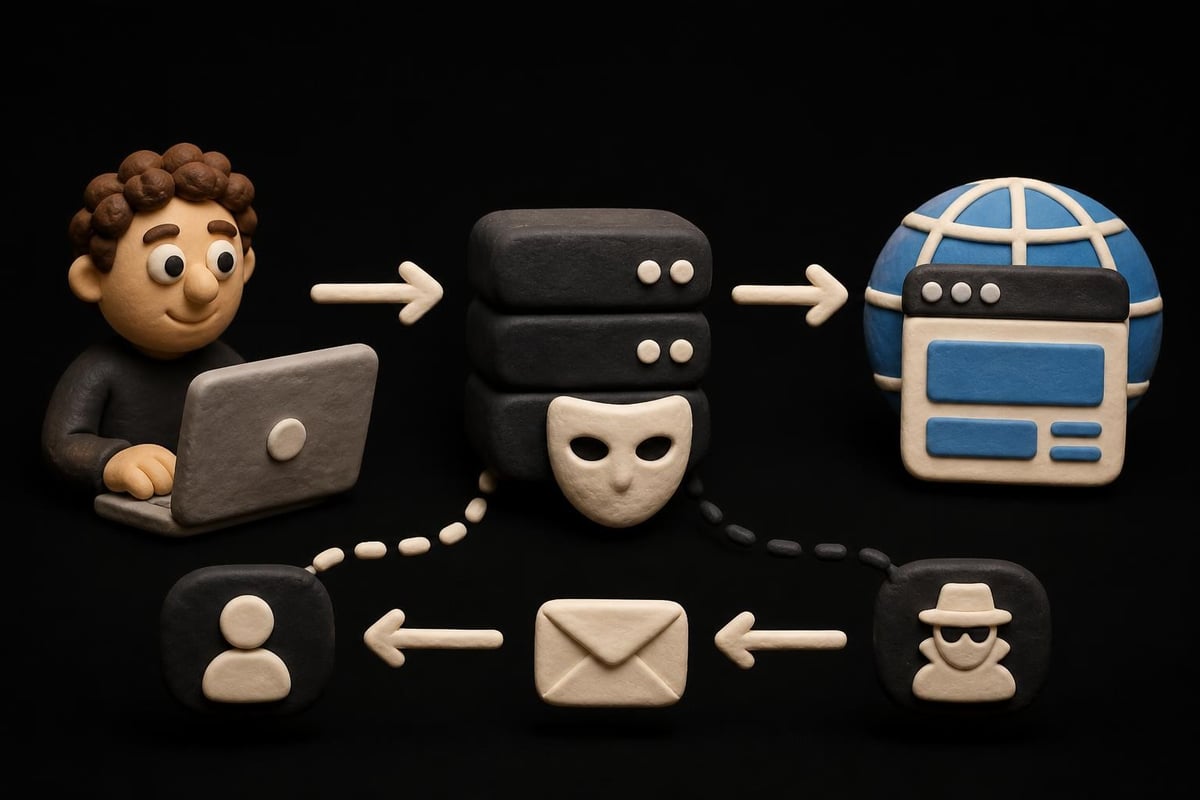
A proxy server acts as an intermediary between your device and the internet, forwarding requests on your behalf and returning responses. When you connect to a free proxy USA service, your traffic routes through a server typically located within the United States, making it appear as though you're browsing from that location. This basic functionality masks your original IP address and can bypass simple geographic restrictions.
The technical implementation of proxy servers involves several types, including HTTP proxies, SOCKS proxies, and transparent proxies. Each type handles data differently and offers varying levels of functionality. HTTP proxies work specifically with web traffic, while SOCKS proxies can handle any type of internet traffic, making them more versatile for applications beyond web browsing.
Forward Proxies vs. Reverse Proxies
Understanding the distinction between proxy types helps clarify what free proxy USA services actually provide:
- Forward proxies sit between users and the internet, acting on behalf of clients
- Reverse proxies sit in front of web servers, handling requests for backend services
- Transparent proxies intercept traffic without requiring configuration
- Anonymous proxies hide your IP but identify themselves as proxies
Most free proxy USA services operate as forward proxies, positioning themselves between you and your destination websites. Unlike VPNs that encrypt all device traffic, these proxies typically only handle browser traffic and may not encrypt data at all, leaving significant security gaps.
The Hidden Costs of Free Proxy Services
While free proxy USA options don't charge subscription fees, they monetize in ways that often compromise user privacy and security. A comprehensive longitudinal study of free web proxies revealed alarming practices among free proxy operators over a 30-month period. The research uncovered widespread data collection, traffic manipulation, and injection of malicious code.
Revenue Models Behind Free Services
Free proxy USA providers must generate income somehow. Common monetization strategies include:
- Advertising injection directly into web pages you visit
- Data harvesting and selling browsing behavior to third parties
- Affiliate link substitution to earn commissions from your purchases
- Premium upsells where free access is deliberately degraded
- Cryptocurrency mining using your device's processing power
| Monetization Method | Privacy Impact | Performance Impact | Security Risk |
|---|---|---|---|
| Ad Injection | High | Medium | High |
| Data Selling | Critical | Low | High |
| Link Substitution | Medium | Low | Medium |
| Mining Scripts | Low | Critical | Medium |
| Premium Upsells | Low | High | Low |
These practices directly contradict the privacy promises that attract users to free proxy USA services in the first place. When a service collects and monetizes your browsing data, you've simply shifted trust from your ISP to an unknown proxy operator with potentially worse practices.
Security Vulnerabilities in Free Proxy Networks
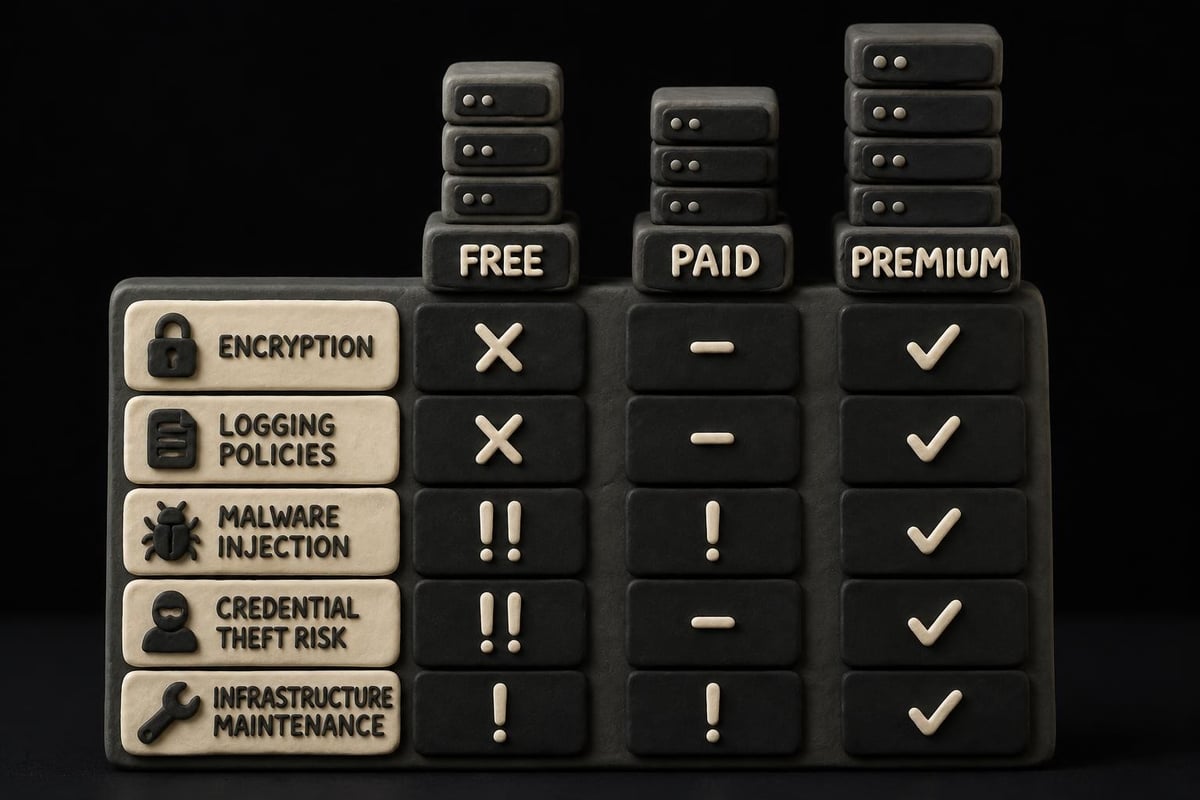
Beyond questionable business practices, free proxy USA services introduce serious security vulnerabilities. Many operators lack the resources or incentive to maintain secure infrastructure, leaving users exposed to threats they wouldn't face with direct connections.
Unencrypted connections represent one of the most critical risks. While HTTPS encrypts data between your browser and destination websites, the connection between your device and the proxy itself may remain unencrypted. This allows the proxy operator and anyone monitoring that connection to intercept sensitive information like passwords and personal data.
Man-in-the-middle attacks become trivial when you voluntarily route traffic through an untrusted intermediary. Free proxy USA operators can inspect, modify, or steal any unencrypted data passing through their servers. Even with HTTPS, some proxies attempt TLS interception by installing certificates, effectively decrypting your "secure" connections.
Authentication and Access Control Weaknesses
The security implications of proxy misconfigurations extend beyond individual users. Many free proxy USA services run outdated software with known vulnerabilities, accept weak authentication methods, or share proxy endpoints among thousands of users simultaneously.
- Shared IP addresses mean your traffic mixes with potentially malicious users
- Session hijacking becomes possible when multiple users share credentials
- Rate limiting and abuse detection systems may flag legitimate activity
- Proxy servers themselves become targets for exploitation and botnet recruitment
Consider that free services rarely implement the robust security measures found in professional solutions. They typically don't offer features like 1ms proxy rotation, zero-log policies, or modern protocol support that ensure anonymity and protect against tracking.
Performance Limitations and Reliability Issues
Beyond security concerns, free proxy USA services suffer from severe performance constraints that make them impractical for serious applications. Providers deliberately limit bandwidth, connection speeds, and uptime to encourage upgrades to paid tiers.
Bandwidth throttling is standard practice, with free users often restricted to speeds that make modern web browsing frustrating. When multiple users share limited server resources, even simple page loads can take several seconds. Services that require consistent performance like web scraping, streaming, or accessing business applications become nearly impossible.
Connection stability represents another critical weakness. Free proxy USA servers experience frequent downtime, random disconnections, and unpredictable availability. For various proxy use cases like automated data collection or maintaining persistent sessions, this unreliability renders free services completely inadequate.
Real-World Performance Metrics
| Service Tier | Avg Speed | Uptime | Max Connections | Rotation Support |
|---|---|---|---|---|
| Free Proxy USA | 1-5 Mbps | 60-80% | 1-2 | Manual only |
| Budget Paid | 10-50 Mbps | 95-98% | 5-10 | Limited auto |
| Premium Services | 100+ Mbps | 99.9%+ | Unlimited | Advanced auto |
| Enterprise (PinguProxy) | 10 Gbps | 99.99% | Unlimited | 1ms rotation |
The performance gap becomes even more pronounced when comparing protocol support. Free proxy USA services typically support only basic HTTP/HTTPS protocols, while modern applications increasingly require IPv6 compatibility, SOCKS5 functionality, and specific authentication methods that free proxies don't provide.
Legal and Compliance Considerations
Using free proxy USA services carries legal implications that many users overlook. While using a proxy isn't inherently illegal, the activities you perform through it and the proxy's operation itself may violate laws or terms of service agreements.
Jurisdictional complexity arises when your traffic routes through US-based servers. Data handled by free proxy USA providers may fall under American surveillance laws and data retention requirements. The CISA guidance on network security highlights risks associated with unvetted proxy services, particularly regarding data sovereignty and compliance.
Terms of service violations occur frequently with proxy usage. Many websites explicitly prohibit access through proxies, and using free proxy USA services to circumvent these restrictions can result in account termination or legal action. Streaming platforms, financial institutions, and online retailers actively block known proxy IP ranges.
Professional and Enterprise Concerns
Organizations considering free proxy USA solutions for business purposes face additional compliance risks:
- Data protection regulations like GDPR prohibit routing personal data through unsecured third parties
- Industry standards (PCI DSS, HIPAA) require documented security controls that free proxies can't provide
- Audit requirements demand transparency about data handling that free services don't offer
- Liability issues arise when employee activity routes through uncontrolled infrastructure
Professional applications require verifiable security guarantees, service level agreements, and responsive support that free services never provide. For businesses serious about proxy usage, examining transparent pricing for reliable proxy services becomes the only viable path forward.
Safer Alternatives to Free Proxy USA Services
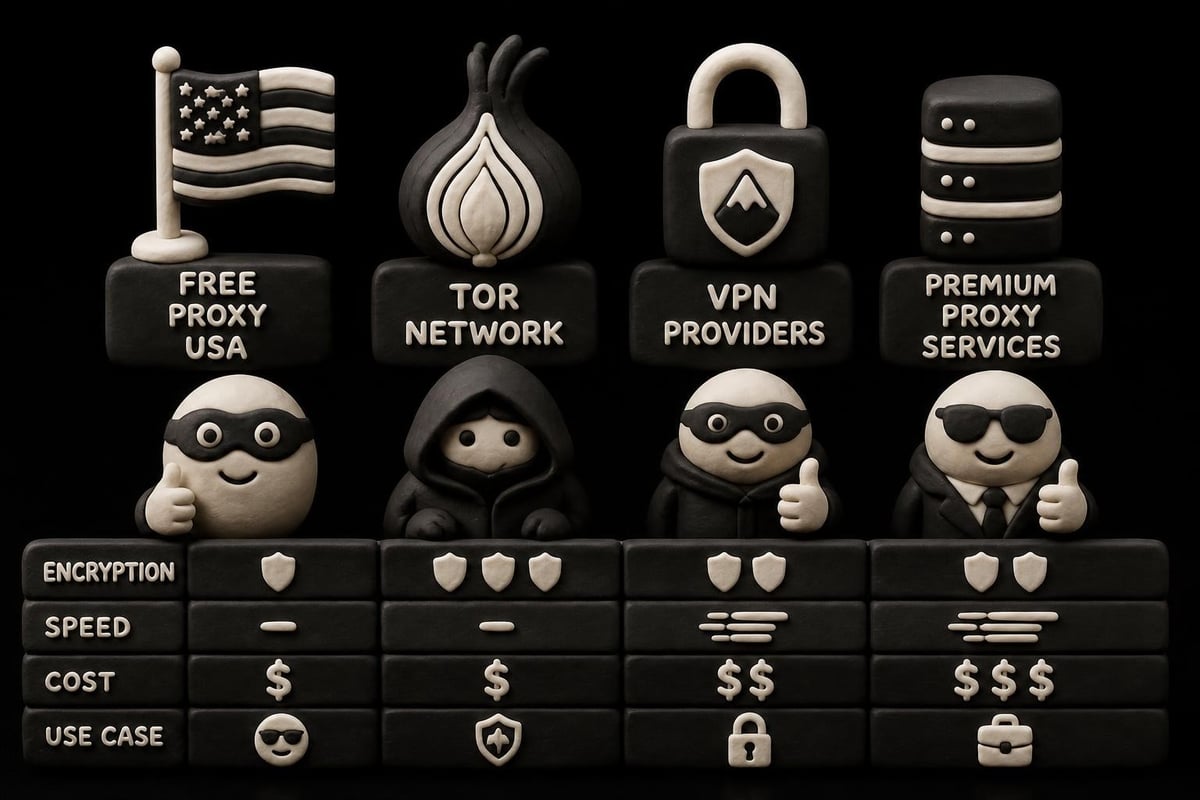
Several legitimate alternatives provide the functionality users seek from free proxy USA options without the associated risks. Understanding these options helps you make informed decisions about your online privacy and security needs.
Tor Network offers genuinely free anonymity through volunteer-operated relays. The Tor Project's comparison of privacy tools explains how its multi-hop encryption provides stronger anonymity than any single proxy server. However, Tor's slower speeds make it impractical for bandwidth-intensive activities.
The Electronic Frontier Foundation's privacy guidance recommends combining multiple privacy tools based on your specific threat model. For casual browsing, properly configured browser privacy settings may suffice. For sensitive communications, Tor or VPN services provide better protection than any free proxy USA option.
Paid Proxy Services with Transparent Practices
Professional proxy providers offer the security, performance, and reliability that free services cannot match:
- Verified infrastructure with regular security audits and updates
- Documented privacy policies including zero-log guarantees
- Dedicated support for troubleshooting and configuration assistance
- Protocol variety supporting HTTP, HTTPS, SOCKS5, IPv4, and IPv6
- Geographic distribution beyond just USA locations
When evaluating paid alternatives, look for providers that offer transparent policies, documented security practices, and clear pricing structures. Services like PinguProxy demonstrate what professional proxy infrastructure should include: high-bandwidth connections, comprehensive protocol support, and verifiable privacy protections.
Implementing Proper Proxy Configuration
If you choose to use any proxy service, proper configuration prevents common security mistakes. Most privacy vulnerabilities occur not from the proxy itself, but from misconfigured browsers and applications that leak identifying information.
DNS leaks represent one of the most common configuration errors. Even when routing traffic through a free proxy USA server, your DNS queries may still go directly to your ISP's servers, revealing exactly which sites you visit. Testing for DNS leaks and configuring your system to use the proxy's DNS servers closes this gap.
Browser proxy settings in Firefox and other browsers require careful configuration. Different applications on your device may not respect system-wide proxy settings, creating leaks where some traffic bypasses the proxy entirely. Testing your configuration thoroughly before relying on it for privacy-critical activities is essential.
Testing and Validation Steps
Before trusting any proxy configuration, verify that it works correctly:
- Check your apparent IP address using multiple IP detection websites
- Test for DNS leaks using dedicated leak testing tools
- Verify WebRTC doesn't expose your real IP address
- Confirm your timezone and language settings don't contradict your proxy location
- Monitor for inconsistent behavior across different applications
Even with perfect configuration, free proxy USA services remain fundamentally untrustworthy for sensitive applications. The lack of accountability, questionable security practices, and performance limitations make them unsuitable for anything beyond casual, non-sensitive browsing.
The True Cost of "Free" Privacy Tools
The fundamental problem with free proxy USA services lies in the misalignment of incentives. Privacy tools require significant infrastructure investment, ongoing maintenance, and security expertise. When a service provides these resources without charging users, the users themselves become the product.
Data monetization turns privacy tools into surveillance mechanisms. Academic research consistently demonstrates that free proxy operators collect extensive data about user behavior, browsing patterns, and even sensitive personal information. This data gets sold to advertisers, aggregators, and potentially malicious actors.
Understanding this economic reality helps explain why professional proxy services charge subscription fees. Legitimate providers invest in secure infrastructure, regular updates, proper encryption, and responsive support because their business model depends on protecting users rather than exploiting them.
The contrast becomes clear when comparing service models. Free proxy USA operators maximize profit by minimizing costs and monetizing user data. Professional services like those offered through PinguProxy's global infrastructure maximize value by investing in performance, security, and customer satisfaction, sustaining their business through transparent subscription fees.
Making Informed Decisions
Choosing between free and paid proxy services requires honest assessment of your needs and risk tolerance:
For casual, non-sensitive browsing where privacy isn't critical and performance doesn't matter, free proxy USA services might suffice, though even here, the security risks often outweigh the limited benefits.
For any sensitive activity including financial transactions, personal communications, or professional work, free proxies are categorically inappropriate. The security vulnerabilities and data collection practices make them worse than no proxy at all.
For business applications requiring reliability, performance, and compliance, only professional proxy services provide necessary guarantees. Web scraping, market research, competitive analysis, and automated testing demand the stability and speed that free services cannot deliver.
While free proxy USA services promise easy access and privacy protection, the reality involves hidden costs through data exploitation, security vulnerabilities, and performance limitations that make them unsuitable for serious applications. Understanding these risks helps you make informed decisions about your online privacy strategy. For users and businesses requiring reliable, secure proxy services with verifiable privacy protections, PinguProxy delivers enterprise-grade infrastructure including 10Gbps bandwidth, complete IPv4/IPv6 support, zero-log policies, and 1ms proxy rotation, backed by 24/7 support to ensure your privacy and performance needs are met without compromise.