
SSL Proxy Guide: Secure Your Connections in 2025
Cyber threats are growing more advanced every year, making online privacy and security a top concern for everyone. As hackers and data breaches become more common, protecting your digital footprint is no longer optional.
That is where an ssl proxy comes in. This guide will break down what an ssl proxy is, how it works, and why it is a must-have for safe online browsing in 2025.
We will walk you through the basics, benefits, different types, setup steps, use cases, and future trends. You will get actionable tips and up-to-date insights.
Ready to boost your online security? Discover how ssl proxy solutions can help you stay private, encrypted, and in control of your internet experience.
What is an SSL Proxy?
Understanding how an ssl proxy works is key to navigating today’s secure internet. As online threats become more advanced, many users and businesses turn to ssl proxy solutions to keep their data safe and private. Let’s break down the core concepts and see why ssl proxy technology is more important than ever.
Definition and Core Concepts
SSL, or Secure Sockets Layer, began as a protocol to encrypt data between web browsers and servers. Its successor, TLS (Transport Layer Security), is now the industry standard, but “SSL” remains the familiar term.
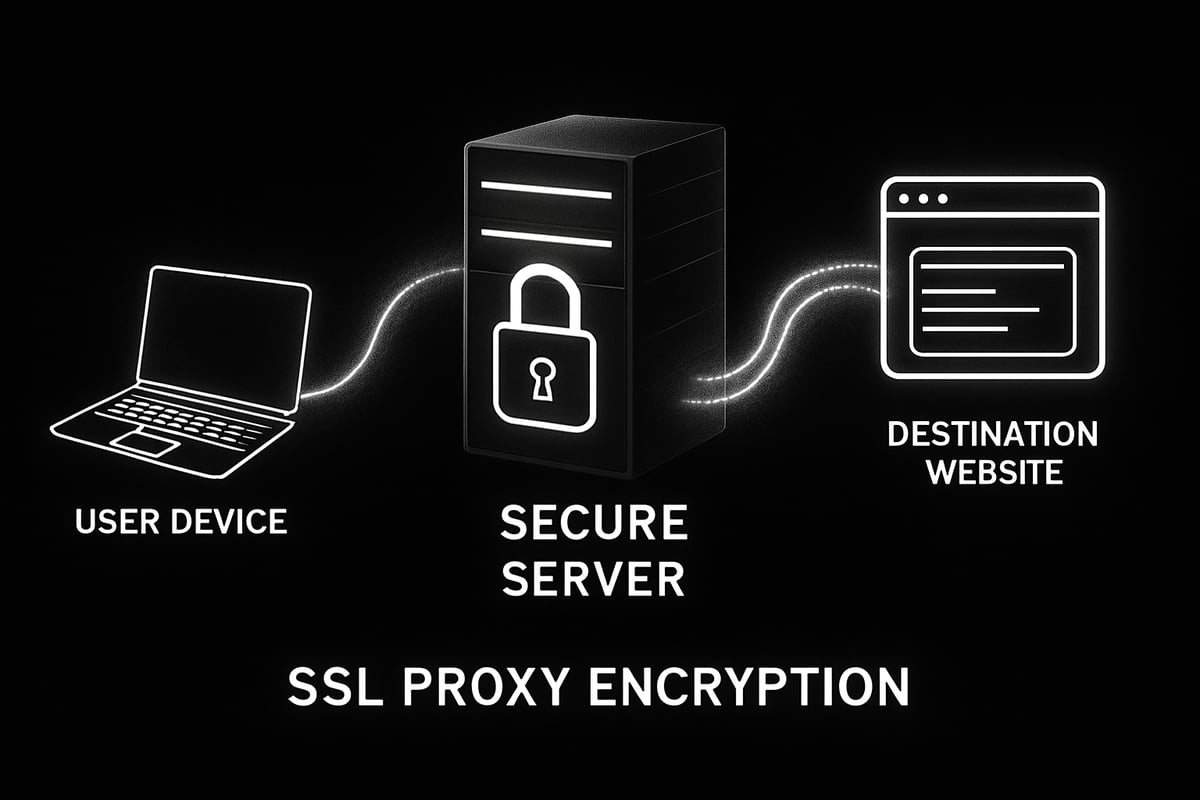
An ssl proxy is a server that uses SSL/TLS encryption to relay and secure internet traffic between your device and the target website. Unlike a plain HTTP proxy, an ssl proxy encrypts the data in transit, providing a secure tunnel for your information.
There’s a subtle difference between an ssl proxy and an HTTPS proxy. While both use encryption, an ssl proxy can handle more complex scenarios, such as decrypting and re-encrypting data for inspection or security purposes. In the broader proxy ecosystem, ssl proxy services join other types like HTTP, SOCKS, and residential proxies. For a deeper dive into how these fit together, check out this Types of proxy servers explained guide.
Encryption is now essential for safe browsing. With most modern sites requiring HTTPS, ssl proxy solutions ensure your data stays private and protected from prying eyes.
How SSL Proxies Work
When you use an ssl proxy, your device first sends a request to the proxy server. The proxy establishes a secure connection - using SSL certificates - to the target server. Your data is encrypted before leaving your device, travels safely through the ssl proxy, and reaches its destination with the same level of security.
Think of an ssl proxy as a trusted middleman. Imagine passing a sealed envelope to someone, who then delivers it safely to the recipient without opening it. The SSL certificate is the official stamp ensuring trust between all parties.
This process prevents eavesdropping and interception. Even on public WiFi or hostile networks, your information remains hidden from hackers or surveillance. The ssl proxy plays a crucial role in keeping sensitive data secure during every step of its journey.
SSL Proxy vs. Other Proxy Types
How does an ssl proxy compare to others? Here’s a quick snapshot:
| Proxy Type | Encryption | Compatibility | Best For |
|---|---|---|---|
| HTTP Proxy | No | HTTP sites | Basic content access |
| SOCKS5 Proxy | Optional | Any protocol | P2P, torrents |
| VPN | Yes | All traffic | Full device security |
| SSL Proxy | Yes | HTTPS sites | Secure web browsing |
An ssl proxy stands out for its ability to work seamlessly with modern HTTPS-only websites. It offers stronger privacy and security than HTTP proxies, while being lighter and more flexible than a full VPN. For instance, you can use an ssl proxy to access geo-blocked content without exposing your real IP or credentials.
Real-World Examples and Statistics
One major use for an ssl proxy is secure web scraping. Businesses rely on these proxies to collect data from encrypted websites without triggering anti-bot defenses. Another example is accessing restricted services, like streaming or news platforms, from regions where they’re blocked.
Browsers now warn users when visiting non-SSL sites, underlining the importance of encryption. According to industry data, over 95 percent of web traffic is encrypted today. In business environments, ssl proxy servers protect employee communications, enforce policies, and ensure compliance with privacy standards.
Key Arguments and Insights
In today’s digital landscape, relying on an ssl proxy is no longer just a best practice - it’s a necessity. With stricter data privacy laws and rising cyber threats, more individuals and organizations are adopting ssl proxy solutions to safeguard their online activities and sensitive information.
Benefits of Using SSL Proxies in 2025
Securing your digital life is more important than ever, and using an ssl proxy brings a range of benefits for anyone serious about privacy and access in 2025.
Enhanced Security and Privacy
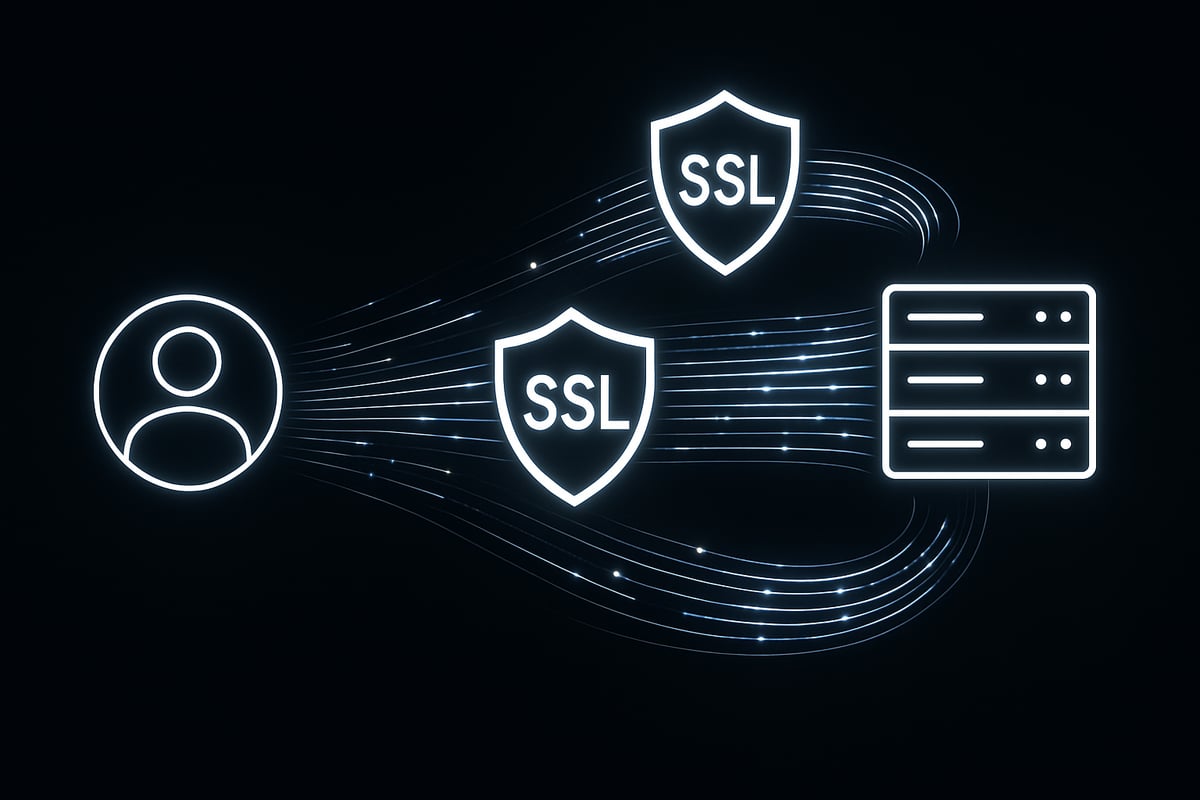
An ssl proxy encrypts all data traveling between your device and the websites you visit. This means your sensitive information, passwords, and personal details are shielded from hackers, ISPs, and even public Wi-Fi snoops.
By adding a strong security layer, ssl proxy solutions help prevent man-in-the-middle attacks and block unauthorized interception. For those wanting more technical detail and best practices, you can learn more in this guide on SSL Proxy Benefits, Installation, and Configuration.
With most online threats targeting unencrypted connections, having this protection is not just smart, it is essential.
Improved Anonymity
An ssl proxy masks your real IP address, making it much harder for websites and trackers to identify or profile you. This is vital for staying anonymous online, especially when conducting sensitive research or simply browsing privately.
By reducing your digital fingerprint, an ssl proxy limits how much advertisers and third parties can track your behavior. If you need to bypass geo-restrictions or conduct anonymous market research, this extra layer of anonymity is a game-changer.
Compatibility and Versatility
Modern websites increasingly require encrypted connections, and an ssl proxy is built for this environment. It works seamlessly with HTTPS-only sites, supporting browsers, mobile apps, and automation tools.
Whether you are streaming, gaming, or automating web tasks, an ssl proxy ensures your connections stay secure and uninterrupted. Its versatility makes it a top choice for both casual users and professionals needing reliable, secure access.
Bypassing Censorship and Restrictions
Governments and ISPs often block access to popular sites and services. With an ssl proxy, you can bypass these restrictions and reach the content you need, no matter where you are.
This is especially useful for accessing platforms like YouTube or Spotify in regions where they are unavailable. By routing your traffic through an encrypted tunnel, an ssl proxy helps you overcome censorship and maintain a truly open internet experience.
Key Arguments and Insights
The ssl proxy is no longer just a tool for tech enthusiasts. It has become essential for anyone who values privacy, security, and unrestricted access online.
With remote work, data privacy regulations, and global content needs on the rise, the demand for ssl proxy services continues to grow rapidly.
Types of SSL Proxies: Forward, Reverse, and More
Choosing the right ssl proxy hinges on understanding the different types available, each tailored to unique security and privacy needs. Let’s break down the core categories, their real-world applications, and why businesses and individuals are adopting hybrid setups for 2025.
Forward SSL Proxies
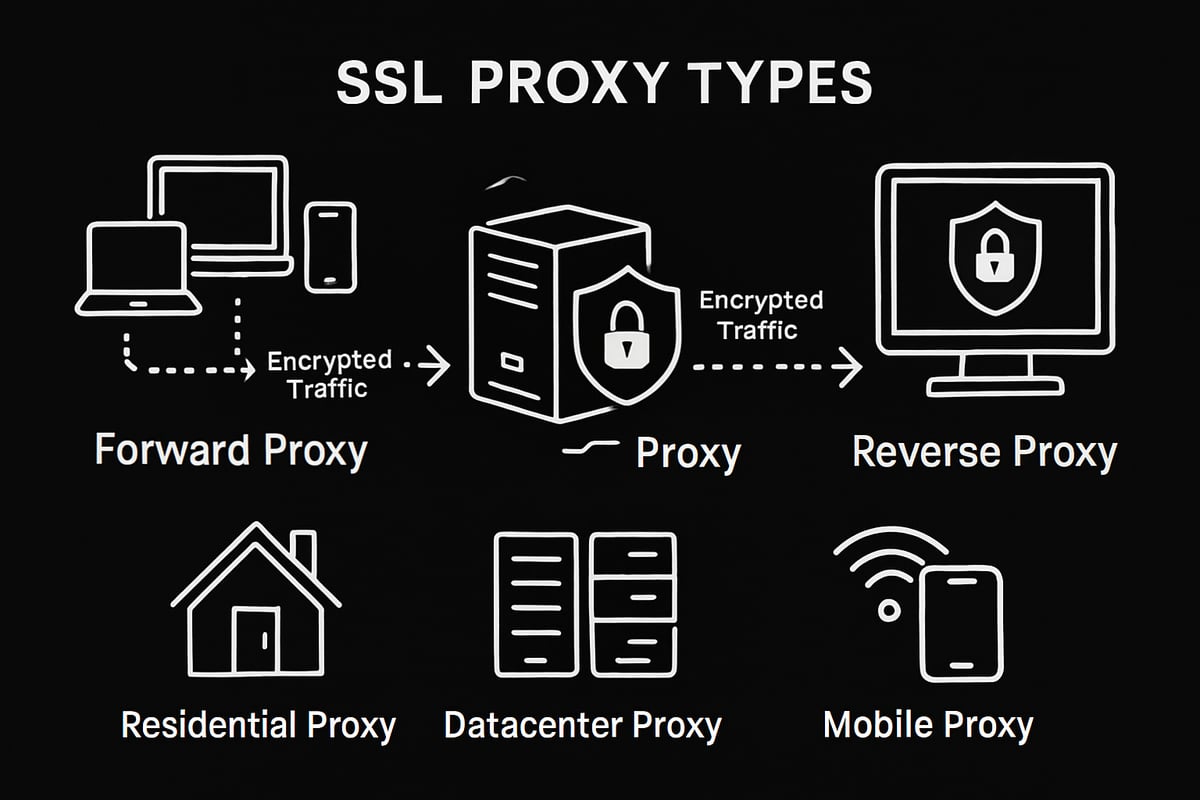
A forward ssl proxy acts as an intermediary between the user and the internet, encrypting outbound traffic for maximum privacy. This setup is common in corporate environments, where organizations want to control and secure employee access to external sites.
Typical use cases include:
- Enforcing content filtering policies
- Protecting sensitive data during web scraping
- Preventing malware from reaching user devices
For example, a company might deploy a forward ssl proxy to ensure all employee web traffic is encrypted and inspected before reaching the open internet. This approach keeps internal data safe and helps organizations comply with data protection regulations.
Reverse SSL Proxies
A reverse ssl proxy sits in front of a web server, handling inbound encrypted connections from clients. This type of ssl proxy is essential for businesses that need to secure customer data and protect web applications from threats.
Common use cases involve:
- Load balancing incoming traffic across multiple servers
- Shielding e-commerce websites from DDoS attacks
- Offloading SSL decryption for better server performance
For instance, an online retailer may use a reverse ssl proxy to decrypt customer transactions, inspect them for threats, and then securely relay the information to backend systems. This ensures sensitive payment data is never exposed directly to the public internet.
Transparent vs. Explicit SSL Proxies
Transparent ssl proxies intercept web traffic without any user configuration, making them invisible to end users. They’re often used in school or public Wi-Fi networks to automatically enforce security policies.
Explicit ssl proxies, on the other hand, require users or devices to be configured to route traffic through the proxy. This approach offers more control and is ideal for corporate settings where compliance and user authentication matter.
Pros and Cons Table:
| Type | Pros | Cons |
|---|---|---|
| Transparent | Easy deployment, invisible | Less user control |
| Explicit | Customizable, secure | Requires configuration |
For example, schools might deploy transparent ssl proxies to filter harmful content, while businesses prefer explicit ssl proxies for precision and auditing.
Residential, Datacenter, and Mobile SSL Proxies
SSL proxies can be classified by the IP addresses they use. Residential ssl proxies use real home IPs, making them highly trusted and less likely to be blocked. Datacenter ssl proxies offer fast speeds and scalability, perfect for large-scale operations. Mobile ssl proxies leverage carrier IPs, ideal for tasks needing a mobile footprint.
Use cases include:
- Residential: web scraping, ad verification
- Datacenter: automation, mass data collection
- Mobile: social media management, localized testing
To dive deeper into the nuances between residential and datacenter proxies, check out this Residential vs. datacenter proxies overview.
Key Arguments and Insights
Selecting the optimal ssl proxy type depends on your specific goals, privacy needs, and performance requirements. Hybrid setups, which blend different proxy types, are on the rise among advanced users seeking the best of all worlds.
As regulations tighten and online threats grow, organizations are combining forward, reverse, and residential ssl proxies to create robust, flexible defenses. This trend is expected to accelerate in 2025 as secure connections become the standard for both personal and business use.
Step-by-Step: How to Set Up and Use an SSL Proxy in 2025
Getting started with an ssl proxy in 2025 is easier than ever, but making the right choices from the outset is key. Let’s break down the process, step by step, to ensure your connections are secure and private.
Preparation and Requirements
Before setting up an ssl proxy, define your goals. Do you need security for web browsing, anonymous data scraping, or access to geo-restricted sites? List your requirements: encryption level, location options, speed, and compatibility with your devices or apps.
Choose a reputable ssl proxy provider with strong privacy policies and a proven track record. Ensure your operating system or application supports proxy settings and SSL/TLS encryption.
If you’re new to proxies, review the Beginner's guide to proxies to understand core concepts. This foundation will help you make informed decisions for your ssl proxy setup.
Obtaining SSL Proxy Credentials
After selecting a provider, sign up and purchase your preferred ssl proxy plan. You’ll typically receive credentials: proxy IP address, port number, username, and password. These details are essential for authentication and secure connections.
Most providers offer a dashboard where you can manage your ssl proxy settings and retrieve your credentials anytime. Always verify that your ssl proxy comes with valid SSL certificates to ensure encrypted traffic.
Store your credentials securely. Never share them with untrusted parties, as they grant access to your encrypted proxy tunnel.
Configuring Your Device or Application
Next, configure your device or application to use the ssl proxy. For browsers like Chrome, Firefox, or Edge, access the proxy settings menu and enter your ssl proxy IP, port, and login details.
To apply ssl proxy settings system-wide on Windows or Mac, use the network or internet settings panel. For bots, scrapers, or automation tools, input the same proxy parameters in the respective configuration fields.
Double check compatibility with your intended applications. Some advanced ssl proxy providers offer automated setup scripts or browser extensions to simplify configuration.
Testing and Troubleshooting
Once configured, test your ssl proxy connection. Visit sites like whatismyip to confirm your IP address matches the proxy location. Use an SSL checker to verify your traffic is encrypted.
If you encounter certificate errors, blocked ports, or DNS leaks, troubleshoot by updating your certificates, adjusting your firewall, or enabling proxy rotation. Common signs of ssl proxy misconfiguration include failed connections, slow speeds, or security warnings.
Regularly test your setup to ensure ongoing privacy and data protection.
Best Practices for Secure Usage
To maximize the benefits of your ssl proxy, follow best practices. Update your proxy credentials regularly and use strong, unique passwords for authentication. Avoid sharing access with others to maintain full control.
Monitor your connection for suspicious activity, such as unexpected IP changes or dropped sessions. Enable two-factor authentication with your provider if available.
Periodically review your ssl proxy provider’s policies and service updates to stay ahead of evolving threats and maintain optimal security.
Example Walkthrough
Let’s walk through setting up an ssl proxy for secure web scraping. First, select a trusted provider and purchase a plan. Retrieve your credentials from the user dashboard.
Open your browser’s proxy settings, input the ssl proxy IP, port, username, and password. Save your changes and verify the connection by accessing a geo-restricted site or running a scraping script.
Optimize performance by choosing proxy servers close to your target websites and rotating IPs if needed. This ensures your ssl proxy remains fast and reliable for all your secure browsing or automation tasks.
Key Use Cases for SSL Proxies in 2025
In 2025, the ssl proxy is transforming how individuals and organizations secure their digital activities. Whether you are gathering data, enabling remote work, or bypassing digital barriers, ssl proxy solutions offer powerful protections and flexibility for a wide range of scenarios.
Web Scraping and Data Collection
The ssl proxy is a staple for secure web scraping and data collection in 2025. Businesses and researchers use it to collect information from encrypted websites without exposing their identity or risking IP bans.
For example, market analysts rely on ssl proxy networks to automate price monitoring and competitor research. These proxies not only encrypt traffic but also help bypass anti-bot measures and CAPTCHAs. If you want a deeper dive into secure scraping techniques, check out this Complete guide to web scraping 2025.
By routing requests through an ssl proxy, sensitive research data stays private and protected.
Secure Remote Work and BYOD Policies
Remote work is booming, and so is the need for secure connections. Companies use ssl proxy setups to protect corporate data on employee devices, especially with bring-your-own-device (BYOD) programs.
With an ssl proxy, every connection between a remote worker and company resources is encrypted. This means sensitive files, login credentials, and communications remain safe from hackers or eavesdroppers.
Hybrid and distributed teams benefit from ssl proxy solutions by ensuring compliance and reducing the risk of data leaks.
Accessing Geo-Restricted and Blocked Content
An ssl proxy enables users to access content that might be restricted based on location or blocked by governments and ISPs.
Imagine trying to stream a video or access news sites while traveling abroad. By connecting through an ssl proxy, you can bypass firewalls and censorship to enjoy services like Spotify, YouTube, or social media platforms regardless of your region.
This capability is crucial for both individuals seeking entertainment and organizations needing global access to digital resources.
Enhanced Privacy for Individuals and Businesses
Privacy is more than a buzzword, and an ssl proxy is key to safeguarding it. Individuals use ssl proxy services to prevent tracking, data harvesting, and unwanted profiling by advertisers or malicious actors.
Businesses leverage ssl proxy solutions to anonymize sensitive research, protect client data, and conduct confidential investigations. For example, journalists and investigators depend on ssl proxy tools to keep their online activities secure and identities hidden.
The ssl proxy ensures that both personal and professional online actions stay private.
Threat Prevention and Network Security
The ssl proxy is a frontline defense against modern cyber threats. By encrypting and inspecting SSL traffic, organizations can block phishing attempts, malware, and malicious content before it reaches end-users.
Corporate security appliances often integrate ssl proxy technology to enforce security policies and monitor suspicious activity. This proactive approach helps prevent data breaches and ensures that only safe, compliant traffic passes through the network.
For organizations of all sizes, deploying an ssl proxy is a smart move for robust threat prevention and network integrity.
Trends and Future Outlook: SSL Proxies and Secure Connections in 2025
Adapting to the rapidly shifting digital landscape is critical for anyone invested in security. As we look to 2025, the role of the ssl proxy continues to evolve, driven by new threats, regulations, and technology. Let’s explore the key trends shaping the future of secure connections.
Increasing Adoption and Evolving Threats
The last few years have seen a surge in ssl proxy adoption, fueled by the relentless rise in cyberattacks and data breaches. Enterprises and individuals alike are integrating ssl proxy solutions into their security stacks to keep pace with evolving threats.
Zero Trust frameworks are gaining traction, with ssl proxy technologies forming a backbone for secure access. For instance, organizations now embed ssl proxy layers in Secure Access Service Edge (SASE) architectures, ensuring every connection is encrypted and authenticated.
Regulatory and Compliance Considerations
As privacy laws like GDPR and CCPA tighten, ssl proxy solutions are increasingly used to meet compliance demands. They help organizations enforce data localization, monitor traffic, and maintain audit trails for regulatory reporting.
Financial and healthcare sectors, in particular, rely on ssl proxy configurations to control sensitive data flows. By enabling deeper traffic inspection, ssl proxy tools ensure that only compliant, encrypted communications are allowed, reducing the risk of costly violations.
Technological Advancements
Technology around ssl proxy is advancing quickly, with AI-driven management and real-time traffic analysis becoming mainstream. Features like automated proxy rotation and dynamic IP allocation are now essential for advanced use cases.
For a deep dive into how these innovations are shaping the future, check out Mastering Proxies in 2025: Types, Security, and Implementation. These advancements mean ssl proxy performance and anonymity will only get stronger, supporting everything from web scraping to mission-critical business operations.
Challenges and Limitations
Despite their benefits, ssl proxy setups are not without challenges. Performance bottlenecks and increased latency can occur, especially if proxies are misconfigured or overloaded. Trusting your provider is crucial, as poor security practices can introduce new risks.
To mitigate these issues, regular audits and choosing reputable vendors are recommended. Combining ssl proxy tools with layered security measures helps organizations stay resilient against both technical and compliance-related pitfalls.
Key Arguments and Insights
Looking ahead, ssl proxy solutions are set to remain a foundation for private, secure internet access. Integrating proxies with other security tools like firewalls and threat intelligence platforms is becoming the new standard.
The ssl proxy landscape will keep evolving, but its core mission - protecting data and privacy - will only grow in importance as cyber threats and privacy expectations continue to rise.
Choosing the Right SSL Proxy Provider: What to Look For
Selecting the right SSL proxy provider is crucial for anyone who values privacy, security, and performance. With so many options available in 2025, knowing what to prioritize can make all the difference in your online experience.
Essential Criteria for Selection
When evaluating an SSL proxy provider, focus on robust encryption standards and a clear zero-log policy. Check for features like high-speed connections, consistent uptime, and generous bandwidth limits. For example, some providers offer up to 10Gbps bandwidth and a global IP pool, making them ideal for demanding tasks.
Security is non-negotiable. Always ensure the provider supports SSL/TLS encryption and validates SSL certificates properly. If you want to understand more about secure setup, this How to Set Up an HTTPS Proxy Server guide covers the basics of SSL certificate installation and proxy configuration.
Types of Proxies Offered
A comprehensive SSL proxy provider should offer a variety of proxy types. Look for options like datacenter, mobile, residential, and even TOR proxies. Support for both IPv4 and IPv6 is becoming increasingly important for compatibility.
Some advanced providers now offer hybrid SSL proxy solutions, combining different proxy types for maximum flexibility. This can be especially useful if your needs change over time or you want to balance speed and anonymity.
Privacy and Anonymity Guarantees
Privacy is at the heart of any SSL proxy. Choose providers with strict no-log policies and transparent privacy practices. Fast proxy rotation and a diverse pool of IP addresses further enhance your anonymity.
For users needing maximum stealth, some services now offer IP rotation as fast as 1ms. This feature is invaluable for sensitive projects where avoiding detection is a top priority.
Customer Support and Usability
Responsive customer support can make or break your experience with an SSL proxy provider. Seek out companies offering 24/7 support via channels like Discord or email. A user-friendly dashboard, automated API access, and real-time monitoring tools also simplify management.
Automated tools help you track usage, switch proxies, and resolve issues quickly. These usability features are essential, especially for businesses managing multiple connections or large-scale projects.
PinguProxy: High-Speed, Secure SSL Proxy Solutions
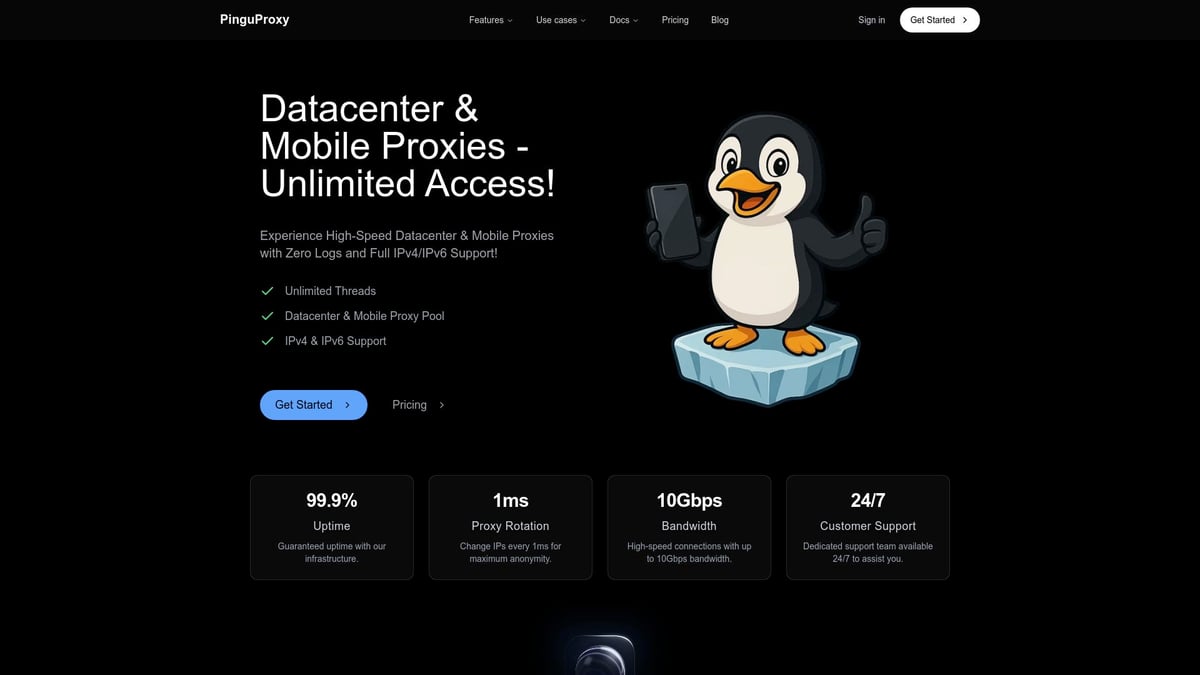
PinguProxy delivers high-speed datacenter and mobile proxies with SSL support, zero-log privacy, and 1ms IP rotation. Features include unlimited bandwidth, IPv4/IPv6 compatibility, and 24/7 customer support. This makes PinguProxy ideal for secure web scraping, gaming, and accessing restricted services worldwide.
 Now that you know how SSL proxies can secure your online connections in 2025, it’s the perfect time to take action. Whether you’re looking to protect your privacy, access global content, or simply browse with peace of mind, having a reliable proxy partner makes all the difference. With features like zero logs, fast proxy rotation, and 24 7 support, you’re set up for success no matter your use case. If you’re ready to put these powerful tools into practice and enjoy a safer internet experience, Get Started Now.