
7 Best Residential IPs for Secure Browsing in 2025
Online privacy is more important than ever as we head into 2025. Users everywhere want secure browsing that keeps their data safe from prying eyes and avoids annoying restrictions.
That’s where residential ips shine. These specialized tools help you bypass geo-blocks, defeat CAPTCHAs, and browse without surveillance. In this guide, we’ll review and compare the 7 best residential IP providers for secure browsing in 2025.
You’ll find out what residential ips are, why they matter, how to choose the right provider, and which services truly deliver. Ready to take control of your privacy? Let’s get started.
What Are Residential IPs and Why Are They Essential for Secure Browsing?
The internet in 2025 is a battleground for privacy. Users are constantly seeking new ways to browse securely, and residential IPs have become the secret weapon of choice. But what exactly are residential IPs, and why do they matter so much for secure browsing?
Definition and Core Concept
Residential IPs are real IP addresses assigned to actual households by internet service providers. Unlike datacenter or mobile proxies, which originate from servers or mobile networks, residential IPs mimic genuine user connections. This authenticity makes them less likely to be detected or blocked by websites.
For example, when you use residential IPs to access streaming services, manage e-commerce accounts, or automate social media, you appear as a typical home user. This helps bypass geo-restrictions and CAPTCHAs with ease. Leading providers like SOAX and IPRoyal emphasize ethical sourcing, ensuring their residential IPs come from real users who consent to share their bandwidth. If you're curious about how residential IPs compare to other proxy types, check out this in-depth Residential Proxies vs. Other Proxy Types guide.
Key Benefits of Using Residential IPs
Choosing residential IPs for your online activities unlocks several advantages:
- Enhanced anonymity and privacy protection for all users.
- Reliable access to services and content restricted by region.
- Lower risk of IP blacklisting compared to datacenter proxies.
- Smoother browsing experiences with fewer interruptions.
- Essential for web scraping, ad verification, and in-depth market research.
With residential IPs, your connection blends in with genuine internet traffic, making it harder for websites to detect automation or block your activities. This stability is crucial for businesses and individuals who rely on consistent access.
Security and Privacy in 2025: New Threats and Trends
The digital landscape of 2025 is more challenging than ever. Cyber threats, government surveillance, and aggressive data collection are constantly evolving. AI-powered detection systems and stricter geo-blocking now target even the most sophisticated users.
Residential IPs stand out as a robust solution. They help users stay ahead of advanced anti-bot mechanisms and emerging privacy threats. With features like rapid IP rotation and encrypted connections, residential IPs provide a critical layer of defense for anyone serious about online security in 2025.
Who Needs Residential IPs?
Residential IPs are not just for tech experts. They serve a wide range of users:
- Privacy-conscious individuals seeking to avoid tracking.
- Businesses and marketers conducting research or running ad campaigns.
- Researchers scraping data for insights and analysis.
- Gamers bypassing regional restrictions for better gameplay.
SOAX and IPRoyal report that their customer base includes everyone from freelancers to Fortune 500 companies. Whether you're automating social media, collecting competitive intelligence, or simply streaming your favorite shows, residential IPs offer the flexibility and protection you need.
How to Choose the Best Residential IP Provider: Evaluation Criteria for 2025
Choosing the right residential ips provider in 2025 is crucial for secure and seamless browsing. With so many options, it’s easy to get lost in technical jargon and marketing promises. Let’s break down the essential criteria you should consider, so you can confidently select a service that fits your privacy, performance, and budget needs.
Core Features to Look For
When evaluating residential ips, start with the basics. The size and diversity of the IP pool matter - a larger pool (like 155M+ IPs across 195+ locations) means less chance of running into blocks or bans. Check for protocol support, such as HTTP(S), SOCKS5, and even IPv6, to ensure compatibility with your tools.
IP rotation options are key: rotating proxies switch your IP with every request for maximum anonymity, while sticky sessions let you keep the same IP for longer. Geo-targeting is another must-have - being able to choose country, city, or ASN helps you appear as a real user in specific locations.
Want a deeper dive into how residential ips compare to datacenter and mobile proxies? See this Different types of proxies explained overview for more insights.
Lastly, make sure the provider offers easy integration with browsers, devices, and automation platforms. This flexibility will save you time and headaches.
Security and Privacy Standards
Security is non-negotiable when it comes to residential ips. Look for providers that enforce a strict zero-log policy; your activities should never be tracked or stored. Ethical IP sourcing is also critical - ensure the company obtains IPs with real user consent, minimizing legal risks.
Compliance with recognized standards, such as SOC 2 or ISO 27001, signals that the provider takes your privacy seriously. Data encryption and secure authentication add extra layers of protection against interception or misuse.
Transparency is a true differentiator. Trustworthy residential ips providers publish clear policies on how they handle data and source their IPs. This openness helps you stay compliant and keeps your browsing safe.
Performance and Reliability
Performance can make or break your experience with residential ips. High network uptime (99.9% or more) means your connection stays stable, while fast proxy response times (as low as 0.55 seconds) reduce delays.
Success rates matter - look for providers boasting 99.95% or higher for web scraping and browsing. Unlimited concurrent sessions and bandwidth ensure you can multitask without hitting limits, which is vital for power users and businesses.
Don’t overlook support. 24/7 customer service across multiple channels is a lifesaver if you hit a snag or need quick setup help. Reliable residential ips providers are always there when you need them.
Pricing, Flexibility, and User Experience
Pricing models for residential ips vary widely. Some offer pay-as-you-go rates, while others provide monthly plans or trial offers. For example, SOAX starts at $0.32/GB, while IPRoyal offers rates from $1.75/GB - compare these to ensure the best value for your needs.
Easy integration is a big plus. Look for user-friendly dashboards, browser extensions, and detailed APIs to streamline your workflow. Customization options, like session length or output format, let you tailor the service to your specific use case.
Finally, real customer reviews on platforms like Trustpilot or G2 reveal the true user experience. Prioritize residential ips providers with positive feedback and transparent pricing to make an informed decision.
7 Best Residential IPs for Secure Browsing in 2025
Choosing the right residential ips provider in 2025 can be overwhelming. With privacy risks rising and new anti-bot systems evolving, finding a service that balances security, speed, and ethical sourcing is crucial.
Below, we break down the 7 best residential ips providers for secure browsing in 2025. Each review highlights unique strengths, pricing, and the best use cases, so you can find the perfect fit for your needs.
PinguProxy
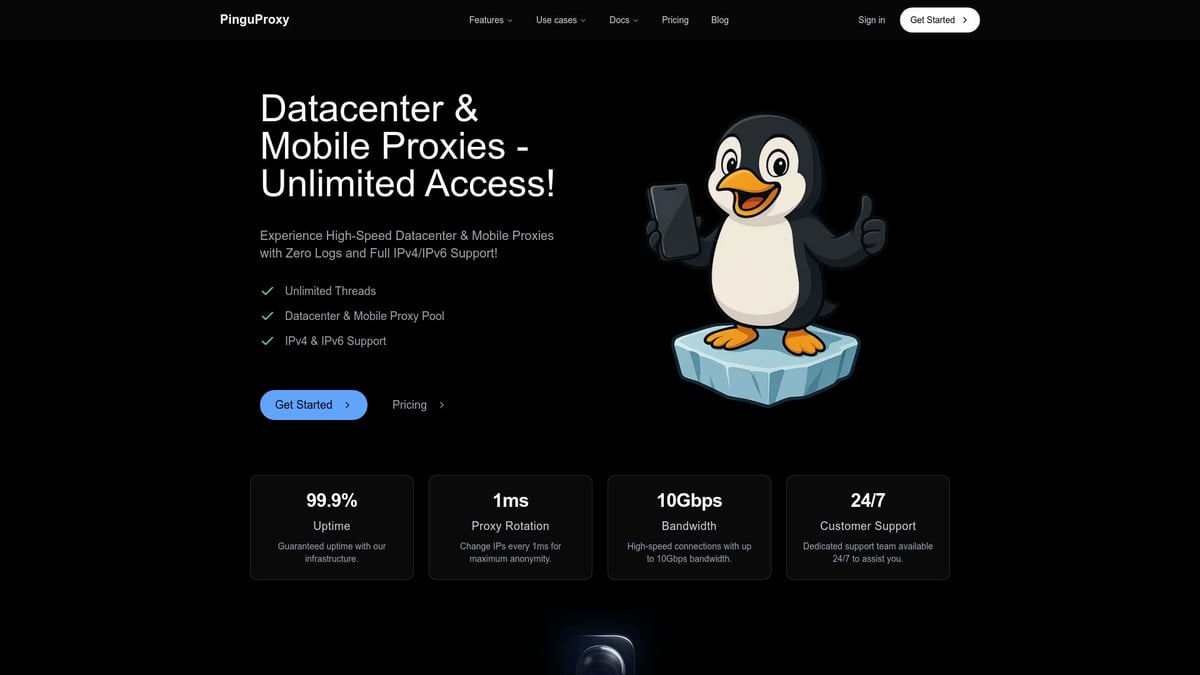
PinguProxy stands out for its flexible proxy solutions, even though it currently focuses on datacenter and mobile proxies rather than residential ips. Pricing starts at $19.99/month, covering datacenter and mobile proxies with unlimited bandwidth.
Core features:
- High-speed datacenter and mobile proxies
- IPv4/IPv6 support
- 1ms proxy rotation
- Zero-log policy for privacy
- 10Gbps bandwidth
- Free TOR and mobile proxy with every plan
Key benefits:
PinguProxy offers maximum privacy and rapid IP rotation, making it harder for sites to track or block you. The intuitive dashboard and 24/7 customer support ensure a smooth experience for both beginners and power users. Unlimited threads and IPs per proxy mean you can tackle demanding tasks without limits.
Ideal use cases:
While not a pure residential ips provider, PinguProxy is ideal for web scraping, gaming, accessing restricted services, social media management, and ad verification - especially when speed and privacy matter most.
Pros:
- All-in-one proxy solution
- Unlimited access
- Privacy-first approach
- Global coverage
Cons:
- No direct residential ips support (focuses on datacenter/mobile)
SOAX
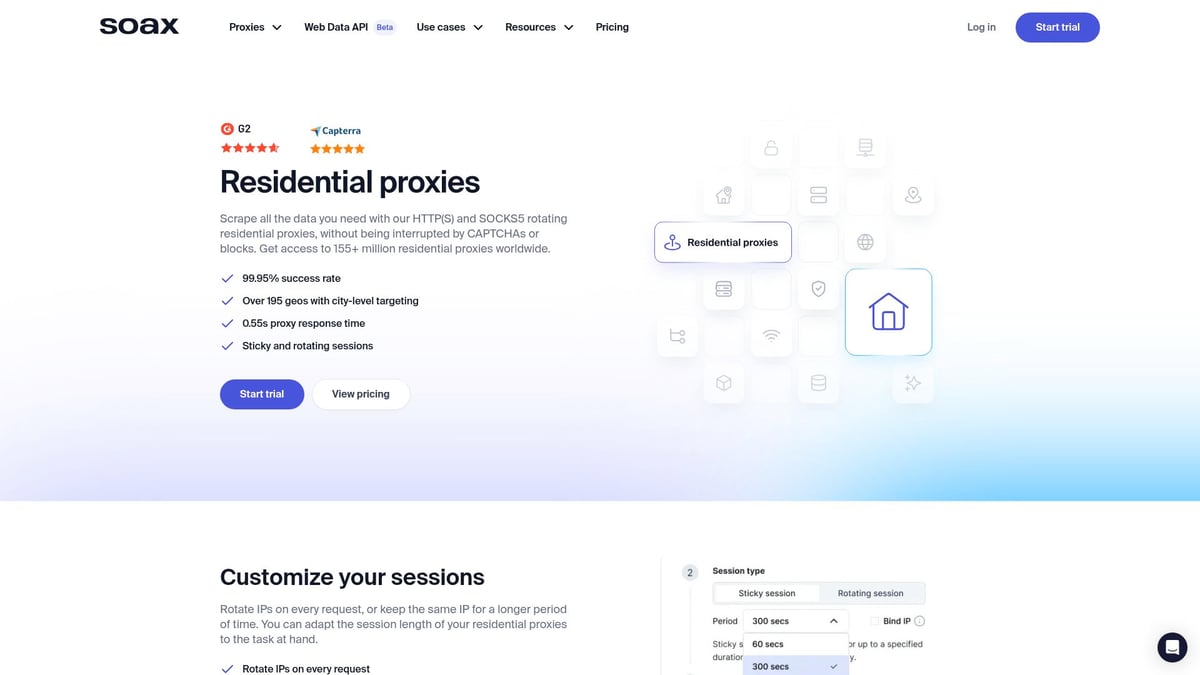
SOAX is a leader in the residential ips space, offering one of the largest pools on the market. Pricing starts at $0.32/GB for enterprise users, $2.00/GB for business plans, plus a 3-day trial for $1.99.
Core features:
- 155M+ ethically sourced IPs
- 195+ geo-locations for extensive targeting
- Supports HTTP(S), SOCKS5, UDP, QUIC
- Sticky and rotating sessions
- Advanced geo-targeting by country, city, ASN
Key benefits:
SOAX delivers a 99.95% success rate and ultra-fast 0.55s response times, making it a top choice for reliable residential ips. Unlimited concurrent sessions, customizable session lengths, and both API and dashboard access give users total control.
Ideal use cases:
Perfect for data collection, market research, ad verification, e-commerce, and social media automation - anywhere you need resilient, undetectable residential ips.
Pros:
- Massive global IP pool
- Flexible, developer-friendly plans
- Ethical sourcing
- SOC 2/ISO 27001 certified
Cons:
- Premium features add up for smaller users
IPRoyal
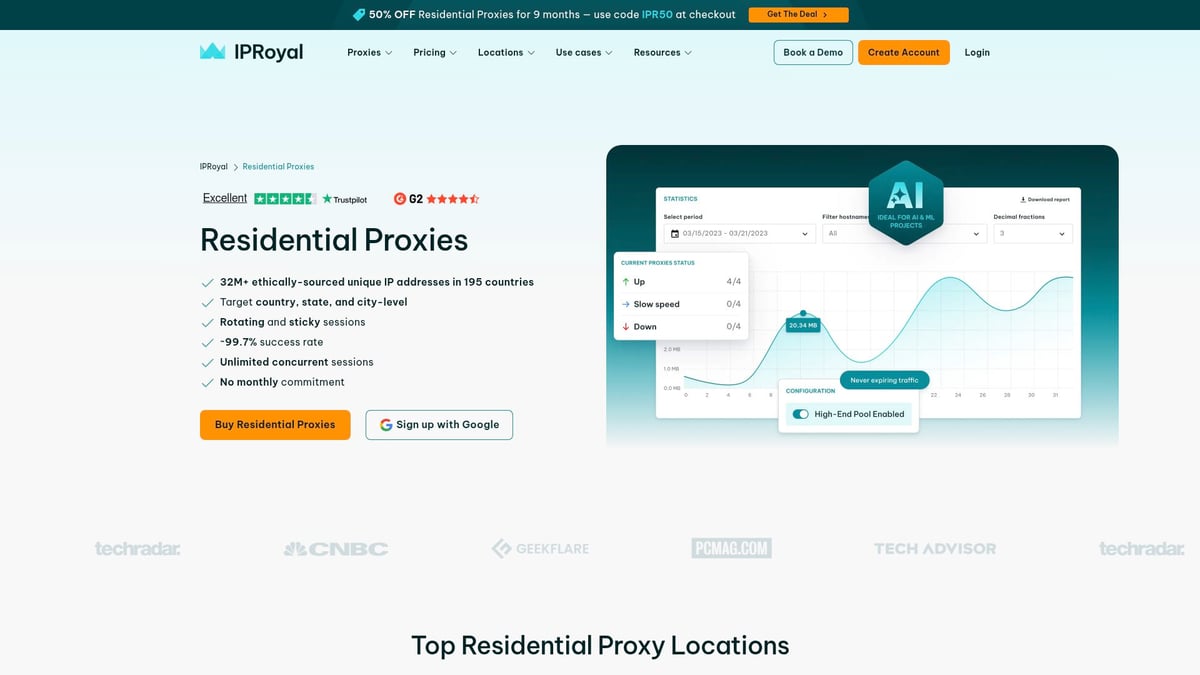
IPRoyal offers affordable, flexible residential ips with a pay-as-you-go model starting at $1.75/GB and no monthly commitments.
Core features:
- 32M+ unique IPs across 195 countries
- Country, state, and city-level targeting
- Rotating and sticky sessions
- Unlimited concurrent sessions
Key benefits:
With a high success rate around 99.7%, IPRoyal’s residential ips are reliable for long scraping or automation sessions. The lack of contracts and global coverage makes it easy for users to scale up or down as needed.
Ideal use cases:
Excellent for web scraping, SEO monitoring, travel aggregation, and social media management - especially if you need flexible, precise targeting.
Pros:
- Flexible, affordable pricing
- Strong targeting controls
- High reliability
Cons:
- Smaller IP pool than top competitors
Bright Data
Bright Data is known for its advanced, enterprise-grade residential ips. Pricing starts at $15/GB, with volume discounts for large-scale users.
Core features:
- 72M+ residential IPs worldwide
- Advanced targeting (ASN, city, carrier)
- Real-time IP rotation
- Browser extension and API access
Key benefits:
Bright Data specializes in robust compliance and industry-leading data collection tools. Their residential ips offer high success rates and 24/7 support, making them ideal for demanding enterprise tasks.
Ideal use cases:
Enterprise-level data extraction, ad verification, brand protection, and e-commerce intelligence. Perfect for businesses needing advanced targeting and reliability.
Pros:
- Advanced features and analytics
- Strong compliance focus
- Global reach
Cons:
- Higher cost for small users
- Complex setup for beginners
Smartproxy
Smartproxy is a favorite for those new to residential ips, offering a balance of affordability and ease of use. Starter pricing begins at $8.50/GB with flexible monthly plans.
Core features:
- 55M+ residential IPs
- HTTP(S) & SOCKS5 support
- Unlimited threads
- Country, state, and city targeting
Key benefits:
The user-friendly dashboard and fast setup process make Smartproxy accessible even for beginners. Live chat support is available 24/7, and a browser extension streamlines integration.
Ideal use cases:
Great for social media automation, SEO projects, sneaker copping, and ticketing - tasks where quick, undetected access is critical.
Pros:
- Affordable entry-level plans
- Beginner-friendly interface
- Reliable customer service
Cons:
- Smaller IP pool than some leaders
- Fewer advanced targeting options
For a broader industry comparison, check out this Top Residential Proxy Providers 2025 guide, which benchmarks the residential ips market.
Oxylabs
Oxylabs delivers a massive residential ips pool and enterprise-grade features. Starter pricing is $8/GB, with both pay-as-you-go and monthly options.
Core features:
- 100M+ residential IPs
- Country, city, and ASN targeting
- Rotating and sticky proxies
- API access with detailed analytics
Key benefits:
High network uptime and transparent compliance make Oxylabs ideal for large-scale projects. The robust infrastructure supports high-volume scraping and SERP tracking.
Ideal use cases:
Large-scale data scraping, price monitoring, ad verification, and SERP tracking - especially for advanced users needing reliability and analytics.
Pros:
- Massive IP pool
- Enterprise-grade features
- Strong compliance and analytics
Cons:
- Higher entry-level pricing
- Best suited for advanced users
NetNut
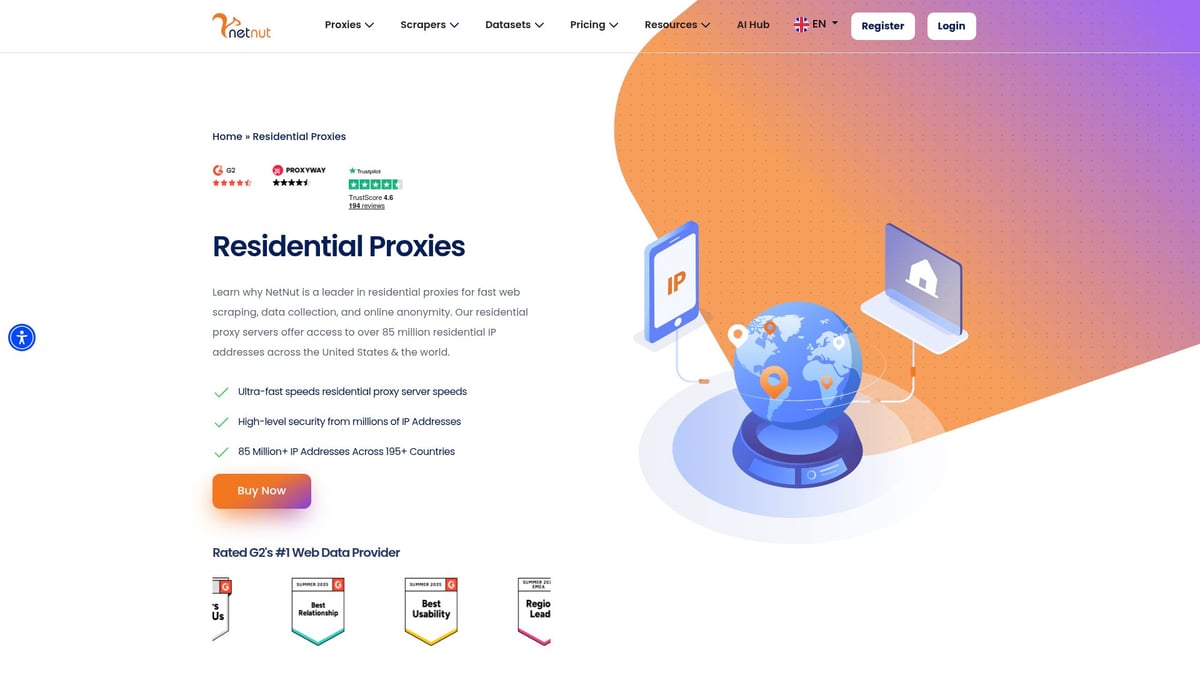
NetNut’s residential ips are powered by direct ISP connectivity, delivering low latency and high speed. Pricing starts at $7/GB, with custom enterprise plans available.
Core features:
- 52M+ residential IPs
- Direct ISP routing (no peer-to-peer)
- Static and rotating proxies
- API and browser extension
Key benefits:
NetNut’s direct ISP model ensures fast, stable connections, making these residential ips ideal for high-speed, data-intensive tasks. Real-time IP rotation helps avoid detection and blocks.
Ideal use cases:
Best for e-commerce, travel aggregation, ad verification, and competitive intelligence where speed and stability are essential.
Pros:
- Fast connections
- Direct routing for stability
- Scalable for business
Cons:
- Smaller IP pool than some competitors
- Fewer customization options for small users
Use Cases: How Residential IPs Power Secure Browsing in 2025
In 2025, residential ips play a vital role in unlocking the full power of secure browsing. Whether you’re looking to stream content from anywhere, collect data at scale, automate social media, or simply browse without leaving a trace, these proxies enable users to stay one step ahead. Let’s explore the most impactful use cases for residential ips this year.
Bypassing Geo-Restrictions and Content Blocks
Accessing global content is easier than ever with residential ips. Imagine streaming Netflix or Hulu while traveling or living in a country with strict content blocks. These proxies provide a local digital footprint, making it appear as if you’re browsing from your chosen region.
- Unlock region-locked streaming platforms
- Access news and sports unavailable in your country
- Reduce the risk of detection by streaming services
Providers like SOAX offer residential ips in over 195 locations, ensuring flexibility and uninterrupted access. This local presence is crucial for students, expats, or businesses needing to overcome digital borders. With residential ips, you can always stay connected to the content you love.
Web Scraping and Data Collection
For businesses and researchers, residential ips are the backbone of modern web scraping. Gathering public data, such as product prices or competitor insights, requires reliable access without getting blocked. Unlike datacenter proxies, residential ips mimic real user behavior, helping you avoid CAPTCHAs and IP bans.
- Large-scale price monitoring for e-commerce
- Market research and trend analysis
- Aggregating travel or hotel data for comparison
Success rates with providers like IPRoyal and Oxylabs often exceed 99.7%, making residential ips essential for seamless operations. For a deeper dive into best practices and setup, check out this Complete guide to web scraping 2025. Maximizing your data strategy has never been easier.
Social Media and Ad Verification
Managing multiple social media accounts or verifying ads in different locations requires stealth and variety. Residential ips provide undetectable, diverse connections that prevent bans and ensure accurate testing for marketers and agencies.
- Automate posting or engagement across platforms
- Verify local ad placements for compliance
- Test campaigns as a native user in target markets
Smartproxy and NetNut are popular choices for social media automation, thanks to their robust residential ips pools. By rotating IPs, you can safely scale outreach and maintain a trustworthy reputation online. This approach is fundamental for digital marketers and influencers in 2025.
Privacy, Security, and Anonymity
In an era of rising surveillance and data breaches, residential ips serve as a shield for your online identity. With zero-log policies, encrypted connections, and rapid IP rotation, users can browse securely without fear of tracking or profiling.
- Protect against cyber threats and intrusive ads
- Maintain anonymity for sensitive research
- Prevent ISPs and platforms from collecting personal data
Bright Data and PinguProxy emphasize privacy-first features, making residential ips a trusted solution for journalists, activists, and anyone valuing digital freedom. Staying anonymous online isn’t just a preference - it’s a necessity in 2025.
Frequently Asked Questions About Residential IPs for Secure Browsing
Whether you’re new to residential ips or just want to deepen your understanding, these frequently asked questions will help clarify the essentials. Let’s tackle the most common queries for 2025.
Are Residential IPs Legal and Safe to Use?
Residential ips are legal to use in most countries, provided you choose a reputable provider and use them ethically. The legality often depends on both how the residential ips are sourced and your intent. Always opt for providers with transparent practices and ethical sourcing to avoid pitfalls.
For instance, Ethical proxy usage insights can help you understand best practices and compliance. To stay safe, avoid activities that violate terms of service or local laws. Responsible use of residential ips ensures privacy without crossing ethical boundaries.
How Do Rotating and Sticky Sessions Work?
Rotating and sticky sessions are core features of residential ips. With rotating sessions, your IP address changes with every connection or request, making tracking you nearly impossible. This maximizes anonymity and is ideal for high-volume scraping or avoiding detection.
Sticky sessions, on the other hand, assign you the same residential IP for a set duration. This is perfect for tasks needing session consistency, like logging into accounts or completing transactions. Most top providers offer both options, allowing you to choose the best fit for your needs.
What’s the Difference Between Residential, Datacenter, and Mobile Proxies?
Understanding the distinctions between proxy types is key when choosing residential ips. Residential proxies route traffic through real devices, making your activity appear as if it’s from a genuine user. This grants higher anonymity and lowers the risk of bans.
Datacenter proxies, by contrast, originate from cloud servers. They’re fast but easier to detect and block. Mobile proxies use actual mobile networks, which are preferred for mobile-specific tasks. Picking the right type depends on your project and security needs.
How to Set Up and Integrate Residential Proxies?
Setting up residential ips is easier than ever in 2025. Most providers offer intuitive dashboards, browser extensions, and API support. You can connect via cURL, Python scripts, or directly in your favorite browser. Integration with automation tools is usually seamless.
For a step-by-step approach, check out the Beginner's guide to proxies. It covers setup basics, troubleshooting, and tips for maximizing security. Always follow provider documentation and support channels for the smoothest experience.
Comparison Table: Quick Overview of the 7 Best Residential IP Providers
Looking for a snapshot comparison of the top residential ips in 2025? The table below breaks down the essentials - IP pool size, locations, protocols, pricing, unique features, use cases, and customer ratings - to help you quickly evaluate which provider fits your privacy, security, and data needs best.
| Provider | IP Pool Size | Locations | Protocols | Pricing (From) | Unique Features | Best For | Customer Ratings |
|---|---|---|---|---|---|---|---|
| PinguProxy | Datacenter & Mobile (unlimited) | Global | HTTP(S), SOCKS5, IPv4/6 | $19.99/mo | 1ms rotation, unlimited bandwidth, TOR included | Privacy, scraping, gaming | 4.8/5 (Trustpilot) |
| SOAX | 155M+ | 195+ countries | HTTP(S), SOCKS5, UDP, QUIC | $0.32/GB | Ethical sourcing, advanced geo-targeting, SOC 2 | Market research, automation | 4.7/5 (G2) |
| IPRoyal | 32M+ | 195 countries | HTTP(S), SOCKS5 | $1.75/GB | No contracts, city/state targeting | SEO, travel, scraping | 4.6/5 (Trustpilot) |
| Bright Data | 72M+ | 195+ countries | HTTP(S), SOCKS5 | $15/GB | ASN/carrier targeting, browser extension | Enterprise data, brand protection | 4.6/5 (G2) |
| Smartproxy | 55M+ | 195+ countries | HTTP(S), SOCKS5 | $8.50/GB | Unlimited threads, live chat | Social, SEO, ticketing | 4.8/5 (Trustpilot) |
| Oxylabs | 100M+ | 195+ countries | HTTP(S), SOCKS5 | $8/GB | Analytics, high uptime, compliance | Large-scale scraping | 4.7/5 (G2) |
| NetNut | 52M+ | 100+ countries | HTTP(S), SOCKS5 | $7/GB | Direct ISP, static/rotating proxies | E-commerce, ad verification | 4.5/5 (Trustpilot) |
This comparison table gives you a clear overview of the best residential ips available in 2025. Each provider brings its own strengths, whether you need the largest IP pool, top compliance, or the most affordable entry point. For a deeper dive into performance, features, and up-to-date pricing, check out the Best Residential Proxies Compared in 2025.If you’re ready to take your online privacy and security to the next level, now’s the perfect time to put what you’ve learned into action. We’ve explored why residential IPs are essential for secure browsing in 2025, how to spot the best providers, and what features matter most. Whether you’re looking to bypass geo-blocks, keep your data safe, or manage multiple accounts, the right residential IP can make all the difference. \
Curious about the costs and features that fit your needs? \
See Plans & Pricing and start your journey toward safer, more private browsing today.