
App Proxy: Essential Guide for Privacy & Performance
An app proxy serves as a critical intermediary between applications and their target servers, enabling enhanced privacy, security, and network management capabilities. Unlike traditional web proxies that work exclusively with browsers, app proxy solutions operate at the application layer to route traffic from mobile apps, desktop software, and background services through designated proxy servers. In 2026, businesses and individuals increasingly rely on this technology to protect sensitive data, bypass geographic restrictions, and optimize network performance across diverse use cases.
Understanding App Proxy Architecture
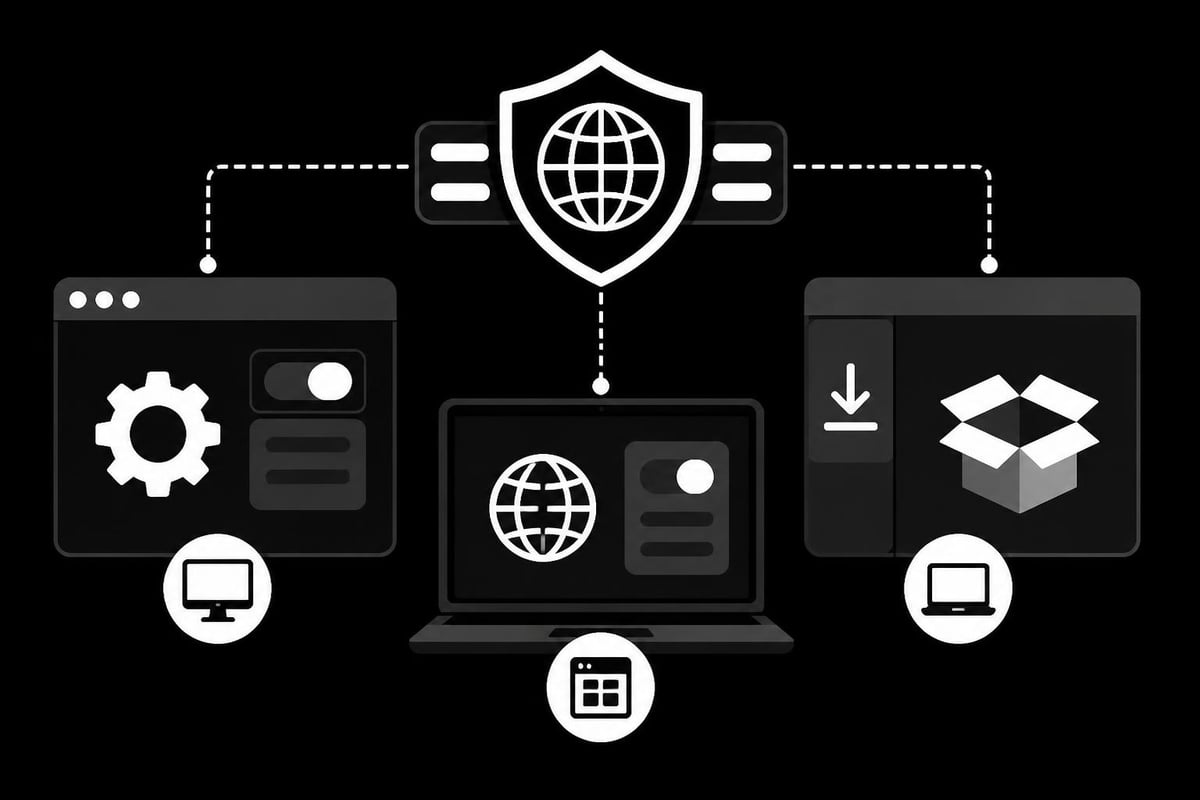
An app proxy functions by intercepting outbound connections from applications and redirecting them through one or more proxy servers before reaching their final destination. This process creates a protective layer between the application and the internet, masking the original IP address and providing additional security controls.
The architecture typically involves three main components working in concert:
- Client application with proxy configuration or integration
- Proxy server infrastructure handling traffic routing and management
- Target servers receiving requests through the proxy layer
Modern implementations support multiple proxy protocols including HTTP, HTTPS, SOCKS4, and SOCKS5, with SOCKS5 emerging as the preferred choice for application-level proxying due to its versatility and support for TCP and UDP traffic. Tools like Super Proxy demonstrate how app proxy solutions can tunnel all applications through HTTP or SOCKS5 servers without requiring root access.
Key Differences from Traditional Web Proxies
While web proxies focus exclusively on browser traffic, an app proxy extends coverage to any application generating network requests. This distinction becomes crucial when working with mobile apps, desktop software, gaming clients, or automated scripts that don't utilize standard web browsers.
App proxies offer several advantages:
- Application-specific routing - Direct individual apps through different proxy servers
- Protocol flexibility - Support for non-HTTP protocols like FTP, SMTP, or custom application protocols
- System-wide coverage - Route all network traffic from a device through proxy infrastructure
- Enhanced authentication - Support for username/password or IP-based authentication methods
The Privoxy web proxy exemplifies advanced filtering capabilities that enhance privacy by modifying HTTP headers and controlling access at the application level.
Implementation Methods for App Proxy Solutions
Organizations and individuals can implement app proxy functionality through several approaches, each suited to different technical requirements and use cases. The selection depends on factors like operating system compatibility, application support, and desired level of control.
| Implementation Method | Technical Level | Flexibility | Best For |
|---|---|---|---|
| System-wide proxy settings | Beginner | Low | Simple setups, single proxy |
| Application-specific configuration | Intermediate | Medium | Selective app routing |
| Proxy client software | Intermediate | High | Multiple apps, rule-based routing |
| VPN + proxy hybrid | Advanced | Very High | Maximum privacy and control |
System-Level Configuration
Most operating systems provide built-in proxy settings that apply to network-aware applications. On iOS and macOS devices, WebProxyTool enables users to intercept and analyze HTTP/HTTPS traffic, making it invaluable for debugging and security auditing.
Configuration steps vary by platform:
- Windows users access proxy settings through Network & Internet settings
- macOS provides proxy configuration in System Preferences under Network
- iOS devices require manual proxy setup per Wi-Fi network
- Android offers system-wide proxy settings plus per-app configuration
For developers working on Mac and iOS platforms, Proxygen provides specialized functionality to intercept and test HTTP traffic during the development process.
Application-Specific Proxy Setup
Many applications support direct proxy configuration within their settings, allowing granular control over which services use proxy infrastructure. This approach proves particularly valuable when working with web scraping tools or automated data collection systems.
Popular applications with native proxy support include:
- Web browsers (Chrome, Firefox, Safari)
- Email clients (Outlook, Thunderbird)
- File transfer applications (FileZilla, Cyberduck)
- Development tools (Postman, curl, wget)
- Social media management platforms
When configuring an app proxy for specialized use cases like Instagram automation, mobile proxies offer superior success rates due to their authentic mobile IP addresses that platforms trust more than datacenter alternatives.
Security and Privacy Benefits
The primary motivation for implementing an app proxy centers on enhanced security and privacy protection. By routing application traffic through intermediary servers, users gain multiple layers of protection against surveillance, data collection, and network-based attacks.
IP Address Masking and Anonymity
Every application making network requests exposes the device's real IP address to target servers, creating a detailed trail of online activities. An app proxy replaces this identifying information with the proxy server's IP address, effectively anonymizing the connection source.
Privacy advantages include:
- Location obfuscation - Hide your true geographic location from services and websites
- Activity separation - Isolate different applications using distinct proxy endpoints
- ISP monitoring prevention - Encrypt traffic between your device and proxy server
- Tracking mitigation - Prevent cross-service tracking based on IP correlation
Research into systems like PrivacyProxy demonstrates how outbound traffic monitoring can detect and mitigate information leakage, highlighting the importance of proper proxy implementation.
Data Encryption and Protection
Modern app proxy implementations incorporate encryption protocols to secure data in transit between the client application and proxy server. This becomes especially critical when using public Wi-Fi networks or untrusted connections where traffic interception poses significant risks.
High-performance proxy providers supporting 10Gbps bandwidth ensure that security measures don't compromise application performance, maintaining the balance between protection and usability that enterprise users require.
Performance Optimization Strategies
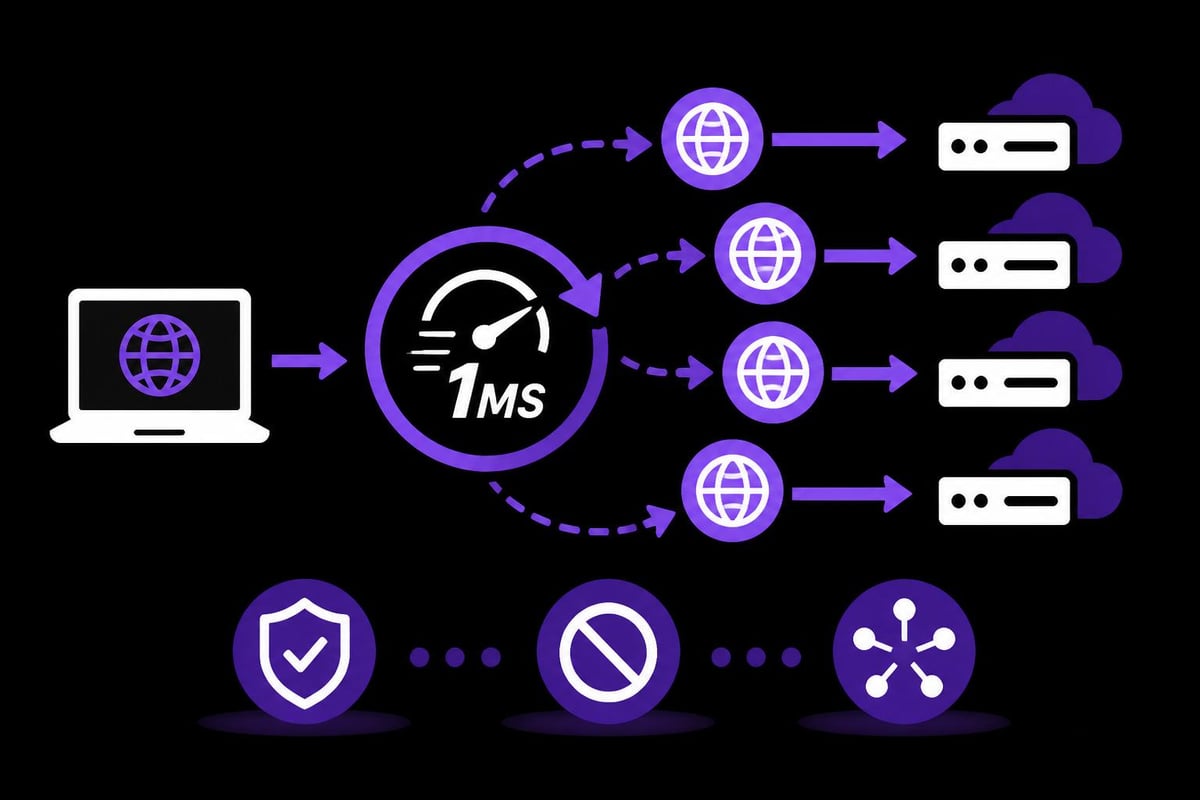
While security drives initial app proxy adoption, performance optimization keeps users engaged with the technology. Properly configured proxy infrastructure can actually improve application response times through intelligent routing, caching, and connection pooling.
Connection Speed Factors
Several variables influence the overall speed when routing traffic through an app proxy:
| Factor | Impact Level | Optimization Strategy |
|---|---|---|
| Geographic distance | High | Choose proxies near target servers |
| Server load | Medium | Use providers with load balancing |
| Bandwidth allocation | High | Select high-bandwidth proxy plans |
| Protocol overhead | Low | Prefer SOCKS5 for non-HTTP traffic |
| Proxy rotation speed | Medium | Implement fast rotation mechanisms |
Services offering 1ms proxy rotation enable rapid IP switching without performance degradation, crucial for web scraping applications that require both speed and anonymity.
Bandwidth and Concurrent Connections
Professional applications often require multiple simultaneous connections, each potentially routed through different proxy endpoints. Understanding bandwidth allocation and concurrent connection limits prevents bottlenecks that degrade user experience.
Key performance metrics to monitor:
- Request latency (time from request to first byte)
- Total request duration (complete response time)
- Failed connection percentage
- Bandwidth utilization across proxy pool
- IP rotation frequency and success rate
For bandwidth-intensive activities like accessing restricted streaming services, datacenter proxies with dedicated bandwidth allocations provide consistent performance without throttling.
Use Cases Across Industries
The versatility of app proxy technology supports diverse applications across multiple sectors, each leveraging the technology's unique capabilities to solve specific challenges.
E-commerce and Market Research
Retailers and market analysts deploy app proxy infrastructure to gather competitive intelligence, monitor pricing strategies, and track product availability across geographic markets. Mobile apps used for price comparison require authentic IP addresses that don't trigger anti-bot systems.
Common e-commerce applications:
- Price monitoring across different regions
- Inventory availability tracking
- Competitor analysis and market research
- Review and rating aggregation
- Product launch monitoring
The sneaker copping industry particularly depends on app proxy technology, where success requires rapid checkout processes through mobile apps and web platforms simultaneously.
Social Media Management
Agencies managing multiple client accounts need app proxy solutions that prevent platform detection of bulk operations. Each account operates through a distinct IP address, mimicking natural user behavior patterns.
Social media managers benefit from rotating mobile proxies that provide authentic mobile carrier IPs, reducing the risk of account restrictions or shadowbans that plague datacenter proxy users.
Gaming and Entertainment
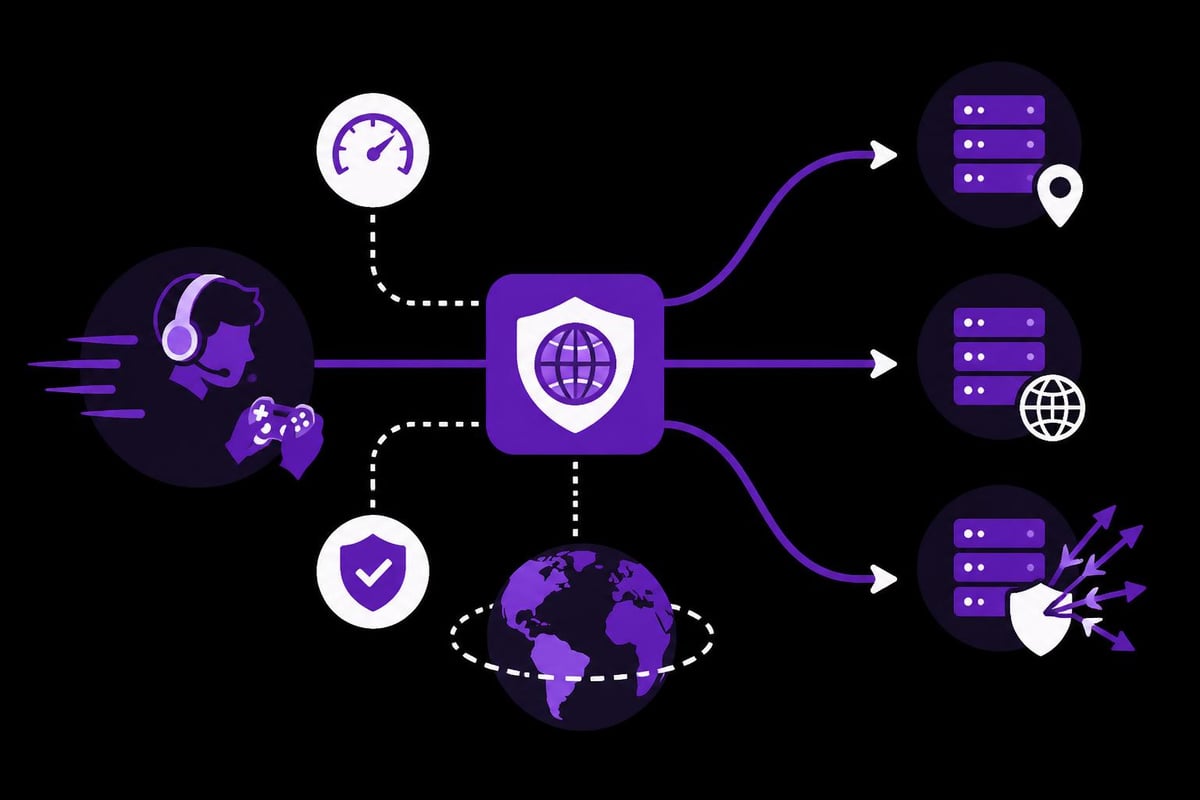
Gamers utilize app proxy technology to access region-locked content, reduce latency to specific game servers, and protect against DDoS attacks. The low-latency requirements demand high-performance proxy infrastructure with minimal overhead.
Development and Testing
Software developers implement app proxy solutions during testing phases to simulate user behavior from different geographic locations, test regional restrictions, and debug network-related issues. Tools like OneProxy provide rule-based routing and network analysis features specifically designed for development workflows.
Developer use cases include:
- API testing from multiple locations
- Load testing with distributed traffic sources
- Geo-restriction validation
- Network performance debugging
- Security vulnerability assessment
Choosing the Right App Proxy Provider
Selecting an appropriate app proxy service requires evaluating multiple factors beyond simple pricing comparisons. The ideal provider aligns technical capabilities with specific use case requirements while maintaining reliable performance and support.
Essential Provider Features
When evaluating app proxy providers for business or personal use, prioritize these critical capabilities:
| Feature | Why It Matters | What to Look For |
|---|---|---|
| Protocol support | Application compatibility | HTTP, HTTPS, SOCKS4, SOCKS5 |
| IP pool size | Rotation variety | Thousands of unique IPs |
| Geographic coverage | Regional access | Target country availability |
| Rotation options | Anonymity control | Time-based and request-based |
| Bandwidth limits | Performance ceiling | Unlimited or high caps |
| Support availability | Problem resolution | 24/7 customer service |
Understanding rotating proxy mechanics helps identify providers capable of supporting advanced automation and scraping workflows.
IPv4 vs IPv6 Considerations
Modern app proxy providers offer both IPv4 and IPv6 protocol support, each serving distinct purposes in 2026's evolving internet landscape. IPv4 remains dominant for legacy application support, while IPv6 adoption accelerates across newer services and platforms.
IPv4 advantages:
- Universal compatibility with all applications and services
- Larger existing IP pools from established providers
- Better documentation and community support
IPv6 benefits:
- Massive address space reducing IP sharing concerns
- Native support in modern operating systems and applications
- Future-proofing network infrastructure investments
Premium providers supporting both protocols enable seamless transitions as services migrate to IPv6 while maintaining backward compatibility for applications still requiring IPv4 connectivity.
Privacy Policies and Data Handling
Beyond technical capabilities, an app proxy provider's approach to user data and logging determines whether the service genuinely protects privacy or merely shifts the trust requirement from ISPs to the proxy operator.
Zero-Log Policies Explained
A zero-log policy commits the provider to not recording, storing, or sharing user activity data, connection timestamps, or identifying information. This guarantee ensures that even if compelled by legal processes, the provider possesses no data to surrender.
Critical elements of robust zero-log policies:
- No connection timestamp recording
- No traffic content logging
- No destination tracking
- No bandwidth usage monitoring per user
- Independent third-party audits verifying compliance
Services adhering to strict zero-log policies provide maximum privacy for users engaging in sensitive research activities or accessing restricted information.
Data Retention and Compliance
Even providers claiming privacy-first operations must balance user protection against legal compliance requirements in their operating jurisdictions. Understanding these obligations helps assess real privacy levels.
Reputable providers clearly communicate their data handling practices, compliance obligations, and response procedures for legal requests. Transparency in these areas signals trustworthiness more effectively than marketing claims alone.
Advanced Configuration Techniques
Power users and enterprise deployments benefit from advanced app proxy configuration options that optimize performance, enhance security, and enable sophisticated routing strategies.
Rule-Based Routing
Rather than routing all traffic through a single proxy endpoint, rule-based systems evaluate each connection request against defined criteria to determine optimal routing paths. This approach balances privacy needs against performance requirements.
Common routing rules include:
- Route specific applications through dedicated proxies
- Use faster datacenter proxies for bulk operations
- Apply mobile proxies for social media applications
- Direct streaming traffic through geographically optimized endpoints
- Bypass proxy for trusted local network resources
Failover and Redundancy
Professional applications requiring continuous uptime implement failover mechanisms that automatically switch to backup proxy endpoints when primary connections fail. This redundancy prevents service interruptions that could disrupt critical workflows.
Effective failover configurations monitor connection health metrics continuously, detecting issues before they impact application performance and switching to alternative routes within milliseconds.
Troubleshooting Common Issues
Even properly configured app proxy setups occasionally encounter issues requiring diagnostic skills and systematic troubleshooting approaches.
Connection Failures
When applications fail to connect through an app proxy, several potential causes require investigation:
- Incorrect proxy server address or port configuration
- Authentication credential errors
- Network firewall blocking proxy connections
- Proxy server maintenance or downtime
- Application incompatibility with proxy protocol
Diagnostic steps:
- Verify proxy credentials and server information
- Test direct connection without proxy
- Check firewall and security software settings
- Try alternative proxy servers from pool
- Review application-specific proxy requirements
Performance Degradation
Sudden slowdowns when using an app proxy typically indicate bandwidth saturation, routing inefficiencies, or proxy server overload. Systematic testing isolates the bottleneck location.
Comparing performance metrics with and without proxy routing identifies whether issues stem from proxy infrastructure or underlying network conditions. Switching between different rotating proxy providers helps determine if provider-specific limitations cause performance problems.
Understanding app proxy technology empowers businesses and individuals to take control of their digital privacy, security, and network performance in 2026's increasingly connected landscape. Whether you're scraping competitive data, managing social media accounts, or accessing geo-restricted content, proper app proxy implementation provides the foundation for reliable, secure operations. PinguProxy delivers enterprise-grade proxy solutions with complete IPv4 and IPv6 support, 10Gbps bandwidth, and 1ms rotation speeds backed by 24/7 customer support, making it the ideal choice for demanding applications requiring both performance and privacy. Explore how PinguProxy's zero-log infrastructure can transform your application networking strategy today.