
Cheap Rotating Proxies: Best Value Options in 2026
Finding affordable yet reliable proxy solutions can feel like searching for a needle in a haystack. While premium proxy services deliver outstanding performance, many users need cost-effective alternatives that don't sacrifice essential features like IP rotation, speed, and privacy. Cheap rotating proxies have emerged as a practical solution for businesses and individuals who require regular IP rotation without the premium price tag. In 2026, the market offers numerous options that balance affordability with functionality, making enterprise-level proxy capabilities accessible to everyone from startup founders to independent researchers.
Understanding the Value Proposition of Budget Rotating Proxies
The proxy market has evolved significantly over the past few years. What once required substantial investment now comes at prices that accommodate various budgets. Cheap rotating proxies don't necessarily mean inferior quality. Instead, they represent a shift in how proxy providers structure their services, offering tiered pricing models and optimized infrastructure that reduces operational costs.
What Makes Rotating Proxies Different
Rotating proxies automatically change your IP address at predetermined intervals or with each new request. This rotation mechanism prevents websites from detecting patterns in your traffic, reducing the likelihood of blocks or rate limiting.
The key advantages include:
- Enhanced anonymity through constant IP changes
- Reduced detection rates for web scraping operations
- Distributed request patterns that mimic organic traffic
- Lower block rates compared to static IP solutions
- Scalability for high-volume data collection
Traditional static proxies maintain the same IP address throughout your session. While suitable for certain applications, they become problematic when making hundreds or thousands of requests to the same target. Rotating proxies for web scraping solve this limitation by presenting each request from a seemingly different user.
The Economics of Affordable Proxy Services
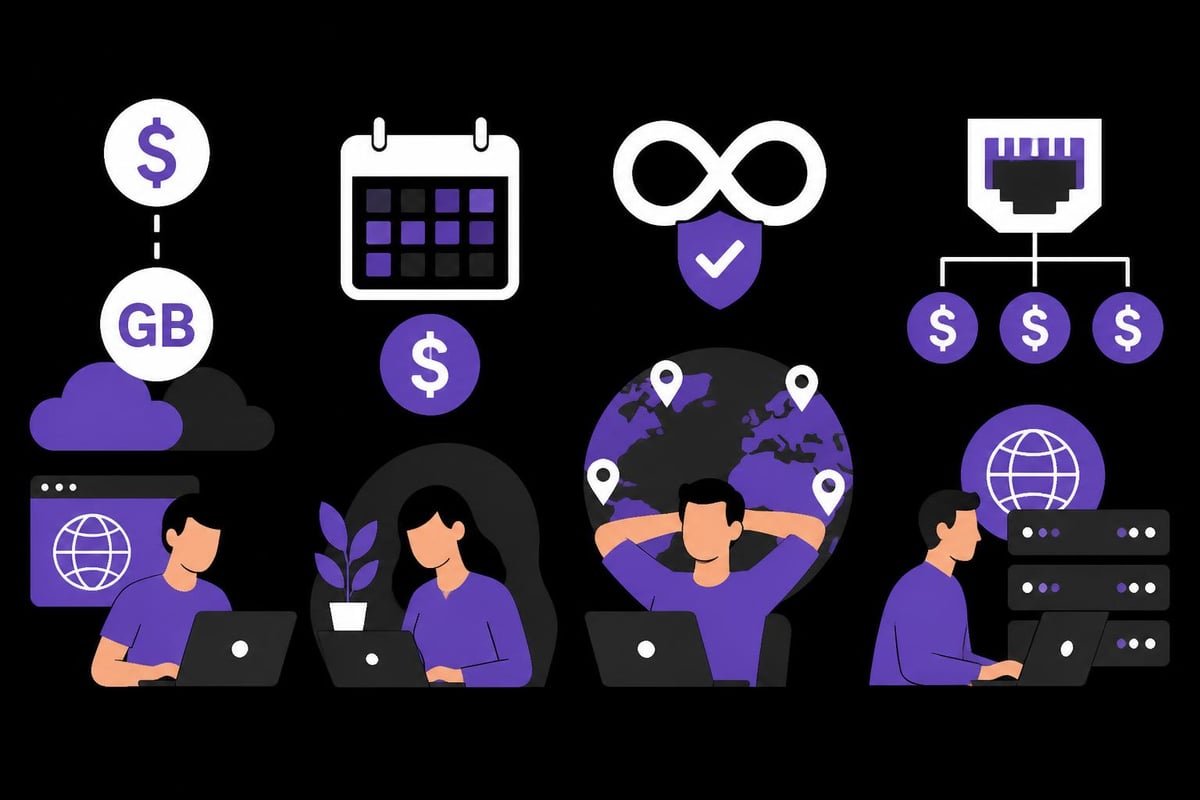
Several factors contribute to the availability of cheap rotating proxies in 2026. Cloud infrastructure costs have decreased, allowing providers to operate larger proxy networks without proportional increases in pricing. Additionally, competition among providers has driven innovation in pricing models, with many offering pay-as-you-go plans that eliminate minimum commitments.
| Pricing Model | Best For | Typical Cost Range |
|---|---|---|
| Pay-per-GB | Variable usage patterns | $2-$8 per GB |
| Monthly subscription | Consistent usage | $30-$150 per month |
| Unlimited access | Heavy users | $100-$300 per month |
| Pay-per-port | Multiple concurrent sessions | $1-$5 per port |
Identifying Quality in Budget-Friendly Options
Not all cheap rotating proxies deliver the same value. Understanding which features matter most for your specific use case helps you avoid services that cut corners on critical capabilities.
Essential Features to Prioritize
Connection speed remains paramount regardless of price point. According to TechRadar's review of the best proxy services, even budget options should maintain speeds sufficient for your intended applications. Web scraping, social media management, and SEO monitoring all have different speed requirements.
Geographic coverage determines how effectively you can access region-specific content. A provider offering cheap rotating proxies with limited locations may save money initially but restrict your operational capabilities. Look for networks spanning at least 10-20 countries for general-purpose use.
Rotation settings vary significantly between providers. Some rotate IPs every few minutes, while others allow you to configure rotation timing or trigger changes per request. This flexibility matters when you need to maintain sessions or adapt to specific target website requirements.
Authentication methods impact both security and ease of use:
- Username/password authentication works universally but requires credential management
- IP whitelist authentication offers enhanced security for static work environments
- API-based authentication enables programmatic proxy management
- Session management allows maintaining the same IP for defined periods
Red Flags to Avoid
Research from academic studies on free proxy ecosystems reveals significant risks associated with unreliable proxy services, including data interception and privacy violations. While this research focused on free proxies, similar concerns apply to suspiciously cheap paid services.
Watch for these warning signs:
- Providers refusing to disclose their data retention policies
- Extremely low prices without clear explanations of limitations
- No trial period or money-back guarantee
- Limited or non-existent customer support channels
- Vague terms regarding bandwidth throttling or fair use
Datacenter vs. Residential: Cost Considerations
The type of proxy infrastructure significantly impacts both pricing and performance. Understanding these differences helps you select cheap rotating proxies that match your requirements.
Datacenter Proxies for Budget-Conscious Users
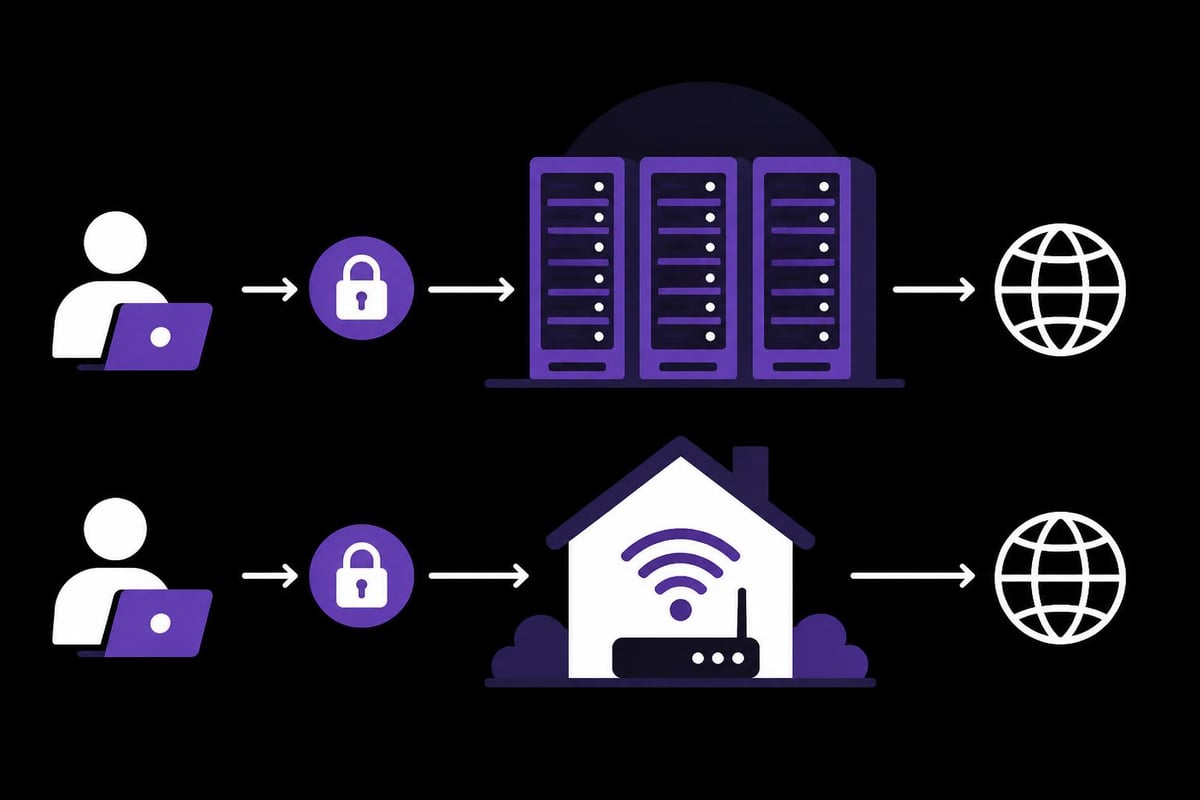
Datacenter proxies originate from server facilities rather than residential ISPs. This structure makes them considerably more affordable than residential alternatives while delivering exceptional speed. Best rotating proxy providers in 2026 often feature datacenter options prominently in their budget tiers.
Advantages of datacenter proxies:
- Significantly lower costs, often 50-80% cheaper than residential
- High-speed connections with minimal latency
- Excellent uptime and reliability
- Abundant availability for scaling operations
- Simple setup and configuration
Limitations to consider:
- Easier for sophisticated systems to identify as proxies
- Higher block rates on websites with strict anti-bot measures
- Less effective for platforms requiring residential IP verification
- Geographic targeting may be less precise
| Feature | Datacenter | Residential | Mobile |
|---|---|---|---|
| Average cost per GB | $2-$5 | $10-$25 | $15-$40 |
| Detection risk | Medium-High | Low | Very Low |
| Speed | Excellent (100+ Mbps) | Good (20-50 Mbps) | Variable (10-100 Mbps) |
| Best use cases | Web scraping, SEO monitoring | Social media, sneaker bots | App testing, ad verification |
When Residential Proxies Justify the Investment
Some applications demand the authenticity that only residential proxies provide. Social media platforms, streaming services, and e-commerce sites increasingly employ detection systems that flag datacenter IPs. For these scenarios, finding cheap rotating proxies within the residential category becomes essential.
Budget residential providers achieve lower pricing through several strategies. They may limit concurrent connections, implement stricter bandwidth caps, or operate smaller proxy pools. Understanding these trade-offs helps set realistic expectations.
Practical Applications for Budget Rotating Proxies
Cheap rotating proxies serve numerous legitimate business purposes. Matching your use case to the right proxy type and pricing model maximizes return on investment.
Web Scraping and Data Collection
According to comprehensive web scraping proxy guides, rotating proxies prevent rate limiting when collecting large datasets. E-commerce price monitoring, market research, and competitive analysis all benefit from automated data collection that respects target website policies.
Budget considerations for scraping projects:
- Calculate bandwidth requirements based on page sizes and target volume
- Assess target website complexity to determine necessary proxy type
- Factor in rotation frequency needs for your specific targets
- Include overhead for retries and error handling
SEO and Rank Tracking
Search engine optimization professionals rely on proxies to check search rankings across different locations without triggering CAPTCHA challenges. Top SEO proxies for rank tracking enable accurate position monitoring as search engines see your queries.
Key requirements for SEO proxies:
- Geographic diversity matching your target markets
- Residential IPs for search engine queries
- Sufficient rotation to avoid pattern detection
- Session persistence for completing searches
Social Media Management
Managing multiple social media accounts requires distinct IP addresses to avoid platform restrictions. While Instagram proxies and similar specialized services exist, cheap rotating proxies can support basic multi-account operations when configured properly.
Maximizing Performance on a Budget
Strategic configuration and smart usage patterns extract maximum value from affordable proxy services. These optimization techniques work regardless of your chosen provider.
Rotation Strategy Optimization
Not every request requires a new IP address. Excessive rotation wastes bandwidth and may trigger security measures on some platforms. Configure rotation based on actual detection risks:
- Per-request rotation for high-volume scraping of restrictive sites
- Time-based rotation (5-30 minutes) for general browsing simulation
- Session-based rotation for activities requiring consistent identity
- Manual rotation for applications with specific IP requirements
Connection Pooling and Management
Efficient proxy management reduces unnecessary overhead. Maintain a pool of established connections rather than creating new connections for each request. This approach minimizes latency and improves throughput, especially important when working with cheap rotating proxies that may have slightly higher connection times.
Implementation best practices:
- Pre-authenticate proxy connections before use
- Implement connection health checks to detect failures
- Maintain backup proxies for automatic failover
- Monitor response times to identify performance degradation
- Use connection pooling libraries appropriate for your programming language
Error Handling and Retry Logic
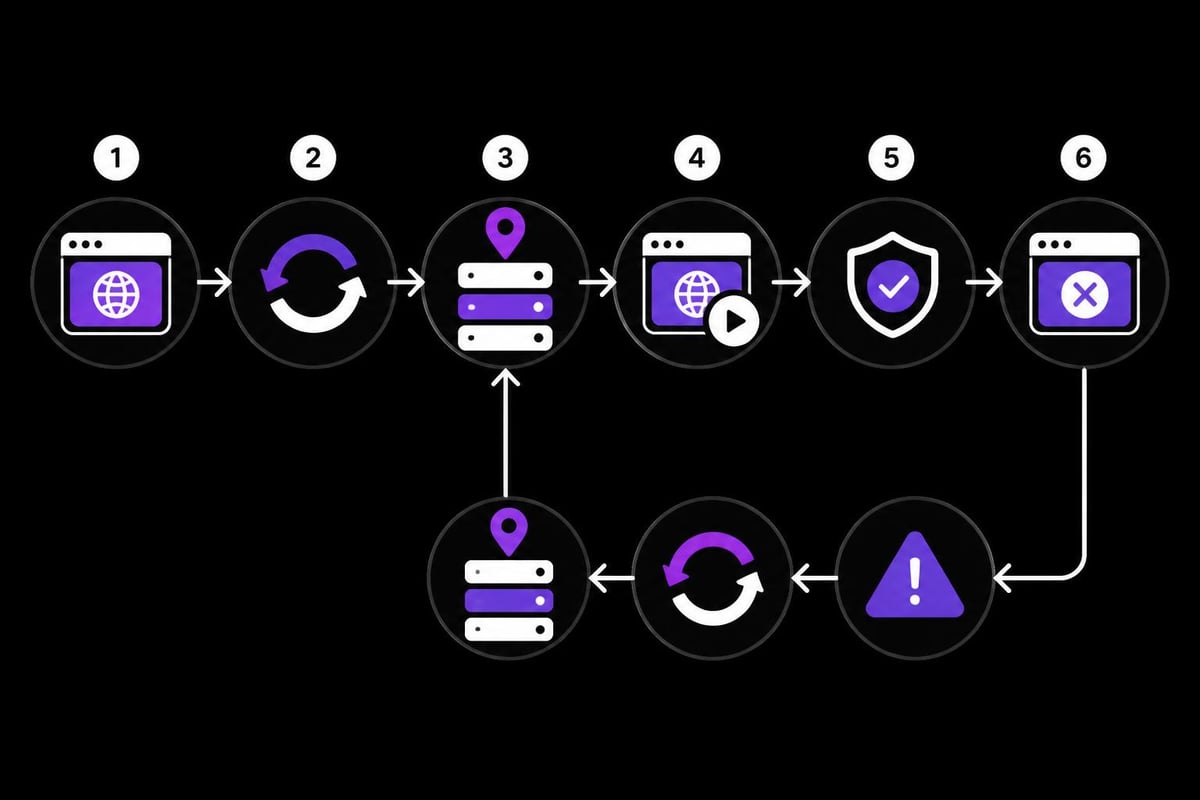
Budget proxies may experience slightly higher failure rates than premium alternatives. Robust error handling prevents these occasional issues from disrupting operations. Implement exponential backoff for retries, distinguishing between proxy failures and target website issues.
Evaluating Providers and Making Comparisons
Selecting the right provider requires comparing specifications, reading reviews, and testing performance. TechRadar's comprehensive proxy server comparison offers insights into current market leaders, though your specific needs may differ from general recommendations.
Trial Periods and Testing Methodology
Most reputable providers offer trial periods or money-back guarantees. Use this time strategically to validate critical performance metrics:
- Test connection speeds from your actual deployment environment
- Verify geographic coverage matches your requirements
- Confirm rotation mechanisms work as advertised
- Evaluate customer support responsiveness and expertise
- Monitor success rates for your specific use case
Create a standardized test suite that simulates your production workload. This approach enables objective comparison across multiple providers rather than relying on marketing claims alone.
Reading Between the Lines of Pricing
Cheap rotating proxies advertise attractive base prices, but the total cost of ownership includes several factors. Bandwidth overages, premium location surcharges, and concurrent connection limits can significantly impact your actual monthly spend.
| Hidden Cost Factor | Impact on Budget | How to Avoid |
|---|---|---|
| Bandwidth overages | +50-200% monthly cost | Monitor usage, set alerts |
| Premium locations | +20-100% per GB | Use standard locations when possible |
| Connection limits | Restricts scalability | Choose plans matching concurrency needs |
| Setup fees | One-time costs | Negotiate waiver or choose providers without |
| Support tiers | Variable response times | Assess included support level |
Community Feedback and Reviews
Independent reviews provide valuable insights beyond official specifications. PacketStream's TechRadar review demonstrates how expert analysis reveals both strengths and limitations that marketing materials might obscure.
Look for consistent themes in user feedback rather than isolated complaints. Pay particular attention to comments about:
- Actual versus advertised speeds
- IP pool freshness and rotation quality
- Billing transparency and unexpected charges
- Support responsiveness during issues
- Service reliability over extended periods
Advanced Considerations for Power Users
Even when seeking cheap rotating proxies, advanced users benefit from understanding technical nuances that impact performance and reliability.
Protocol Support and Flexibility
Modern applications may require specific proxy protocols. HTTP/HTTPS remains standard, but SOCKS5 support enables broader application compatibility. IPv6 support becomes increasingly important as more services adopt this protocol, though many budget providers focus exclusively on IPv4.
Protocol compatibility checklist:
- HTTP/HTTPS for web-based applications
- SOCKS5 for applications requiring non-HTTP protocols
- IPv4 coverage for maximum compatibility
- IPv6 support for future-proofing and accessing IPv6-only resources
Geographic Distribution and Latency
Target website location relative to proxy servers significantly impacts response times. A provider offering cheap rotating proxies with servers globally distributed provides better performance than one concentrated in a single region, regardless of raw connection speeds.
Calculate expected latency by considering:
- Distance between proxy server and target website
- Network infrastructure quality in the proxy server region
- Routing efficiency of the proxy provider
- Your physical location relative to proxy entry points
API Integration and Automation
Programmatic proxy management streamlines operations and enables sophisticated rotation strategies. Evaluate provider APIs based on functionality, documentation quality, and rate limits. Well-designed APIs allow dynamic proxy selection, real-time usage monitoring, and automated failover handling.
Security and Privacy Considerations
Privacy protection motivates many proxy users, making security features critical evaluation criteria. Research on proxy stability and security highlights risks associated with providers that don't prioritize user data protection.
Data Logging Policies
Zero-log policies prevent providers from storing identifiable information about your activities. When selecting cheap rotating proxies, verify logging practices explicitly. Even budget providers should maintain minimal logs limited to operational necessities rather than comprehensive activity tracking.
Questions to ask providers:
- What connection data is logged?
- How long are logs retained?
- Under what circumstances are logs shared?
- Are logs encrypted during storage?
- Can users request log deletion?
Encryption and Authentication Security
Traffic encryption protects data in transit between your system and proxy servers. HTTPS proxies provide end-to-end encryption for web traffic, while SOCKS5 proxies may require additional configuration for encryption. Authentication security prevents unauthorized proxy access that could consume your bandwidth allocation or compromise your operations.
Enable two-factor authentication when available, even on budget services. This additional security layer prevents account takeovers that could lead to unauthorized usage charges or service disruption.
Compliance and Legal Considerations
Legitimate proxy use requires understanding applicable laws and website terms of service. Cheap rotating proxies enable lawful activities like market research, price comparison, and content verification, but using them to circumvent security measures or violate service agreements creates legal exposure.
Ensure your proxy provider:
- Operates legally in their jurisdiction
- Acquires IPs through legitimate means
- Provides clear acceptable use policies
- Doesn't facilitate or encourage terms of service violations
- Responds appropriately to abuse complaints
Finding the right balance between cost and capability requires careful evaluation of your specific requirements against available cheap rotating proxies. Whether you need datacenter speed for large-scale scraping or residential authenticity for sensitive platforms, 2026's market offers solutions at every price point. PinguProxy delivers high-performance rotating proxies with 1ms rotation speeds, 10Gbps bandwidth, and support for both IPv4 and IPv6 protocols, all backed by a zero-log policy and 24/7 support that ensures your operations run smoothly without breaking the budget.