
Buy IPv4 Proxy Guide: Secure Your Connections in 2026
Online privacy threats and cyber risks are on the rise in 2026, making your digital security more important than ever.
This guide will show you how to buy ipv4 proxy to protect your online connections, boost your anonymity, and unlock restricted content.
Our goal is to equip you with the latest insights and practical steps for choosing and using IPv4 proxies safely.
Inside, you will discover what IPv4 proxies are, why they matter today, their top use cases, essential buying tips, a step-by-step purchase guide, trusted providers, and expert best practices.
Ready to take control of your privacy and freedom? Dive in and follow this guide for a safer, more secure online experience.
Understanding IPv4 Proxies in 2026
As digital threats evolve, understanding how proxies work is essential for anyone aiming to secure their online presence. If you want to buy ipv4 proxy solutions, you need to know what sets IPv4 proxies apart, why they remain relevant, and how different types cater to specific needs. Let’s break down the essentials for 2026.
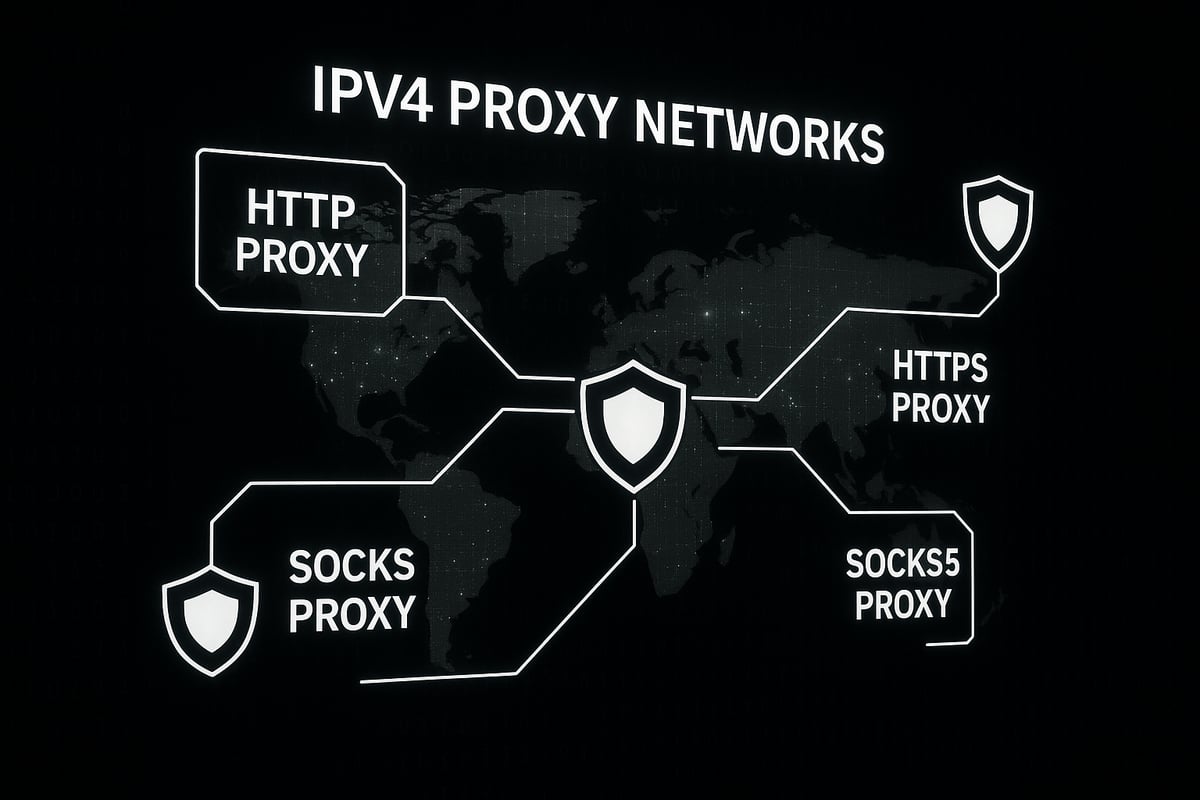
What is an IPv4 Proxy?
An IPv4 proxy acts as a middleman between your device and the internet. When you connect through an IPv4 proxy, your real IP address is hidden, and all requests appear to come from the proxy server’s IP. This shields your identity and location from websites, apps, and trackers.
IPv4 proxies use the IPv4 protocol, which has a 32-bit address system offering around 4.3 billion unique addresses. By contrast, IPv6 proxies use a 128-bit system, providing trillions of IPs, but IPv4 remains the standard due to compatibility with nearly every online service and application.
A quick look at the differences:
| Feature | IPv4 Proxy | IPv6 Proxy |
|---|---|---|
| IP Format | 192.168.1.1 | 2001:0db8:85a3::8a2e |
| Address Space | 4.3 billion | Virtually unlimited |
| Compatibility | Universal | Growing, not universal |
| Use Cases | Scraping, gaming | Niche, future-proof |
Suppose you buy ipv4 proxy access for web scraping. Every request you make appears to originate from a new IP, protecting your identity and minimizing the risk of bans. This method is also popular in gaming, bypassing restrictions, and automation.
Why IPv4 Proxies Still Matter in 2026
Despite the growing adoption of IPv6, the world still relies heavily on IPv4. Many legacy systems, popular websites, and critical business applications only support IPv4, making it essential for seamless access. As a result, organizations and individuals continue to buy ipv4 proxy services to ensure compatibility.
The scarcity of IPv4 addresses has driven their value higher, with businesses prioritizing them for key operations. For example, digital marketing firms often buy ipv4 proxy resources for SEO monitoring and large-scale data collection, since many target sites block non-IPv4 connections.
According to industry reports, over 80% of all web traffic still passes through IPv4 as of 2025. This overwhelming reliance cements the need for IPv4 proxies in 2026, especially for those who require uninterrupted, reliable access to a wide range of platforms.
Key Use Cases for IPv4 Proxies
Why do so many professionals and individuals buy ipv4 proxy solutions? The answer lies in their versatility. Some primary use cases include:
- Web scraping for business intelligence and market research
- Bypassing geo-restrictions for streaming, gaming, and accessing blocked content
- Social media automation and multi-account management
- Enhancing privacy for both individuals and enterprises
For instance, sneaker enthusiasts and resellers often buy ipv4 proxy packages to cop limited-edition releases without getting blocked. Marketing teams use them for ad verification and SEO position monitoring, ensuring accurate data from different locations.
Industry statistics reveal that top proxy providers handle millions of IPv4 requests every day. Security-wise, using a proxy can help shield users from tracking, malware, and even DDoS attacks by masking their origin and distributing traffic safely.
IPv4 Proxy Types: Residential vs. Datacenter vs. ISP
When you buy ipv4 proxy services, you’ll encounter three main types, each with unique strengths:
- Residential proxies: These use IPs from real devices and ISPs, offering high anonymity and legitimacy. They’re ideal for e-commerce scraping and stealth operations, though they tend to cost more.
- Datacenter proxies: Housed in data centers, these proxies are fast, affordable, and scalable. However, they may be easier to detect and block due to their non-residential origin. They’re perfect for bulk automation tasks.
- ISP proxies: Combining datacenter speed with residential legitimacy, ISP proxies are versatile and reliable for sensitive operations.
Here’s a quick comparison:
| Type | Anonymity | Speed | Cost | Best For |
|---|---|---|---|---|
| Residential | High | Medium | High | E-commerce, stealth |
| Datacenter | Medium | High | Low | Bulk automation, testing |
| ISP | High | High | Medium | Versatile, secure ops |
For a deeper dive into these differences, check out this Guide to proxy types. Knowing which type fits your needs is crucial before you buy ipv4 proxy access, ensuring you get the right balance of speed, privacy, and reliability.
Why You Need IPv4 Proxies for Secure Connections
Staying protected online in 2026 is more than a luxury, it is a necessity. As threats to digital privacy become more sophisticated, users and businesses alike look for reliable solutions. When you buy ipv4 proxy services, you gain a powerful tool for privacy, security, and unrestricted access. Let us explore the key reasons why ipv4 proxies are now essential for secure connections.
Online Privacy and Anonymity in 2026
Privacy is under siege in 2026. From tracking cookies to targeted ads and widespread data breaches, your personal information is always at risk. When you buy ipv4 proxy solutions, your real IP address and location are hidden behind a secure layer. This shields your identity from advertisers, trackers, and cybercriminals.
For example, using proxies prevents advertisers from building detailed user profiles by masking your digital footprint. According to Proxy Market Research 2025, 60% of users now cite privacy as their main reason for using proxies. With growing surveillance, an ipv4 proxy is your first defense for anonymity.
Bypassing Geo-Restrictions and Censorship
Accessing your favorite content is not always straightforward. Governments and streaming services often restrict content based on your location. When you buy ipv4 proxy products, you can route your connection through any region you choose, unlocking blocked websites and international streaming platforms.
Consider the case of accessing US-only streaming services while traveling abroad. With a reliable ipv4 proxy, you appear as if you are browsing from within the US. Proxy rotation features further help you avoid detection and bans, ensuring uninterrupted access to global content.
Enhancing Security for Businesses and Individuals
Both individuals and organizations face constant threats from malware, phishing, and DDoS attacks. Using an ipv4 proxy acts as a protective buffer between you and potentially malicious sites. When you buy ipv4 proxy services, you add an extra layer of security to your online activities.
Businesses, for instance, rely on proxies to safeguard sensitive data during research or remote work. Proxies also help prevent direct exposure of corporate networks, reducing the risk of targeted attacks. A secure proxy solution is a simple step toward stronger digital defense.
Optimizing Performance and Bandwidth
Speed and efficiency matter, especially for large-scale operations. Proxies can cache web content, resulting in faster load times and reduced bandwidth usage. If you buy ipv4 proxy solutions with load balancing, your network can handle more traffic without slowdowns.
For web scraping or data aggregation, proxies distribute requests across multiple IPs, avoiding rate limits and maximizing throughput. This not only improves performance but also keeps your operations stealthy and efficient.
Compliance and Ethical Considerations
While proxies offer many benefits, using them responsibly is crucial. Always ensure your proxy use complies with local laws and the terms of service of the sites you access. When you buy ipv4 proxy services, choose providers who respect privacy and enforce strict zero-log policies.
For example, ethical businesses use proxies for scraping only publicly available data and always honor copyright rules. Staying compliant protects you from legal troubles and builds trust with customers and partners.
How to Buy IPv4 Proxies: Step-by-Step Guide
Ready to buy IPv4 proxy solutions that fit your specific needs? This step-by-step guide will walk you through every stage, from setting your goals to testing your new proxies. Whether you want to enhance privacy, automate tasks, or bypass restrictions, you’ll find practical advice here. For a deeper dive on the technical process, check out this How to buy IPv4 proxies resource as you follow along.
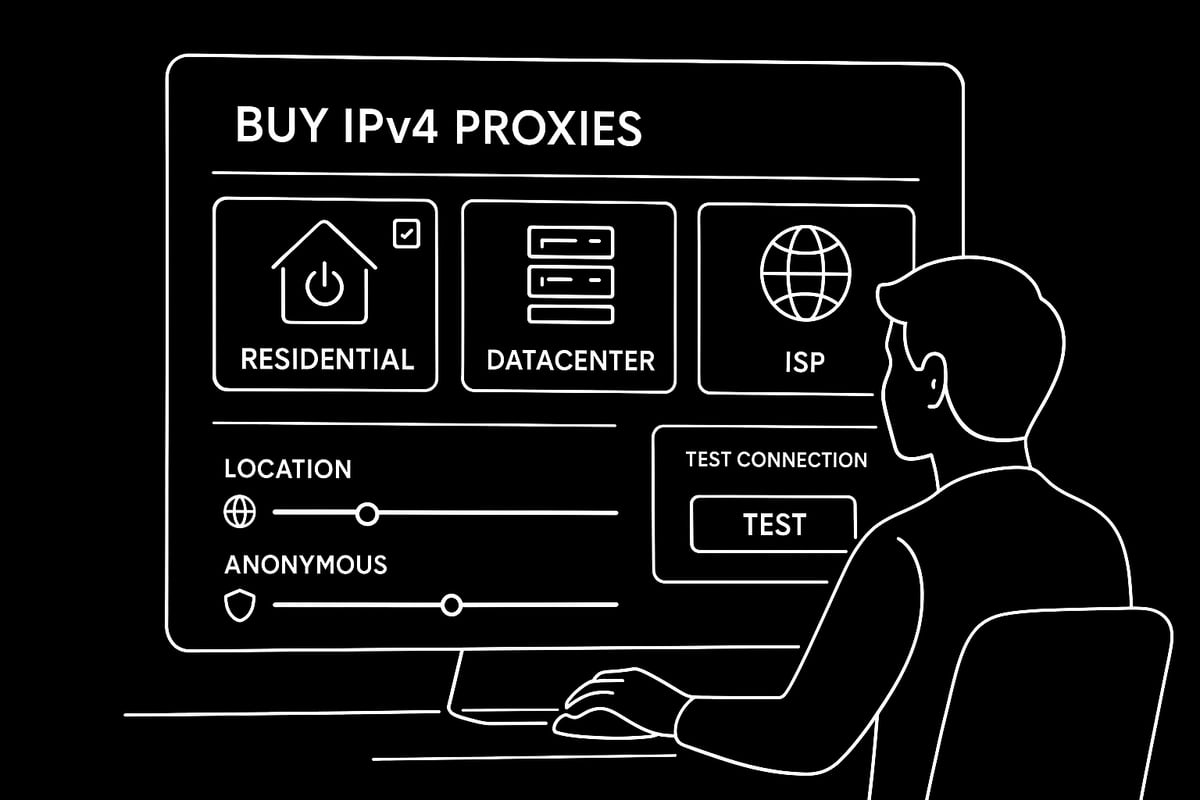
Step 1: Define Your Proxy Needs and Use Cases
Before you buy IPv4 proxy services, clarify your main objectives. Are you focused on privacy, web scraping, automation, gaming, or streaming? Each use case can require a different approach.
- List out your top goals (e.g., data aggregation, geo-unblocking, social media management)
- Decide how many proxies you need, and which locations are essential
- Determine if you need static or rotating proxies
For example, if you’re monitoring e-commerce prices, you might need a rotating US proxy pool to avoid detection. This preparation ensures you buy IPv4 proxy options that actually solve your challenges.
Step 2: Choose the Right Proxy Type
Next, decide on the best proxy type for your use case. The three main types are residential, datacenter, and ISP proxies. Each has unique strengths and limitations.
Here’s a quick comparison:
| Proxy Type | Best For | Pros | Cons |
|---|---|---|---|
| Residential | E-commerce, stealth | High anonymity | Higher cost |
| Datacenter | Bulk automation | Fast, affordable | Easier to detect |
| ISP | Versatile tasks | Speed + legitimacy | Moderate cost |
For instance, datacenter proxies are ideal for high-volume automation, while residential proxies excel at stealthy scraping. When you buy IPv4 proxy plans, match the type to your workflow.
Step 3: Research and Compare Proxy Providers
Not all providers are equal. Start by researching reputable vendors with transparent policies and strong reputations. Compare features such as:
- IP pool size and geographic diversity
- Uptime guarantees and customer support
- User reviews and third-party ratings (e.g., Trustpilot scores)
Top providers typically offer millions of IPv4 addresses in nearly 200 locations. For example, Decodo boasts 115M+ IPs worldwide, while IPRoyal maintains 4 million US IPs. Read feedback to ensure you buy IPv4 proxy packages that are reliable and well-supported.
Step 4: Evaluate Security and Privacy Features
Before you buy IPv4 proxy access, review security and privacy features closely. Look for:
- Zero-log policies that protect your activity
- Strong encryption (SOCKS5/HTTP support)
- Fast IP rotation (down to 1ms)
- Unlimited bandwidth options
Some providers offer 10Gbps connections and round-the-clock support. These features help you buy IPv4 proxy solutions that keep your data private and your connections secure.
Step 5: Assess Pricing, Trial Options, and Refund Policies
Pricing models vary. When you buy IPv4 proxy services, compare billing by IP, bandwidth (GB), or unlimited plans. Look for:
- Free trials or demo access
- Money-back guarantees (e.g., Decodo’s 14-day refund)
- Transparent pricing tables
For example, residential proxies might start at $1.5/GB, while datacenter proxies can be as low as $0.02 per IP. Evaluating these options ensures you buy IPv4 proxy packages that fit your budget and risk tolerance.
Step 6: Register and Purchase Proxies
Once you select a provider, create an account. Most dashboards let you configure your plan:
- Choose the number of proxies and desired locations
- Set rotation intervals and preferred protocols (SOCKS5, HTTP, HTTPS)
- Review your order before confirming payment
A user-friendly dashboard makes it seamless to buy IPv4 proxy services and manage your pool efficiently.
Step 7: Configure and Test Your Proxies
After purchase, it’s time to set up and test your proxies. Most providers supply detailed integration guides for popular browsers and automation tools.
A sample configuration in Python might look like:
import requests

proxies = {
    "http": "http://username:password@proxy_ip:port",
    "https": "http://username:password@proxy_ip:port"
}

response = requests.get("https://api.ipify.org", proxies=proxies)
print(response.text)
Use online proxy testers to check for leaks or bans. This step ensures that when you buy IPv4 proxy solutions, you get the privacy and performance you expect.
Leading IPv4 Proxy Providers in 2026
Choosing the right provider is essential when you plan to buy ipv4 proxy solutions for privacy and performance. In 2026, the market is more competitive than ever, with providers offering unique features, pricing, and global reach. Below, we break down the top proxy services, so you can make an informed choice.
IPRoyal
IPRoyal stands out for those looking to buy ipv4 proxy solutions with reliable uptime and excellent global coverage. Their pool features over 4 million US IPs and spans 195+ countries, making them ideal for web scraping, SEO, and social media management.
Pricing is competitive, with residential proxies starting at $1.75 per GB and datacenter proxies from $1.39 per proxy. They frequently offer 50 percent off promotions, helping you stretch your budget further.
Key features include SOCKS5 support, precise geo-targeting, and a user-friendly dashboard. IPRoyal's reputation is solid, earning a 4.1 out of 5 rating on Trustpilot. If you need to buy ipv4 proxy services for diverse business or personal needs, IPRoyal is a dependable choice.
Decodo (formerly Smartproxy)
Decodo is a top pick for users who want to buy ipv4 proxy access with maximum flexibility. With a massive pool of 115 million IPs across 195+ locations, Decodo leads in scale and reach.
Pricing is attractive - residential proxies start at $1.5 per GB, and datacenter proxies are available from just $0.02 per IP. Decodo offers a 14-day money-back guarantee and free trials, letting you test before you commit.
Features include advanced IP rotation, high anonymity, and no subnetworks, which helps reduce bans. Use cases range from e-commerce scraping and automation to AI data collection. Decodo maintains a 4.2 Trustpilot rating, making it a favorite for those who want to buy ipv4 proxy resources with peace of mind.
PinguProxy: High-Speed, Privacy-First IPv4 Proxies
If speed and privacy are your top priorities, PinguProxy is a strong contender for anyone ready to buy ipv4 proxy packages. This provider supports both datacenter and mobile proxies, covering full IPv4 and IPv6 protocols.
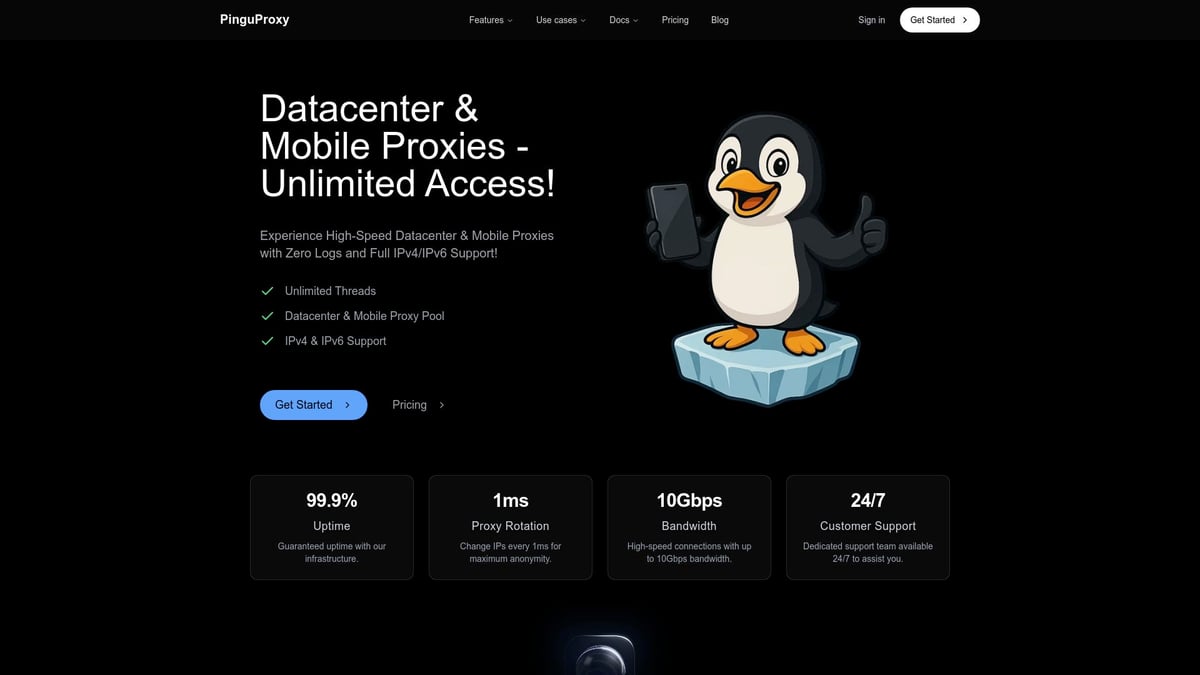
PinguProxy delivers unlimited bandwidth, 1ms proxy rotation, a strict zero-log policy, and blazing 10Gbps speeds. The intuitive dashboard and 24/7 support make managing proxies simple, while flexible payments ensure accessibility for all users.
Ideal for web scraping, gaming, and bypassing content restrictions, PinguProxy appeals to data analysts, marketers, and privacy-focused users. To explore more affordable options, check out their Best cheap datacenter proxies guide for deeper insights on pricing.
Key Comparison Factors
To buy ipv4 proxy services wisely, consider the following:
| Provider | IP Pool Size | Locations | Speed | Privacy Features | Pricing | Trustpilot |
|---|---|---|---|---|---|---|
| IPRoyal | 4M+ | 195+ | High | SOCKS5, zero-log | $1.75/GB (res) | 4.1/5 |
| Decodo | 115M+ | 195+ | High | High anonymity | $1.5/GB (res) | 4.2/5 |
| PinguProxy | Large | Global | 10Gbps | Zero-log, TOR | Flexible | N/A |
Look for security (zero-log, encryption), global coverage, IP rotation, and responsive support. Pricing transparency and refund options are also crucial when you buy ipv4 proxy solutions. For a broader view of market trends and future availability, see the IPv4 Market Forecast 2025-2026.
Best Practices for Using IPv4 Proxies Securely
Staying secure and private online in 2026 requires more than just knowing how to buy ipv4 proxy solutions. It is essential to follow best practices that keep your identity safe and your connections reliable. Here are actionable tips to maximize your IPv4 proxy usage while minimizing risk.
Protecting Your Identity and Data
When you buy ipv4 proxy services, always prioritize providers with strong encryption and zero-log policies. These features ensure that your online activities and personal data remain confidential.
Regularly rotate your IP addresses to make tracking more difficult and avoid getting flagged by websites. Most reputable proxy dashboards let you automate rotation based on time or request count.
Never share your proxy credentials with others or use public proxy lists. Public proxies often lack security and can expose you to data leaks or malware. Protect your login details just like you would with your primary email or banking credentials.
A quick checklist for privacy:
- Choose zero-log, encrypted proxies
- Rotate IPs frequently
- Avoid public or shared proxies
By following these steps when you buy ipv4 proxy access, you strengthen your digital defenses.
Integrating Proxies with Tools and Platforms
After you buy ipv4 proxy access, integration is the next step. Most users connect proxies with browsers, bots, or automation tools for daily tasks. Popular browsers like Chrome and Firefox support proxy manager extensions, making setup straightforward.
To configure proxies manually, use your provider's dashboard to generate credentials and select the protocol (HTTP, HTTPS, or SOCKS5). Here is a basic example for browser integration:
Settings > Network > Proxy > Enter IP, Port, Username, Password
Automation tools and bots, such as social media managers or web scrapers, often allow proxy input fields. Integrate your proxies within these tools to manage multiple accounts or bypass geo-blocks.
For bulk account management, use a proxy manager or rotation tool. This simplifies switching between proxies and helps avoid repetitive logins. Remember, when you buy ipv4 proxy services for automation, proper integration is key to efficiency and security.
Avoiding IP Bans and Blacklisting
Websites are increasingly vigilant about detecting proxy traffic. To avoid bans, rotate your proxies frequently and moderate your request rates. Aggressive scraping or automation can trigger security systems, leading to blacklisting.
When you buy ipv4 proxy solutions, choose residential or ISP proxies for sensitive targets, since they mimic real user behavior and are harder to detect. Datacenter proxies are faster but more likely to be flagged if not managed carefully.
Consider using proxy rotation features and setting delays between requests. Here is a quick comparison table:
| Proxy Type | Detectability | Use Case |
|---|---|---|
| Residential | Low | E-commerce, social |
| Datacenter | Medium-High | Bulk scraping |
| ISP | Low | Account creation |
By following these guidelines as you buy ipv4 proxy access, you reduce the risk of bans and keep your operations running smoothly.
Monitoring Performance and Uptime
Monitoring is crucial for reliable proxy usage. Once you buy ipv4 proxy access, use online proxy testers to check for leaks, speed, and connection stability. Regular testing helps you catch issues before they disrupt your workflow.
Monitor latency and uptime, especially if you rely on proxies for business operations or web scraping. Many providers offer dashboards with real-time stats, but you can also use third-party tools for independent verification.
If you notice slow speeds or frequent disconnects, try switching to a different proxy node or contact your provider's support. Good performance is essential for tasks like streaming, automation, or data collection. Keeping a close eye on proxy health ensures you get the most value when you buy ipv4 proxy services.
Staying Compliant and Ethical
Ethical and legal considerations are just as important as technical ones when you buy ipv4 proxy services. Always respect the terms of service of the websites you access and comply with local laws regarding proxy use.
Avoid any activities that could be considered illegal, such as hacking or fraud. Educate your team about responsible proxy use and data privacy. For more detailed guidance, check out Secure proxy usage tips to ensure your practices align with industry standards.
Businesses, in particular, must ensure that their data collection activities do not violate privacy regulations. Always use proxies transparently and inform stakeholders of their purpose. Making compliance a priority when you buy ipv4 proxy solutions protects your organization from legal and reputational risks.
Troubleshooting Common Proxy Issues
Even with the best setup, issues can arise after you buy ipv4 proxy access. Common problems include connection errors, slow speeds, and authentication failures. Start by double-checking your proxy credentials and network settings.
If you encounter CAPTCHAs or access blocks, try switching to a different proxy or enabling advanced settings like sticky sessions. Most providers offer 24/7 support, so do not hesitate to reach out for help.
Keep your proxy software updated and regularly review provider documentation. Troubleshooting quickly ensures minimal downtime and lets you get the most out of your buy ipv4 proxy investment.Now that you know how vital IPv4 proxies are for privacy and security in 2026, and you’ve seen how easy it is to get started, why not take the next step? With PinguProxy, you get unlimited bandwidth, lightning-fast 1ms proxy rotation, and full support for both IPv4 and IPv6 - perfect whether you’re scraping data, gaming, or just keeping your online life private. Plus, their zero-log policy and 24/7 support mean you’re always protected. Ready to secure your connections and unlock new possibilities?