
Free Proxy Server Address: Finding & Using Proxies
Finding a reliable free proxy server address has become increasingly important for users seeking basic privacy protection and access to geo-restricted content. While free proxies offer an entry point into anonymous browsing without financial commitment, understanding their limitations, security implications, and practical applications is essential before incorporating them into your workflow. This comprehensive guide explores everything you need to know about free proxy server addresses in 2026, from configuration to security considerations.
Understanding Free Proxy Server Addresses
A free proxy server address serves as an intermediary between your device and the internet, routing your requests through a third-party server to mask your original IP address. When you configure a free proxy server address in your browser or application, your traffic appears to originate from the proxy location rather than your actual geographical position.
The basic components of a proxy server address include:
- IP address or hostname (e.g., 192.168.1.100 or proxy.example.com)
- Port number (commonly 8080, 3128, or 80)
- Protocol type (HTTP, HTTPS, SOCKS4, or SOCKS5)
- Authentication credentials (when required)
Free proxy services typically operate on a shared infrastructure model where multiple users simultaneously access the same pool of proxy servers. This differs significantly from premium solutions that offer dedicated resources and guaranteed performance. According to recent research on free web proxies, the stability and security of free options can vary dramatically, making careful selection critical.
Types of Free Proxy Protocols
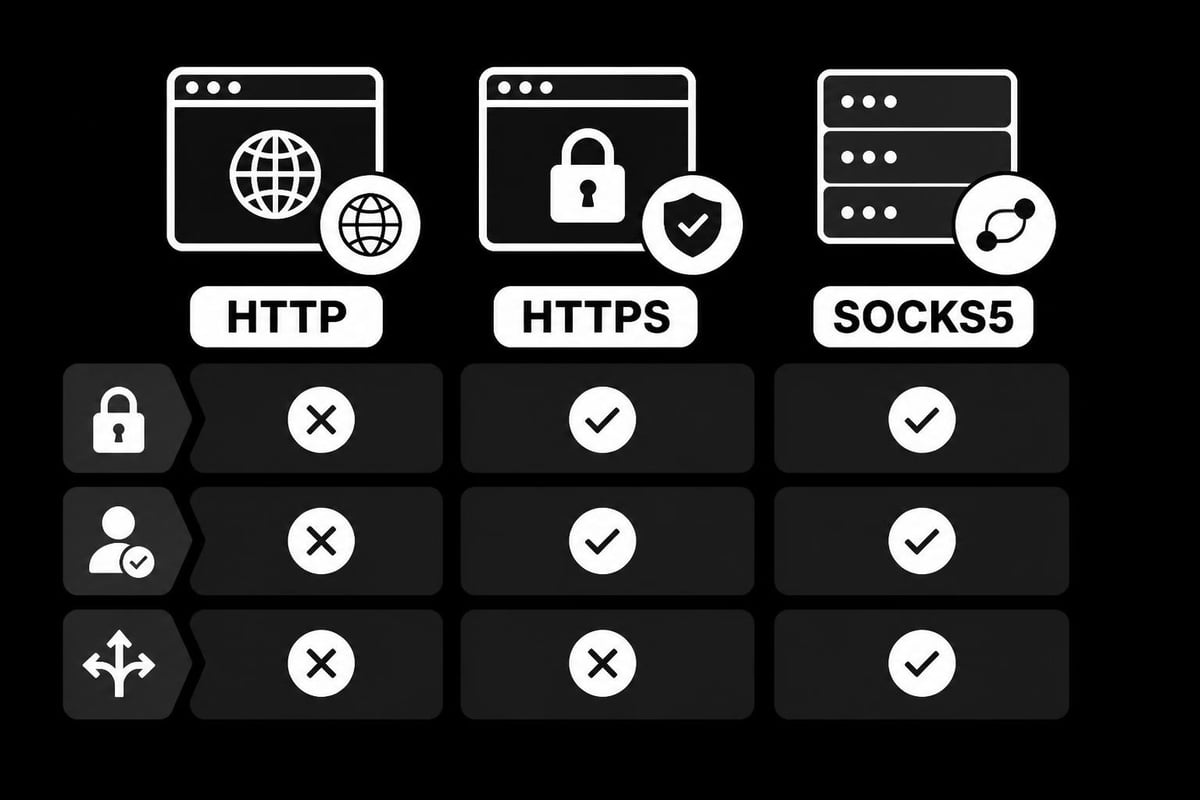
Different protocol types serve distinct purposes and offer varying levels of security and functionality. HTTP proxies handle web traffic exclusively and work well for basic browsing tasks. HTTPS proxies add encryption between your device and the proxy server, providing better security for sensitive data transmission.
SOCKS proxies operate at a lower network level and can handle various types of traffic beyond web browsing, including email, file transfers, and peer-to-peer connections. SOCKS5, the most advanced version, supports authentication and UDP protocol, making it suitable for activities like gaming and streaming applications.
Finding Reliable Free Proxy Server Addresses
Locating trustworthy free proxy server addresses requires careful research and verification. Multiple online directories maintain updated lists of publicly available proxies, though quality varies significantly across sources. When searching for a free proxy server address, prioritize services that transparently disclose their operational practices and data handling policies.
| Source Type | Reliability | Update Frequency | Verification |
|---|---|---|---|
| Community Lists | Medium | Daily | User-reported |
| Proxy Aggregators | Low-Medium | Hourly | Automated |
| Free Tier Services | High | Real-time | Provider-verified |
| Public Forums | Low | Irregular | Minimal |
Leading proxy comparison resources evaluate free options based on performance metrics, uptime percentages, and security features. However, even top-rated free proxies face inherent limitations compared to professional services. Research published in 2025 revealed that free HTTP(S) proxies often exhibit concerning behaviors, including traffic injection and potential data harvesting.
Verification and Testing Methods
Before committing to any free proxy server address, conduct thorough testing to evaluate performance and reliability. Start by checking the basic connection using simple IP detection websites to confirm the proxy correctly masks your address. Test download and upload speeds to understand bandwidth limitations.
Essential verification steps include:
- Confirm IP address masking effectiveness
- Test connection speed and latency
- Check for DNS leaks
- Verify SSL/TLS encryption support
- Monitor for unexpected redirects or injected content
The proxy testing capabilities offered by professional services demonstrate the thoroughness required for proper verification. Free alternatives rarely provide comprehensive testing tools, placing the verification burden entirely on users.
Configuration and Implementation
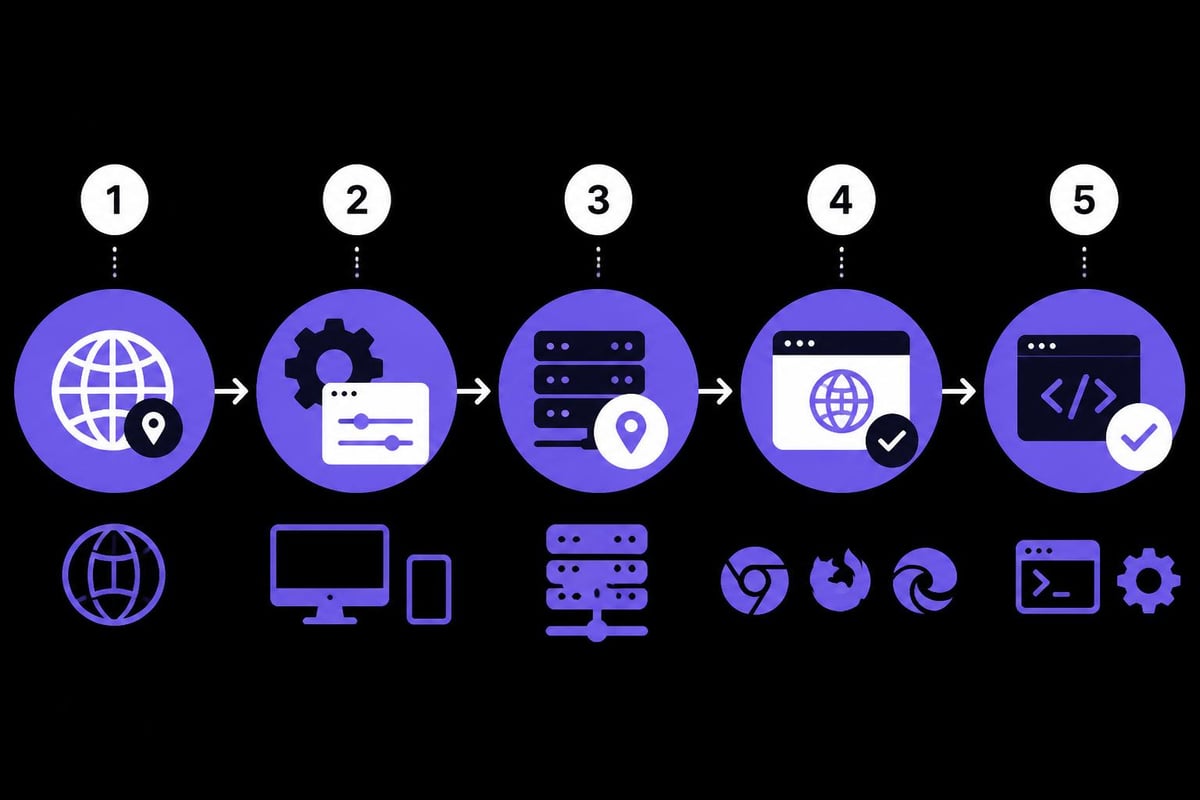
Configuring a free proxy server address varies depending on your operating system, browser, and intended application. Most modern browsers include built-in proxy settings accessible through their network or connection preferences. System-wide proxy configuration affects all applications, while browser-specific settings isolate proxy usage to web traffic only.
Browser Configuration Steps
For Chrome and Edge users, navigate to Settings > System > Open proxy settings. This launches your operating system's proxy configuration interface. Enter the free proxy server address in the designated fields, typically separated into HTTP and HTTPS sections. Specify the port number exactly as provided by the proxy service.
Firefox maintains independent proxy settings through Options > General > Network Settings. This isolation allows Firefox to use different proxy configurations than your system default. Select "Manual proxy configuration" and input the server address and port for each protocol type you intend to use.
Common configuration mistakes to avoid:
- Mixing HTTP and HTTPS proxy addresses incorrectly
- Forgetting to specify the correct port number
- Enabling proxies for local addresses unnecessarily
- Failing to configure bypass rules for internal networks
Application-Specific Setup
Many specialized applications require direct proxy configuration within their settings rather than relying on system defaults. Web scraping tools frequently include proxy fields in their connection settings. Enter the complete free proxy server address including protocol, IP or hostname, and port number.
Programming libraries and frameworks often accept proxy configurations through environment variables or initialization parameters. Python's requests library, for example, uses a dictionary format to specify proxy settings per protocol. JavaScript applications running in Node.js utilize similar structured approaches for proxy implementation.
Security Considerations and Risk Assessment
Using a free proxy server address introduces significant security implications that users must carefully evaluate. Unlike paid services with transparent privacy policies and established reputations, free proxies often operate with minimal oversight and unclear data handling practices. Your traffic passes through servers controlled by unknown entities, creating potential exposure to monitoring, logging, or manipulation.
Privacy and Data Protection Risks
Free proxy operators require infrastructure funding, leading to questions about their revenue models. Some inject advertisements into proxied web pages, while others may log and sell user data to third parties. The most concerning operators might actively intercept credentials, banking information, or personal communications passing through their servers.
Critical security vulnerabilities include:
- Unencrypted traffic interception and analysis
- Login credential harvesting
- Malware injection into downloaded files
- Man-in-the-middle attacks on SSL connections
- Session hijacking and cookie theft
Professional services like those offered through PinguProxy's zero-log policy demonstrate the privacy protections absent from most free alternatives. Enterprise-grade encryption, regular security audits, and transparent operational practices create accountability that free services rarely match.
Malicious Proxy Detection
Identifying potentially malicious free proxy server addresses before use helps mitigate risk. Check whether the proxy appears on reputation databases or security blacklists. Monitor network traffic for unexpected connections or data transmission when routing through the proxy. Be immediately suspicious of proxies requesting unusual permissions or software installations.
Watch for performance anomalies that might indicate traffic analysis or manipulation. Excessive latency beyond normal routing delays, unexplained disconnections, or modified content all suggest potentially compromised infrastructure. Compare the served content with known good sources to detect unauthorized modifications.
Performance Limitations and Alternatives
Free proxy server address performance typically suffers from overcrowding, limited bandwidth allocation, and unreliable uptime. Multiple users sharing the same IP address creates bottlenecks during peak usage periods. Connection speeds may vary dramatically throughout the day, making free proxies unsuitable for time-sensitive or bandwidth-intensive applications.
| Metric | Free Proxies | Premium Proxies |
|---|---|---|
| Average Speed | 0.5-5 Mbps | 100+ Mbps |
| Uptime | 60-80% | 99.9% |
| Concurrent Connections | 1-2 | Unlimited |
| IP Rotation | Manual/None | Automatic |
| Support | None | 24/7 |
Use Case Appropriateness
Free proxy server addresses work adequately for occasional, non-critical tasks like bypassing simple geographical restrictions or conducting basic privacy research. Students exploring proxy technology for academic research might find free options sufficient for understanding fundamental concepts and testing basic implementations.
However, professional applications demand reliability and performance that free proxies cannot deliver. Web scraping operations require consistent connection speeds, automatic rotation, and high success rates. E-commerce monitoring and SERP tracking need dedicated resources and guaranteed uptime to collect accurate, timely data.
When to Upgrade to Premium Solutions
Several indicators suggest it's time to transition from free proxy server addresses to professional services. If you're experiencing frequent disconnections, slow speeds, or blocked requests, free proxies are hampering your productivity. When security and privacy become business-critical concerns, the risks of free proxies outweigh their cost savings.
Upgrade triggers include:
- Running business-critical operations requiring reliability
- Handling sensitive data or authentication credentials
- Needing consistent high-speed connections
- Requiring IP rotation capabilities
- Scaling operations beyond occasional use
Professional proxy comparisons highlight the substantial differences in capabilities between free and paid services. Features like dedicated IP pools, guaranteed bandwidth, and responsive customer support justify the investment for serious users.
Advanced Free Proxy Techniques
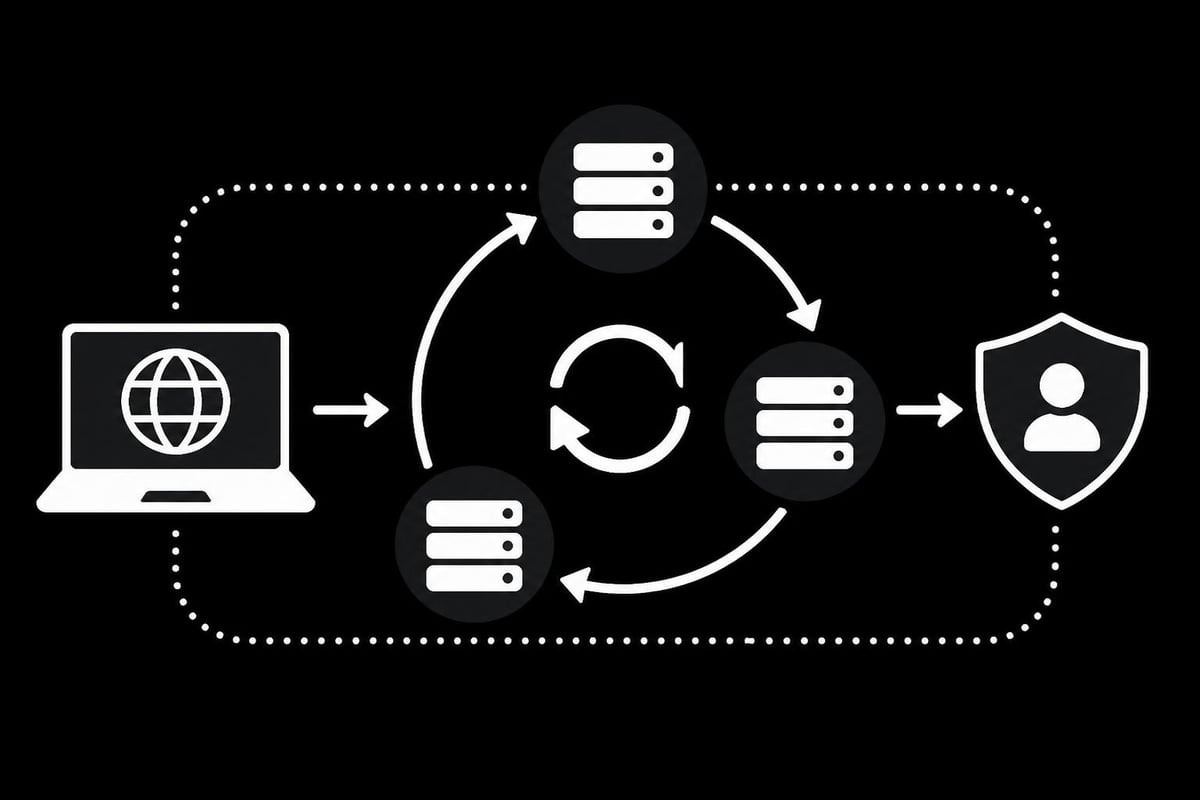
Maximizing the utility of free proxy server addresses requires understanding advanced configuration options and workarounds for common limitations. Proxy chaining connects multiple proxies in sequence, routing traffic through several intermediaries to increase anonymization. However, this approach multiplies latency and reduces already limited speeds.
Rotation and Management Strategies
Since individual free proxy server addresses frequently fail or become blacklisted, maintaining a rotation list proves essential for consistent access. Document working proxies with performance notes and last-verified dates. Implement automated testing scripts that periodically check your proxy list and remove non-functional addresses.
Build diversification into your proxy portfolio by sourcing addresses from multiple providers and geographical locations. This distribution reduces dependence on any single service and improves overall reliability. However, managing this complexity manually becomes tedious, which is why professional services offer automated proxy pool management.
Protocol Optimization
Selecting the appropriate protocol for your specific use case maximizes free proxy effectiveness. Use HTTP proxies for simple web browsing tasks where encryption isn't critical. Reserve HTTPS proxies for activities involving any personal information or login credentials, despite their slightly slower performance.
SOCKS5 proxies offer the greatest flexibility for applications beyond web browsing, though they're less commonly available in free proxy lists. When you locate a functional SOCKS5 free proxy server address, thoroughly test it across your intended applications before relying on it for important tasks.
Geographic Considerations and IP Diversity
The geographical location associated with your free proxy server address significantly impacts its utility for accessing region-specific content. A proxy located in the United States enables access to US-based streaming services and websites that implement geo-blocking. European proxies help comply with GDPR requirements when testing localized experiences.
Location Selection Strategies
Match your proxy location to your specific access requirements. Testing localization features demands proxies from target markets to accurately simulate user experiences. Price comparison across different regions requires IP addresses from those specific geographical areas to retrieve location-based pricing.
Geographic diversity benefits:
- Access to region-locked content libraries
- Accurate price monitoring across markets
- Localized search result verification
- Compliance testing for regional regulations
- Multi-market social media management
Free proxy server addresses typically concentrate in specific regions, limiting geographical diversity. Major technology hubs often host more free proxies due to abundant data center infrastructure, while developing regions offer fewer options. This uneven distribution complicates global testing and monitoring efforts.
IP Reputation Management
The IP address associated with your free proxy server address carries a reputation based on previous usage patterns. Shared free proxies often appear on spam and fraud blacklists due to abuse by other users. This pre-existing reputation affects your ability to access certain websites or services, regardless of your legitimate intentions.
Monitor how different services respond to your proxy connections. Frequent CAPTCHA challenges or outright blocks indicate poor IP reputation. Switch to alternative proxy addresses or consider whether free options adequately serve your needs. Premium services maintain clean IP pools specifically to avoid these reputation issues.
Legal and Ethical Implications
Using a free proxy server address carries legal and ethical responsibilities that users must understand and respect. While proxy usage itself remains legal in most jurisdictions, activities conducted through proxies must still comply with applicable laws and terms of service. Violating website terms of service by bypassing access controls or scraping prohibited content creates legal liability regardless of proxy usage.
Compliance Requirements
Different industries face specific regulatory requirements around data collection and privacy protection. Ad verification operations must comply with advertising platform policies while using proxies to verify placement and delivery. Cybersecurity research requires ethical guidelines and sometimes explicit authorization before probing systems through proxy servers.
Respect website robots.txt files and published API rate limits even when using proxies to mask your identity. Ethical web scraping practices include reasonable request rates, proper user agent identification, and honoring no-scrape directives. Free proxy usage doesn't exempt you from these professional standards.
Terms of Service Awareness
Most online platforms explicitly prohibit certain types of automated access or specifically ban proxy usage in their terms of service. Social media platforms like Instagram, TikTok, and Reddit implement sophisticated detection systems to identify and block proxy traffic. Using free proxy server addresses for these platforms often results in account suspension or permanent banning.
Gaming services and streaming platforms similarly restrict proxy usage to prevent cheating, fraud, or license agreement violations. Understand the specific policies of services you access through proxies and make informed decisions about acceptable use. When business operations depend on platform access, the risks of using detectable free proxies often outweigh any cost savings.
Troubleshooting Common Issues
Free proxy server address usage frequently encounters technical problems requiring systematic troubleshooting approaches. Connection failures represent the most common issue, typically resulting from inactive or overloaded proxy servers. Verify the proxy address and port number accuracy first, then test whether the proxy server responds to basic connectivity checks.
Connection and Authentication Problems
When a configured free proxy server address fails to establish connections, systematically eliminate potential causes. Test your internet connection without the proxy to confirm basic connectivity. Verify firewall settings aren't blocking proxy ports. Check whether the proxy requires authentication credentials that you haven't provided.
Systematic troubleshooting sequence:
- Confirm base internet connectivity
- Verify proxy address and port accuracy
- Test proxy server responsiveness
- Check authentication requirements
- Review firewall and security software settings
- Try alternative proxy addresses
- Test different protocols (HTTP vs SOCKS)
Some free proxy server addresses work intermittently based on server load or operator availability. Document working hours or performance patterns for individual proxies to optimize usage timing. However, this unpredictability makes free proxies unsuitable for operations requiring consistent availability.
Performance and Speed Issues
Slow connection speeds plague most free proxy server addresses due to overcrowding and bandwidth limitations. Test direct connection speeds versus proxied speeds to quantify the performance impact. If degradation exceeds acceptable levels for your use case, explore alternative proxy addresses or consider whether free options adequately serve your requirements.
Geographic distance between you and the proxy server contributes significantly to latency. Selecting proxies closer to your physical location reduces round-trip time, though it may conflict with geo-targeting requirements. Balance performance needs against geographical requirements based on your specific application.
Understanding free proxy server addresses helps you make informed decisions about when they're appropriate and when professional solutions become necessary. While free proxies serve occasional, low-stakes needs adequately, business-critical operations demand the reliability, security, and performance that only premium services deliver. PinguProxy offers enterprise-grade proxy solutions with 10Gbps bandwidth, automatic rotation, and comprehensive IPv4/IPv6 support, eliminating the limitations and risks associated with free alternatives while providing the speed and reliability your operations demand.