
Free SOCKS5 Proxy Software: Complete 2026 Guide
Finding reliable free socks5 proxy software can be challenging in 2026, especially when you need consistent performance for business applications. While free options exist, understanding their capabilities, limitations, and potential security risks is essential before integrating them into your workflow. This guide explores the landscape of free SOCKS5 proxy tools, examining what they offer and when investing in professional proxy services makes more sense for your specific use case.
Understanding SOCKS5 Proxy Software Architecture
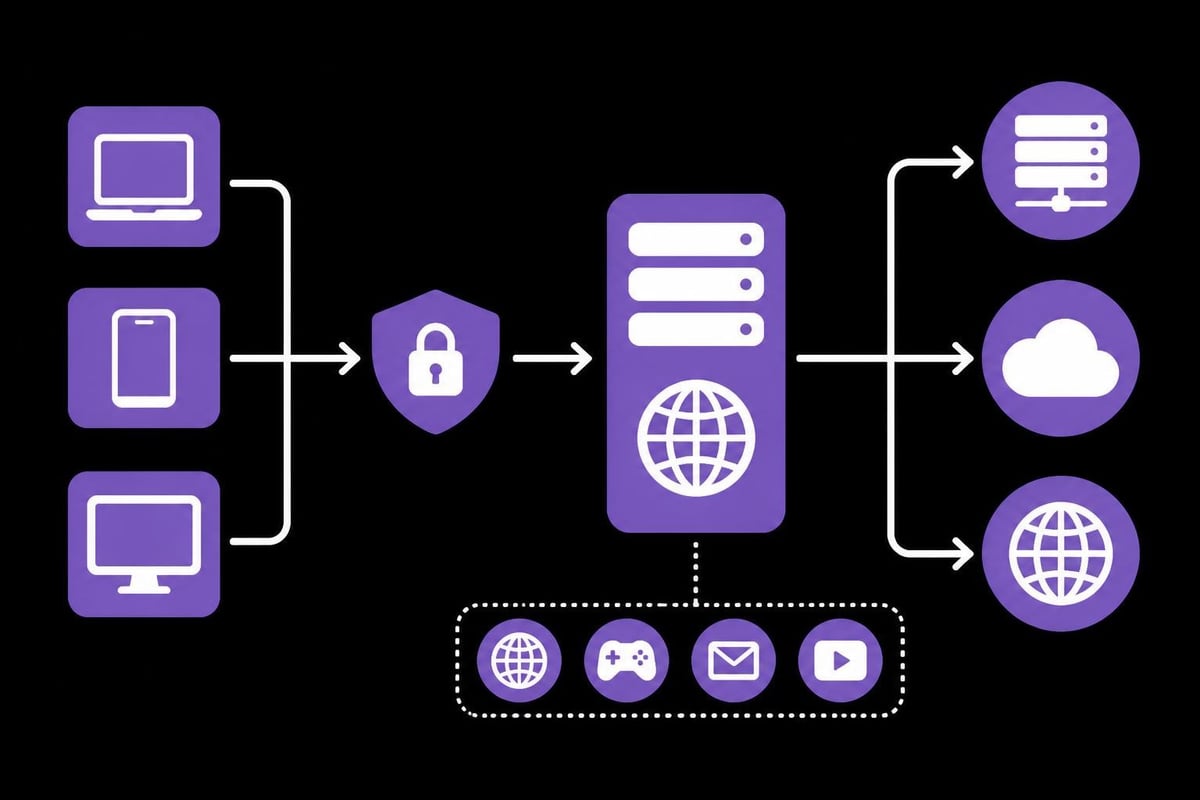
SOCKS5 represents the fifth version of the Socket Secure internet protocol, designed to route network packets between clients and servers through an intermediary proxy server. Unlike HTTP proxies that only handle web traffic, SOCKS5 operates at a lower level, supporting any type of traffic including email, file transfers, and P2P connections.
The protocol offers several advantages that make it popular among developers and businesses. Authentication mechanisms ensure only authorized users can access the proxy, while UDP support enables real-time applications like gaming and video streaming to function smoothly. SOCKS5 proxies don't modify packet headers, reducing the likelihood of errors and improving compatibility across various applications.
Key Technical Specifications
| Feature | Description | Business Impact |
|---|---|---|
| Protocol Type | Layer 5 (Session) | Universal application support |
| Authentication | Username/password or GSS-API | Enhanced security control |
| UDP Support | Full support for UDP traffic | Enables real-time applications |
| IPv6 Compatibility | Native IPv6 protocol support | Future-proof infrastructure |
| Error Handling | Improved over SOCKS4 | Better reliability |
When evaluating free socks5 proxy software, these technical specifications directly affect performance. Applications requiring web scraping or data collection benefit from SOCKS5's flexibility, though free versions often impose bandwidth limitations that can hinder large-scale operations.
Popular Free SOCKS5 Proxy Software Options
Several open-source and free tools have emerged as popular choices for users seeking SOCKS5 functionality without financial commitment. Each offers distinct features, compatibility profiles, and operational characteristics worth examining.
Shadowsocks stands out as a secure SOCKS5 proxy specifically designed to protect internet traffic through flexible encryption methods. Originally developed to circumvent internet censorship, it provides cross-platform support and has evolved into a robust solution for privacy-conscious users. The software's lightweight nature makes it particularly suitable for mobile devices and systems with limited resources.
Shadowsocks Implementation Details
- Supports multiple encryption algorithms including AES-256-GCM and ChaCha20-Poly1305
- Available for Windows, macOS, Linux, iOS, and Android platforms
- Plugin system extends functionality for specific use cases
- Community-driven development ensures regular updates
- Configuration requires technical knowledge for optimal setup
Another powerful option is Clash, a free, open-source network proxy tool that supports multiple protocols beyond just SOCKS5. Its smart rule splitting feature allows users to route different types of traffic through different proxies automatically, making it valuable for complex networking scenarios. The cross-platform compatibility ensures consistent behavior across operating systems.
Comparing Free Software Features
Different free socks5 proxy software packages prioritize various aspects of proxy functionality. Some focus on security and encryption, while others emphasize ease of use or performance optimization.
| Software | Platform Support | Key Strength | Setup Difficulty | Best For |
|---|---|---|---|---|
| Shadowsocks | All major platforms | Security & encryption | Medium | Privacy-focused users |
| Clash | Windows, macOS, Linux | Rule-based routing | Medium-High | Advanced configurations |
| ProxyBridge | Windows only | System-wide routing | Low | Simple Windows setups |
| Dante | Unix/Linux systems | Enterprise features | High | Server deployments |
ProxyBridge offers a unique approach by functioning as a universal proxy client for Windows that routes all system traffic through HTTP or SOCKS5 proxies. This VPN-like functionality simplifies configuration for users who want comprehensive traffic routing without manually configuring individual applications.
Free Proxy Lists and Public SOCKS5 Resources
Beyond dedicated software, numerous websites and repositories maintain lists of free public SOCKS5 proxies. These resources aggregate proxy servers from various sources, though they present different challenges compared to self-hosted free socks5 proxy software.
The GitHub free proxy list repository provides regularly updated compilations of verified HTTP, SOCKS4, and SOCKS5 proxies validated every 30 minutes. This automated validation helps ensure listed proxies remain functional, though uptime and performance still vary significantly. Similarly, the GetFreeProxy project aggregates proxies from multiple sources, offering developers and researchers a comprehensive resource for testing and development purposes.
Critical Limitations of Public Proxy Lists
- Unreliable uptime with proxies frequently going offline without notice
- Shared IP addresses leading to potential blacklisting on major platforms
- Unknown ownership raising serious security and privacy concerns
- Inconsistent speeds that fluctuate based on server load and location
- Limited geographic coverage compared to commercial proxy networks
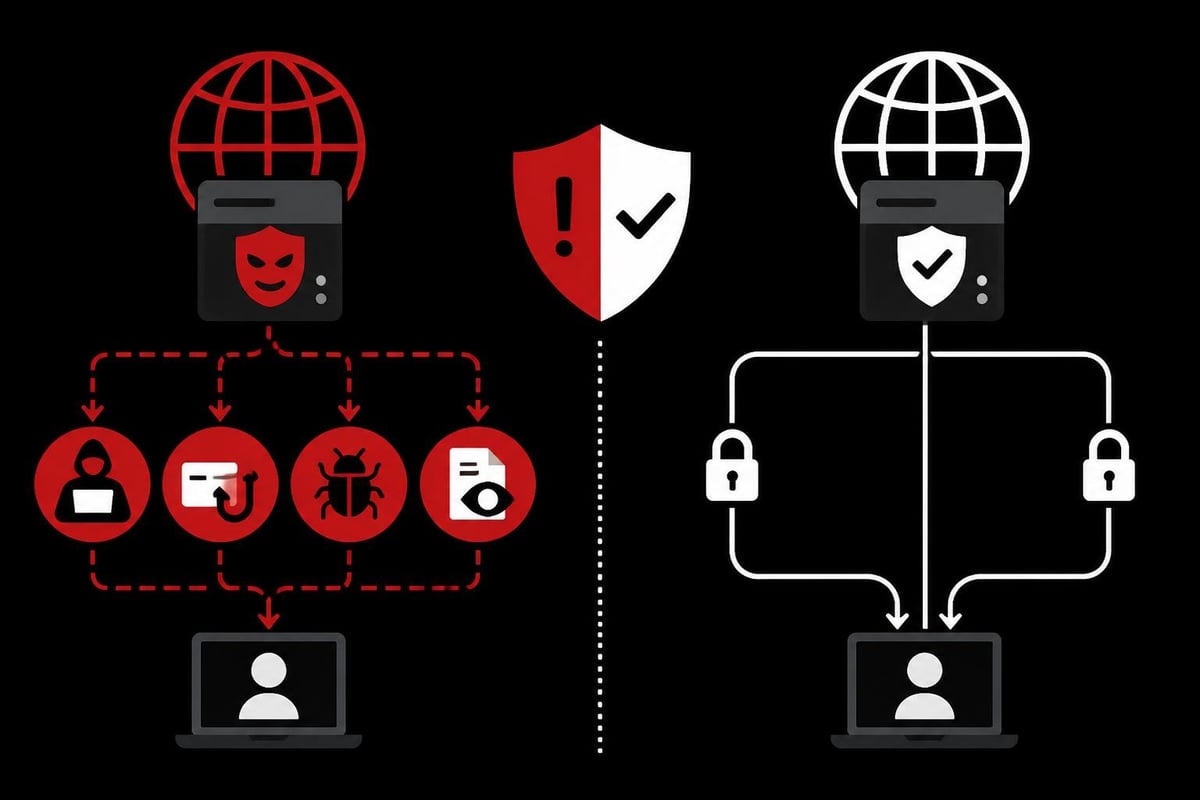
Research from an academic study on free web proxies revealed significant stability and security issues during a 30-month longitudinal analysis. The findings highlighted how free proxies pose considerable risks to user privacy and can be manipulated by malicious actors. A separate ProxyTorrent investigation exposed similar concerns within the free HTTP(S) proxy ecosystem, documenting instances of traffic interception and credential harvesting.
Security Considerations and Risk Assessment
Using free socks5 proxy software or public proxy lists introduces several security vulnerabilities that businesses must carefully evaluate. Understanding these risks helps organizations make informed decisions about their proxy infrastructure.
Traffic monitoring and logging represents perhaps the most significant concern. Free proxy operators may log all traffic passing through their servers, potentially capturing sensitive business data, authentication credentials, or proprietary information. Without clear privacy policies or accountability mechanisms, users have no guarantee their data remains confidential.
Common Security Threats
- Man-in-the-middle attacks where proxy operators intercept and modify traffic
- Malware injection through modified responses or downloaded files
- Credential harvesting from unencrypted authentication attempts
- DNS leaks exposing actual browsing destinations despite proxy use
- JavaScript injection for tracking or malicious purposes
Many free proxies lack proper encryption or implement it incorrectly, leaving data vulnerable during transmission. Even when using SOCKS5's authentication features, the underlying connection may not be encrypted unless combined with additional security layers like SSH tunneling or SSL/TLS wrapping.
Commercial proxy providers like PinguProxy address these concerns through comprehensive security policies including zero-log commitments, regular security audits, and enterprise-grade encryption. The difference in security posture between free and professional services becomes particularly important for businesses handling sensitive data or operating in regulated industries.
Performance Metrics and Real-World Testing
Free socks5 proxy software performance varies dramatically based on implementation quality, server resources, and user load. Benchmark testing reveals significant disparities between free and paid solutions across multiple dimensions.
Speed and Latency Comparisons
| Metric | Free Public Proxies | Self-Hosted Free Software | Premium Services |
|---|---|---|---|
| Average Latency | 300-800ms | 50-200ms | 10-50ms |
| Bandwidth Throttling | Common | None (self-limited) | None |
| Connection Success Rate | 40-60% | 80-90% | 99%+ |
| Simultaneous Connections | 1-5 typical | Unlimited (hardware-limited) | 100+ |
Bandwidth limitations plague most free options, with public proxies often capping speeds at 1-2 Mbps regardless of your internet connection capacity. This restriction makes them unsuitable for data-intensive applications like SERP monitoring or travel aggregation that require processing large volumes of information quickly.
Connection stability presents another challenge. Free proxies frequently experience unexpected downtime, requiring applications to implement robust error handling and fallback mechanisms. Testing across various TechRadar-reviewed free proxy services demonstrated average uptimes between 60-75%, compared to 99.9% uptime guarantees from professional providers.
Use Case Analysis: When Free Proxies Make Sense
Despite their limitations, free socks5 proxy software serves legitimate purposes in specific scenarios. Understanding appropriate use cases helps maximize value while minimizing risks.
Development and testing environments represent the most suitable application for free proxies. Developers building applications that will eventually use commercial proxies can prototype and test functionality using free alternatives before committing to paid services. This approach reduces development costs while allowing comprehensive feature testing.
Appropriate Use Cases for Free SOCKS5 Software
- Educational purposes for learning proxy technologies and network routing
- Personal privacy for casual browsing without business requirements
- Proof-of-concept projects demonstrating technical feasibility
- Low-volume testing of geo-restriction bypass capabilities
- Development environments before production deployment
Small-scale personal projects with minimal data sensitivity can also benefit from free options. Someone researching best SOCKS5 proxy free options for occasional use might find adequate performance from self-hosted Shadowsocks or similar tools.
Configuration and Setup Requirements
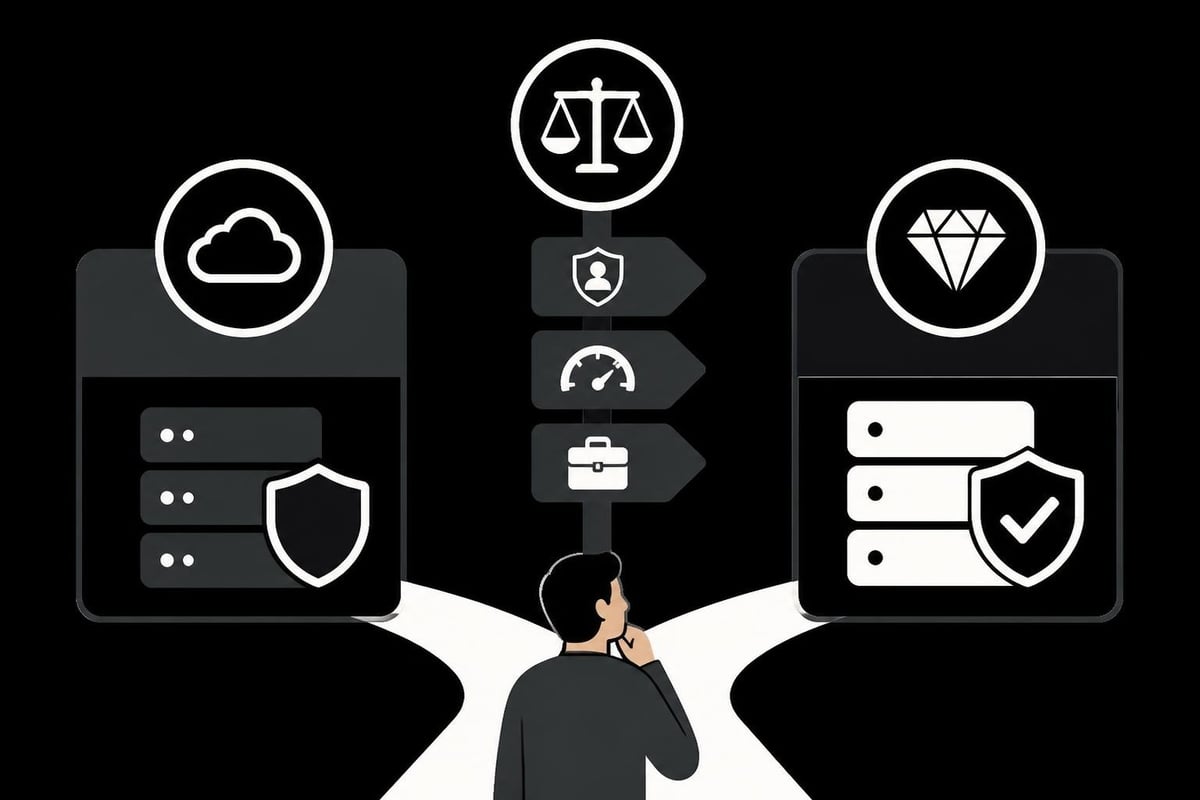
Installing and configuring free socks5 proxy software demands varying levels of technical expertise depending on the chosen solution. Most options require command-line interaction and network configuration knowledge.
Shadowsocks Configuration Steps
- Download the appropriate client for your operating system from official repositories
- Configure server connection details including IP address, port, password, and encryption method
- Select local port for SOCKS5 proxy listening (typically 1080)
- Configure system or application-level proxy settings to route traffic
- Test connection and verify IP address changes using online tools
System-wide versus application-level configuration represents a key decision point. Tools like ProxyBridge automatically route all system traffic, simplifying setup but reducing granular control. Alternatively, configuring individual applications provides precise control over which traffic uses the proxy but requires more extensive configuration.
Many applications require specific SOCKS5 proxy settings in their network preferences. Browsers like Firefox and Chrome offer built-in proxy configuration, while other software may need third-party tools or system-level routing changes to properly utilize SOCKS5 proxies.
Geographic Distribution and Server Locations
Free proxy availability varies significantly by geographic region, affecting practical utility for location-specific tasks. Most free socks5 proxy software solutions require users to provide their own servers, meaning geographic coverage depends entirely on where you deploy the software.
Public free proxy lists typically concentrate in specific regions based on hosting economics and regulatory environments. Analysis of major free proxy aggregators shows approximately 60% of available proxies located in just five countries, with limited coverage in regions like Africa, South America, and parts of Asia.
This geographic concentration creates problems for businesses requiring diverse IP locations. Companies involved in localization testing or e-commerce price comparison need proxies in specific target markets, which free options rarely provide reliably.
Regional Availability Patterns
- North America and Europe account for 75% of free proxies
- Asia-Pacific provides approximately 20% of available options
- Other regions combined contribute less than 5% of proxies
- Premium locations like Australia and Japan remain scarce in free pools
Professional proxy services address this limitation through purpose-built infrastructure spanning hundreds of locations. When comparing options through resources like TechRadar's proxy comparison guide, the geographic coverage differences between free and paid services become immediately apparent.
Integration with Business Applications
Integrating free socks5 proxy software into business workflows introduces technical challenges beyond simple configuration. Applications requiring proxy support must handle authentication, error recovery, and performance monitoring.
Most enterprise software platforms expect stable, reliable proxy infrastructure with consistent performance characteristics. Free proxies' unpredictable behavior can trigger application errors, incomplete data collection, or failed automation tasks. Applications like web scrapers need to implement sophisticated retry logic and proxy rotation to compensate for free proxy limitations.
Technical Integration Considerations
| Requirement | Free Software Capability | Business Impact |
|---|---|---|
| API Integration | Limited or absent | Manual configuration required |
| Automatic Failover | Not supported | Application crashes on failure |
| Load Balancing | Manual implementation | Complex code requirements |
| Authentication Methods | Basic username/password | Limited security options |
| Monitoring & Analytics | None included | Blind to performance issues |
For specialized applications like brand protection or ad verification, the reliability requirements typically exceed what free solutions can deliver. These use cases demand consistent IP addresses, high success rates, and detailed analytics that only professional services provide through features like rotating proxies and comprehensive API access.
Cost-Benefit Analysis for Business Users
Evaluating free socks5 proxy software against paid alternatives requires examining total cost of ownership beyond just subscription fees. Hidden costs associated with free options often exceed the apparent savings.
Time investment represents the largest hidden cost. Setting up, maintaining, and troubleshooting free proxy infrastructure consumes valuable technical resources. A developer spending 10 hours monthly managing free proxies at $75/hour effectively costs the business $750-often exceeding the price of professional proxy services.
Total Cost Comparison
- Initial setup time: 4-8 hours for free software vs. 15 minutes for commercial services
- Monthly maintenance: 5-10 hours managing free solutions vs. zero for managed services
- Downtime costs: Variable data collection failures vs. guaranteed uptime SLAs
- Security incident risk: Potential data breaches vs. contractual liability protection
- Opportunity costs: Engineering time diverted from core product development
Performance limitations compound costs for data-intensive operations. A scraping project collecting 1 million data points monthly might require 100+ hours using throttled free proxies versus 10 hours with high-speed datacenter proxies. The productivity difference alone justifies premium proxy investment for most commercial applications.
Alternative Free Solutions and Hybrid Approaches
Beyond traditional free socks5 proxy software, several alternative approaches offer proxy functionality without direct monetary cost. Understanding these options provides additional flexibility for specific scenarios.
Trial periods from commercial providers represent a often-overlooked free option. Many proxy services including specialized providers offer 7-30 day trial periods with full feature access. These trials enable thorough testing of production-quality infrastructure before committing to subscriptions, providing superior reliability compared to permanent free solutions.
Hybrid Implementation Strategies
- Use free proxies for non-critical development and testing environments
- Deploy commercial proxies for production workloads and sensitive operations
- Implement proxy rotation combining free and paid sources with quality scoring
- Utilize free options for proof-of-concept demonstrations to stakeholders
- Reserve premium proxies for high-value tasks like sneaker botting or ticket booking
Cloud provider free tiers sometimes include compute resources sufficient for self-hosting proxy software. Major cloud platforms offer small VM instances in their free tiers, allowing users to deploy Shadowsocks or similar solutions at zero direct cost, though bandwidth limitations and service restrictions apply.
Legal and Compliance Considerations
Using free socks5 proxy software intersects with various legal and regulatory frameworks that businesses must navigate carefully. Proxy usage legality varies by jurisdiction and intended application.
Terms of Service violations represent the most common legal issue. Many websites explicitly prohibit automated access or proxy usage in their ToS. Using proxies to circumvent these restrictions exposes businesses to civil liability, account termination, and potential legal action. This risk applies equally to free and paid proxies, though professional providers often offer legal guidance and compliance assistance.
Data protection regulations like GDPR, CCPA, and similar frameworks impose specific requirements on data handling. When using free proxies, businesses cannot verify compliance with these regulations or control how collected data is processed. This uncertainty creates significant compliance risk for organizations handling European or California resident data.
Compliance Risk Factors
- Unknown data jurisdiction complicates regulatory compliance
- Lack of data processing agreements violates GDPR requirements
- Inability to verify security practices creates audit vulnerabilities
- Missing breach notification mechanisms delay incident response
- Unclear liability chains complicate legal accountability
Industries with specific proxy use cases like cybersecurity or threat intelligence face additional compliance requirements. Free proxy services rarely provide the documentation, certifications, or contractual guarantees necessary for regulated industry compliance.
Migration Path from Free to Professional Services
Organizations outgrowing free socks5 proxy software face technical and operational challenges when transitioning to commercial providers. Planning this migration minimizes disruption and maximizes the value of premium proxy investments.
Application architecture often needs modification to leverage professional proxy features fully. Free proxies typically provide simple IP:port combinations, while commercial services offer sophisticated APIs, automatic rotation, session management, and geographic targeting. Refactoring applications to utilize these advanced capabilities maximizes ROI from premium subscriptions.
Migration Planning Steps
- Audit current proxy usage identifying applications, traffic volumes, and geographic requirements
- Evaluate provider options comparing features against specific business needs
- Design proxy architecture incorporating rotation strategies and failover mechanisms
- Implement gradual rollout starting with non-critical applications
- Monitor performance metrics validating improvements over free solutions
- Optimize configurations tuning settings for specific use cases
- Decommission free infrastructure retiring legacy proxy systems completely
Testing proxy functionality using tools like those available through proxy testing platforms helps validate configuration before full production deployment. This verification step prevents costly downtime during migration from free to paid services.
While free socks5 proxy software offers viable options for learning, testing, and small-scale personal projects, business applications typically demand the reliability, security, and performance that only professional services deliver. When your operations require consistent uptime, geographic diversity, high-speed connections, and robust security, PinguProxy provides enterprise-grade datacenter and mobile proxies with unlimited bandwidth, 1ms rotation capabilities, and 24/7 support-eliminating the hidden costs and risks associated with free alternatives while enabling your business to scale confidently.