
HTTP Proxy Site: Complete Guide for 2026
An http proxy site serves as an intermediary gateway between your device and the internet, routing your requests through a separate server before reaching your destination. This technology has become essential for businesses and individuals seeking enhanced privacy, unrestricted access to content, and efficient data collection strategies. Understanding how these proxy sites function and selecting the right service can dramatically improve your online operations, whether you're managing multiple social media accounts, conducting market research, or accessing geo-restricted content.
Understanding HTTP Proxy Site Fundamentals
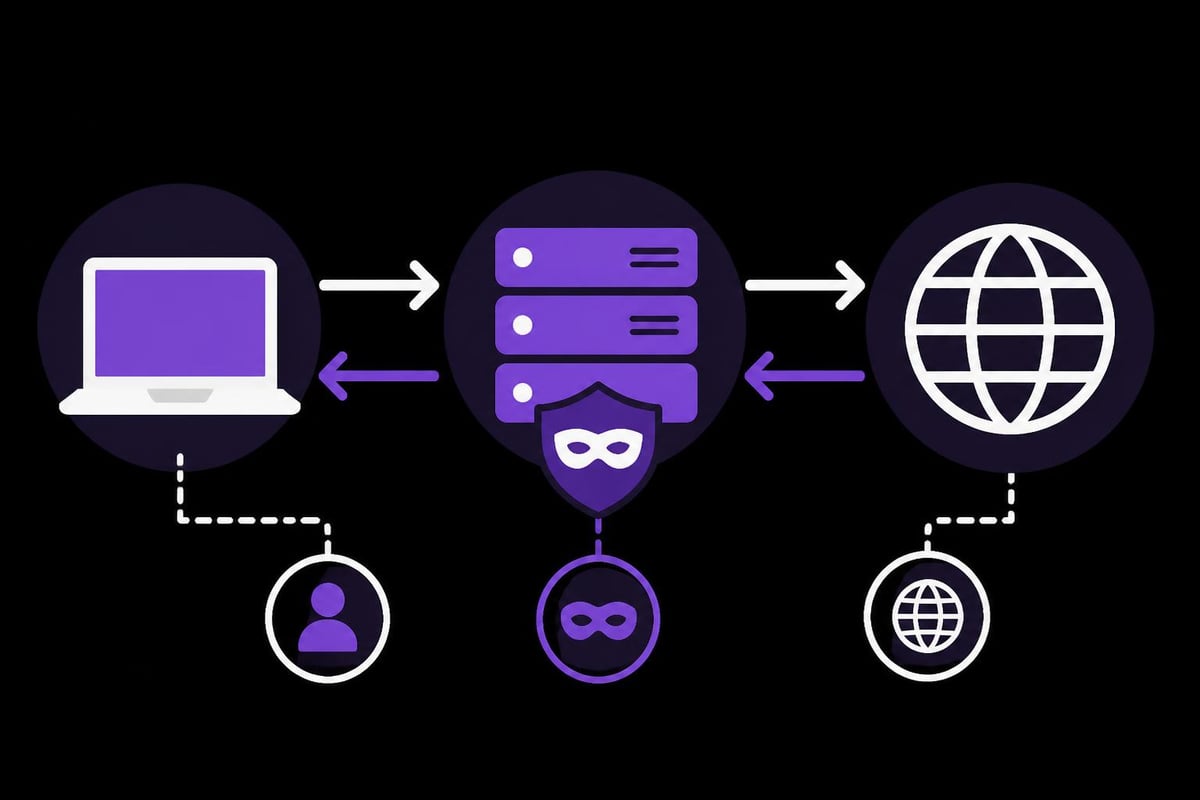
An http proxy site operates by accepting your web requests and forwarding them to the target server on your behalf. When the destination server responds, the proxy receives the data and sends it back to you. This seemingly simple process creates a powerful layer of anonymity and flexibility.
The architecture involves three key components: your client device, the proxy server, and the destination website. Your device sends an HTTP request to the proxy server, which evaluates and potentially modifies the request before transmitting it to the target. The proxy servers and tunneling mechanisms ensure smooth data flow while maintaining separation between your identity and the sites you visit.
Types of HTTP Proxy Implementations
Different proxy configurations serve distinct purposes:
- Transparent proxies that don't modify requests but cache content for faster delivery
- Anonymous proxies that hide your IP address while identifying themselves as proxy servers
- Elite proxies that completely mask both your identity and proxy usage
- Reverse proxies positioned in front of web servers to handle incoming traffic
Each type offers varying levels of privacy and functionality. Elite proxies provide maximum anonymity, making them ideal for sensitive operations where detection could compromise your objectives.
Benefits of Using an HTTP Proxy Site
Privacy protection stands as the primary advantage when utilizing an http proxy site. By routing your traffic through an intermediary server, you prevent websites from logging your actual IP address and location. This becomes critical when conducting competitive research or accessing platforms that might restrict multiple account operations.
Speed optimization represents another significant benefit. Quality proxy services like PinguProxy offer 10Gbps bandwidth, ensuring minimal latency even when routing traffic through proxy servers. The performance gap between direct connections and proxied connections has narrowed considerably in 2026, with premium providers delivering sub-millisecond routing times.
Access Control and Content Availability
Geographic restrictions often prevent access to region-specific content. An http proxy site with servers in multiple countries enables you to:
- Access streaming services available only in specific regions
- View pricing variations across different markets
- Test website functionality from various global locations
- Bypass censorship in restrictive environments
- Verify localized content delivery
Modern proxy networks support both IPv4 and IPv6 protocols, ensuring compatibility with the latest internet infrastructure while maintaining backward compatibility with legacy systems.
| Feature | Datacenter Proxies | Mobile Proxies | Residential Proxies |
|---|---|---|---|
| Speed | Excellent (10Gbps+) | Good (4G/5G) | Very Good |
| Anonymity | Good | Excellent | Excellent |
| Cost | Low | Medium-High | Medium |
| IP Pool Size | Large | Medium | Very Large |
| Detection Risk | Medium | Low | Very Low |
Security Considerations for HTTP Proxy Sites
Not all proxy services maintain equal security standards. The extensive evaluation of open proxies reveals significant vulnerabilities in free and poorly maintained proxy networks. Many free proxies inject advertisements, track browsing behavior, or even intercept sensitive data transmitted through their servers.
Zero-log policies have become the industry standard for reputable providers. This commitment ensures that no browsing history, connection timestamps, or IP address associations are stored on proxy servers. When selecting an http proxy site, verify their logging practices and data retention policies.
Encryption protocols add another security layer. While HTTP proxies traditionally don't encrypt traffic between your device and the proxy server, premium services now offer HTTPS support and additional encryption options. This prevents internet service providers from monitoring your proxy usage and protects data transmission.
Authentication and Access Control
Secure proxy implementations require robust authentication mechanisms:
- Username and password combinations for basic access control
- IP whitelisting to restrict proxy usage to authorized networks
- API key authentication for programmatic access
- Two-factor authentication for sensitive operations
These measures prevent unauthorized proxy usage and protect your allocated bandwidth from exploitation.
Practical Applications and Use Cases
Web scraping operations benefit tremendously from using an http proxy site. When collecting data from multiple sources, distributing requests across numerous IP addresses prevents rate limiting and detection. Rotating proxies for web scraping enable continuous data collection without triggering anti-bot mechanisms.
E-commerce monitoring requires accessing competitor websites frequently without revealing your identity. An http proxy site allows price comparison tools to check multiple retailers simultaneously while appearing as distinct visitors. This capability proves essential for dynamic pricing strategies and inventory monitoring.
Social media management presents unique challenges when handling multiple accounts. Platforms actively detect and restrict accounts accessed from identical IP addresses. Mobile proxies for social media management provide residential IP addresses that appear as legitimate mobile users, reducing suspension risks.
SEO and Digital Marketing Applications
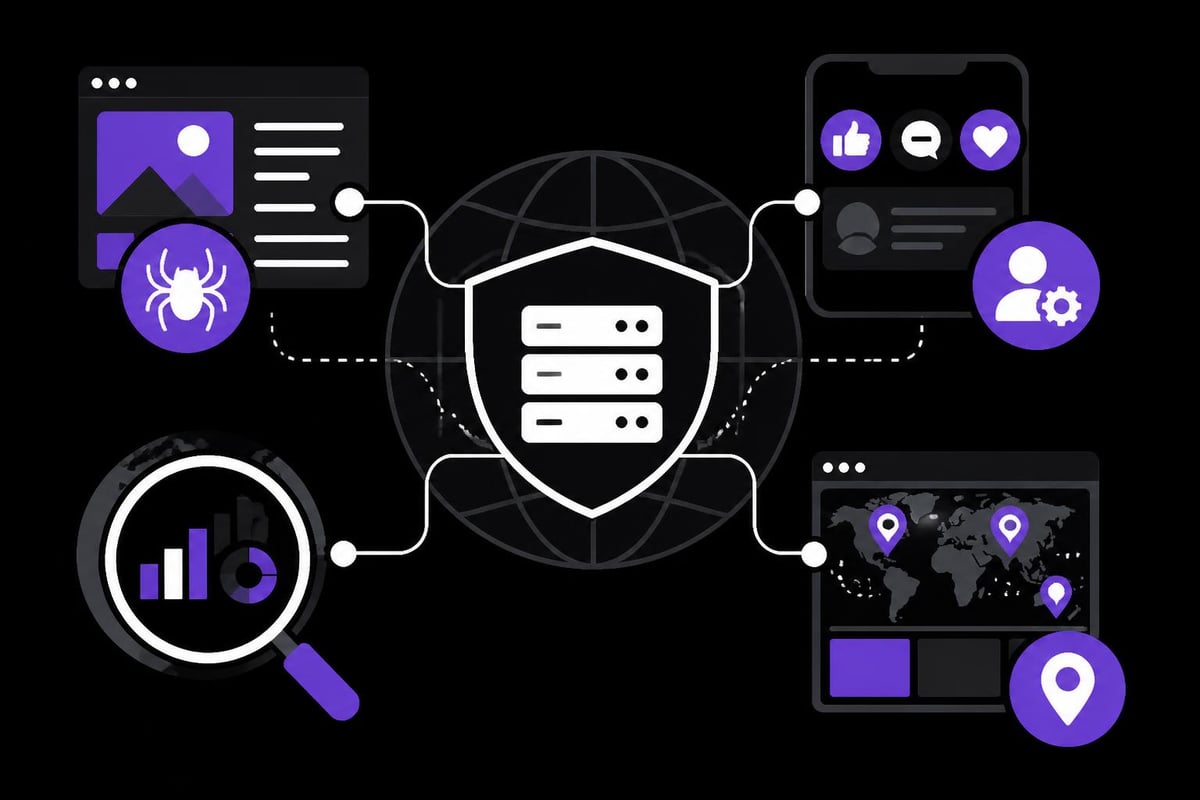
Search engine results vary significantly based on geographic location and browsing history. An http proxy site enables accurate rank tracking by:
- Checking keyword positions from specific cities or countries
- Viewing search results without personalization bias
- Monitoring local business listings across different regions
- Verifying ad placements in target markets
Marketing professionals use proxy networks to analyze competitor strategies without leaving digital fingerprints. This intelligence gathering remains undetectable when routed through properly configured proxy infrastructure.
Selecting the Right HTTP Proxy Service
Performance metrics should guide your selection process. Connection speed, server locations, IP pool size, and protocol support directly impact operational efficiency. Premium services maintain extensive infrastructure with servers strategically positioned across major data centers and residential networks.
Bandwidth limitations often separate budget services from enterprise-grade solutions. Unlimited bandwidth prevents unexpected service interruptions during high-volume operations. This becomes critical for applications like web scraping operations that transfer substantial data quantities.
Support availability matters more than most users realize initially. Technical issues requiring immediate resolution can cripple time-sensitive operations. Services offering 24/7 customer support ensure problems get addressed regardless of timezone or schedule.
Evaluating Proxy Network Quality
Quality indicators include:
- IP rotation frequency - How quickly proxies assign new IP addresses
- Success rate - Percentage of requests successfully completed
- Geographic coverage - Number of countries and cities available
- Protocol support - HTTP, HTTPS, SOCKS5 compatibility
- Concurrent connection limits - How many simultaneous sessions allowed
The best proxy services of 2026 consistently demonstrate excellence across these metrics while maintaining transparent pricing and clear terms of service.
HTTP Proxy Site Configuration and Setup
Implementation complexity varies based on your technical expertise and specific requirements. Browser-based proxy configuration represents the simplest approach, requiring only proxy server details entered in connection settings. This method works well for basic browsing privacy but lacks the sophistication needed for automated operations.
Application-level configuration provides granular control by specifying proxy settings for individual programs. Web scraping tools, automation frameworks, and API clients typically support proxy configuration through environment variables or configuration files.
System-wide proxy settings route all network traffic through your specified http proxy site. While comprehensive, this approach can cause conflicts with applications requiring direct internet access or VPN connections.
| Configuration Method | Complexity | Flexibility | Best For |
|---|---|---|---|
| Browser Settings | Low | Low | Casual browsing |
| Application Config | Medium | High | Specific tools |
| System-Wide | Medium | Medium | All applications |
| Proxy Scripts | High | Very High | Custom automation |
Authentication and Connection Parameters
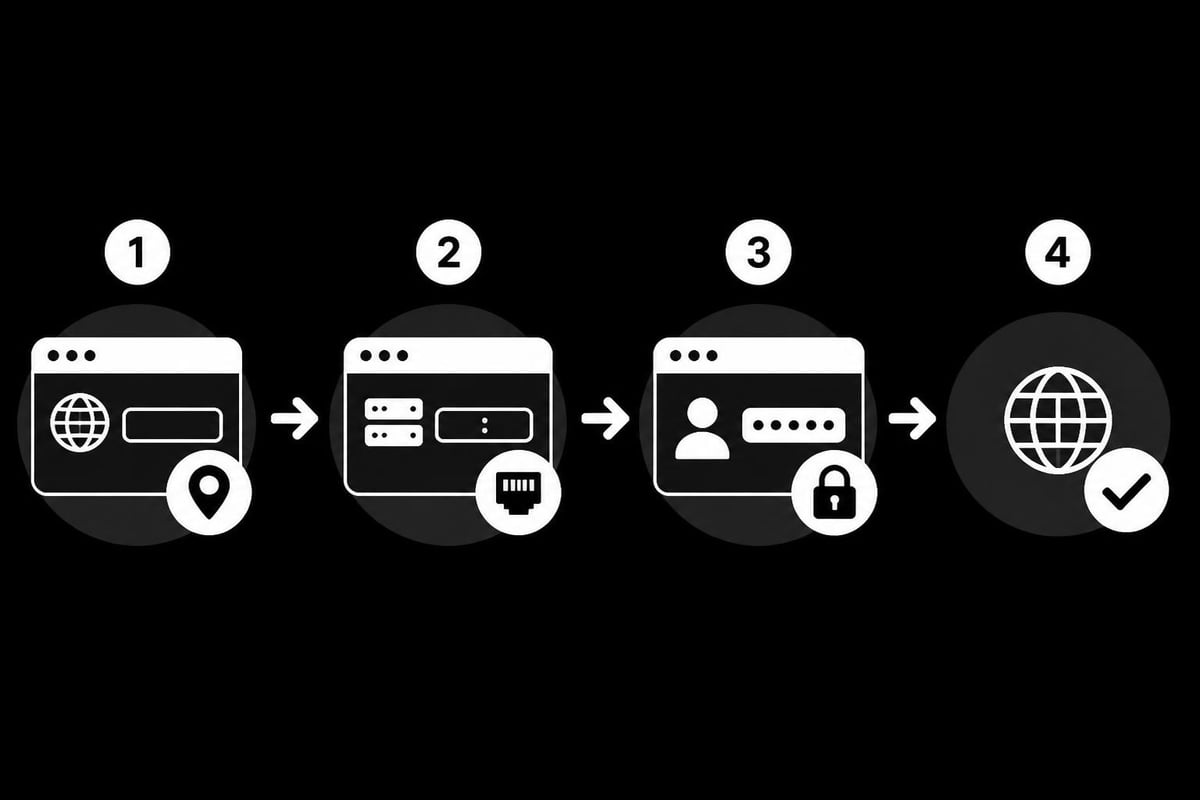
Proper configuration requires several critical parameters:
- Proxy host address - The IP address or domain name of your proxy server
- Port number - Typically 8080, 3128, or custom ports
- Protocol type - HTTP, HTTPS, or SOCKS5
- Authentication credentials - Username and password if required
- Timeout values - How long to wait for responses before failing
Testing configurations before deployment prevents operational disruptions. Simple connectivity tests verify that requests successfully route through your http proxy site and return expected responses.
Advanced HTTP Proxy Features
Modern proxy services extend beyond basic request forwarding. Session persistence maintains consistent IP addresses across multiple requests, crucial for maintaining logged-in states and avoiding bot detection. This feature proves essential when bypassing anti-bot detection systems that track behavioral patterns.
Geographic targeting allows precise location selection down to city-level granularity. Rather than randomly assigned IP addresses, you specify exact regions matching your target audience or data collection requirements. This precision enhances research accuracy and improves success rates for location-dependent operations.
Request header customization enables complete control over how proxy servers present your requests. Modifying user agents, accept languages, and other headers creates authentic browsing patterns that blend seamlessly with organic traffic.
Proxy Rotation Strategies
Effective rotation policies balance anonymity with session consistency:
- Time-based rotation changes IP addresses at fixed intervals
- Request-based rotation assigns new IPs after specific request counts
- Random rotation selects IPs unpredictably from available pools
- Sticky sessions maintain consistent IPs for defined periods
Services offering 1ms proxy rotation provide near-instantaneous IP changes while maintaining connection stability. This rapid rotation prevents pattern detection while supporting high-throughput operations.
Common Challenges and Solutions
Connection failures represent the most frequent issue when using an http proxy site. These typically result from incorrect configuration parameters, authentication errors, or proxy server downtime. Systematic troubleshooting involves verifying credentials, testing server connectivity, and reviewing error messages for specific failure causes.
Rate limiting occurs when target websites detect unusual traffic patterns despite proxy usage. Sophisticated detection systems analyze request timing, header patterns, and behavioral signatures. Overcoming these restrictions requires:
- Randomizing request intervals to mimic human browsing
- Rotating user agents and browser fingerprints
- Distributing requests across larger IP pools
- Implementing delays between consecutive requests
IP blocks happen when websites maintain blacklists of known proxy IP addresses. While frustrating, this emphasizes the importance of choosing providers with fresh, clean IP pools. Services continuously monitoring and rotating their IP inventory minimize block rates.
Performance Optimization Techniques
Maximizing proxy performance requires strategic implementation. Connection pooling reduces overhead by maintaining persistent connections to proxy servers rather than establishing new connections for each request. This optimization significantly improves throughput for high-volume operations.
Local caching stores frequently accessed resources, reducing redundant proxy requests. While proxy servers often implement their own caching, client-side caching provides additional performance benefits and reduces bandwidth consumption.
Parallel processing distributes workloads across multiple proxy connections simultaneously. Rather than sequential request processing, parallel execution leverages multiple IP addresses and connections for exponential speed improvements.
Privacy and Legal Considerations
Using an http proxy site carries both privacy benefits and legal responsibilities. While proxies enhance anonymity, they don't provide complete immunity from tracking or legal consequences. Websites employ sophisticated fingerprinting techniques that identify users beyond simple IP address analysis.
Ethical usage requires respecting website terms of service and avoiding prohibited activities. Many websites explicitly prohibit automated access or scraping operations. Understanding these restrictions and operating within acceptable boundaries prevents legal complications.
The free HTTP proxy ecosystem reveals concerning security practices among no-cost services. Many free proxies monitor traffic, inject malicious code, or sell user data to third parties. These risks substantially outweigh any cost savings, particularly for business applications.
Compliance and Data Protection
Organizations handling personal data must ensure proxy usage complies with regulations:
- GDPR requirements for European data subjects
- CCPA compliance for California residents
- Industry-specific regulations like HIPAA or PCI-DSS
- Data residency requirements restricting where data can be processed
- Cross-border data transfer restrictions
Reputable proxy providers maintain transparent data handling practices and support compliance requirements through documented policies and technical safeguards.
Integration with Existing Infrastructure
Modern http proxy site services provide comprehensive API access for programmatic control. These APIs enable dynamic proxy allocation, real-time performance monitoring, and automated failover mechanisms. Integration with popular programming languages and frameworks requires minimal development effort.
Cloud-based operations benefit from proxy services offering direct integration with major cloud providers. This seamless connectivity reduces latency and simplifies architecture by eliminating complex routing configurations. Services supporting both datacenter and mobile proxies through unified interfaces provide maximum deployment flexibility.
Development teams appreciate proxy services offering detailed documentation, code examples, and SDK libraries. These resources accelerate implementation and reduce troubleshooting time when issues arise.
Understanding how an http proxy site functions and selecting a service aligned with your specific needs creates powerful opportunities for enhanced privacy, unrestricted access, and efficient data operations. Whether you're conducting market research, managing multiple accounts, or collecting competitive intelligence, the right proxy infrastructure provides essential capabilities while maintaining security and compliance. PinguProxy delivers enterprise-grade proxy solutions with 10Gbps bandwidth, unlimited access, and complete IPv4/IPv6 support, backed by zero-log policies and 24/7 support to ensure your operations run smoothly and securely.