
The Essential Guide to Static ISP Proxies (2025)
In a world where online privacy and reliability are paramount, static isp proxies are rapidly becoming the gold standard for both businesses and individuals in 2025. As digital threats and restrictions grow, the demand for secure and trustworthy connectivity solutions has never been higher.
This essential guide demystifies static isp proxies, breaking down their core benefits, primary use cases, and the key differences from other proxy types. You will discover how to select the right provider, set up your proxies efficiently, and stay ahead of emerging trends. Ready for actionable insights? Let’s get started.
What Are Static ISP Proxies?
In the fast-evolving digital landscape, static isp proxies have emerged as a cornerstone for privacy and reliability. But what exactly are static isp proxies, and why are they gaining traction among businesses and individuals alike? To answer these questions, let’s break down their core concepts, technical strengths, and how they compare to other popular proxy solutions.
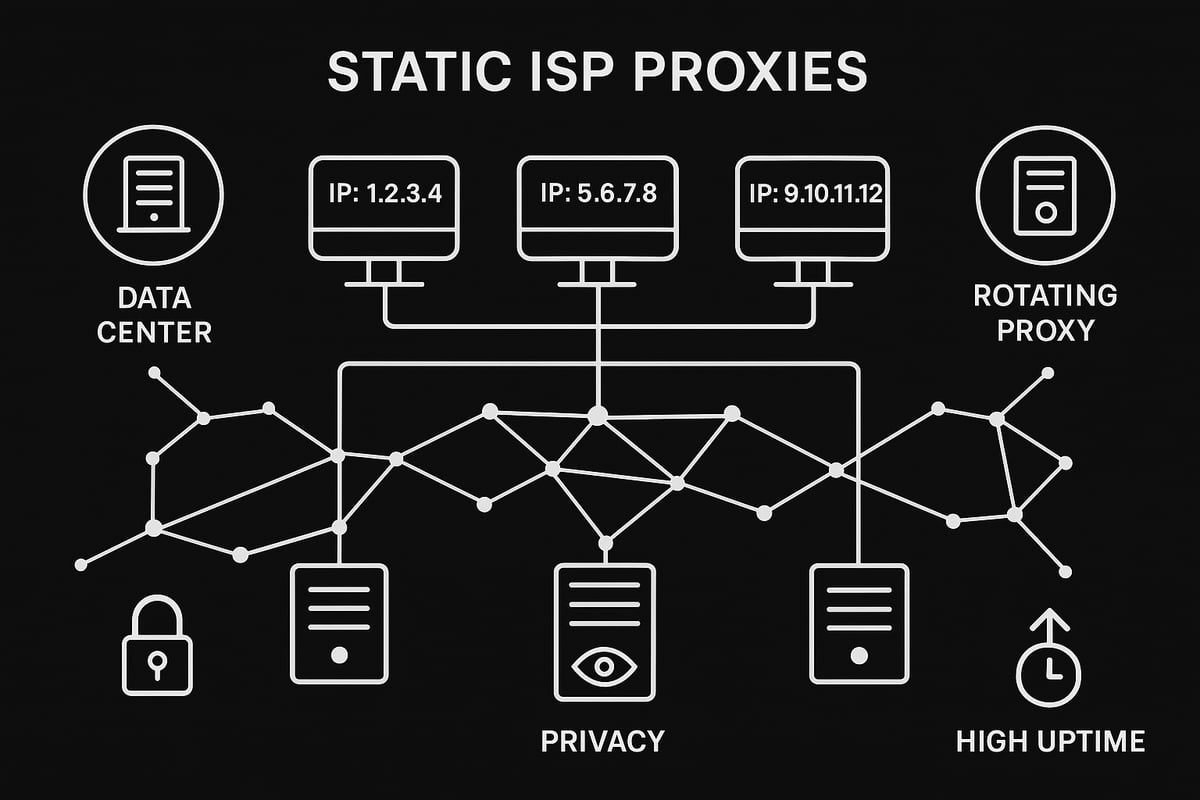
Definition and Core Concepts
Static isp proxies are intermediary servers that assign users a fixed, ISP-leased IP address. Unlike datacenter proxies, which use IPs owned by hosting providers, static isp proxies obtain their IPs directly from legitimate Internet Service Providers. This means the IP address you use remains constant and appears as a genuine residential connection, not a commercial or data center node.
Let’s clarify some terminology:
- Static: The IP address stays the same throughout your session.
- ISP: The address is sourced from a real Internet Service Provider, not from a data center.
- Proxy: Acts as a shield, masking your actual IP and relaying requests.
This combination provides both stability and authenticity. The technical setup involves leasing IPs from ISPs, then routing your traffic through these addresses. As a result, static isp proxies are less likely to be flagged or blocked by websites, making them ideal for long-term, uninterrupted access.
Key Characteristics and Technical Specifications
One standout feature of static isp proxies is static IP retention. Unlike rotating proxies, which cycle through a pool of addresses, static isp proxies let you keep the same IP for as long as you need. This is crucial for tasks where session persistence is key, such as managing accounts or maintaining login states.
Performance benchmarks often show static isp proxies achieving high speeds and up to 99.9% uptime. They support both IPv4 and IPv6, ensuring compatibility with modern web services. Security is also robust, with encryption and privacy measures built into most reputable services.
For example, an e-commerce company using static isp proxies can monitor competitor prices without getting blocked, as their IP appears as a regular residential user. This is a significant advantage over datacenter proxies, which are more easily detected and blacklisted.
Static ISP Proxies vs. Other Proxy Types
How do static isp proxies stack up against residential, datacenter, and mobile proxies? Here’s a quick comparison:
| Proxy Type | IP Source | Rotates? | Legitimacy | Best Use Case |
|---|---|---|---|---|
| Static ISP | ISP Residential | No | High | Account management, scraping |
| Residential | Home users | Sometimes | Very High | Web scraping, ad testing |
| Datacenter | Hosting providers | Sometimes | Low | Bulk tasks, speed focus |
| Mobile | Mobile carriers | Yes | Very High | Social media, geo-testing |
Static isp proxies offer a sweet spot: more stable than rotating proxies, more legitimate than datacenter proxies, and often less expensive than mobile alternatives. According to industry analysts, market share for static isp proxies grew by over 30% in 2024, reflecting their rising popularity for e-commerce, social media, and automation projects.
For a deeper dive into the differences, check out this Proxy types and differences guide, which explores how static isp proxies compare with other solutions.
Static isp proxies are quickly becoming the go-to choice for those needing stable, authentic, and reliable online identity management.
Core Benefits and Use Cases of Static ISP Proxies
In today's digital landscape, the demand for privacy, reliability, and seamless access is higher than ever. Static isp proxies are quickly becoming the preferred choice for users who need a blend of security, speed, and legitimacy. Let's break down the core benefits and real-world use cases that make static isp proxies indispensable for both individuals and businesses.

Enhanced Privacy and Anonymity
Static isp proxies excel at masking original IP addresses while maintaining the appearance of legitimate user traffic. By routing your internet requests through IPs assigned by real ISPs, these proxies make your online activities harder to trace back to you.
Most reputable static isp proxies enforce strict zero-log policies. This means your browsing data is not stored, which is vital for protecting sensitive research or business intelligence operations.
- Hide your true location and identity online
- Prevent tracking by websites and advertisers
- Safeguard confidential business strategies
For researchers, journalists, and companies, static isp proxies provide a safe environment to gather intelligence without exposing their identity. This layer of anonymity is essential for competitive analysis and sensitive investigations.
Reliable Access and Unblocking Capabilities
One major advantage of static isp proxies is their ability to bypass geo-restrictions and CAPTCHAs with ease. Many websites identify and block datacenter proxies, but static isp proxies appear as ordinary residential users, reducing the risk of blocks.
Because these proxies use static IPs, you benefit from session persistence. This is crucial for managing multiple social media accounts, running automation scripts, or even sneaker copping, where consistent access can make or break your strategy.
- Access region-locked content globally
- Maintain continuous sessions without interruption
- Reduce the frequency of annoying CAPTCHAs
For digital marketers and e-commerce professionals, reliable access ensures campaigns and operations run smoothly, no matter where your target audience is located.
Improved Performance and Stability
Speed and uptime are where static isp proxies truly shine. Unlike rotating or datacenter proxies that may suffer from frequent disconnections or slowdowns, static isp proxies typically offer 99.9% uptime and fast response times.
This results in fewer failed requests and more efficient workflows, especially when monitoring e-commerce sites or running automation tools. According to Advantages of Static ISP Proxies, businesses report significant improvements in both stability and speed when switching to static isp proxies.
| Proxy Type | Average Uptime | Speed Benchmark | Session Persistence |
|---|---|---|---|
| Static ISP Proxies | 99.9% | Fast | Excellent |
| Rotating Proxies | 97% | Variable | Poor |
| Datacenter Proxies | 98% | Fast | Moderate |
E-commerce monitoring, price tracking, and streaming all benefit from uninterrupted sessions and quick loading times, giving users a competitive edge.
SEO, Data Mining, and Automation
For those involved in large-scale web scraping, static isp proxies offer a powerful solution. Their legitimacy reduces the risk of blacklisting, making them ideal for collecting data from travel, retail, or social media platforms.
- Gather pricing intelligence without detection
- Automate SEO audits and rank tracking
- Scrape vast amounts of data without frequent bans
Recent industry stats show that static isp proxies achieve higher success rates in scraping tasks compared to residential proxies, thanks to their stable IPs and authentic ISP assignment. This reliability is critical for businesses that depend on timely, accurate data.
Business and Enterprise Applications
Static isp proxies are essential for enterprise-level tasks like ad verification, affiliate marketing, and brand protection. By simulating real user behavior, companies can detect ad fraud, monitor partner compliance, and safeguard their digital assets.
- Verify ads across multiple regions
- Prevent click fraud and fake impressions
- Protect brand reputation online
Between 2024 and 2025, enterprise adoption of static isp proxies has surged as organizations prioritize data integrity and operational security. Their ability to deliver consistent, legitimate traffic makes them the backbone of many digital business strategies.
How to Choose the Right Static ISP Proxy Provider
Choosing the best provider for static isp proxies can be the difference between seamless operations and frustrating setbacks. The right decision hinges on understanding your needs, setting clear priorities, and carefully evaluating each provider.
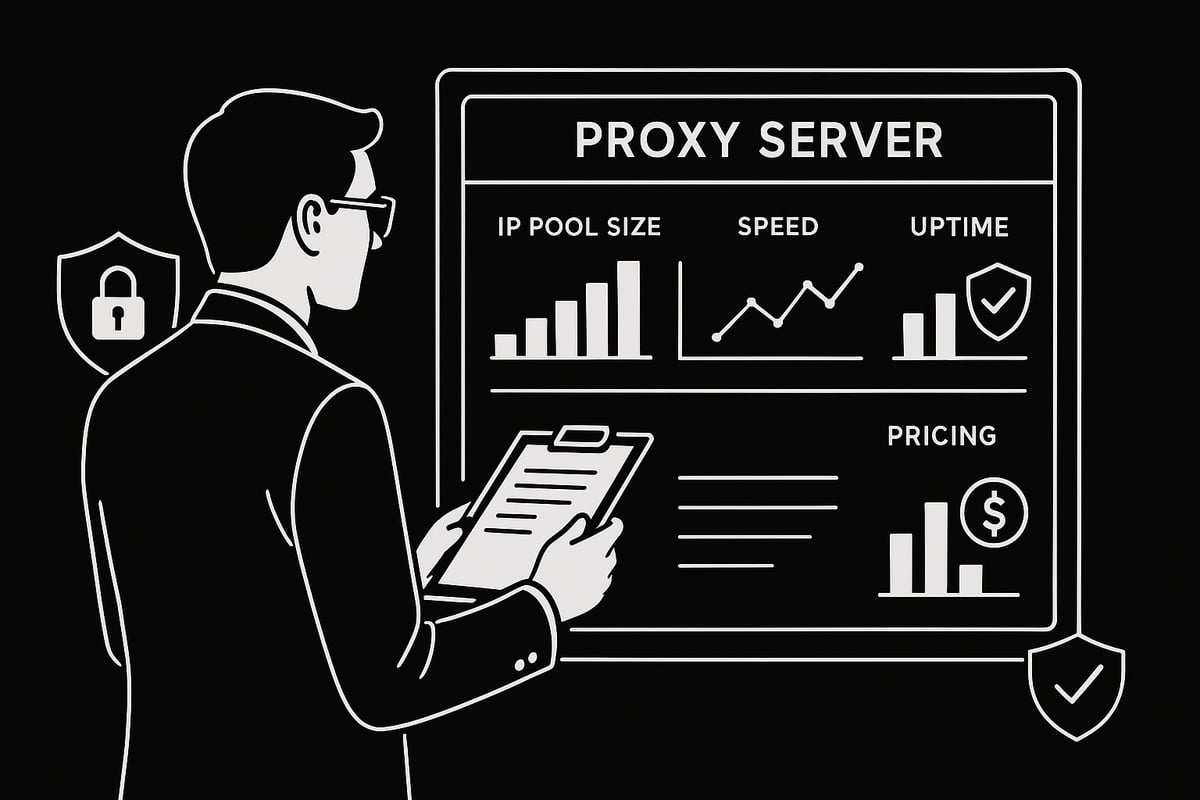
Essential Evaluation Criteria
Start by examining the core features that set static isp proxies apart. Look for a provider with a large and diverse IP pool, ensuring coverage in the regions you need. Geographic diversity is key for businesses managing accounts or data in multiple countries.
Bandwidth limits and connection speeds should align with your intended use. For example, high-speed proxies are crucial for web scraping and automation tasks. Uptime is equally important - seek providers with at least 99.9% uptime guarantees.
Security features matter. Choose static isp proxies with end-to-end encryption and a strict zero-log policy. Responsive customer support is also essential, especially if you encounter technical issues or need setup guidance.
Here's a quick checklist for evaluation:
- IP pool size and location diversity
- Bandwidth and speed guarantees
- Uptime reliability
- Encryption and privacy policies
- Customer support availability
For a deeper dive into how providers compare, the Comparative Analysis of Proxy Types offers valuable insights into static isp proxies and their competitors.
Pricing Models and Cost Considerations
Understanding pricing models is crucial when investing in static isp proxies. Providers typically offer pay-as-you-go, monthly subscriptions, or bulk purchase packages. Consider the volume of proxies you need and the length of your projects.
Calculate your potential return on investment. For ongoing projects like SEO monitoring or e-commerce intelligence, a subscription might be more cost-effective. For short-term campaigns, pay-as-you-go can offer flexibility.
Here's a simple table to help you compare:
| Pricing Model | Best for | Key Consideration |
|---|---|---|
| Pay-as-you-go | Short-term, low volume | Flexibility |
| Subscription | Ongoing, high volume | Lower per-proxy cost |
| Bulk Packages | Large enterprises, resellers | Maximum discounts |
Always read the fine print. Some providers charge hidden fees for bandwidth overages or additional features. Compare several static isp proxies providers to find the balance between cost and features.
Reputation, Reliability, and Support
A provider's reputation is an early indicator of performance and trustworthiness. Research online reviews and testimonials from businesses using static isp proxies. Transparent providers will clearly list their IP sources, policies, and service level agreements.
Customer support should be responsive and knowledgeable. Test response times before committing. Look for support channels like live chat, email, or even phone assistance, especially if you run mission-critical operations.
Watch for red flags:
- Hidden fees or unclear pricing
- Frequent downtime or slow speeds
- Poor documentation or lack of setup guides
Choosing static isp proxies from a reputable provider minimizes risks and helps ensure long-term reliability.
Legal and Ethical Considerations
Compliance is non-negotiable when using static isp proxies. Make sure your provider adheres to local laws and the terms of service of target websites. Using proxies sourced without proper authorization can expose your business to legal risks.
Providers should be transparent about how they source their IPs. Avoid services that cannot demonstrate legitimate IP acquisition. Unauthorized proxies can lead to blacklisting or even lawsuits.
For businesses, especially those handling sensitive data, regular audits and compliance checks are essential. Static isp proxies must not be used for activities that breach privacy laws or ethical guidelines.
In summary, selecting static isp proxies involves a careful balance of technical, financial, and legal considerations. By following these steps, you can confidently choose a provider that meets your needs and safeguards your operations.
Step-by-Step Guide: Setting Up and Using Static ISP Proxies
Getting started with static isp proxies can seem complex, but breaking the process into clear steps simplifies everything. Whether you are a business owner, developer, or researcher, following this guide will help you deploy static isp proxies efficiently and securely.
Step 1: Define Your Use Case and Requirements
Before you purchase static isp proxies, clarify exactly why you need them. Are you planning to manage multiple social media accounts, automate data collection, or bypass geo-restrictions? Each goal may require different proxy locations, protocols, and IP quantities.
Map out your requirements:
- What websites or platforms will you access?
- Do you need proxies in specific countries or cities?
- How many concurrent connections will you run?
If your primary focus is web scraping, consider reviewing the Complete guide to web scraping 2025 to align your proxy needs with the latest scraping techniques. By defining these details now, you ensure your static isp proxies fit your workflow and help you avoid costly mistakes later.
Step 2: Select a Reputable Provider
Choosing the right provider is critical to getting the most from static isp proxies. Not all providers offer the same IP quality, speeds, or support. Research companies with proven reliability and transparent policies.
Checklist for provider selection:
| Criteria | What to Look For |
|---|---|
| IP pool size | Large and diverse |
| Geographic coverage | Countries you need |
| Uptime guarantee | 99.9% or higher |
| Security features | Encryption, zero-log |
| Customer support | 24/7, responsive |
| Transparent pricing | No hidden costs |
When comparing providers, read independent reviews and ask about their IP sourcing. For more on how static ISP proxies compare to similar types, see Static residential proxies explained. Making an informed choice now will pay off in reliability and performance.
Step 3: Register and Purchase Proxies
Once you have selected your provider, create an account on their platform. Most providers offer streamlined registration processes, but always use secure, unique passwords.
Purchase your static isp proxies based on your earlier requirements. Look for trial periods or bulk discounts if you plan a large deployment. Double-check the number of IPs, locations, and bandwidth included in your package.
Tips for maximizing value:
- Start with a small batch to test performance.
- Upgrade only after verifying reliability.
- Watch for seasonal promotions.
After payment, you will receive proxy credentials, typically including IP addresses, ports, usernames, and passwords. Store this information securely.
Step 4: Configure Proxy Settings
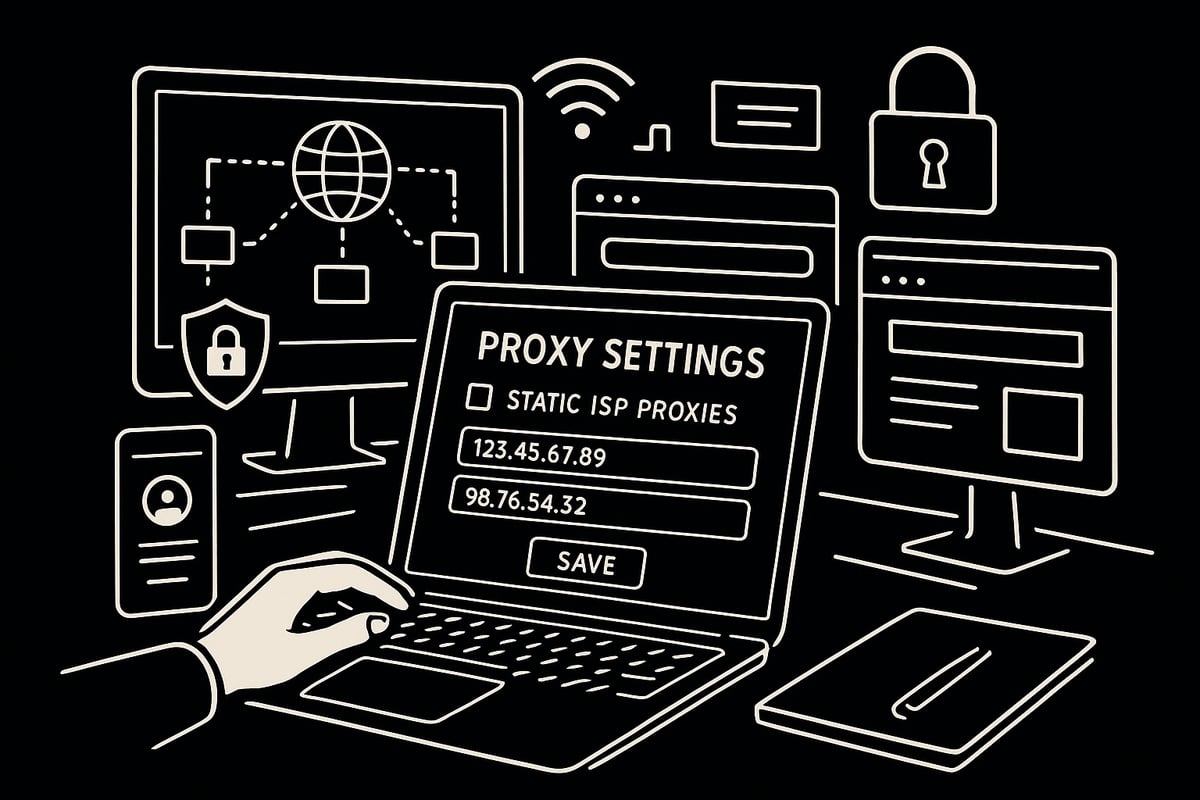
Now it is time to set up your static isp proxies on your devices or applications. Most providers support protocols like HTTP, HTTPS, or SOCKS5, which gives you flexibility for different tasks.
Here is a quick example for browser configuration:
1. Open browser settings.
2. Navigate to Network or Proxy section.
3. Enter proxy IP, port, username, and password.
4. Save and restart your browser.
Some software or tools allow you to import proxy lists in bulk. If you are working with automation or scraping tools, consult their documentation for proxy integration. Proper configuration ensures your static isp proxies work seamlessly across your chosen platforms.
Step 5: Test and Optimize Proxy Performance
After setup, test your static isp proxies to confirm they deliver the promised speed, anonymity, and uptime. Use online proxy checkers to verify IP location and detect any leaks.
Key testing steps:
- Speed test: Measure latency and download/upload speeds.
- Anonymity check: Ensure your real IP is hidden.
- Reliability: Monitor for connection drops.
If issues arise, tweak your settings or contact provider support. Regular testing helps you maintain optimal performance and avoid disruptions in critical tasks.
Step 6: Maintain Security and Compliance
Ongoing maintenance is essential for secure, lawful proxy use. Change proxy credentials regularly and monitor your usage for suspicious activity.
Best practices for static isp proxies:
- Never share proxy credentials publicly.
- Stay updated on local laws and website terms of service.
- Use secure protocols and enable encryption wherever possible.
Compliance protects your business from legal risks and ensures your static isp proxies continue to deliver value. Regularly review provider updates and industry news to stay ahead of changes.
Future Trends and Innovations in Static ISP Proxies (2025 and Beyond)
As the digital landscape evolves, static isp proxies are at the forefront of innovation. Businesses and individuals alike are seeking smarter, more resilient solutions to protect privacy and maintain reliable online access. What changes and advancements can we expect as we move into 2025 and beyond?
Technological Advancements
The technology behind static isp proxies is rapidly advancing. AI-driven proxy management tools are emerging, enabling automated optimization of proxy usage, intelligent rotation strategies, and real-time threat detection. This means users can expect smarter performance and less manual intervention.
IPv6 adoption is another crucial trend. As IPv4 addresses become scarce, static isp proxies are increasingly offering IPv6 support, unlocking larger address pools and enhanced scalability. This is especially important for businesses requiring many unique IPs for automation or data mining.
Integration with cloud and edge computing solutions is also reshaping the proxy landscape. By hosting static isp proxies closer to end-users and critical data sources, providers can deliver lower latency and improved reliability. This shift ensures that proxies remain fast and stable, even as web applications become more complex.
In summary, advancements in automation, address protocols, and infrastructure are setting static isp proxies apart as a future-proof choice.
Evolving Privacy and Security Standards
Privacy regulations are tightening around the world, and static isp proxies are adapting accordingly. Anticipated updates to laws like the GDPR and CCPA will require stricter data handling and transparent privacy practices.
Enhanced encryption is becoming standard for static isp proxies, ensuring that all data passing through proxies is protected. Anti-detection technologies are also on the rise, helping users avoid blacklisting and maintain anonymity across a variety of platforms.
With these evolving standards, static isp proxies remain a strong solution for those prioritizing both privacy and compliance in their online activities.
Market Growth and Industry Shifts
The demand for static isp proxies is surging across multiple sectors. Fintech, e-commerce, and cybersecurity are driving much of this growth, as these fields require robust, reliable access to global web resources.
Industry forecasts predict continued expansion in the market value of static isp proxies through 2025. Analysts point to increased adoption rates as businesses recognize the unique advantages of static IP stability and legitimacy. According to recent research on Understanding Internet Traffic Patterns, global internet usage is rising, which further fuels the need for advanced proxy solutions.
As more organizations embrace digital transformation, static isp proxies are positioned as an essential tool for secure, scalable connectivity.
Challenges and Opportunities
Despite the benefits, static isp proxies face new challenges. Anti-proxy detection tools are becoming more sophisticated, using advanced algorithms to spot and block proxy traffic. Providers must continually innovate to ensure their proxies remain effective.
One opportunity lies in adopting strategies inspired by the best rotating proxies, such as dynamic session management and improved fingerprinting resistance. For more on this, see the Best rotating proxies overview. Staying ahead in this dynamic environment requires constant adaptation and the adoption of new technologies.
Forward-thinking providers are investing in research and development to overcome these obstacles and deliver even greater reliability and stealth.
Expert Predictions and Recommendations
Industry leaders predict that static isp proxies will continue to evolve, focusing on enhanced automation, better privacy controls, and integration with emerging cloud technologies. Businesses should prioritize providers with a proven track record in innovation and compliance.
To stay ahead, it is recommended to regularly review proxy configurations, monitor regulatory changes, and invest in ongoing education about evolving threats and solutions.
By following best practices and embracing new trends, users can ensure they get the most value from static isp proxies in 2025 and beyond.Now that you understand how static ISP proxies can boost your privacy, performance, and reliability online, you might be ready to take the next step for your business or personal projects. Whether you’re looking to streamline web scraping, secure your browsing, or access restricted services with ease, having the right partner makes all the difference. With PinguProxy’s high-speed proxies, zero-log policy, and 24/7 support, you’ll be set up for success in no time. If you’re curious to see how easy it is to get started, Get Started Now.