
Top Proxy Servers: 2026 Comparison & Expert Rankings
Selecting the right proxy solution can make or break your online operations, whether you're managing web scraping projects, maintaining account security, or accessing geo-restricted content. The proxy landscape in 2026 has evolved dramatically with faster speeds, better rotation mechanisms, and more sophisticated targeting capabilities. Understanding which top proxy servers align with your specific needs requires evaluating multiple factors including IP pool size, protocol support, rotation speed, and pricing models. This comprehensive guide breaks down the essential criteria and highlights the leading providers across different proxy categories.
Understanding Proxy Server Types and Their Applications
Proxy servers function as intermediaries between your device and the internet, routing requests through different IP addresses to mask your identity and location. According to MDN's technical documentation on proxy servers, these tools serve critical roles in web communication, from caching to security enhancement.
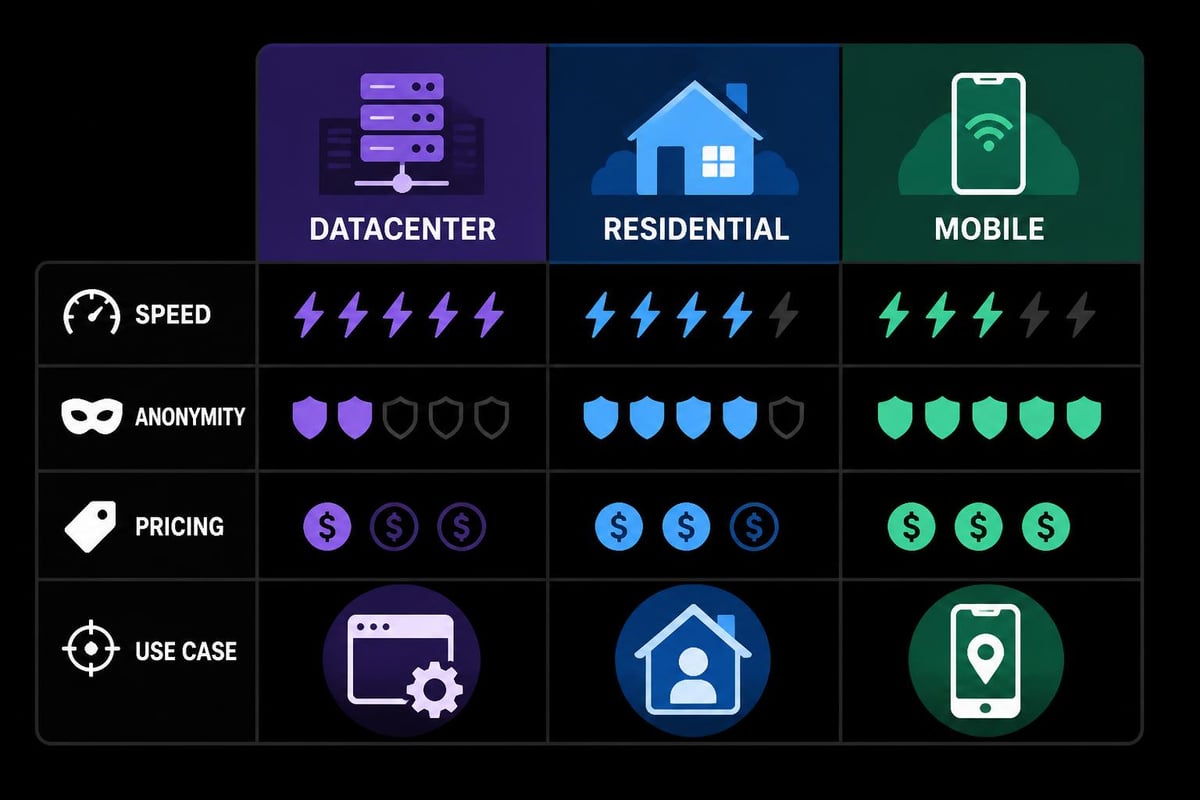
The three primary categories that define top proxy servers in 2026 are datacenter proxies, residential proxies, and mobile proxies. Each type offers distinct advantages depending on your use case.
Datacenter proxies deliver exceptional speed and cost efficiency. These proxies originate from cloud servers and data centers rather than residential ISPs, making them ideal for tasks requiring high-volume, rapid requests. They excel at:
- Price-sensitive projects with large-scale requirements
- Web scraping operations where speed matters more than stealth
- API testing and development environments
- Gaming applications requiring low latency
Residential proxies provide superior authenticity because they route through real residential IP addresses. Websites perceive these connections as genuine users, making detection significantly harder. Common applications include social media management, e-commerce monitoring, and accessing region-locked services.
Mobile proxies route traffic through cellular networks, offering the highest level of trust from target websites. These IPs constantly rotate as mobile carriers reassign addresses, creating natural anonymity patterns. Mobile proxy solutions have become essential for sneaker botting, social media automation, and mobile app testing.
Critical Features That Define Top Proxy Servers
When evaluating the top proxy servers available in 2026, several core features separate exceptional providers from mediocre ones. Understanding these specifications helps you make informed decisions aligned with your requirements.
IP Pool Size and Geographic Coverage
The size and diversity of a provider's IP pool directly impacts your ability to avoid detection and access global content. Premium providers maintain millions of IP addresses across numerous countries and cities.
| Feature Category | Entry-Level | Mid-Tier | Enterprise |
|---|---|---|---|
| IP Pool Size | 10K-100K | 100K-1M | 1M-100M+ |
| Country Coverage | 10-30 | 50-100 | 150-195 |
| City-Level Targeting | Limited | Moderate | Extensive |
| ASN Diversity | Low | Medium | High |
Geographic diversity becomes crucial when your projects require specific regional access. Whether you need US-based IPs for market research or European addresses for compliance testing, comprehensive proxy coverage ensures you can target the exact locations your business demands.
Rotation Mechanisms and Session Control
Rotation speed determines how frequently your IP address changes during operations. Top proxy servers offer flexible rotation options from sticky sessions (same IP for extended periods) to ultra-fast rotation every request.
Session control options include:
- Sticky sessions - Maintain the same IP for 1-30 minutes, ideal for maintaining shopping cart sessions or multi-step processes
- Rotating on request - New IP for each connection, perfect for scraping large datasets without triggering rate limits
- Time-based rotation - Automatic IP changes at specified intervals
- Custom rotation rules - Advanced control based on response codes or specific triggers
PinguProxy's 1ms rotation capability represents industry-leading performance, enabling seamless IP changes without noticeable delays in your operations.
Protocol Support and Technical Capabilities
Modern proxy operations demand comprehensive protocol support beyond basic HTTP/HTTPS functionality. The top proxy servers in 2026 provide full IPv4 and IPv6 compatibility, ensuring compatibility with evolving internet infrastructure.
Essential protocol features:
- SOCKS5 support for applications requiring UDP or full TCP functionality
- HTTP/HTTPS tunneling for standard web browsing and scraping
- IPv6 readiness as more websites transition to newer protocols
- Authentication methods including username/password and IP whitelisting
Residential proxy providers that offer multiple protocol options give you flexibility to adapt to different scraping targets and application requirements.
Performance Benchmarks and Speed Considerations
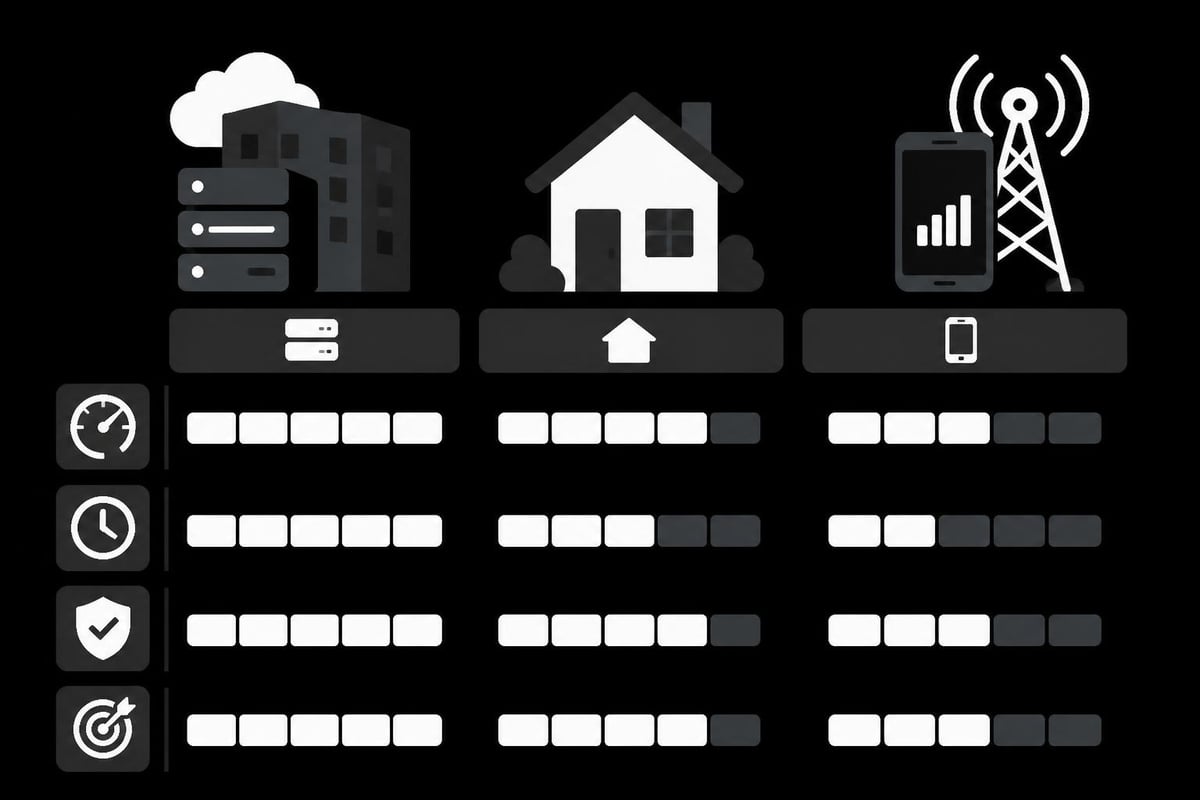
Speed and reliability separate functional proxies from exceptional ones. When evaluating top proxy servers, performance metrics provide quantifiable comparisons across providers.
Bandwidth and Connection Speeds
Bandwidth capacity determines how much data you can process simultaneously. Enterprise operations requiring high-volume scraping need providers offering 10Gbps or higher bandwidth allocations. Lower bandwidth creates bottlenecks that slow down operations and reduce efficiency.
Performance tiers typically break down as:
- Basic plans: 1-5Gbps, suitable for small-scale projects and personal use
- Professional plans: 5-10Gbps, supporting medium-sized businesses and regular scraping operations
- Enterprise plans: 10Gbps+, designed for large-scale data collection and continuous operations
Response time matters equally. Premium datacenter proxies consistently deliver sub-100ms response times, while residential proxies typically range from 200-800ms depending on location and network conditions.
Uptime Guarantees and Reliability Metrics
Top proxy servers maintain exceptional uptime, typically exceeding 99.5% availability. Downtime directly impacts your operations, potentially causing missed opportunities or failed scraping jobs.
Evaluate providers based on:
- Published SLA commitments
- Historical uptime data
- Redundancy measures and failover systems
- Geographic distribution of proxy infrastructure
- Real-time status monitoring and alerts
Research on proxy reliability demonstrates significant variations across providers, with premium services investing heavily in infrastructure redundancy and monitoring systems.
Leading Proxy Providers and Their Specializations
The competitive proxy market in 2026 features numerous providers, each with distinct strengths and target audiences. Understanding these specializations helps match your requirements with the most suitable provider.
Enterprise-Grade Solutions for Large-Scale Operations
Several providers dominate the enterprise segment with massive IP pools and sophisticated targeting capabilities. Oxylabs stands out with extensive residential and datacenter networks, though pricing reflects their premium positioning.
Enterprise provider characteristics:
- IP pools exceeding 100 million addresses
- Dedicated account management and custom solutions
- Advanced API integrations and automation tools
- Premium pricing starting at several hundred dollars monthly
- Priority support with guaranteed response times
These providers cater to corporations, data intelligence firms, and agencies managing complex, high-volume operations across multiple clients.
Mid-Market and Specialized Solutions
The mid-market segment offers compelling value propositions for growing businesses and specialized use cases. Webshare exemplifies this category with competitive pricing and solid performance metrics.
Specialized providers focus on specific verticals:
- SEO and rank tracking: Optimized for search engine monitoring with dedicated SEO proxy solutions
- E-commerce and sneaker bots: Fast rotation and residential IPs designed for sneaker copping success
- Social media management: Mobile and residential proxies for Instagram automation
- Web scraping: High-performance networks optimized for data extraction workflows
Budget-Friendly and Free Options
While free proxy services exist, they come with significant limitations and risks. Free proxies typically suffer from slow speeds, limited IP pools, and questionable security practices.
| Consideration | Free Proxies | Paid Proxies |
|---|---|---|
| Speed | Slow (often <1Mbps) | Fast (up to 10Gbps) |
| Reliability | Poor uptime | 99%+ uptime |
| Security | Unknown logging | Zero-log policies |
| IP Pool | Very limited | Millions of IPs |
| Support | None | 24/7 assistance |
Academic research on open proxies reveals concerning patterns regarding malicious behaviors and unreliable performance, reinforcing the value proposition of professional proxy services.
Selecting Top Proxy Servers for Specific Use Cases
Different applications demand different proxy characteristics. Matching proxy type and provider to your specific use case maximizes success rates and efficiency.
Web Scraping and Data Collection
Web scraping represents one of the most demanding proxy applications, requiring reliable connections, diverse IPs, and effective anti-detection measures. The top proxy servers for scraping combine residential IP authenticity with fast rotation and large pools.
Scraping-optimized features:
- Smart rotation to avoid pattern detection
- Session persistence for multi-page crawling
- Automatic retry mechanisms for failed requests
- Geographic targeting for localized data
- Advanced anti-bot bypass capabilities
Target website sophistication determines proxy requirements. Simple sites may work with datacenter proxies, while advanced platforms with robust anti-bot systems necessitate residential or mobile solutions.
Account Management and Multi-Accounting
Managing multiple accounts across platforms like social media, e-commerce, or gaming requires proxies that maintain consistent identity patterns. Sticky residential or mobile IPs prevent platforms from linking accounts through IP correlation.
Best practices include:
- Assign dedicated IPs to individual accounts
- Match IP location to account registration details
- Use mobile proxies for mobile app interactions
- Maintain consistent IP usage patterns per account
- Combine proxies with anti-detect browsers for maximum protection
E-commerce and Competitive Intelligence
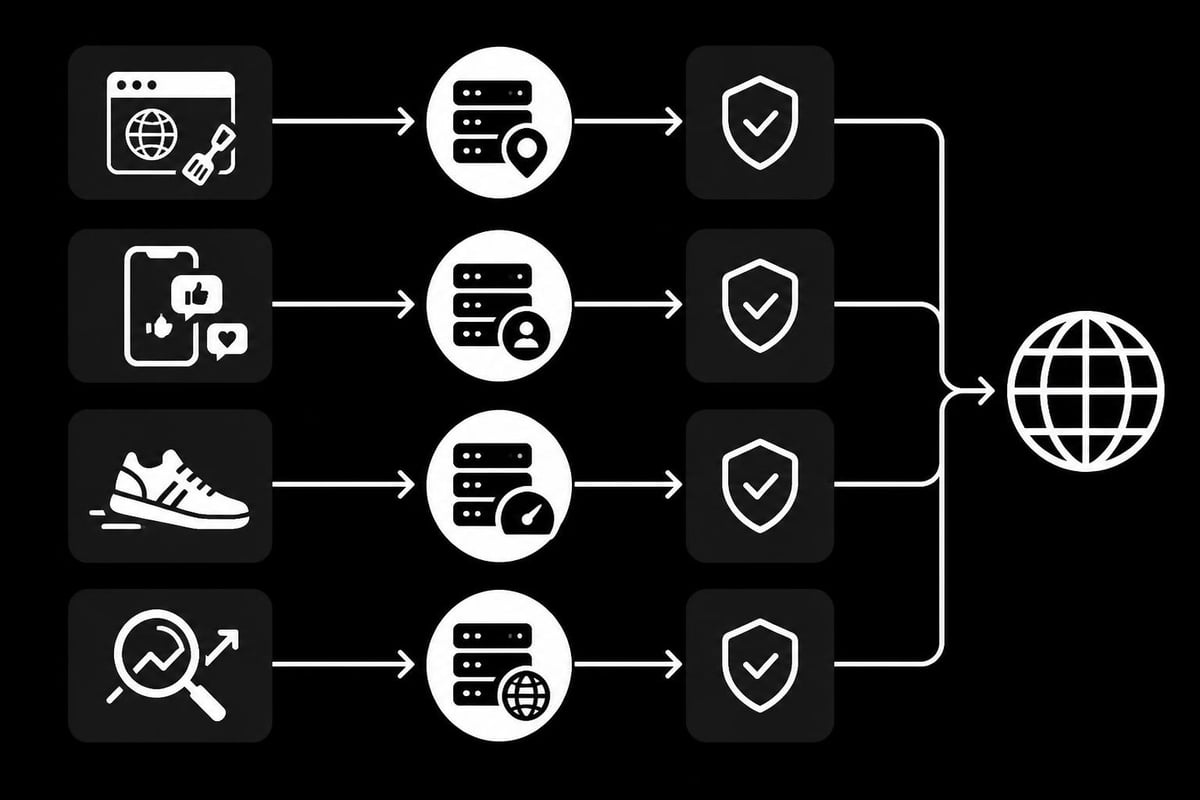
Monitoring competitor pricing, tracking product availability, and researching market trends requires proxies that appear as legitimate shoppers. Residential proxies from target regions provide authentic browsing patterns that e-commerce platforms trust.
According to industry reviews, successful e-commerce monitoring depends on IP diversity and proper rotation timing to avoid triggering anti-scraping mechanisms.
Pricing Models and Value Assessment
Understanding proxy pricing structures helps you budget effectively and identify the best value for your requirements. The top proxy servers offer various pricing models tailored to different usage patterns.
Common Pricing Structures
Pay-per-GB models charge based on bandwidth consumption, ideal for variable or unpredictable usage. This model suits projects with fluctuating data requirements or seasonal operations.
Per-port pricing allocates a specific number of proxy ports for a flat monthly fee, regardless of bandwidth usage. This structure benefits high-volume operations with consistent usage patterns.
Unlimited plans offer unrestricted bandwidth and connections for a fixed monthly cost. While seemingly attractive, these plans often include fair-use policies that limit extreme consumption.
Calculating Total Cost of Ownership
Beyond base subscription fees, consider these cost factors:
- Setup or onboarding fees
- Bandwidth overages or throttling policies
- Premium feature add-ons (advanced targeting, priority support)
- Minimum commitment periods and cancellation policies
- Volume discounts for enterprise agreements
The most expensive option rarely represents the best value. Comprehensive provider comparisons reveal that mid-market providers often deliver superior price-to-performance ratios for small and medium businesses.
Security, Privacy, and Compliance Standards
Privacy protection and security practices differentiate trustworthy proxy providers from questionable operators. When evaluating top proxy servers, scrutinize their policies and technical safeguards.
Zero-Log Policies and Data Protection
Legitimate proxy providers implement strict zero-log policies, meaning they don't record your browsing activities, target URLs, or connection details. This protection ensures your competitive research and data collection remain confidential.
Verify these security elements:
- Published privacy policies detailing data handling practices
- Encryption standards for connection security
- Payment anonymity options (cryptocurrency acceptance)
- Data residency and jurisdictional considerations
- Third-party security audits or certifications
Providers offering truly unlimited access with zero logging create safe environments for sensitive business operations without compromising on performance.
Compliance and Legal Considerations
Using proxies for legitimate business purposes remains legal worldwide, but applications matter. Ensure your proxy usage complies with target website terms of service and applicable regulations like GDPR or CCPA.
Compliance best practices:
- Review target website robots.txt and terms of service
- Implement respectful crawling rates
- Honor opt-out requests and data deletion policies
- Maintain records of data collection purposes
- Choose providers with transparent business operations
Advanced Features and Technical Capabilities
The top proxy servers in 2026 extend beyond basic IP rotation, offering sophisticated features that streamline operations and improve results.
API Integration and Automation
Modern proxy operations demand seamless integration with existing tools and workflows. Premium providers offer robust APIs supporting:
- Automated IP rotation and session management
- Real-time proxy health monitoring
- Dynamic geo-targeting adjustments
- Usage analytics and reporting
- Whitelist management and authentication controls
These capabilities enable automated web scraping workflows that scale efficiently without manual intervention.
Customer Support and Documentation
Technical challenges inevitably arise when operating proxies at scale. The top proxy servers distinguish themselves through exceptional support infrastructure including 24/7 availability, knowledgeable staff, and comprehensive documentation.
Quality support encompasses multiple channels (chat, email, phone) with quick response times and actual solutions rather than generic troubleshooting scripts. Documentation should cover integration guides, code examples, and best practice recommendations for common use cases.
Choosing among the top proxy servers requires careful evaluation of your specific requirements, budget constraints, and technical capabilities. The best provider balances performance, reliability, and cost while offering the proxy types and features your operations demand. Whether you need datacenter speed, residential authenticity, or mobile anonymity, PinguProxy delivers high-performance solutions with 10Gbps bandwidth, comprehensive IPv4 and IPv6 support, and 1ms rotation speeds backed by 24/7 expert support. Start optimizing your proxy infrastructure today with unlimited access and enterprise-grade security.