
Dichvusocks: Understanding SOCKS Proxy Services in 2026
The term dichvusocks has gained attention in proxy service discussions, particularly among users seeking specialized SOCKS protocol solutions. Understanding what dichvusocks represents and how SOCKS proxies function is essential for businesses and individuals looking to enhance their online privacy, bypass restrictions, or access services requiring specific protocol support. As proxy technology evolves in 2026, knowing the landscape of SOCKS services helps users make informed decisions about their networking infrastructure.
What Dichvusocks Means in Proxy Terminology
Dichvusocks is a Vietnamese term where "dich vu" translates to "service," making the full phrase essentially "SOCKS service." This terminology reflects the global nature of proxy services and how different regions describe SOCKS protocol implementations. Understanding this context helps users recognize various service offerings in international markets.
SOCKS proxies operate differently from traditional HTTP proxies:
- They work at a lower networking layer, handling any type of traffic
- Support both TCP and UDP protocols for versatile applications
- Provide protocol-agnostic routing for gaming, torrenting, and specialized software
- Offer enhanced compatibility with applications requiring specific port configurations
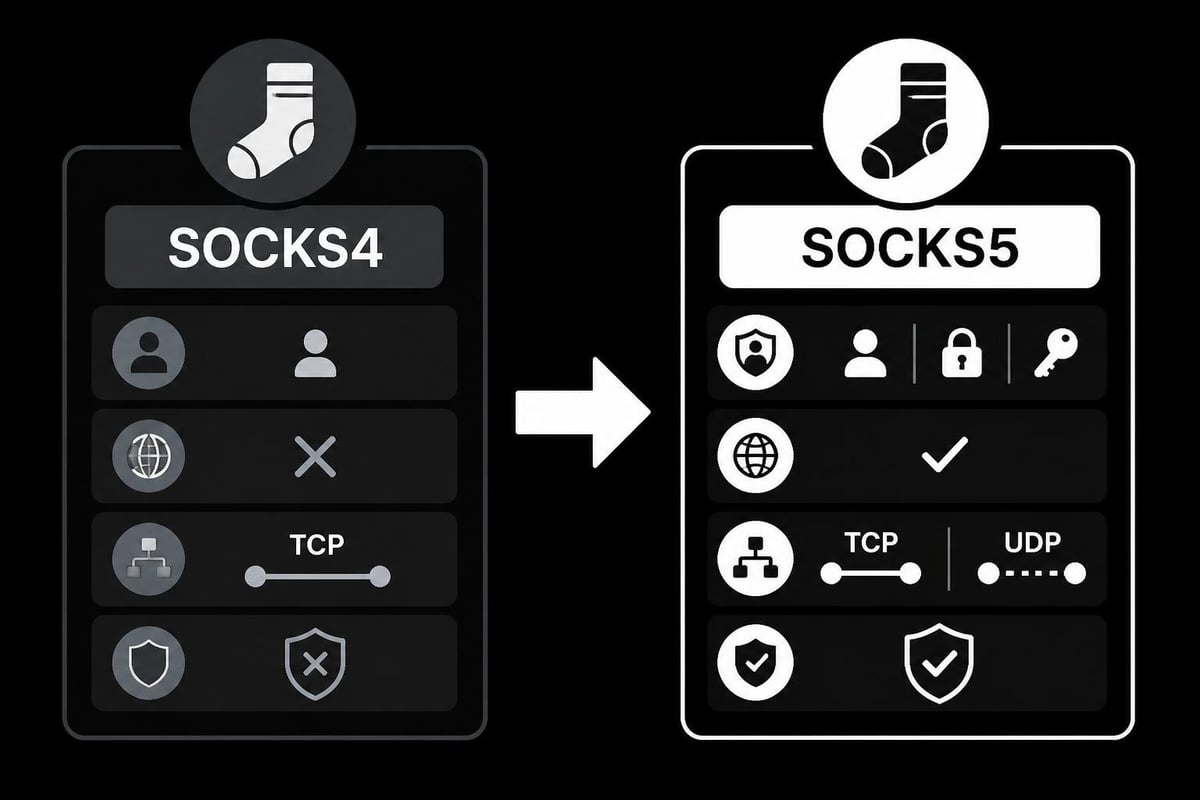
When searching for dichvusocks or SOCKS services, users typically seek providers offering reliable SOCKS4, SOCKS4a, or SOCKS5 protocols. The evolution from SOCKS4 to SOCKS5 brought significant improvements, including authentication mechanisms and UDP support. Modern SOCKS5 proxies have become the standard for users requiring flexible, protocol-independent proxy solutions.
The Evolution of SOCKS Protocols
The SOCKS protocol family has undergone substantial development since its introduction. SOCKS4, the original version, provided basic TCP proxy functionality but lacked authentication features. SOCKS4a added domain name resolution capabilities, allowing the proxy server to resolve hostnames rather than the client.
SOCKS5 represents the current standard, introducing crucial security enhancements. This version supports multiple authentication methods, including username/password combinations and GSS-API authentication. The technical implementation of SOCKS protocols demonstrates the sophisticated approach to network traffic management that makes these proxies valuable for diverse applications.
Key Applications and Use Cases
Organizations implementing dichvusocks solutions typically pursue specific operational objectives. These range from data collection to security enhancement, each requiring different proxy configurations and performance characteristics.
Web Scraping and Data Collection
Web scraping operations benefit significantly from SOCKS5 proxies due to their ability to handle various protocols and connection types. Companies gathering competitive intelligence, pricing data, or market research rely on SOCKS proxies for several reasons:
- Protocol flexibility allows scraping of both HTTP and HTTPS targets
- Lower-level traffic routing bypasses certain detection mechanisms
- Reduced fingerprinting through diverse IP rotation strategies
- Enhanced stability for long-running data collection sessions
When combined with rotating proxy features, dichvusocks services enable continuous data gathering without triggering rate limits or blocks. The ability to switch between multiple IP addresses while maintaining protocol consistency proves essential for large-scale scraping projects.
Gaming and Entertainment
Gamers utilize SOCKS proxies to reduce latency, access region-locked content, and protect against DDoS attacks. Unlike HTTP proxies that only handle web traffic, SOCKS proxies support the UDP protocols many games require for real-time communication.
Benefits for gaming applications include:
- Access to geo-restricted game servers and beta releases
- Protection of home IP addresses from potential attacks
- Reduced ping times through optimized routing paths
- Ability to create multiple accounts on platforms with regional restrictions
| Gaming Feature | SOCKS5 Benefit | HTTP Proxy Limitation |
|---|---|---|
| UDP Support | Full compatibility | Not supported |
| Protocol Flexibility | All game types | Web-based only |
| Authentication | Secure access | Limited options |
| Latency | Low overhead | Higher processing time |
Security Considerations and Best Practices
When evaluating dichvusocks providers, security remains paramount. The proxy landscape includes both legitimate services and potentially malicious operations. Recent enforcement actions, such as the dismantling of the SocksEscort network, highlight the importance of choosing reputable providers.
Identifying Trustworthy Providers
Legitimate dichvusocks services display several characteristics that distinguish them from questionable operations. Transparency in operations, clear pricing structures, and verifiable business information serve as initial indicators of credibility.
Key verification points:
- Published privacy policies detailing data handling practices
- Physical business addresses and registered corporate entities
- Customer support channels with responsive human assistance
- Clear service level agreements and uptime guarantees
- Transparent pricing without hidden fees
The complexities of free proxy ecosystems demonstrate why paid, professional services typically offer superior security. Free dichvusocks providers may monetize through data collection, advertising injection, or worse, using client connections for malicious purposes.
Privacy and Anonymity Features
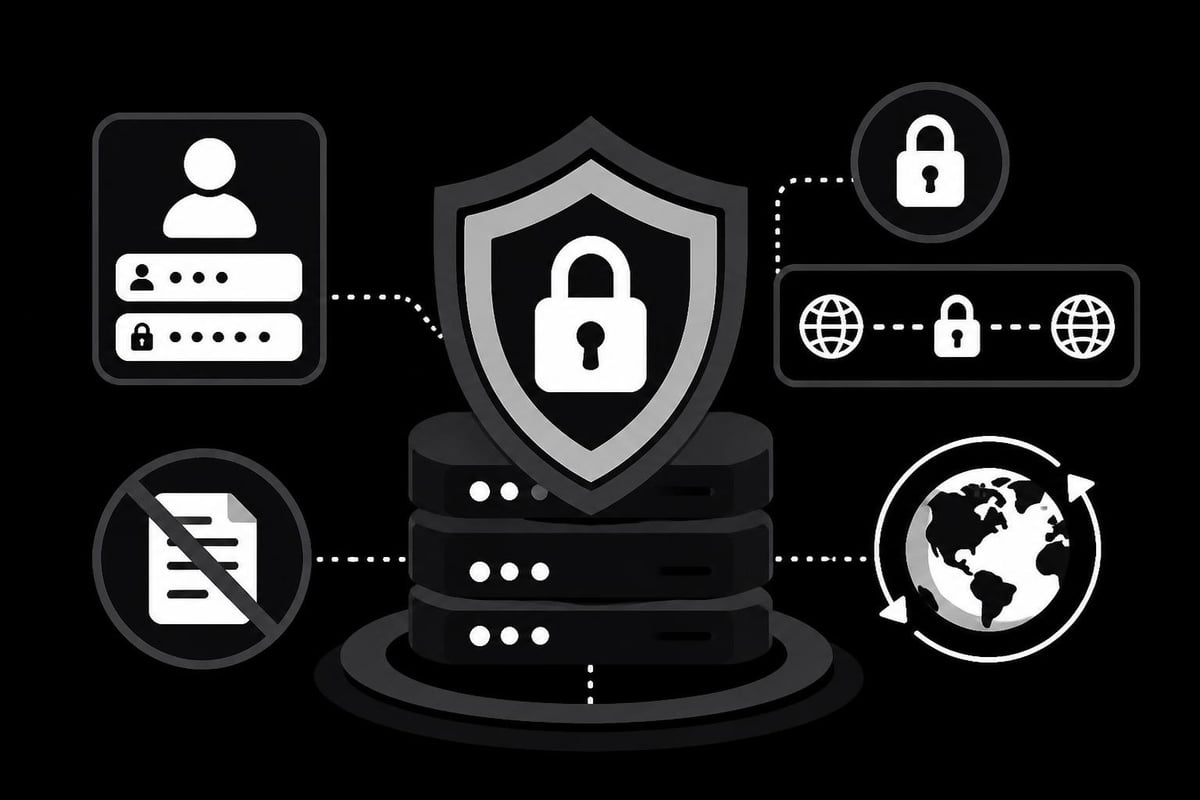
Premium dichvusocks services implement multiple privacy layers to protect user identity and data. Zero-log policies ensure that connection records, browsing history, and user activities remain unrecorded. This becomes particularly critical for businesses handling sensitive competitive research or accessing restricted markets.
Modern SOCKS5 implementations support various authentication mechanisms. Username and password authentication provides basic security, while more advanced methods like IP whitelisting add additional protection layers. Rotating proxy capabilities further enhance anonymity by constantly changing the exit IP address.
Comparing SOCKS Services and Providers
The dichvusocks market offers numerous options, each with distinct features, pricing models, and performance characteristics. Understanding these differences helps organizations select services aligned with their specific requirements.
Provider Evaluation Framework
When assessing dichvusocks services, organizations should examine multiple dimensions beyond basic functionality. Performance metrics, network coverage, protocol support, and customer service quality all contribute to overall value.
| Evaluation Factor | What to Look For | Why It Matters |
|---|---|---|
| IP Pool Size | Thousands of unique IPs | Reduces detection risk |
| Geographic Coverage | Multiple countries/cities | Enables location-specific testing |
| Bandwidth Limits | Unlimited or high caps | Supports intensive operations |
| Protocol Support | IPv4 and IPv6 | Future-proofs infrastructure |
| Rotation Speed | Sub-second switching | Maintains anonymity |
| Customer Support | 24/7 availability | Resolves issues quickly |
Established providers like those reviewed in comprehensive proxy service comparisons demonstrate the features professional users expect. These include transparent pricing, detailed documentation, and robust infrastructure supporting high-volume operations.
Performance and Reliability Metrics
Speed and stability separate professional dichvusocks services from basic offerings. Bandwidth capacity directly impacts data collection efficiency, with modern services providing 10Gbps connections for demanding applications. Latency measurements, particularly important for real-time applications, should remain consistently low across the provider's network.
Critical performance indicators:
- Connection success rate (target: 99%+)
- Average response time (target: <200ms)
- Bandwidth throughput (target: matches advertised speeds)
- Uptime percentage (target: 99.9% or higher)
Organizations requiring consistent performance for brand protection or ad verification cannot afford unreliable proxy services. Testing periods allow evaluation of actual performance against provider claims before committing to long-term contracts.
Implementation and Configuration
Successfully deploying dichvusocks services requires understanding configuration options and integration methods. Most modern proxy providers offer multiple access methods suited to different technical environments and use cases.
Basic Configuration Steps
Setting up SOCKS5 proxies involves straightforward steps, though specific details vary by application and provider. Most dichvusocks services provide connection credentials including server addresses, ports, usernames, and passwords.
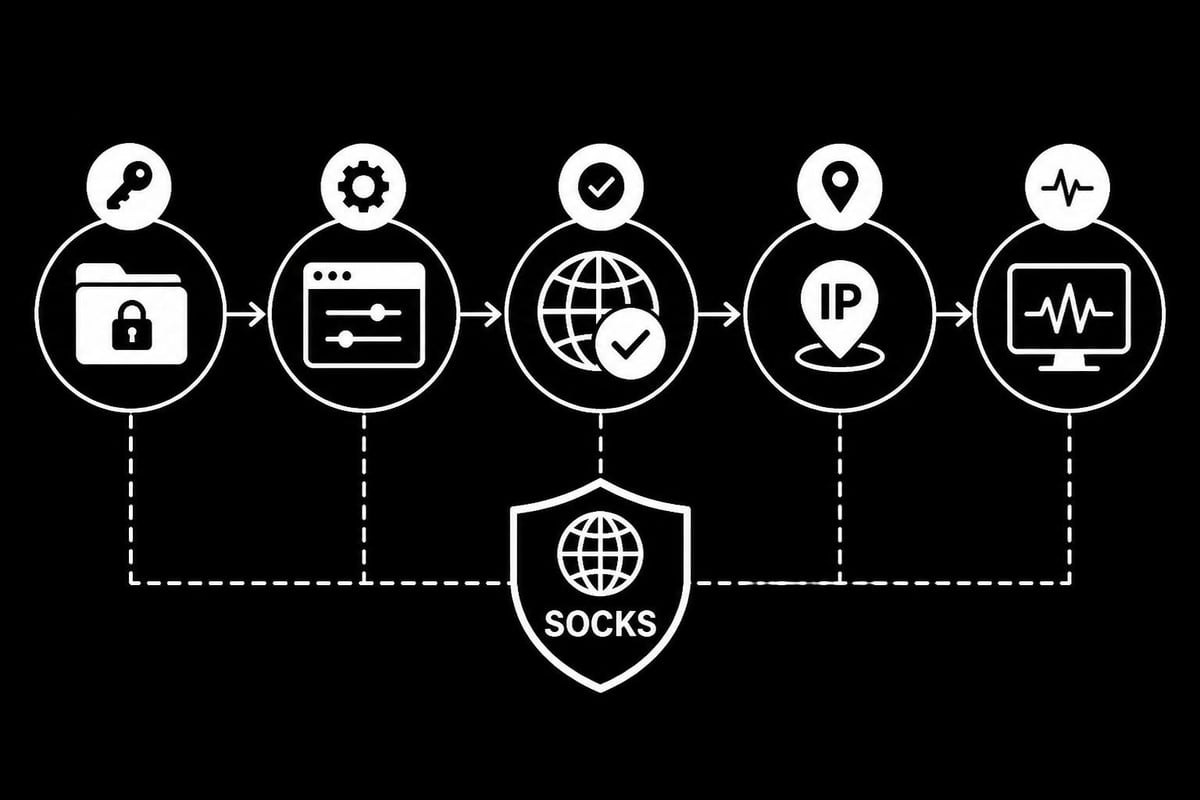
Standard implementation process:
- Obtain proxy credentials from your provider dashboard
- Configure application-specific proxy settings
- Test connection using provider tools or test endpoints
- Verify IP address changes using whatismyip services
- Monitor performance and adjust settings as needed
Advanced users often integrate dichvusocks services through API interfaces, enabling automated proxy management and rotation. This approach proves particularly valuable for large-scale operations requiring dynamic IP switching based on specific triggers or conditions.
Application-Specific Integration
Different software types require unique configuration approaches. Web browsers typically include built-in proxy settings, while specialized tools like web scrapers or automation frameworks need programmatic configuration. Understanding these differences ensures optimal performance across your technology stack.
For data collection for AI applications, proper proxy configuration prevents training data bias caused by geographic restrictions or personalization algorithms. Similarly, e-commerce monitoring requires proxies configured to access region-specific pricing and availability information.
Cost Considerations and Pricing Models
Dichvusocks services employ various pricing structures reflecting different target markets and use cases. Understanding these models helps organizations optimize spending while ensuring adequate service levels for their operations.
Pricing Structure Comparison
Proxy providers typically offer tiered pricing based on bandwidth consumption, number of concurrent connections, or flat monthly rates. Each model suits different operational patterns and budget constraints.
| Pricing Model | Best For | Typical Cost Range | Advantages |
|---|---|---|---|
| Pay-per-GB | Variable usage | $3-15 per GB | Cost control |
| Unlimited bandwidth | Heavy users | $50-500/month | Predictable costs |
| Per-IP pricing | Specific IPs | $2-10 per IP | Dedicated resources |
| Concurrent connections | Scalable operations | $100-1000/month | Flexible scaling |
Organizations conducting intensive SERP monitoring or travel aggregation typically benefit from unlimited bandwidth plans. These prevent unexpected overage charges during peak data collection periods while maintaining budget predictability.
Value Beyond Base Pricing
While comparing dichvusocks providers, look beyond headline pricing to understand total cost of ownership. Features like free trial periods, money-back guarantees, and included customer support add significant value. The availability of affordable datacenter proxies demonstrates how competitive pricing can coexist with professional service levels.
Premium providers often include value-added features such as dedicated account managers, custom integration assistance, and priority network access. For businesses using proxies for critical operations like cybersecurity research or threat intelligence, these extras justify higher pricing through improved reliability and support.
Advanced Features and Capabilities
Modern dichvusocks services extend beyond basic proxy functionality, incorporating advanced features that address sophisticated use cases. These capabilities differentiate professional-grade services from basic proxy offerings.
Intelligent Rotation and Pool Management
Sophisticated proxy rotation mechanisms automatically switch IP addresses based on configurable rules. This prevents detection patterns that emerge from using the same IP for extended periods. Proxy pool features enable organizations to maintain large IP inventories while rotating through them efficiently.
Advanced rotation capabilities include:
- Time-based rotation (every N seconds/minutes)
- Request-based rotation (new IP per request)
- Geographic rotation (cycling through specific regions)
- Failure-triggered rotation (switching after errors)
- Sticky sessions (maintaining IP for specified duration)
These features prove essential for applications like sneaker botting or ticket booking, where rapid, automated actions require diverse IP addresses to avoid rate limiting and blocking.
Protocol and Platform Flexibility
Professional dichvusocks providers support both IPv4 and IPv6 protocols, ensuring compatibility with modern internet infrastructure. As IPv6 adoption accelerates in 2026, dual-stack support becomes increasingly important for accessing certain services and geographic regions.
Platform-specific optimizations allow seamless integration with popular services. Providers offering specialized configurations for Instagram, TikTok, or Discord understand the unique challenges these platforms present and engineer solutions accordingly.
Regulatory and Compliance Aspects
Operating dichvusocks services responsibly requires awareness of legal frameworks governing proxy usage. Both providers and users must understand applicable regulations to ensure compliant operations.
Legal Frameworks and Terms of Service
Legitimate dichvusocks providers maintain clear terms of service prohibiting illegal activities. These typically include restrictions on spam, unauthorized access attempts, copyright infringement, and other malicious behaviors. Responsible providers actively monitor network usage and terminate accounts violating these terms.
Users should verify that their intended dichvusocks applications comply with relevant laws and platform policies. While proxies serve many legitimate purposes, using them to circumvent terms of service or access systems without authorization creates legal liability. Ethical proxy usage guidelines emphasize staying within legal and platform policy boundaries.
Data Protection and Privacy Regulations
Organizations handling personal data through dichvusocks services must consider privacy regulations like GDPR, CCPA, and similar frameworks. Proxy usage for academic research or talent intelligence often involves processing personal information, requiring appropriate safeguards and compliance measures.
Zero-log policies offered by reputable providers align with privacy best practices by minimizing data retention. However, organizations remain responsible for how they use collected data, regardless of proxy provider policies. Understanding these obligations prevents regulatory violations and associated penalties.
Troubleshooting Common Issues
Even with premium dichvusocks services, users occasionally encounter connectivity problems, performance issues, or configuration challenges. Recognizing common problems and their solutions minimizes operational disruption.
Connection and Authentication Problems
Failed connections often stem from incorrect credentials, firewall restrictions, or network configuration issues. Systematic troubleshooting identifies the root cause quickly.
Common issues and solutions:
- Authentication failures: Verify username, password, and IP whitelist settings
- Timeout errors: Check firewall rules and network connectivity
- DNS resolution problems: Confirm SOCKS5 remote DNS settings
- Protocol mismatches: Ensure application supports SOCKS5
- Port blocking: Test alternative ports if default is blocked
Providers offering comprehensive troubleshooting documentation enable users to resolve most issues independently. For persistent problems, responsive customer support becomes crucial, particularly for time-sensitive operations.
Performance Optimization
Slow proxy connections may result from server congestion, geographic distance, or suboptimal routing. Testing different server locations often improves performance, as does selecting servers during off-peak hours when network load decreases.
For applications like real estate data collection or localization testing, matching proxy locations to target regions minimizes latency while ensuring accurate geographic results. Monitoring tools help identify performance bottlenecks and guide optimization efforts.
Understanding dichvusocks services and their capabilities empowers organizations to leverage proxy technology effectively while avoiding common pitfalls. Whether you need SOCKS proxies for data collection, security testing, or accessing geo-restricted content, selecting the right provider makes all the difference. PinguProxy delivers enterprise-grade SOCKS5 support alongside high-speed datacenter and mobile proxies, offering unlimited bandwidth, IPv4/IPv6 compatibility, and 1ms rotation for maximum anonymity. With 24/7 support and a zero-log privacy policy, PinguProxy provides the reliable infrastructure your operations demand.