
Dieser Artikel ist derzeit nur auf Englisch verfügbar.
Auf Englisch lesenLime Proxies: Features, Performance & Alternatives
When businesses need to collect data, verify ads, or access geo-restricted content in 2026, choosing the right proxy service becomes critical. Lime proxies emerged as one of the many solutions in the crowded proxy market, offering residential and datacenter IP addresses for various use cases. Understanding what lime proxies provide, how they compare to competitors, and what features truly matter can help you make an informed decision for your business needs. This comprehensive guide explores lime proxies in depth, examining their service offerings, performance characteristics, pricing structure, and viable alternatives that might better suit your specific requirements.
What Are Lime Proxies
Lime proxies operate as a proxy server provider specializing in residential and datacenter IP addresses. The service allows users to route their internet traffic through intermediary servers, masking their real IP addresses and enabling access to content from different geographic locations.
The company markets itself toward businesses engaged in web scraping, SEO monitoring, social media management, and market research. Their infrastructure includes both shared and dedicated proxy options, giving customers flexibility based on budget and performance requirements.
Core Service Offerings
Lime proxies traditionally offered several distinct proxy types:
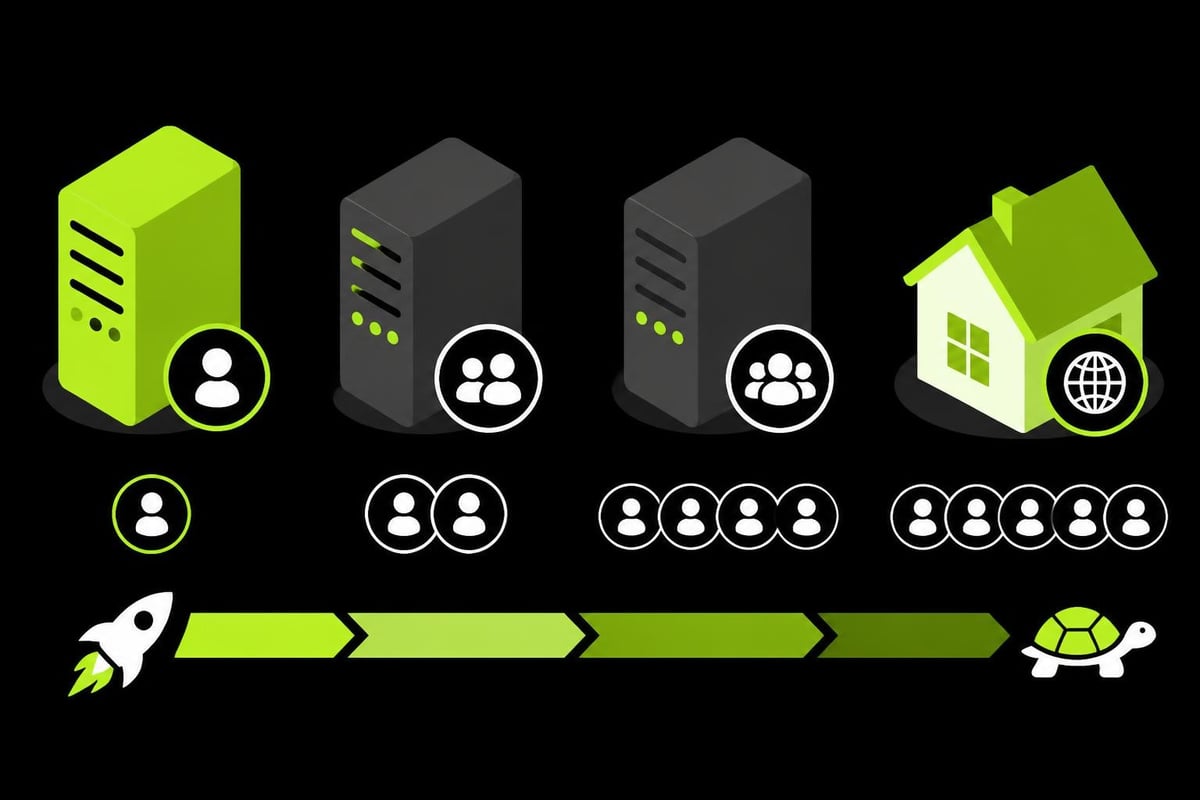
- Premium proxies: Dedicated IP addresses with exclusive access
- Semi-dedicated proxies: Shared among a limited number of users
- Shared proxies: Multiple users accessing the same IP pool simultaneously
- Residential proxies: IP addresses from real residential ISPs
Each category serves different use cases, with premium options providing better speed and reliability at higher price points. The shared infrastructure makes lime proxies more affordable for users with lighter workloads or testing requirements.
Performance and Speed Characteristics
Network performance directly impacts whether proxy services meet business requirements. Lime proxies advertised speeds ranging from moderate to high depending on the subscription tier selected. However, actual performance varied significantly based on several factors.
| Performance Factor | Premium Tier | Semi-Dedicated | Shared Tier |
|---|---|---|---|
| Average Speed | 50-100 Mbps | 20-50 Mbps | 10-30 Mbps |
| Uptime Promise | 99% | 95% | 90% |
| Concurrent Connections | Unlimited | 50-100 | 25-50 |
| Response Time | <100ms | 100-300ms | 300-500ms |
Connection stability becomes particularly important for web scraping operations that run continuously. Users reported mixed experiences with lime proxies regarding consistency, with premium tiers performing substantially better than shared options.
Geographic Coverage
The proxy pool's geographic distribution determines accessibility to region-specific content. Lime proxies maintained servers across multiple continents, though coverage concentrated heavily in North America and Europe.
Available regions included:
- United States (multiple states)
- United Kingdom
- Germany
- France
- Canada
- Australia
- Netherlands
Limited Asian and African coverage represented a significant gap for businesses targeting those markets. Companies requiring extensive geographic reach often supplemented lime proxies with additional providers to fill coverage gaps.
Pricing Structure and Value Analysis
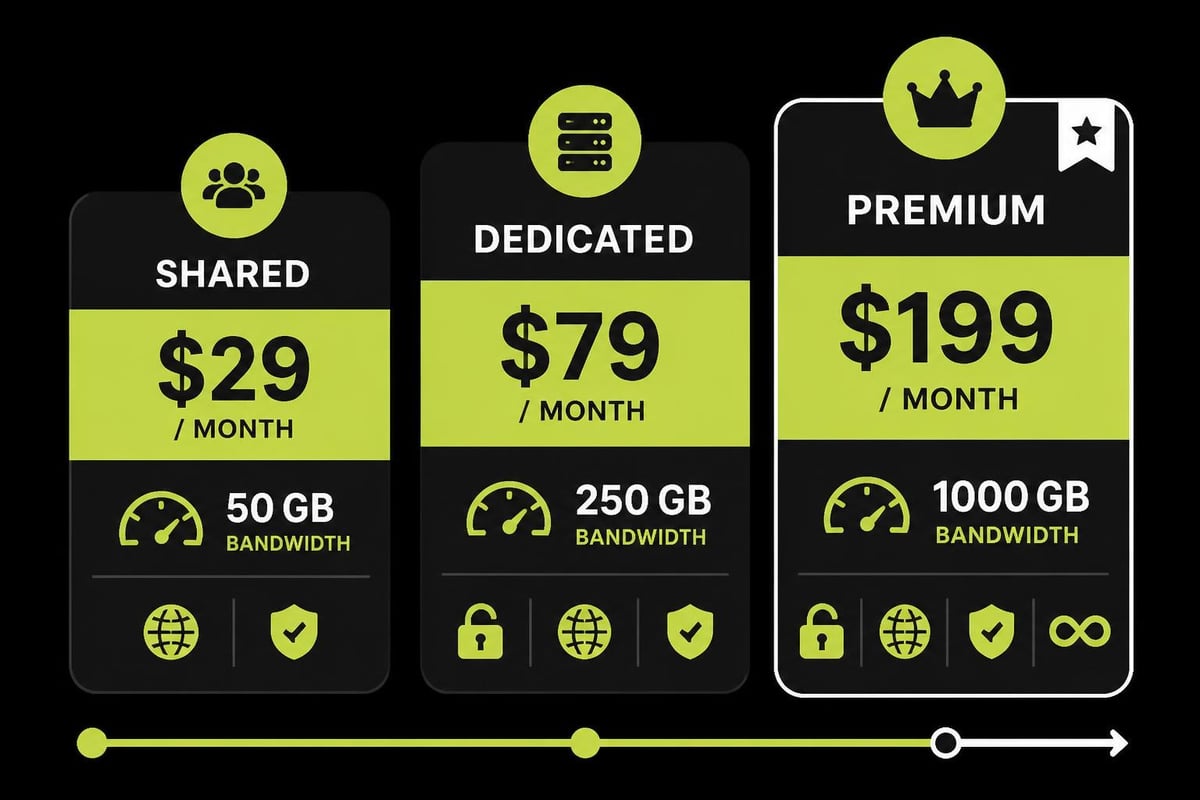
Cost considerations play a crucial role in proxy service selection. Lime proxies positioned themselves in the mid-range pricing segment, neither the cheapest nor most expensive option available in 2026.
Their pricing model operated on monthly subscriptions with discounts for longer commitments. Standard packages started around $1.50 per proxy for shared options, scaling up to $3-5 per proxy for premium dedicated IPs.
Comparing Cost to Competitors
When evaluated against the cheapest proxy servers available, lime proxies fell somewhere in the middle. Budget providers offered lower entry points, while enterprise solutions commanded significantly higher premiums.
| Provider Type | Starting Price/Proxy | Target Market | Support Level |
|---|---|---|---|
| Budget Services | $0.50-$1.00 | Individual users | Email only |
| Lime Proxies | $1.50-$5.00 | Small to medium business | Email + ticket |
| Premium Services | $5.00-$15.00 | Enterprise | 24/7 phone + dedicated account manager |
The value proposition depended heavily on specific use cases. For businesses requiring reliable performance without enterprise-level support, lime proxies offered reasonable positioning. However, operations demanding guaranteed uptime or advanced features might find better value elsewhere.
Technical Features and Capabilities
Beyond basic proxy functionality, additional features differentiate services in 2026. Lime proxies provided several technical capabilities worth examining.
Authentication methods included both username/password and IP whitelisting, allowing flexibility in security approaches. The service supported HTTP and HTTPS protocols, though SOCKS5 support varied by package tier.
API and Integration Options
Automation capability matters significantly for businesses running scaled operations. Lime proxies offered basic API access for proxy management, enabling programmatic control over IP rotation and authentication.
The API functionality included:
- Proxy list retrieval
- Authentication credential management
- Geographic location selection
- Basic usage statistics
However, advanced features like real-time performance metrics or automated health checking required custom implementation. Businesses needing sophisticated proxy management often developed their own wrapper systems or explored rotating proxy solutions with more robust automation.
Common Use Cases and Applications
Different industries leverage lime proxies for various purposes. Understanding typical applications helps assess whether the service aligns with your needs.
Data Collection and Web Scraping
Market research firms and data companies frequently employed lime proxies for large-scale information gathering. The ability to distribute requests across multiple IP addresses helped avoid rate limiting and blocking.
Key scraping applications:
- E-commerce price monitoring
- Real estate listing aggregation
- Travel fare comparison
- Product availability tracking
- Review and sentiment analysis
For specialized needs like e-commerce monitoring or travel aggregation, dedicated proxy pools often delivered better results than shared infrastructure.
SEO and SERP Monitoring
Digital marketing agencies utilized lime proxies for checking search engine rankings across different locations. Accurate position tracking required accessing search results from specific geographic areas without personalization bias.
The residential proxy options proved particularly valuable here, as search engines increasingly flagged datacenter IPs. However, the limited geographic coverage sometimes necessitated combining lime proxies with other providers for comprehensive global monitoring.
Social Media Management
Managing multiple social media accounts from the same IP address triggers platform security measures. Lime proxies enabled agencies to separate account access through different IP addresses, reducing suspension risks.
Platforms like Instagram, Facebook, and TikTok all employ sophisticated detection systems. Using residential proxies with proper rotation helped maintain account health, though success rates varied based on activity patterns.
Security and Privacy Considerations
When routing sensitive business traffic through third-party servers, security becomes paramount. Lime proxies implemented several measures to protect user data and maintain anonymity.
Data Protection Policies
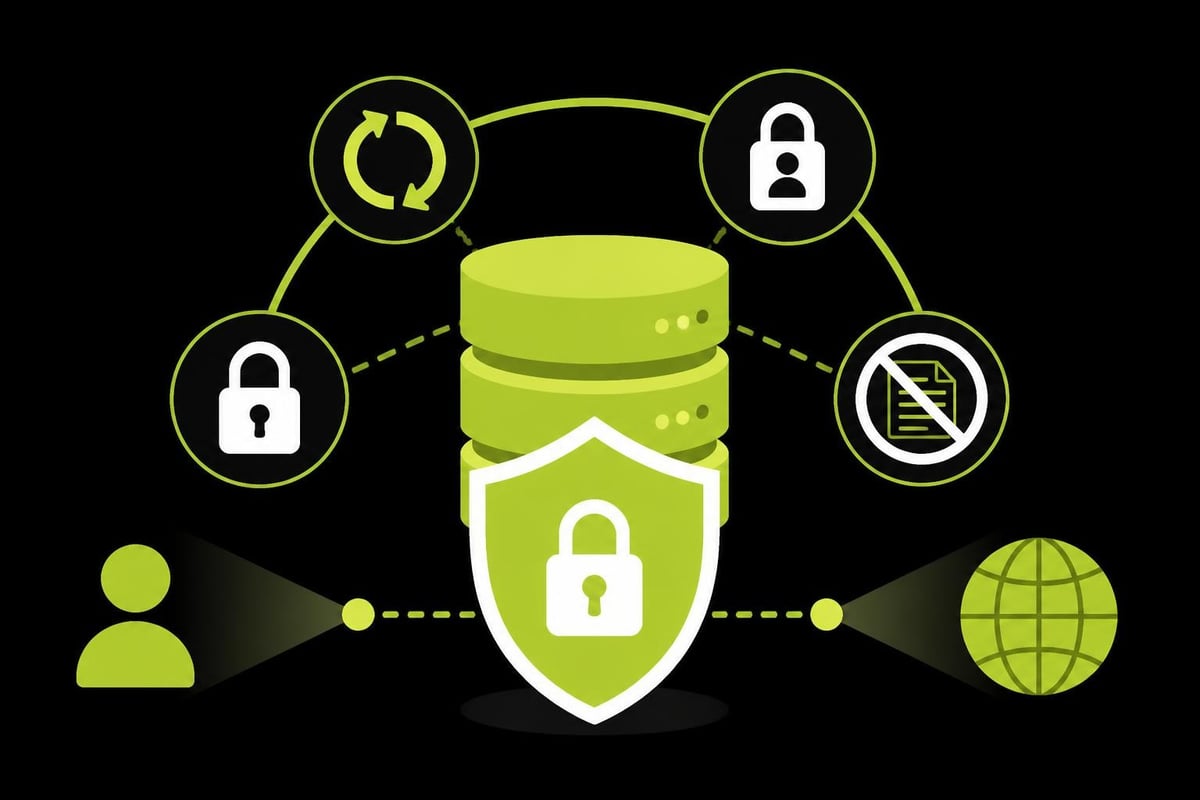
The service maintained a stated no-logging policy, claiming not to record user browsing activity or connection metadata. However, like many providers, some operational logging occurred for troubleshooting and abuse prevention.
Security features included:
- SSL/TLS encryption support
- Automatic IP rotation options
- Firewall configuration assistance
- DDoS protection on premium tiers
Despite these measures, businesses handling extremely sensitive data should understand that public proxy infrastructure inherently carries more risk than private dedicated solutions. Conducting thorough security assessments before implementation remains essential.
Limitations and Challenges
No proxy service perfectly fits every use case. Lime proxies exhibited several limitations that impacted certain types of users.
Geographic coverage gaps meant businesses targeting Asian markets, particularly China, India, or Southeast Asia, struggled to find adequate IP options. Expanding to Africa or South America presented similar challenges.
Scalability constraints became apparent for enterprises requiring thousands of concurrent connections. The infrastructure showed performance degradation under heavy load, particularly on shared and semi-dedicated tiers.
Customer Support Quality
Support responsiveness varied significantly based on subscription level. Premium customers received priority ticket handling, while shared plan users often waited 24-48 hours for responses.
The knowledge base provided basic setup instructions and troubleshooting guides, but lacked depth for advanced configuration scenarios. Businesses requiring immediate technical assistance sometimes found the support structure inadequate.
Alternative Proxy Solutions
The proxy market in 2026 offers numerous alternatives, each with distinct advantages. Comparing options helps identify the best fit for specific requirements.
According to top proxy services reviews, several providers consistently ranked higher than lime proxies across performance, features, and value metrics.
High-Performance Alternatives
For businesses prioritizing speed and reliability, services offering 10Gbps bandwidth and sub-millisecond rotation provide significant advantages. Solutions supporting both IPv4 and IPv6 protocols ensure compatibility across all modern web infrastructure.
Key differentiators to consider:
- Unlimited bandwidth vs. metered usage
- Geographic coverage breadth
- Protocol support (HTTP, HTTPS, SOCKS5)
- Rotation speed and automation
- Customer support availability
Companies like PinguProxy address many limitations found in mid-tier providers by offering comprehensive features including unlimited access, zero-log policies, and 24/7 support. For operations requiring consistent performance, exploring alternatives with stronger infrastructure guarantees makes strategic sense.
Specialized Use Case Providers
Certain applications benefit from purpose-built solutions rather than general-purpose proxies. Sneaker botting operations, for instance, require extremely fast rotation and specific ISP targeting that general providers don't optimize for.
Similarly, cybersecurity and threat intelligence teams need different features than marketing agencies conducting ad verification. Matching provider capabilities to specific workflows improves results substantially.
Making the Right Choice
Selecting between lime proxies and alternatives requires evaluating your specific requirements against available features. Start by documenting your use case details, performance expectations, and budget constraints.
Evaluation Framework
Consider these factors systematically:
- Geographic requirements: Which countries and cities do you need to access?
- Volume projections: How many concurrent connections will you run?
- Performance standards: What minimum speeds and uptime percentages are acceptable?
- Budget allocation: What's your monthly spend limit per proxy?
- Technical complexity: Do you need advanced automation and API capabilities?
Testing before committing helps validate whether a service meets real-world needs. Many providers offer trial periods or money-back guarantees, allowing hands-on evaluation with your actual use cases.
Integration Planning
Successfully implementing any proxy solution requires proper technical integration. Whether using lime proxies or alternatives, plan for configuration time, testing phases, and potential troubleshooting.
Integration steps typically include:
- Configuring authentication in your applications
- Setting up rotation schedules if needed
- Implementing error handling for connection failures
- Monitoring performance metrics and success rates
- Optimizing request patterns to avoid blocks
Resources like getting started guides and troubleshooting documentation accelerate the implementation process when switching providers or expanding proxy usage.
Industry Trends and Future Outlook
The proxy market continues evolving rapidly as detection technologies advance and use cases expand. Understanding current trends helps anticipate how services like lime proxies might adapt or where new solutions might emerge.
Residential proxies increasingly dominate applications where datacenter IPs face blocking. However, ethical sourcing concerns and regulatory scrutiny around residential networks may reshape the market in coming years.
Emerging developments include:
- AI-powered proxy rotation optimizing success rates
- Enhanced IPv6 adoption as IPv4 addresses become scarce
- Blockchain-based proxy networks for improved transparency
- Edge computing integration for reduced latency
- Stricter privacy regulations affecting data handling
Providers that fail to innovate risk obsolescence as more sophisticated solutions enter the market. Businesses should regularly reassess their proxy infrastructure to ensure they're leveraging the most effective tools available.
Selecting the right proxy infrastructure requires balancing performance, cost, features, and reliability against your specific business requirements. While lime proxies served a segment of the market, businesses in 2026 have access to more advanced solutions offering superior speed, coverage, and capabilities. PinguProxy delivers enterprise-grade performance with high-speed datacenter and mobile proxies, complete IPv4/IPv6 support, unlimited bandwidth, 1ms rotation, and 24/7 expert support - providing everything modern businesses need for web scraping, data collection, and secure access at scale.