
Most Secure Proxy: Essential Security Features for 2026
Security concerns have never been more critical when selecting proxy services. As cyber threats evolve and privacy regulations tighten, choosing the most secure proxy requires understanding multiple layers of protection, from encryption protocols to logging policies. Whether you're managing web scraping operations, accessing geo-restricted content, or protecting your organization's data flows, the security architecture of your proxy service directly impacts your risk exposure.
Core Security Pillars of Modern Proxy Services
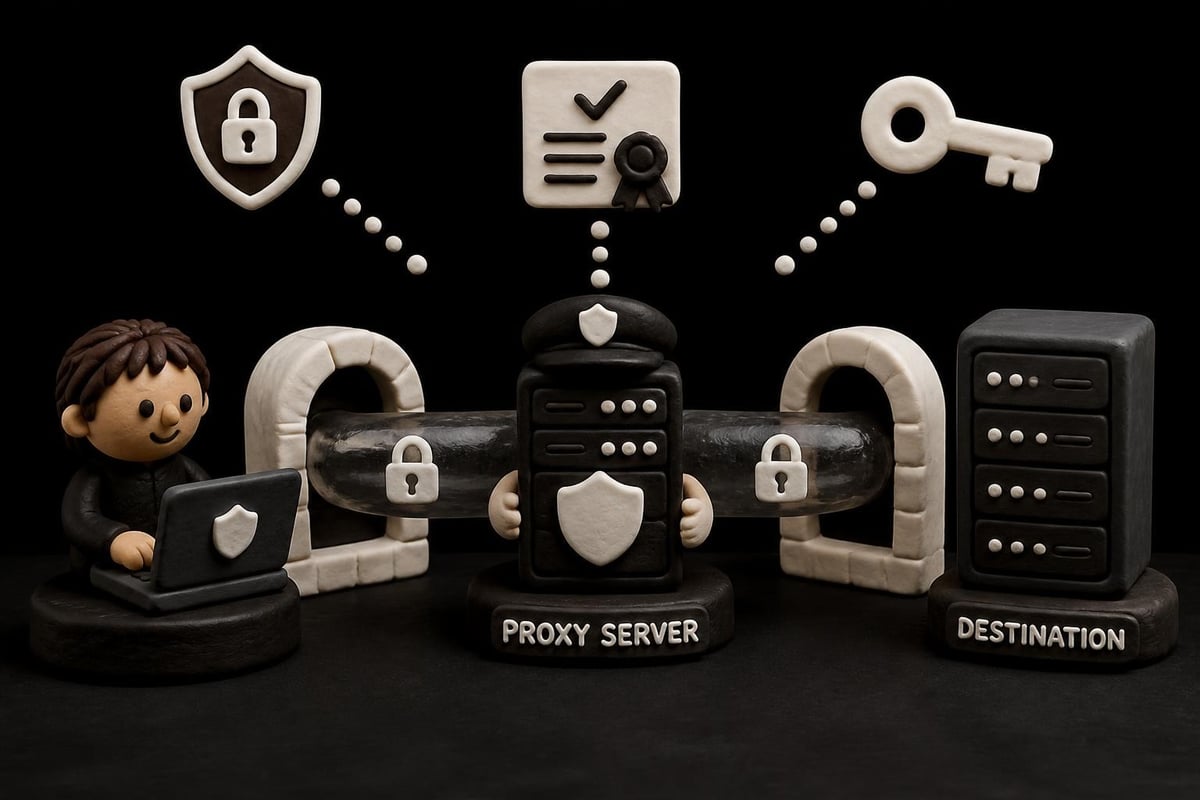
The foundation of the most secure proxy begins with several non-negotiable security features. These elements work together to create a comprehensive shield around your internet traffic and sensitive data.
Encryption stands as the first line of defense. Modern secure proxies must support TLS 1.3, the latest transport layer security protocol that eliminates vulnerable cipher suites and reduces handshake complexity. This ensures your data remains encrypted in transit, preventing man-in-the-middle attacks and eavesdropping.
Authentication mechanisms determine who can access your proxy infrastructure:
- Multi-factor authentication (MFA) for account access
- API key rotation and management
- IP whitelisting for authorized connections
- Username and password combinations with complexity requirements
- Certificate-based authentication for enterprise deployments
Beyond these basics, the most secure proxy services implement zero-knowledge architectures where even the provider cannot access your traffic data. This design philosophy ensures maximum privacy regardless of external pressures or internal vulnerabilities.
Privacy Policies and Data Handling
The security conversation extends beyond technical controls to operational practices. A truly secure proxy operates under a strict zero-log policy, meaning no browsing history, connection timestamps, bandwidth usage, or IP addresses are recorded or stored.
| Logging Practice | Security Impact | Verification Method |
|---|---|---|
| Zero-log policy | Maximum privacy, no data to breach or subpoena | Independent audits, transparency reports |
| Minimal metadata | Reduced exposure, some operational data stored | Published data retention policies |
| Full logging | High risk, complete activity records maintained | Terms of service disclosure |
Why zero-log policies matter: Even encrypted data becomes vulnerable if metadata logs exist. Connection patterns, timing information, and bandwidth profiles can reveal sensitive information about your activities. The most secure proxy services commit to technical implementations that make logging impossible by design, not just policy.
Consider the jurisdiction where your proxy provider operates. Different countries have varying data retention requirements and government access laws. Providers in privacy-friendly jurisdictions offer additional protection against forced disclosure.
Protocol Support and IP Security Features
Modern proxy security requires comprehensive protocol support across both IPv4 and IPv6 networks. As the internet transitions to IPv6, security gaps can emerge if your proxy only handles legacy protocols.
Dual-Stack Implementation Benefits
A secure proxy supporting both IP versions prevents several attack vectors:
- Prevents IPv6 leakage when applications attempt dual-stack connections
- Ensures consistent security policies across both protocol families
- Maintains anonymity as IPv6 addresses can be more identifying than IPv4
- Future-proofs your infrastructure as IPv6 adoption accelerates
The HTTP proxy specifications outline critical security considerations for request routing and header handling. Understanding these protocol-level details helps evaluate whether a proxy properly implements security measures at each layer of communication.
When evaluating proxy services, verify that IPv6 support isn't an afterthought. The most secure proxy implementations treat both protocols with equal security rigor, applying the same encryption, authentication, and privacy controls regardless of IP version.
Advanced Security Features for Enterprise Use
Enterprise environments demand additional security layers beyond basic encryption and privacy. These advanced features separate the most secure proxy services from adequate ones.
Proxy rotation enhances anonymity significantly. By automatically switching IP addresses at configurable intervals (down to 1ms in advanced implementations), you prevent tracking and fingerprinting. This feature distributes requests across multiple exit points, making pattern analysis nearly impossible.
Identity Propagation and Header Security
Proxies modify HTTP headers to route traffic, but this creates security challenges. The Forwarded header standard defines how proxies should handle client metadata securely, replacing legacy X-Forwarded-* headers with a standardized approach.
Security-conscious proxy configurations must address:
- Header sanitization to prevent injection attacks
- Trusted proxy chains that validate each hop
- Identity propagation controls following OWASP best practices
- Backend protection against header spoofing
For microservices architectures, integration with identity frameworks like SPIFFE provides workload-level security through mutual TLS and cryptographic identities. This approach ensures that even if a proxy is compromised, individual service communications remain protected.
Zero Trust Architecture and Proxy Security
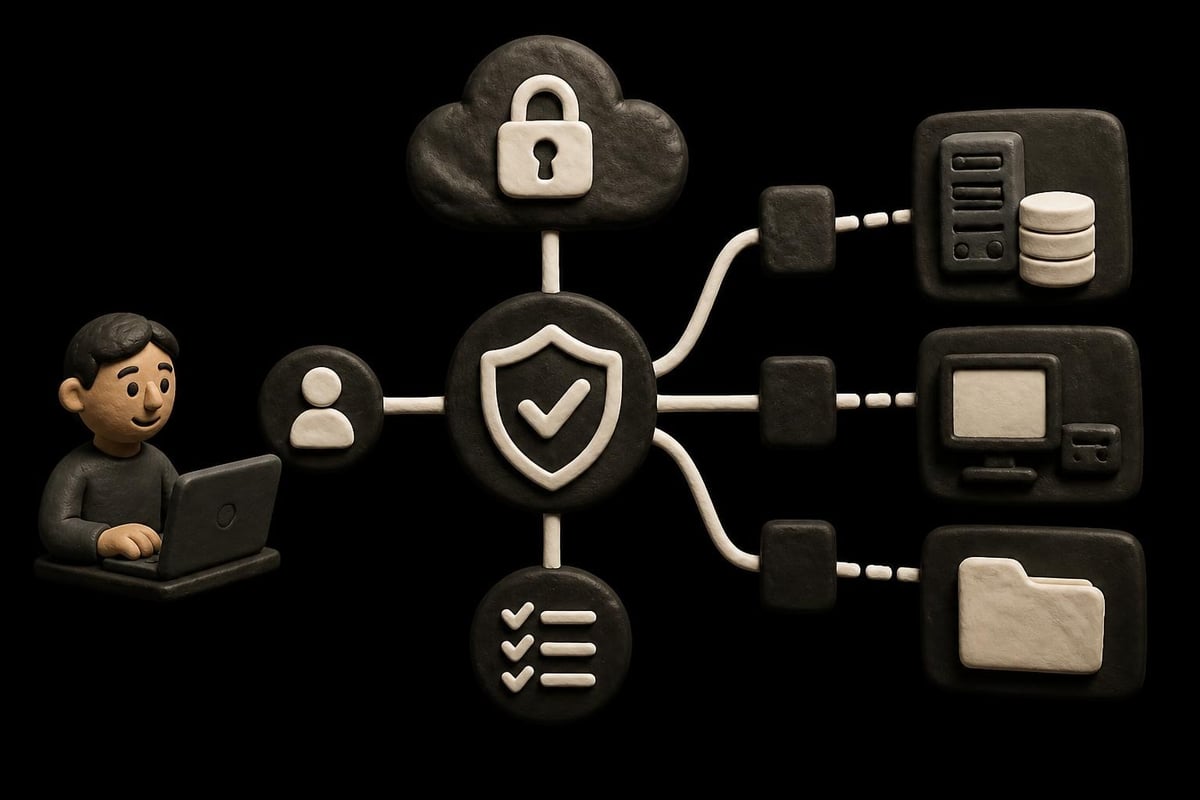
The shift toward zero trust security models fundamentally changes how we evaluate proxy security. Rather than trusting traffic based on network location, NIST's zero trust architecture treats proxies as critical policy enforcement points that verify every request.
In a zero trust design, the most secure proxy serves multiple functions:
- Identity verification gateway ensuring authenticated access
- Policy enforcement point applying granular access controls
- Traffic inspection node examining all data flows
- Segmentation boundary isolating network zones
- Audit logging point (for metadata only) tracking access patterns
Implementation Patterns for Proxy-Based Zero Trust
The NIST Zero Trust project documentation provides practical examples of deploying proxies within zero trust frameworks. These implementations show how sidecar proxies, ingress gateways, and egress controls work together to create defense-in-depth.
| Component | Role | Security Contribution |
|---|---|---|
| Ingress proxy | External access gateway | TLS termination, authentication, rate limiting |
| Sidecar proxy | Service mesh participant | mTLS between services, local policy enforcement |
| Egress proxy | Outbound traffic control | Data loss prevention, allowlist enforcement |
| Forward proxy | User traffic routing | Content filtering, threat detection, anonymity |
Different use cases require different zero trust patterns. Web scraping operations might emphasize egress proxy security with rotating residential proxies, while enterprise access prioritizes ingress authentication and session management.
Bandwidth and Performance Security Trade-offs
Security features inevitably impact performance, but the most secure proxy services minimize these trade-offs through intelligent architecture. Understanding this balance helps you configure optimal security without crippling throughput.
High-bandwidth connections (10Gbps or higher) matter for security, not just speed. Adequate bandwidth prevents bottlenecks that could expose your traffic to timing attacks or force fallback to less secure routes. When proxies struggle with capacity, they may skip security checks or buffer data insecurely.
Performance Features That Enhance Security
- Connection pooling reduces handshake overhead while maintaining encrypted tunnels
- Session resumption with TLS session tickets balances security and speed
- Geographic distribution keeps data flows short, reducing exposure windows
- Load balancing prevents single-point-of-failure scenarios
- DDoS mitigation protects infrastructure availability
The OWASP Web Security Testing Guide includes specific tests for proxy caching and session management vulnerabilities. These tests help verify that performance optimizations don't create security gaps.
When selecting between datacenter, residential, and mobile proxy types, security requirements vary. Mobile proxies offer the highest anonymity due to carrier-grade NAT and frequently changing IPs, while datacenter proxies provide more predictable security controls and better performance for high-volume operations.
Authentication and Access Control Mechanisms
The most secure proxy implements layered authentication that protects both your account and your traffic. Single-factor authentication no longer suffices for services handling sensitive data flows.
Multi-Layer Authentication Strategy
Strong authentication combines several verification methods:
- Account-level MFA requiring possession factors (TOTP, hardware keys)
- Connection authentication via API keys, certificates, or user credentials
- IP authorization limiting proxy access to approved networks
- Geographic restrictions blocking unexpected access locations
- Behavioral analysis detecting anomalous usage patterns
Beyond initial authentication, continuous authorization validates each request. This approach prevents token theft or session hijacking from granting prolonged access.
Certificate-based authentication offers the highest security for automated systems. Unlike passwords, certificates cannot be phished, are device-bound, and support automatic rotation. For enterprise deployments, integration with PKI infrastructure enables centralized credential management.

Proxy Types and Security Characteristics
Different proxy technologies offer distinct security profiles. Understanding these differences helps you select the most secure proxy for your specific requirements.
Datacenter proxies provide consistent security controls and high performance. Their static nature allows for precise configuration and monitoring, making them ideal when you need predictable security policies. However, their IP addresses are often flagged as proxies, reducing anonymity.
Residential proxies route traffic through real residential IP addresses, offering superior anonymity. The security trade-off involves trusting the residential network infrastructure and accepting less control over the exit node. The most secure residential proxy services implement strict vetting of their IP sources.
Mobile proxies deliver maximum anonymity through cellular networks. The security benefits include frequent IP rotation via carrier networks and legitimate mobile user agent strings. However, mobile networks' shared nature means your traffic exits alongside regular user traffic, requiring careful consideration of privacy implications.
Comparing Security Across Proxy Types
| Proxy Type | Anonymity Level | Control | Performance | Best For |
|---|---|---|---|---|
| Datacenter | Medium | High | Excellent | High-volume scraping, APIs |
| Residential | High | Medium | Good | Account management, e-commerce |
| Mobile | Very High | Low | Variable | Social media, mobile apps |
While free proxy options exist, they rarely meet security requirements for business use. Free services often monetize through data collection, injected advertising, or worse, making them fundamentally incompatible with security priorities.
Monitoring, Auditing and Incident Response
The most secure proxy services don't just prevent attacks, they detect and respond to security incidents effectively. This requires comprehensive monitoring without compromising user privacy.
Security-focused monitoring tracks:
- Connection attempt patterns and authentication failures
- Bandwidth anomalies indicating potential abuse
- Geographic inconsistencies in access patterns
- Protocol violations or malformed requests
- Certificate validation failures
These metrics enable threat detection without logging user activities. The distinction matters: monitoring infrastructure health and detecting attacks differs fundamentally from surveillance of user traffic.
Transparency and Third-Party Verification
Independent security audits provide external validation of security claims. The most secure proxy providers undergo regular penetration testing, publish transparency reports, and maintain bug bounty programs that invite security researchers to identify vulnerabilities.
Look for providers that document their security architecture publicly. While detailed implementation specifics should remain confidential, high-level architecture descriptions demonstrate security sophistication and allow informed evaluation.
Incident response procedures reveal how providers handle breaches. Clear communication channels, defined response timelines, and user notification policies indicate mature security operations.
Compliance and Regulatory Considerations
Security requirements often stem from regulatory compliance obligations. The most secure proxy services help organizations meet GDPR, CCPA, HIPAA, and industry-specific requirements.
Key compliance features include:
- Data residency controls ensuring traffic routes through approved jurisdictions
- Encryption meeting regulatory standards (FIPS 140-2 for federal use)
- Access logs (when required) with appropriate retention and protection
- Data processing agreements clarifying liability and responsibilities
- Right-to-deletion mechanisms for any stored data
Different industries face varying requirements. Financial services need payment card industry (PCI DSS) compliance, healthcare requires HIPAA safeguards, and government contractors must meet FedRAMP standards. The most secure proxy for your organization aligns with your specific regulatory landscape.
Support and Security Maintenance
Security isn't a one-time configuration but an ongoing process. The most secure proxy services provide continuous security updates and responsive support for security concerns.
24/7 support matters for security because:
- Security incidents don't respect business hours
- Configuration errors can create immediate vulnerabilities
- Rapid response limits attack windows
- Expert guidance prevents security misconfigurations
Support quality indicators include dedicated security contact channels, documented response SLAs for security issues, and knowledgeable staff who understand both proxy technology and security principles.
Regular security updates address newly discovered vulnerabilities. Providers should maintain a security bulletin or notification system that alerts customers to relevant threats and required actions. Automatic security updates for server-side components ensure protection without requiring user intervention.
Selecting the most secure proxy requires evaluating multiple security layers, from encryption protocols and authentication mechanisms to privacy policies and compliance features. Security and performance need not be mutually exclusive when providers architect their infrastructure thoughtfully. PinguProxy delivers enterprise-grade security through zero-log policies, dual IPv4/IPv6 support, 1ms rotation capabilities, and 10Gbps bandwidth, all backed by 24/7 expert support to help you maintain robust security across web scraping, gaming, and global access requirements.