
Phone Proxy: Complete Guide to Mobile Proxies in 2026
Mobile internet usage continues to dominate global web traffic, with smartphones serving as the primary gateway to online experiences for billions of users. A phone proxy represents a specialized intermediary server that routes mobile device traffic through alternate IP addresses, enabling enhanced privacy, security, and access capabilities. Whether you're managing social media accounts, conducting market research, or accessing geo-restricted content, understanding phone proxy technology has become essential in 2026's connected landscape.
Understanding Phone Proxy Technology
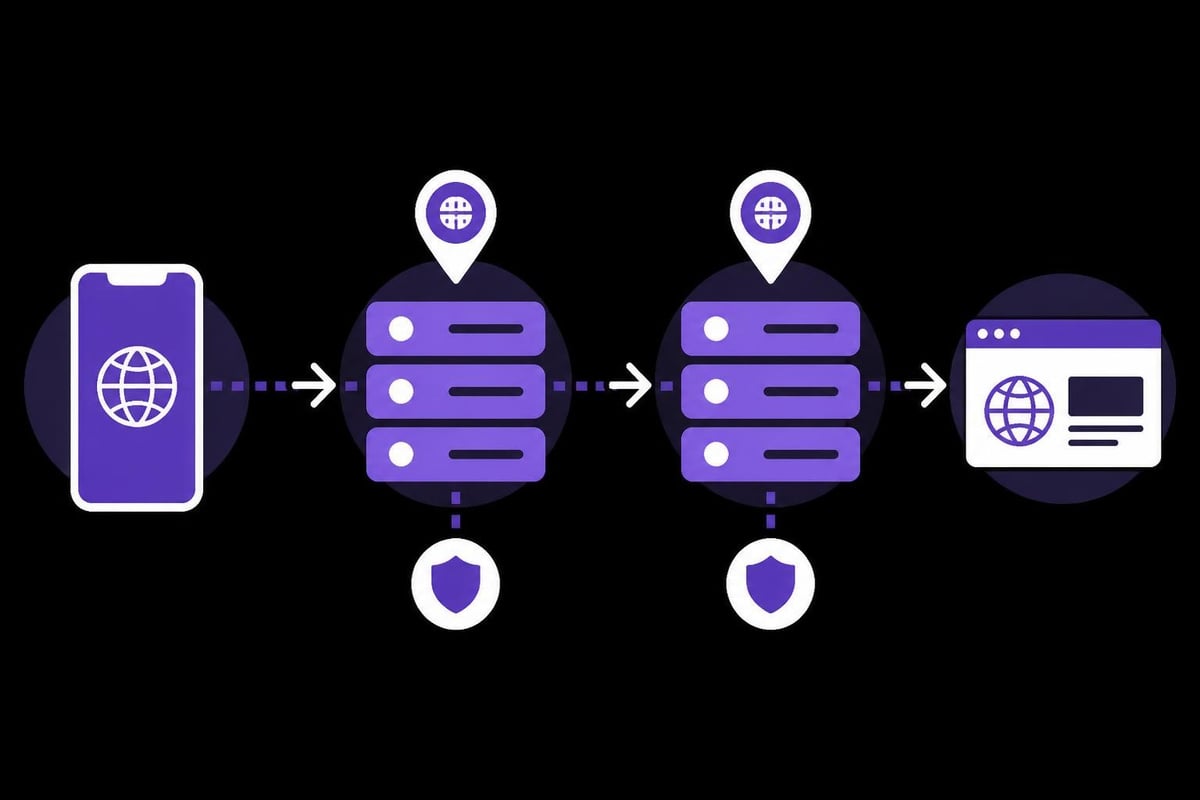
A phone proxy functions as an intermediary server positioned between your mobile device and the internet. When you connect through a phone proxy, your requests travel through this server first, which then forwards them to your intended destination using its own IP address.
This fundamental architecture creates several advantages. Your actual device IP remains hidden from websites and services you access, protecting your digital identity. The proxy server can be located anywhere globally, allowing you to appear as though you're browsing from different geographic regions.
Types of Mobile Proxy Connections
Mobile proxies fall into several distinct categories, each serving specific purposes:
- 4G/5G mobile proxies route traffic through real mobile carrier networks
- Residential mobile proxies use IP addresses assigned to actual mobile devices
- Datacenter proxies configured for mobile simulate mobile traffic from server infrastructure
- Rotating mobile proxies automatically switch IP addresses at specified intervals
The distinction matters significantly for different applications. Real mobile carrier IPs provide the highest legitimacy for activities requiring authentic mobile fingerprints, while datacenter solutions optimized for mobile offer superior speed and cost-effectiveness.
Key Benefits of Using Phone Proxy Services
Privacy protection ranks among the primary motivations for implementing a phone proxy. Mobile carriers and internet service providers routinely track user activity, building detailed profiles for advertising and data monetization. A properly configured phone proxy prevents this surveillance by masking your actual device identity.
Security enhancements extend beyond simple IP masking. When browsing on public WiFi networks, phone proxies encrypt your traffic and shield sensitive data from potential interceptors. This protection proves especially valuable for business professionals accessing corporate resources from coffee shops, airports, or hotels.
Geographic flexibility opens numerous possibilities. Content providers increasingly restrict access based on user location, from streaming services to e-commerce platforms. A phone proxy positioned in your target region grants seamless access to region-locked content and services.
Performance and Speed Considerations
Modern phone proxy infrastructure delivers impressive performance metrics. The best proxy services in 2026 offer bandwidth capabilities exceeding 10Gbps, ensuring minimal impact on browsing speeds. Latency remains a consideration, typically adding 20-100ms depending on proxy server location and network conditions.
Connection stability has improved dramatically compared to earlier mobile proxy implementations. Advanced providers maintain redundant infrastructure with automatic failover, ensuring continuous connectivity even when individual proxy nodes experience issues.
| Proxy Type | Average Speed | Latency | Reliability Score |
|---|---|---|---|
| 5G Mobile | 100-300 Mbps | 30-80ms | 98% |
| 4G Mobile | 50-150 Mbps | 50-120ms | 95% |
| Mobile Residential | 40-120 Mbps | 60-150ms | 93% |
| Datacenter Mobile | 200-500 Mbps | 20-60ms | 99% |
Practical Applications for Phone Proxies
Business intelligence gathering represents a major use case for phone proxy technology. Companies conducting competitor analysis need to view mobile versions of competitor websites and apps exactly as customers see them in different markets. A phone proxy enables this research without triggering anti-bot measures or receiving skewed results based on previous browsing history.
Social media management has become increasingly complex as platforms deploy sophisticated detection systems. Managing multiple accounts from a single device triggers automatic flags and potential account restrictions. Using phone proxies for platforms like Instagram allows agencies and marketers to operate numerous profiles safely, with each account appearing to originate from a unique mobile device.
Web Scraping and Data Collection
Mobile-first websites often display different content, pricing, and availability compared to desktop versions. For businesses engaged in web scraping operations, phone proxy infrastructure becomes essential for comprehensive data collection.
E-commerce price monitoring exemplifies this requirement. Many retailers implement dynamic pricing strategies that vary by device type and location. A phone proxy network allows automated systems to check prices across multiple geographic markets and device categories simultaneously.
Research published on proxy detection methodologies highlights the sophisticated techniques websites employ to identify proxy traffic. Modern phone proxy services counter these detection methods through advanced fingerprinting that precisely mimics genuine mobile device characteristics.
Setting Up and Configuring Phone Proxies
Configuration complexity varies significantly based on your chosen implementation method. Manual proxy setup through device network settings provides the most straightforward approach for casual users.
Manual Configuration Steps
- Navigate to your device's WiFi settings and select your connected network
- Locate the proxy configuration section (typically under advanced settings)
- Enter the proxy server address and port number provided by your service
- Configure authentication credentials if required
- Save settings and verify connectivity through IP verification tools
Application-specific proxy configuration offers granular control over which apps route through your phone proxy. This approach proves particularly useful when you want certain applications to maintain direct connections while others use proxy routing.
Modern proxy services like PinguProxy's rotating proxy features automate many configuration tasks, providing custom applications or profiles that simplify the setup process significantly.
Privacy and Security Best Practices
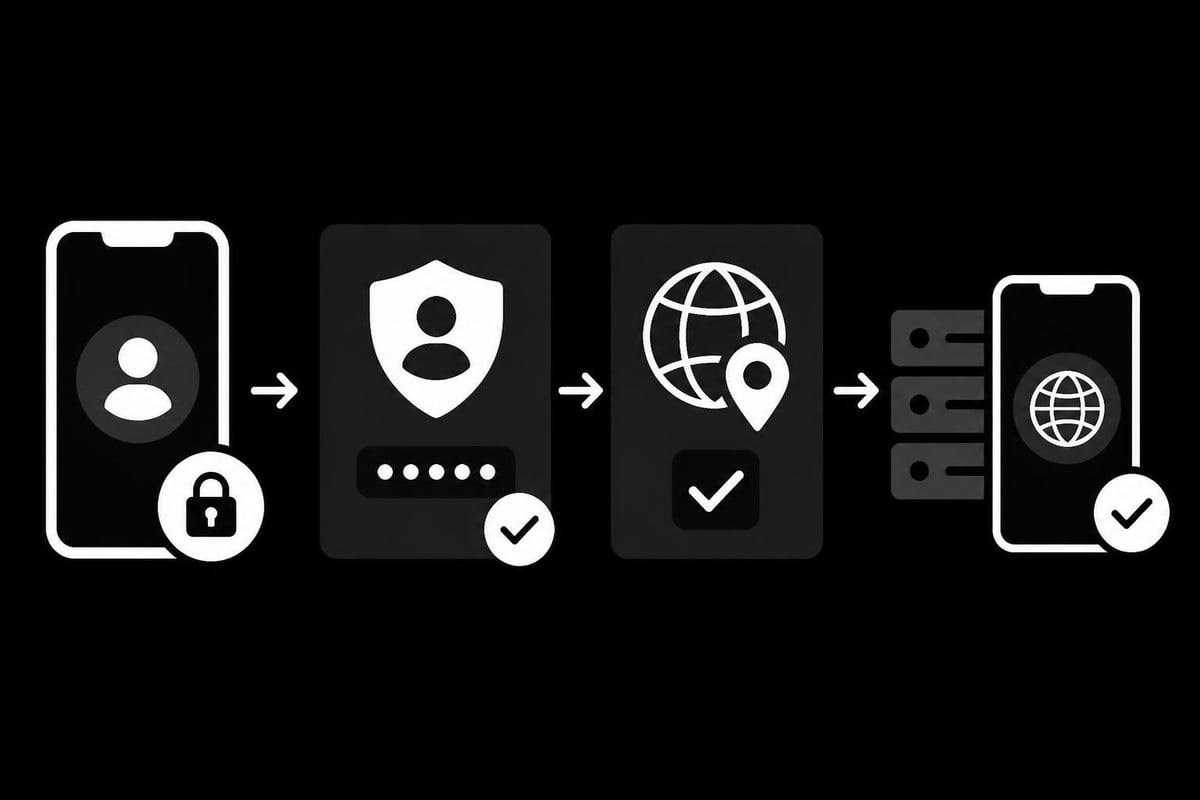
Selecting a reputable phone proxy provider forms the foundation of secure mobile proxy usage. Zero-log policies ensure that your browsing activity isn't recorded or stored by the proxy service itself. Unfortunately, many providers claim no-logging practices without independent verification or transparent privacy policies.
Authentication security demands attention beyond simple username and password combinations. Advanced providers support IP whitelisting, restricting proxy access to specific source addresses. This additional layer prevents unauthorized access even if credentials become compromised.
Connection encryption protocols determine the actual security of data in transit. While basic HTTP proxies offer minimal protection, HTTPS and SOCKS5 implementations with encryption secure your traffic from interception. Reviews of major providers like Oxylabs highlight the importance of protocol support in enterprise-grade proxy services.
Avoiding Common Security Pitfalls
Free phone proxy services attract users with zero-cost promises but frequently monetize through data collection and resale. These providers often inject advertising, track browsing behavior, or operate as malicious intermediaries capturing sensitive information.
DNS leaks represent another significant vulnerability. Even when routing traffic through a phone proxy, DNS requests may bypass the proxy, revealing your actual browsing destinations to your ISP. Comprehensive DNS leak protection should be verified before trusting any proxy service with sensitive activities.
Advanced Phone Proxy Features
Rotation capabilities distinguish professional-grade phone proxy services from basic offerings. IP rotation at one-millisecond intervals provides exceptional anonymity, making it virtually impossible for websites to track user behavior across multiple requests.
Geographic targeting precision has evolved beyond simple country-level selection. Modern phone proxy networks support city-level and even ISP-level targeting, critical for applications requiring specific regional presence. This granularity proves essential for localization testing where applications must be validated against exact market conditions.
Protocol Support and Compatibility
Comprehensive protocol support ensures compatibility across diverse applications and use cases. While HTTP/HTTPS remains the dominant protocol for web browsing, specialized applications often require SOCKS5 support for UDP traffic or custom authentication schemes.
IPv6 adoption in mobile networks has accelerated significantly, with major carriers transitioning infrastructure to support the newer protocol exclusively. Dual IPv4 and IPv6 compatibility eliminates connectivity issues regardless of network configuration.
| Feature | Basic Proxy | Professional Proxy | Enterprise Proxy |
|---|---|---|---|
| IP Rotation | Manual | Timed (minutes) | Sub-second |
| Geographic Targeting | Country | City | ISP-level |
| Protocol Support | HTTP/HTTPS | + SOCKS5 | + Custom |
| Session Control | No | Yes | Advanced |
| Bandwidth | Limited | 1-5 Gbps | 10+ Gbps |
Troubleshooting Common Issues
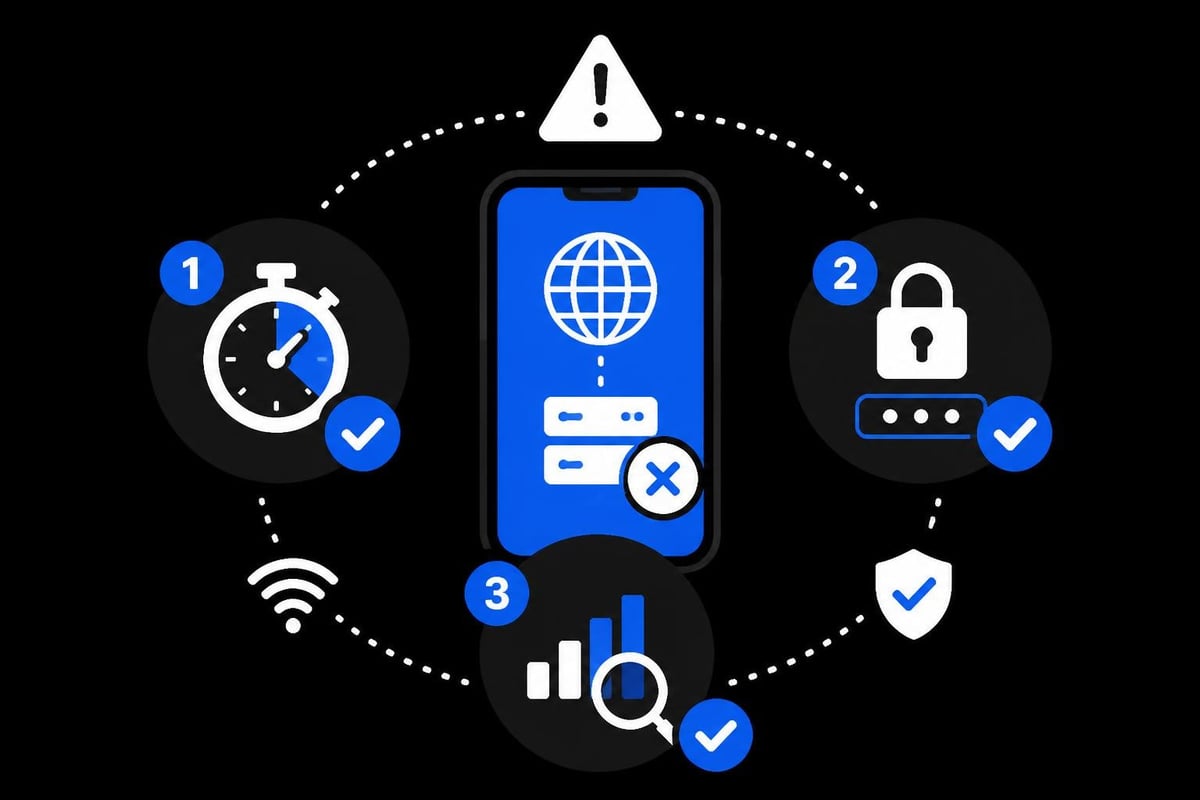
Connection timeouts plague phone proxy users, particularly when working with slower residential or mobile connections. Increasing timeout values in your application configuration often resolves these issues. Troubleshooting connection timeouts requires systematic testing to isolate whether problems originate from the proxy server, your device, or the target website.
Authentication failures typically result from incorrect credentials or IP restrictions. Verify that your access credentials match exactly, including case sensitivity and special characters. Some providers implement IP whitelisting requiring you to register your source IP address before proxy access is granted.
Slow performance can stem from numerous factors. Proxy server load, geographic distance, and carrier network congestion all impact speed. Testing alternative proxy locations or switching between carrier networks often improves performance substantially.
Compatibility Challenges
Application-specific compatibility issues arise when software implements proxy detection or requires specific proxy configurations. Gaming applications and some mobile apps refuse to function through standard proxies, necessitating transparent proxy modes or specialized routing configurations.
Research on proxy architectures for 5G networks demonstrates the technical challenges of maintaining performance while routing mobile traffic through intermediary servers. Understanding these limitations helps set realistic expectations for phone proxy performance in demanding applications.
Choosing the Right Phone Proxy Provider
Evaluating proxy providers requires assessing multiple factors beyond simple pricing comparisons. Network size determines available IP diversity, with larger pools reducing the likelihood of IP blocks or detection. Professional providers maintain millions of IP addresses across hundreds of geographic locations.
Customer support responsiveness becomes critical when technical issues disrupt business operations. Twenty-four-seven support availability through multiple channels ensures assistance when you need it. Reviews like the IPRoyal analysis provide insights into actual support experiences beyond marketing claims.
Pricing models vary considerably across providers. Some charge per GB of bandwidth consumed, while others offer unlimited data with connection-based pricing. For high-volume applications like data collection for AI training, unlimited plans prevent unexpected cost overruns.
Trial Periods and Testing
Responsible providers offer trial periods or money-back guarantees allowing real-world testing before committing. Testing should evaluate actual use cases rather than simple speed tests. Verify that proxies work with your specific applications and target websites, as performance varies significantly across different scenarios.
Testing proxy configurations through comprehensive validation ensures compatibility before deploying proxies in production environments. This validation should include authentication testing, speed benchmarking, geographic verification, and application-specific functionality checks.
Regulatory and Ethical Considerations
Legal frameworks governing phone proxy usage vary significantly across jurisdictions. While using proxies for privacy protection remains legal in most countries, certain applications may violate terms of service or local regulations. Understanding these boundaries prevents unintended legal complications.
Terms of service compliance deserves careful attention when using phone proxies to access online platforms. Many services explicitly prohibit proxy usage or automated access. While enforcement varies, violations can result in account termination or legal action in extreme cases.
Ethical usage extends beyond legal compliance. Respecting website resources through reasonable request rates, honoring robots.txt directives, and avoiding disruptive scraping practices maintains a healthy internet ecosystem. Professional proxy users implement rate limiting and respectful crawling patterns even when technical capabilities allow more aggressive approaches.
Phone proxy technology empowers users with privacy, security, and geographic flexibility essential for modern mobile internet usage. Understanding proxy types, configuration methods, and best practices enables you to leverage these tools effectively while avoiding common pitfalls. Whether you need phone proxies for business intelligence, social media management, or privacy protection, PinguProxy delivers enterprise-grade mobile proxy infrastructure with unlimited bandwidth, dual protocol support, and industry-leading rotation speeds. Our zero-log policy and 24/7 support ensure your mobile proxy operations remain secure, reliable, and perfectly aligned with your specific requirements.