
Essential Guide to Private Residential Proxies in 2025
Online privacy and secure browsing are more important than ever in 2025. As businesses and individuals face stricter online restrictions and smarter anti-bot systems, the demand for private residential proxies is reaching new heights.
This guide will walk you through everything you need to know about private residential proxies, from how they work to choosing the right solution for your needs. Whether you want to bypass geo-blocks, automate tasks, or protect your digital identity, private residential proxies offer powerful advantages.
Ready to take control of your online privacy and access? Dive in for expert tips, practical use cases, and the latest trends in proxy technology.
Understanding Private Residential Proxies: Definitions and Fundamentals
Understanding how private residential proxies work is essential for anyone seeking secure and undetectable internet access in 2025. These proxies are more than just tools for anonymity - they are the backbone of modern web privacy and data gathering strategies.

What Are Private Residential Proxies?
Private residential proxies are proxies that use real residential IP addresses assigned by internet service providers and are dedicated to a single user at a time. Unlike shared or datacenter proxies, these IPs come from actual devices such as home computers or smart TVs. The exclusivity of private residential proxies means your online activity is less likely to be flagged or blocked, since your traffic appears to come from a real household.
These proxies act as intermediaries between your device and the wider internet, masking your original IP and providing a layer of privacy. For example, providers like Proxyrack offer exclusive assigned IPs, while Webshare supplies dedicated static residential proxies for greater control. If you want to dive deeper into the basics, check out this detailed overview on what are residential proxies.
Exclusivity is key for both privacy and performance, making private residential proxies ideal for sensitive tasks where reliability and stealth are critical.
Key Differences: Private vs. Shared vs. Datacenter Proxies
When evaluating proxy solutions, it's critical to understand the differences. Private residential proxies offer exclusive use of their IPs, resulting in higher trust scores and a much lower risk of blacklisting. In contrast, shared proxies have multiple users per IP, which can cause slower speeds and a greater chance of bans due to overlapping activity.
Datacenter proxies use non-residential IPs, often from cloud servers. While they can be faster, they're more easily detected and blocked by sophisticated sites. Here’s a quick comparison:
- Private: Best for scraping, account creation, and gaming where reliability matters.
- Shared: Suitable for less sensitive or budget-conscious tasks.
- Datacenter: Ideal for speed, but not for stealth.
According to Proxyrack, private residential proxies consistently achieve higher success rates, especially in use cases that demand undetectability.
How Private Residential Proxies Operate
Private residential proxies route your internet traffic through genuine devices in residential areas. This approach makes your requests appear as if they’re coming from normal users rather than automated bots.
Key features include:
- IP Rotation: You can rotate IPs at custom intervals or use sticky sessions to keep the same IP for a period.
- Protocols Supported: HTTP, HTTPS, SOCKS5, and UDP are commonly supported, offering flexibility for various applications.
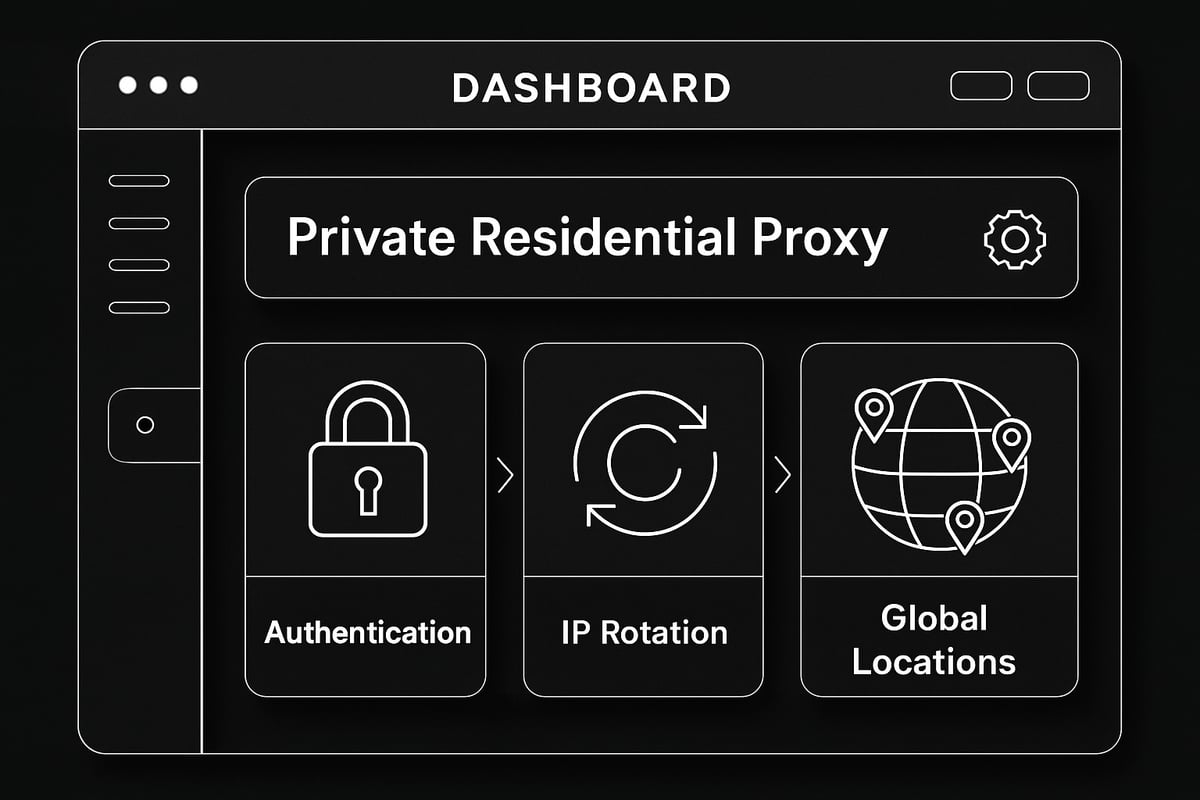
- Authentication: Access is controlled via IP whitelisting or username/password, adding a security layer.
For example, Proxyrack allows users to set custom rotation times and use sticky ports, providing a tailored proxy experience. These operational features make private residential proxies adaptable to a wide range of technical needs.
Why 2025 Is a Critical Year for Proxy Evolution
In 2025, major platforms are deploying more advanced anti-bot measures, making private residential proxies even more vital. The need for compliance and ethical proxy use is also increasing, with regulations tightening worldwide.
Providers like Webshare and Proxyrack now offer proxies in over 50 countries, ensuring global access and flexibility in response to expanding geo-blocks and regional restrictions. This evolution positions private residential proxies as essential tools for both businesses and individuals facing new digital challenges.
Advantages and Use Cases of Private Residential Proxies in 2025
As technology evolves, private residential proxies are becoming an essential tool for both businesses and individuals seeking secure, reliable, and undetectable online access. Their unique capabilities offer a competitive edge in a landscape filled with increasing digital restrictions and sophisticated detection systems.

Core Benefits for Businesses and Individuals
The main advantage of private residential proxies lies in their ability to provide true anonymity online. By routing your traffic through genuine residential IPs, you appear as a regular user rather than a bot or datacenter. This makes it much easier to bypass geo-restrictions, CAPTCHAs, and anti-bot measures.
You also benefit from exclusive IP control, which reduces the risk of blacklisting and ensures higher performance. Many providers, such as Proxyrack, offer unlimited bandwidth and flexible session management. For a deeper dive into how residential IPs enhance privacy, check out this Residential IPs and privacy guide.
With private residential proxies, users can enjoy peace of mind knowing their connection is secure and their data is protected from prying eyes.
Top Use Cases Driving Proxy Adoption
Private residential proxies are powering a range of modern applications. Web scraping is a prime example, as access to millions of real IPs allows for scalable, undetectable data collection. Social media managers use these proxies to automate multi-account operations safely.
SEO experts rely on private residential proxies to monitor rankings and perform search engine scraping without triggering bans. In e-commerce, they help with price comparison, accessing region-locked deals, and running sneaker bots.
Additional use cases include brand protection, ad verification, and even gaming, where proxies enable access to geo-restricted servers and reduce latency. Security-conscious users also turn to private residential proxies to shield their identity and protect sensitive research.
Real-World Examples and Industry Statistics
The real-world impact of private residential proxies is clear when looking at leading providers. Proxyrack, for instance, has earned a 4.3 out of 5 rating on Trustpilot, praised for its reliability in scraping and account creation. Webshare supports over 64,000 customers, boasts 99.97% uptime, and offers more than 30 million global IPs.
Businesses report more efficient project completion and fewer disruptions thanks to exclusive IP control. This trend reflects a broader shift toward private residential proxies for compliance and data privacy. As the market continues to grow, success rates and reliability remain key deciding factors for users.
Potential Drawbacks and Ethical Considerations
Despite their advantages, private residential proxies come with some challenges. The cost is often higher compared to shared or datacenter proxies, making them a bigger investment for some users.
It is also crucial to use private residential proxies responsibly and in compliance with legal and ethical standards. Providers such as Proxyrack are increasingly focused on compliance initiatives to ensure ethical usage. Misuse or neglect of compliance can result in legal risks or unintended harm, so users must remain vigilant and informed.
Key Features to Look for in Private Residential Proxies
Choosing the right private residential proxies for your needs can make the difference between seamless online operations and constant headaches. With so many options, knowing what features matter most is crucial. Let’s break down the essential aspects you should evaluate before making a decision.
Essential Technical Specifications
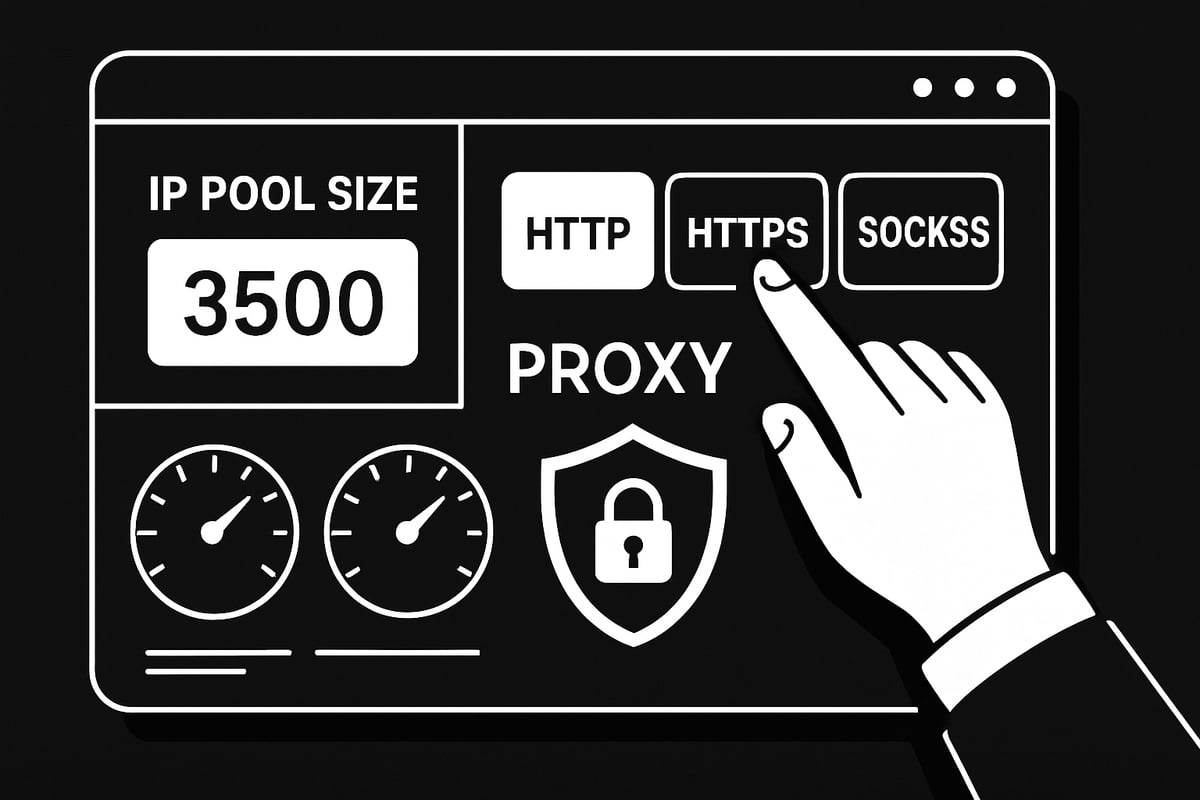
When comparing private residential proxies, focus on the technical specs that impact your experience the most. First, consider the size and diversity of the IP pool. A larger pool, like Webshare’s 30 million IPs across 195+ locations, ensures you can bypass geo-blocks and avoid detection.
Bandwidth is another key factor. Unmetered plans offer flexibility for heavy users, while metered options suit lighter needs. Speed and latency are critical, with providers like Webshare boasting 99.97% uptime and gigabit connections.
Protocol support opens the door to more use cases. Look for HTTP, HTTPS, SOCKS4/5, and UDP compatibility. For a deep dive into protocol differences, especially SOCKS5, check out this Residential SOCKS5 proxies explained guide.
IP rotation options are vital. Customizable rotation and sticky sessions help you manage sessions and avoid bans. These technical features are foundational in ensuring your private residential proxies deliver both reliability and flexibility.
Security, Privacy, and Compliance
Security and privacy are at the core of effective private residential proxies. Zero-log policies ensure that your activities remain confidential, while robust data protection safeguards your sensitive information.
Dedicated proxies provide exclusive access, reducing risk compared to semi-dedicated options. Compliance with GDPR and other privacy laws is now a baseline expectation. For example, Proxyrack’s opt-in compliance guarantees help users stay on the right side of regulations.
Transparency is also essential. Top providers openly disclose how they source their proxies and handle your data. Prioritize vendors who are clear about their privacy commitments and compliance initiatives.
Usability and Management Tools
User-friendly management tools are a game changer for anyone working with private residential proxies. Dashboards that offer live reporting and easy proxy list downloads streamline daily operations.
API access supports automation and bulk management, perfect for scaling projects or integrating with existing workflows. Sub-user support and team management features allow you to delegate tasks without compromising control.
Authentication flexibility is key. Choose between IP whitelisting or username/password methods, depending on your security needs. Providers like Webshare excel with downloadable proxy lists and intuitive dashboards for seamless management.
Customer Support and Service Guarantees
Reliable customer support should never be overlooked when selecting private residential proxies. Look for providers offering 24/7 assistance, so help is always available when you need it.
Money-back guarantees and trial periods reduce risk, letting you test services before committing. For instance, Proxyrack offers a 7-day paid trial and a transparent refund policy.
Trustpilot ratings and customer testimonials give insight into real-world experiences. High ratings often reflect consistent service and support, making them a valuable part of your evaluation process.
Pricing Models and Scalability
Pricing flexibility is essential for users at every scale. Private residential proxies are typically offered through pay-per-port/IP or pay-per-GB bandwidth models.
Custom plans allow users to tailor services to their specific needs, whether they’re a solo entrepreneur or a large enterprise. Providers like Webshare and Proxyrack offer scalable solutions, letting you upgrade or downgrade as your needs evolve.
Carefully consider the balance between cost and features. The right pricing structure ensures you get maximum value without paying for unnecessary extras.
Step-by-Step Guide: How to Set Up and Use Private Residential Proxies in 2025
Setting up private residential proxies in 2025 is easier than ever, but following a structured approach ensures you get the best results. Whether you are a business or an individual, this step-by-step guide will walk you through everything you need to get started and optimize your setup.
Step 1: Define Your Use Case and Requirements
Begin by clarifying what you want to achieve with private residential proxies. Are you focused on web scraping, social media automation, gaming, or securing your online privacy? Each scenario may require different features.
Think about the locations you need, required bandwidth, and how often you will rotate IPs. For example, an e-commerce team tracking US pricing may prioritize American IPs and high uptime. This step sets the foundation for a successful proxy deployment.
Step 2: Select a Reputable Proxy Provider
Next, research and compare proxy providers based on their IP pool size, uptime, and coverage. Look for providers with transparent privacy policies, flexible pricing, and strong customer support. Trustpilot ratings and trial periods are useful indicators of quality.
When comparing private residential proxies, consider reading comprehensive market analyses like the Proxy Market Research 2025 by Proxyway to evaluate industry leaders, growth trends, and features that matter most for your use case.
Here’s a quick checklist:
- Global IP coverage
- Protocol support (HTTP, HTTPS, SOCKS5)
- Compliance certifications
- Refund or trial options
Step 3: Purchase and Configure Your Proxy
Once you have chosen your provider, sign up and select a plan that matches your needs. Many providers offer options like five ports or custom bandwidth limits. Download your proxy list or access the dashboard for further configuration.
Set up authentication methods, such as IP whitelisting or username and password. Adjust rotation and sticky session settings for optimal performance. For instance, you might use this format to configure a proxy in your browser or tool:
Username: youruser
Password: yourpass
Proxy: ipaddress:port
Type: HTTP/SOCKS5
Step 4: Integrate Proxies with Your Tools and Applications
Now, integrate private residential proxies with your preferred applications. Most scraping tools, automation bots, browsers, and even gaming platforms allow proxy configuration. Input the proxy details as provided by your dashboard.
Test your connection to ensure everything works smoothly. For automation, use the API or bulk management tools your provider may offer. Live dashboards let you monitor status and troubleshoot any issues in real time.
Step 5: Monitor, Optimize, and Scale Usage
Finally, keep an eye on your proxy usage, success rates, and error logs. Adjust IP rotation frequency, change locations, or manage sub-user permissions to fit evolving needs.
If your requirements grow, upgrade your plan or add more IPs. Regular monitoring ensures your private residential proxies continue to deliver reliable, secure, and undetectable internet access.
Leading Private Residential Proxy Providers in 2025: Comparison and Review
Navigating the world of private residential proxies in 2025 means understanding which providers truly stand out. With market demand surging and more providers entering the scene, it is crucial to compare features, reliability, and customer feedback. The residential proxy server market continues to expand rapidly, offering more choices than ever before, as highlighted in this Residential Proxy Server Market Size & Share Analysis.
Proxyrack
Proxyrack is a leader in the private residential proxies landscape, offering exclusive unmetered residential proxies tailored for both businesses and individuals. Their proxies provide dedicated IP addresses, guaranteeing that users benefit from the highest level of privacy and performance.
With uncapped data usage, flexible rotation intervals, and support for HTTP, SOCKS, and UDP protocols, Proxyrack adapts to a wide range of use cases. The live reporting dashboard and sub-user management make it easy for teams to monitor and adjust proxy settings in real time. Customers appreciate the reliability, as reflected in a 4.3 out of 5 Trustpilot rating. Pricing starts at $26.38 per port per month, and custom plans are available for those with unique requirements.
Webshare
Webshare is another top provider in the private residential proxies sector, recognized for its vast pool of over 30 million residential IPs across 195 countries. Users can choose between static and rotating proxies to match their specific needs.
Webshare offers pay-per-GB and per-IP pricing, with bandwidth options from 250GB up to unlimited. Their robust dashboard allows users to monitor activity, manage proxies, and access a free Chrome extension for seamless integration. API access and an affiliate program add further value. Webshare also holds a 4.3 out of 5 Trustpilot rating, reflecting positive feedback from over 64,000 customers worldwide.
Other Notable Providers
Several other reputable names have carved out a niche in the private residential proxies market. Oxylabs is widely known for its massive IP pool and advanced web scraping tools, making it a favorite for enterprise-grade data collection. Smartproxy stands out with user-friendly dashboards and flexible plans, perfect for small businesses and individuals seeking easy proxy management. For those interested in static options, consider reviewing this Static residential proxies guide to understand how static proxies compare to rotating or dedicated solutions.
Each provider brings unique features, from enhanced compliance to specialized regional coverage, so consider your specific use case when making a choice.
Feature Comparison Table
Below is a comparison of leading private residential proxies providers, helping you quickly spot key differences:
| Provider | IP Pool Size | Protocols | Bandwidth Options | Rotation Controls | Pricing Structure | Support/Trial |
|---|---|---|---|---|---|---|
| Proxyrack | 10M+ | HTTP, SOCKS, UDP | Unmetered | Customizable | Per port/month | 24/7, 7-day trial |
| Webshare | 30M+ (195+ c.) | HTTP, HTTPS, SOCKS | 250GB to unlimited | Static/rotating | Per GB/IP | 24/7, free extension |
| Oxylabs | 100M+ | HTTP, HTTPS | Metered | Rotating/sticky | Subscription | 24/7, demo available |
| Smartproxy | 55M+ | HTTP, HTTPS, SOCKS | Metered | Rotating/sticky | Subscription | 24/7, free trial |
Note: For a deeper dive into static proxy options, see our linked guide above.
How to Choose the Best Provider for Your Needs
Finding the right private residential proxies provider starts with matching their strengths to your specific project. Need massive IP diversity for web scraping? Webshare or Oxylabs might be ideal. Want unlimited data for heavy automation? Proxyrack is a strong pick. If your focus is on static IPs for consistent sessions, review the static proxies guide.
Factor in your budget, scalability requirements, and whether you need advanced management tools or sub-user controls. Always look for trial periods, refund policies, and real user feedback before committing. The right choice will empower your online operations with secure, undetectable access wherever you need it.
Trends and Future Outlook for Private Residential Proxies in 2025
The landscape for private residential proxies is changing rapidly in 2025. As digital environments become more regulated and sophisticated, new trends are shaping how proxies are used and managed.
Evolving Anti-Bot and Detection Technologies
Anti-bot systems are now powered by advanced AI, making detection and blocking far more complex than ever before. Websites use machine learning and sophisticated fingerprinting to spot suspicious traffic. This has pushed providers of private residential proxies to innovate, focusing on undetectable, high-quality IPs.
Sticky sessions and rapid IP rotation have become essential features. Users want to mimic real human activity and avoid triggering alarms. According to the Rotating Residential Proxies Market Trends & Opportunities 2035, the demand for advanced proxy solutions is expected to surge as anti-bot technology evolves. Private residential proxies now need to blend seamlessly into regular traffic patterns to remain effective.
Expanding Global Coverage and IP Diversity
Providers are expanding their networks, offering private residential proxies in over 195 countries. This wide coverage is crucial for businesses that need to access localized content or bypass regional restrictions. IP diversity ensures users are not limited by geography and can rotate through millions of addresses.
Dynamic and flexible IP pools help users circumvent geo-blocks and adapt to new restrictions. The Residential Proxy IP Network Market Size & Growth Forecast highlights how market growth is driven by the need for broader global access. For anyone relying on private residential proxies, having diverse, location-specific IPs is now a top priority.
Compliance, Ethics, and User Privacy
In 2025, compliance is more than a buzzword. Regulations such as GDPR and CCPA are tightening, and providers must clearly demonstrate that their private residential proxies are sourced and used ethically. Opt-in proxy networks and transparent sourcing policies are becoming industry standards.
Privacy remains at the forefront, with zero-log policies and strict data protection practices. Users expect providers to offer detailed compliance documentation and clear user agreements. As scrutiny increases, the ethical use of private residential proxies is essential for both businesses and individuals to maintain trust and avoid legal issues.
Predictions for Proxy Market Growth
Looking ahead, private residential proxies are set to become even more integral to digital operations. Businesses and individuals will depend on them for automation, privacy, and access to global data. Industry analysts predict continued innovation in proxy management, IP rotation, and detection evasion.
The competitive landscape is likely to fuel better pricing, improved features, and smarter proxy solutions. Expect more user-friendly dashboards, enhanced analytics, and greater scalability. As the market grows, private residential proxies will play a central role in overcoming the next wave of internet restrictions and privacy challenges.After exploring what private residential proxies can do for your privacy, security, and online freedom in 2025, you might be wondering how to put these insights into action. Whether you’re looking to boost your web scraping projects, access restricted content, or simply keep your browsing private, having the right proxy solution makes all the difference. With PinguProxy's high-speed, zero-log network and flexible plans, you’re set up for both success and peace of mind. Ready to take the next step and see how easy it is to get started? Get Started Now