
Proxy 4 Free: Understanding Free Proxies in 2026
The search for "proxy 4 free" remains one of the most common queries in 2026, as users worldwide seek ways to bypass geo-restrictions, protect their privacy, or access blocked content without financial investment. While free proxy services promise anonymous browsing and unrestricted internet access, the reality behind these offerings is far more complex than most users realize. Understanding what free proxies actually provide, the hidden costs they impose, and when investing in professional proxy services makes sense can save you from security nightmares, compromised data, and wasted time troubleshooting unreliable connections.
The Reality Behind Proxy 4 Free Services
Free proxy services operate on fundamentally different business models than premium providers. These platforms must generate revenue somehow, and when you're not paying with money, you're often paying with your data, privacy, or browsing experience.
Most proxy 4 free platforms monetize through advertising, selling user data to third parties, or mining anonymized browsing patterns. Research into free HTTP(S) proxy ecosystems reveals that many free proxies inject advertisements into web pages you visit, track your online behavior, or even harvest credentials from unencrypted connections. The fundamental question becomes whether the cost savings justify these significant privacy and security trade-offs.
How Free Proxies Generate Revenue
- Data harvesting: Collecting and selling browsing habits, search queries, and site visits
- Ad injection: Inserting advertisements into websites you browse
- Bandwidth reselling: Using your connection as an exit node for other users
- Premium upsells: Offering limited free service to convert users to paid tiers
- Affiliate partnerships: Redirecting searches and clicks to generate commission
The transparency around these practices varies dramatically. Some free proxy providers clearly disclose their monetization methods, while others operate in regulatory gray areas that put users at considerable risk.
Security Vulnerabilities in Free Proxy Networks
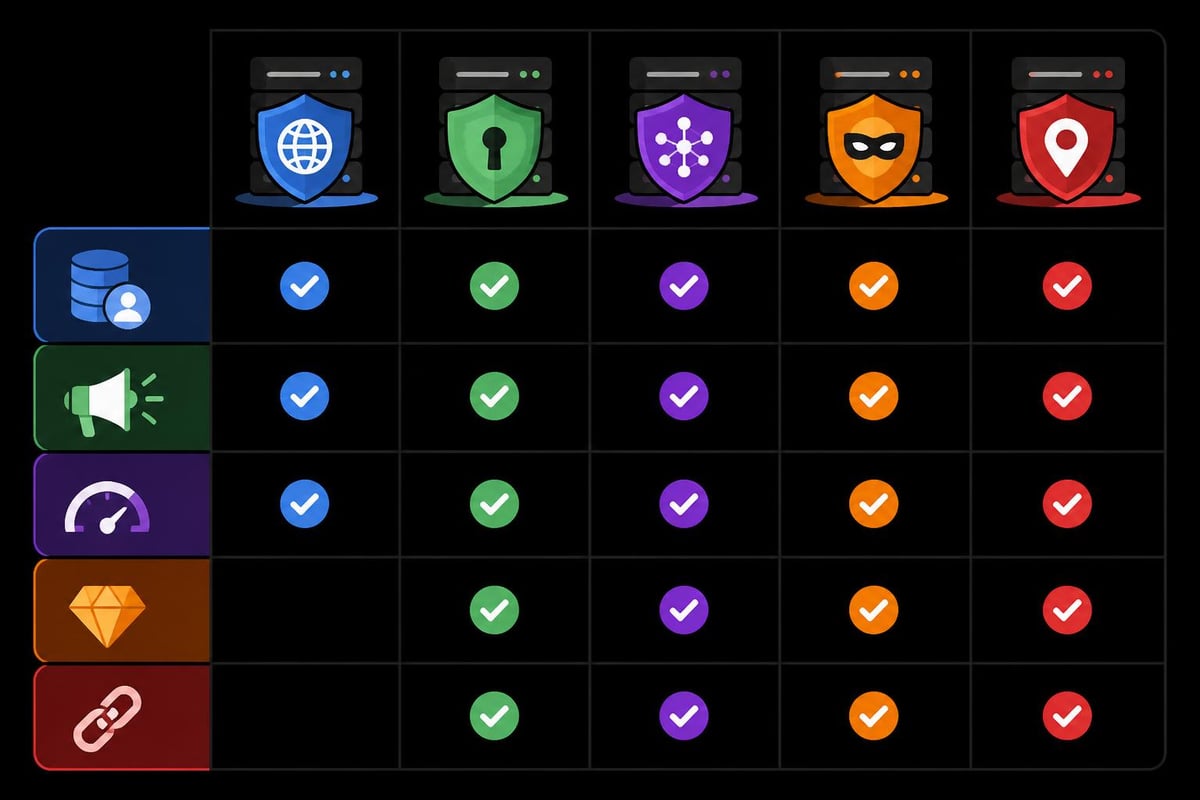
When evaluating proxy 4 free options, security considerations should dominate your decision-making process. Academic research examining vulnerabilities in free proxy services demonstrates that these platforms often lack fundamental security measures that protect users from malicious actors.
Free proxies frequently operate without encryption, exposing your data to interception at multiple points along the connection chain. Man-in-the-middle attacks become trivial when your traffic passes through unverified servers controlled by unknown entities. Even proxies claiming HTTPS support may use outdated encryption protocols or improperly configured certificates.
Critical security risks include:
- Unencrypted data transmission exposing passwords and personal information
- Malware injection through compromised proxy servers
- DNS leaks revealing your true IP address despite proxy usage
- Session hijacking allowing attackers to impersonate your browsing sessions
- Certificate spoofing enabling interception of supposedly secure connections
The absence of accountability in free proxy operations amplifies these vulnerabilities. Unlike professional providers such as PinguProxy, which implement zero-log policies and enterprise-grade security, free services rarely provide transparency about their infrastructure, ownership, or data handling practices.
| Security Feature | Proxy 4 Free | Premium Proxies |
|---|---|---|
| Encryption | Often absent | Standard (AES-256) |
| Log policy | Unclear/Logs kept | Zero-log verified |
| IP rotation | Manual/Limited | Automated (1ms) |
| Protocol support | HTTP/HTTPS only | HTTP/HTTPS/SOCKS5 |
| Customer verification | None | KYC compliance |
| DDoS protection | No | Yes |
Performance Limitations You'll Encounter
Beyond security concerns, proxy 4 free services impose severe performance constraints that make them unsuitable for serious applications. Connection speeds rarely exceed basic browsing requirements, making data-intensive tasks like web scraping or streaming video frustratingly slow.
Speed and Reliability Issues
Free proxy networks typically operate on overcrowded servers with hundreds or thousands of simultaneous users competing for limited bandwidth. During peak hours, connection speeds plummet to near-unusable levels. The infrastructure behind these services lacks the investment necessary for consistent performance.
Expect these performance problems:
- Download speeds capped at 1-5 Mbps regardless of your internet connection
- Frequent disconnections requiring manual reconnection
- High latency (200-1000ms) making real-time applications impossible
- Unreliable uptime with servers going offline without notice
- Geographic location limitations with few server options
Professional proxy services designed for rotating residential proxies deliver 10Gbps bandwidth and sub-millisecond rotation capabilities that free alternatives cannot approach. When your business operations depend on reliable connectivity, the cost differential between free and premium services becomes negligible compared to lost productivity.
Geographic and Access Restrictions
One irony of searching "proxy 4 free" to bypass restrictions is that free proxies themselves impose significant access limitations. Most free services offer only a handful of server locations, typically concentrated in North America and Western Europe.
This geographic limitation severely restricts your ability to access region-specific content or conduct market research across different territories. If you need to appear as if browsing from Southeast Asia, South America, or Africa, free proxy options prove nearly worthless.
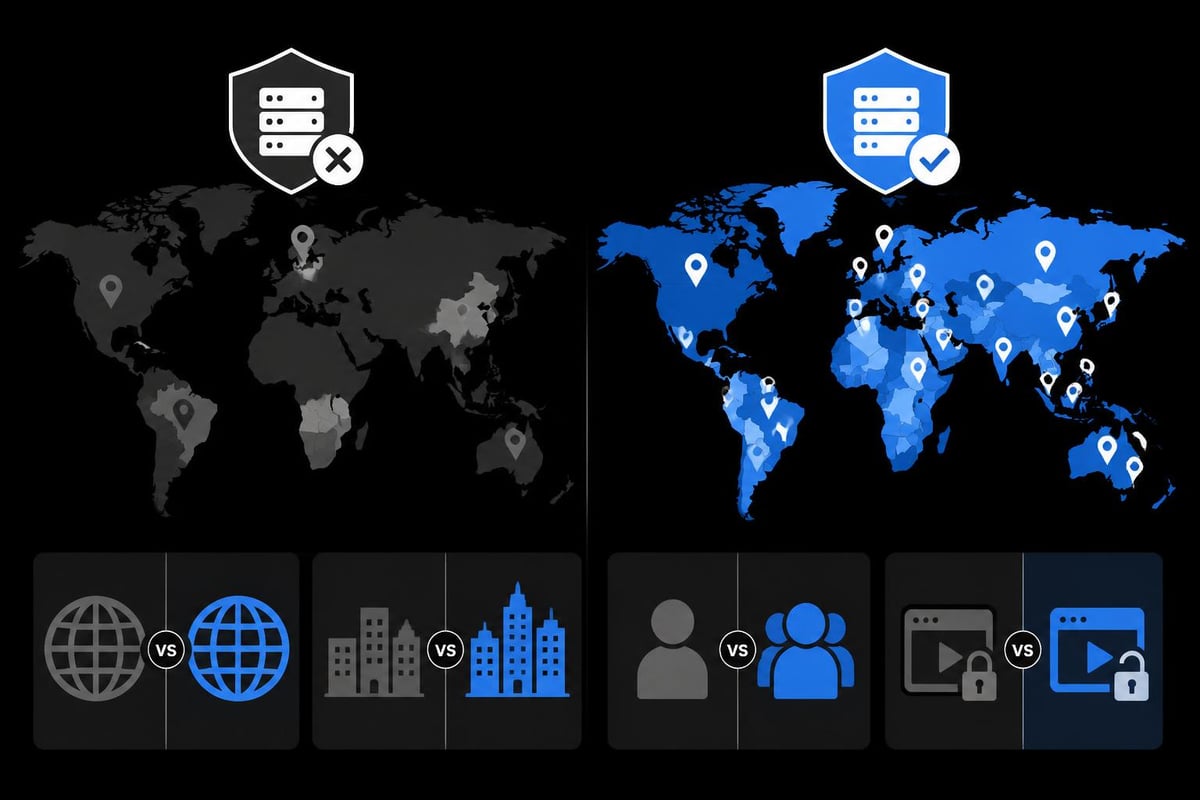
Additionally, many websites and platforms have identified and blacklisted IP ranges associated with free proxy services. Streaming platforms like Netflix, Hulu, and Disney+ actively block known free proxy IPs. E-commerce sites and social media platforms flag traffic from these sources as suspicious, leading to account restrictions or CAPTCHAs.
| Use Case | Free Proxy Success Rate | Premium Proxy Success Rate |
|---|---|---|
| Streaming services | 5-10% | 90-95% |
| E-commerce sites | 20-30% | 95-98% |
| Social media | 15-25% | 92-97% |
| Web scraping | 10-20% | 85-95% |
| Gaming servers | 5-15% | 88-94% |
Use Cases Where Free Proxies Might Suffice
Despite numerous limitations, certain scenarios exist where proxy 4 free services provide adequate functionality. Understanding when free options work helps you make informed decisions about resource allocation.
Acceptable free proxy applications:
- Occasional geo-restriction bypassing for non-critical content
- One-time IP verification to check how sites appear from different locations
- Basic privacy enhancement for non-sensitive casual browsing
- Testing proxy functionality before investing in premium services
- Educational purposes to understand how proxies operate
For these limited use cases, platforms like 4everproxy provide straightforward free web proxy services that handle basic tasks adequately. However, extending free proxy usage beyond these scenarios introduces unacceptable risks.
Never use proxy 4 free services for:
- Online banking or financial transactions
- Accessing work-related systems or confidential information
- Sneaker botting or competitive purchasing
- Professional web scraping operations
- Managing business social media accounts
- Gaming accounts with significant value
Alternative Solutions to Free Proxies
If budget constraints drive your interest in proxy 4 free options, several alternatives provide better value without the security and performance compromises inherent to free services.
Budget-Friendly Premium Options
Many professional proxy providers offer entry-level plans that compete favorably with the hidden costs of free proxies. When you factor in the time wasted troubleshooting connection issues, the risk of compromised accounts, and the opportunity cost of slow performance, even modest premium investments deliver superior returns.
Features that justify premium investment:
- Dedicated IP addresses that won't be flagged or blacklisted
- Customer support to resolve technical issues quickly
- Service level agreements guaranteeing uptime and performance
- Flexible rotation options for various use cases
- Protocol versatility supporting HTTP, HTTPS, and SOCKS5
Providers specializing in residential proxies for web scraping often offer trial periods or money-back guarantees that let you test premium service quality without long-term commitment.
VPN Services as Proxy Alternatives
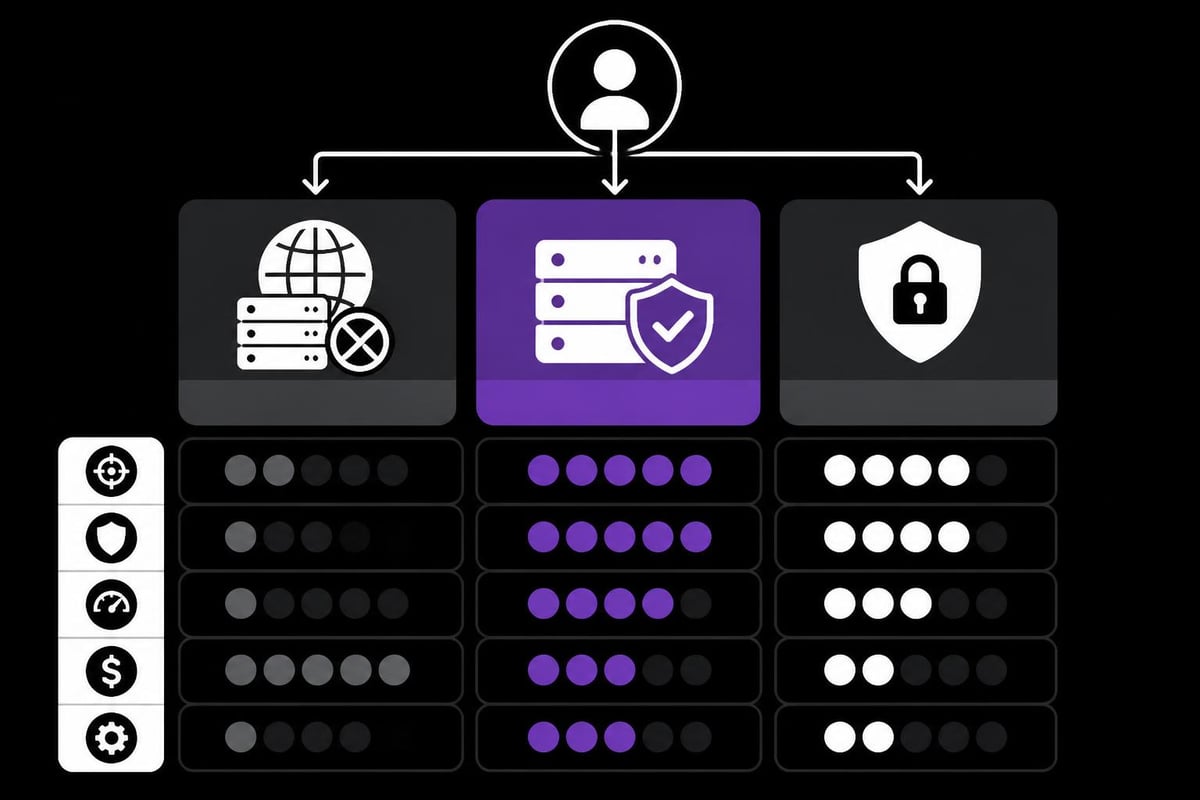
While VPNs and proxies serve different functions, some users searching "proxy 4 free" might find their needs better met by VPN services. VPNs encrypt all device traffic rather than just browser connections, providing more comprehensive privacy protection.
Several reputable VPN providers offer limited free tiers with reasonable performance and strong security. Unlike free proxies, these companies operate transparent business models with clear upgrade paths rather than monetizing user data.
Evaluating Free Proxy Safety
If you proceed with using free proxy services despite the risks outlined, implementing rigorous evaluation procedures minimizes potential harm. Not all proxy 4 free platforms operate with equally malicious intent, though distinguishing legitimate providers from dangerous ones requires technical knowledge.
Safety Checklist for Free Proxies
Before connecting through any free proxy, verify these essential safety factors:
- Research the provider's reputation through independent reviews and security analyses
- Check for HTTPS support ensuring basic encryption capability
- Test for DNS leaks using online verification tools
- Review the privacy policy understanding what data gets collected
- Verify the company location and applicable legal jurisdictions
- Look for transparency reports detailing requests and compliance
- Assess user feedback across multiple review platforms
Services like Gridinsoft's URL scanner can help evaluate the safety profile of specific proxy providers before you connect. Independent user reviews on platforms like Reviews.io provide real-world experiences that supplement technical assessments.
Even with thorough vetting, maintain defensive browsing practices when using free proxies:
- Never enter passwords or financial information through free proxy connections
- Use separate browser profiles for proxy browsing
- Enable your browser's tracking protection features
- Clear cookies and cache after each proxy session
- Monitor your accounts for unusual activity
When to Upgrade to Professional Proxies
The transition from proxy 4 free services to premium solutions should occur well before you encounter serious problems. Waiting for a security breach or account ban makes the upgrade reactive rather than strategic.
Clear Upgrade Indicators
Consider professional proxies when:
- Your activities involve sensitive personal or business information
- You need consistent performance for time-sensitive operations
- Website blocking affects your productivity or revenue
- You're managing multiple accounts across platforms
- Scraping operations require rotating proxies at scale
- Your use case involves financial transactions or competitive advantages
The cost-benefit analysis shifts dramatically once proxy usage moves from occasional to regular. A detailed review of proxy services for bypassing IP blocks demonstrates how premium features justify their pricing through reliability and success rates.
Professional proxy networks provide architectural advantages that free services cannot replicate. Advanced features like 1ms IP rotation, IPv6 protocol support, and dedicated account management create operational capabilities impossible with free alternatives.
Understanding the Total Cost of Ownership
While "proxy 4 free" searches focus on eliminating direct financial costs, comprehensive ownership analysis reveals hidden expenses that often exceed premium service pricing.
| Cost Factor | Free Proxies | Premium Proxies |
|---|---|---|
| Monthly fee | $0 | $30-200 |
| Time troubleshooting | 3-5 hours | <30 minutes |
| Security incident risk | High | Minimal |
| Account recovery costs | $50-500 | $0 |
| Lost productivity | $100-1000 | $0 |
| Data breach exposure | Unlimited liability | Provider coverage |
When you assign realistic values to your time and the potential consequences of security breaches, free proxies emerge as expensive options masquerading as cost savings. A single compromised account or data breach can cost far more than years of premium proxy subscriptions.
Technical Limitations of Free Infrastructure
The technical infrastructure supporting proxy 4 free services fundamentally cannot match professional offerings. Server maintenance, bandwidth provisioning, and network optimization require substantial ongoing investment that free business models don't support.
Infrastructure Comparison
Free proxy operators typically run outdated hardware in the cheapest data centers, using consumer-grade internet connections rather than enterprise fiber. This creates cascading performance problems:
- Packet loss during high traffic periods
- Inconsistent routing causing variable latency
- Limited redundancy leading to single points of failure
- Inadequate DDoS protection leaving services vulnerable
- No load balancing causing uneven server utilization
Professional providers invest in distributed networks across multiple continents, redundant routing protocols, and automatic failover systems. These infrastructure advantages translate directly into reliability that supports business-critical operations.
The architecture behind best rotating proxy providers demonstrates how sophisticated technical implementation creates user experiences impossible with free alternatives.
Privacy Policy Realities
Reading the privacy policies of proxy 4 free services reveals uncomfortable truths about data handling practices. Many policies grant providers broad rights to collect, store, and monetize user information in ways that fundamentally contradict the privacy goals driving proxy usage.
Common problematic policy provisions include:
- Indefinite data retention periods
- Rights to share data with unnamed "partners"
- Permission to analyze browsing patterns for commercial purposes
- Liability disclaimers for security breaches
- Jurisdiction selection favoring provider interests
- Vague language around "anonymous" versus "anonymized" data
Even when privacy policies appear reasonable, enforcement mechanisms rarely exist. Unlike regulated industries where privacy violations trigger substantial penalties, free proxy operators face minimal accountability for policy violations.
Professional proxy services operating under GDPR, CCPA, and other privacy regulations provide legally enforceable commitments backed by third-party audits and compliance certifications.
While searching for proxy 4 free solutions remains tempting for budget-conscious users, the security vulnerabilities, performance limitations, and hidden costs make these services unsuitable for anything beyond the most casual browsing. When your privacy, productivity, or business operations matter, investing in professional infrastructure delivers superior value and peace of mind. PinguProxy provides enterprise-grade datacenter and mobile proxies with zero-log policies, 10Gbps bandwidth, and 1ms rotation capabilities that eliminate the compromises inherent to free alternatives, backed by 24/7 support to ensure your operations run smoothly across any use case from web scraping to accessing global content.