
Socks5 Proxy Provider: Features, Security & Use Cases
Choosing the right socks5 proxy provider has become increasingly critical as internet privacy concerns mount and geo-restrictions expand across global platforms. SOCKS5 represents the fifth iteration of the Socket Secure protocol, offering versatile routing capabilities that work seamlessly with any traffic type, from HTTP requests to gaming packets. Unlike older proxy technologies, a modern socks5 proxy provider delivers authentication, improved error handling, and support for both IPv4 and IPv6 addressing. Whether you're scraping competitive intelligence, accessing region-locked content, or protecting sensitive communications, understanding what separates exceptional providers from mediocre ones can save you time, money, and potential security headaches.
What Makes SOCKS5 Different from Other Proxy Protocols
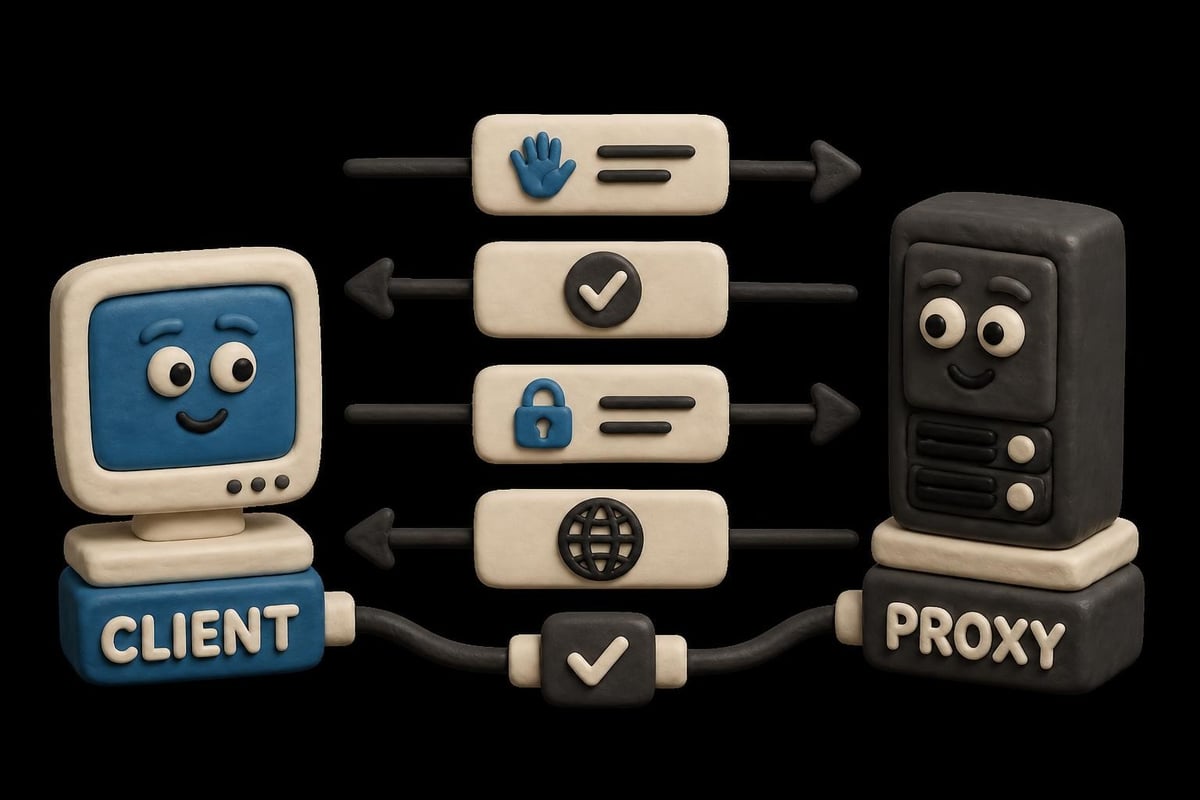
SOCKS5 operates at the session layer (Layer 5 of the OSI model), which means it handles data packets without inspecting or modifying their contents. This protocol-agnostic approach distinguishes it from HTTP proxies that only work with web traffic.
The SOCKS Protocol Version 5 specification introduced several enhancements over SOCKS4:
- Authentication methods including username/password and GSS-API
- UDP support for DNS queries, gaming, and streaming applications
- IPv6 compatibility for modern network infrastructure
- Domain name resolution on the proxy server side
These capabilities make SOCKS5 particularly valuable for applications requiring low-level network access. A quality socks5 proxy provider implements the full RFC 1928 specification rather than cutting corners with partial implementations.
Protocol Flexibility and Performance
One major advantage of working with a socks5 proxy provider is the protocol's lightweight nature. SOCKS5 doesn't rewrite packet headers or cache content like HTTP proxies, resulting in lower latency and faster throughput.
| Feature | SOCKS5 | HTTP/HTTPS Proxy | VPN |
|---|---|---|---|
| Traffic Types | All protocols | Web traffic only | All protocols |
| Encryption | Optional (app-level) | HTTPS only | Built-in tunnel encryption |
| Speed | Fastest | Fast | Moderate |
| Configuration | Per-application | Per-application/system | System-wide |
| Authentication | Multiple methods | Basic/Digest | Pre-shared keys/certificates |
This comparison shows why many professionals prefer SOCKS5 for specific use cases. The absence of built-in encryption might seem like a drawback, but it allows flexibility for applications already using TLS/SSL while avoiding the overhead of double encryption.
Key Features to Evaluate in a SOCKS5 Proxy Provider
When selecting a socks5 proxy provider, certain technical capabilities separate enterprise-grade services from consumer-oriented solutions. Understanding these distinctions helps you match provider capabilities to your specific requirements.
Authentication and Security Implementation
Strong authentication prevents unauthorized access to your proxy infrastructure. Professional providers offer:
- Username and password authentication with encrypted credential storage
- IP whitelisting to restrict access by source address
- Token-based authentication for API integration
- Two-factor authentication for account management
Security extends beyond authentication. The Tor Project's leak testing documentation demonstrates why proper SOCKS5 configuration matters for privacy. DNS leaks, WebRTC leaks, and improper protocol handling can expose your real IP address even when using proxies.
A reputable socks5 proxy provider implements zero-log policies and provides transparency about data retention. This becomes especially critical for compliance-sensitive industries where audit trails must demonstrate privacy protection.
Network Infrastructure and Geographic Distribution
The physical infrastructure determines performance, reliability, and geographic reach:
- Datacenter locations across target regions minimize latency
- Residential IP pools provide authentic geographic presence
- Mobile network access enables carrier-grade NAT traversal
- Bandwidth allocation affects concurrent connection capacity
- Redundancy measures ensure uptime during hardware failures
Premium providers maintain diverse infrastructure mixing datacenter, residential, and mobile IPs. This diversity supports different use cases while providing fallback options when specific IP ranges become blocked.
Protocol Rotation and Anonymity Enhancement
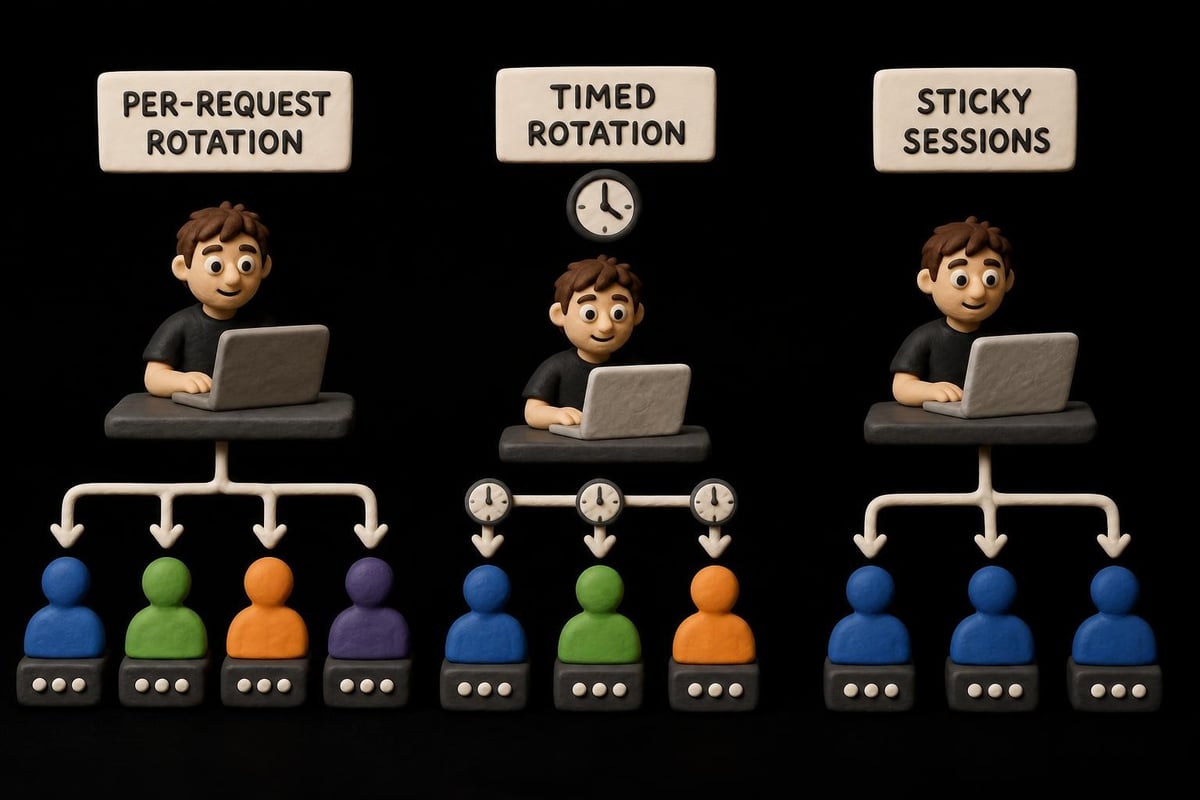
Modern scraping and automation workflows require frequent IP rotation to avoid detection. The 1ms proxy rotation capability offered by advanced providers enables:
- Request-level rotation for maximum anonymity
- Session-based persistence when maintaining state
- Geographic rotation across cities or countries
- Sticky sessions with configurable duration
Detection systems have grown sophisticated, as detailed in Cloudflare's residential proxy bot detection research. A quality socks5 proxy provider stays ahead of these detection methods through:
- Behavioral pattern randomization
- User-agent rotation and header management
- Request timing variation
- Connection fingerprint diversity
The combination of protocol-level features and provider-managed rotation creates robust anonymity for legitimate business use cases like competitive intelligence gathering and price monitoring.
Technical Debugging and Traffic Analysis
Understanding SOCKS5 traffic patterns helps troubleshoot connectivity issues and verify proper configuration. The Wireshark SOCKS protocol documentation provides essential reference for packet-level analysis.
Common debugging scenarios include:
- Connection handshake failures indicating authentication problems
- Partial data transmission suggesting firewall interference
- DNS resolution errors when servers mishandle name resolution
- Protocol negotiation mismatches between client and server
Analyzing Traffic for Security Risks
The OWASP Web Security Testing Guide outlines proxy-specific vulnerabilities that affect SOCKS5 implementations. Testing your socks5 proxy provider's security should include:
| Test Category | What to Verify | Tools/Methods |
|---|---|---|
| Authentication bypass | Credential validation strength | Fuzzing, credential stuffing tests |
| Traffic eavesdropping | TLS termination and inspection | Packet capture analysis |
| DNS leaks | Resolution location | DNS leak testing tools |
| IPv6 leaks | Dual-stack handling | IPv6-specific leak tests |
| Header exposure | Information disclosure | Browser fingerprinting checks |
These tests reveal whether your provider adequately protects against common attack vectors. Free or unreliable services often fail multiple categories, exposing users to data theft and identity compromise.
Use Case Optimization and Application Integration
Different applications benefit from SOCKS5 in distinct ways. A versatile socks5 proxy provider supports configuration flexibility for diverse scenarios.
Web Scraping and Data Collection
Web scraping at scale requires:
- High bandwidth for concurrent requests (10Gbps+ for enterprise)
- Geographic diversity to access region-specific content
- Residential IPs to avoid datacenter blocking
- Unlimited connections for parallel processing
Python libraries like requests with PySocks, Node.js packages like socks-proxy-agent, and headless browsers all support SOCKS5 natively. The configuration simplicity compared to HTTP proxies reduces development overhead.
Gaming and Low-Latency Applications
Competitive gaming and real-time applications demand minimal latency. When evaluating a socks5 proxy provider for gaming:
- Choose geographically close proxy locations (sub-20ms ping)
- Verify UDP support for voice chat and game protocols
- Test during peak hours to confirm consistent performance
- Monitor packet loss rates and jitter
Some providers prioritize TCP traffic over UDP, degrading gaming performance. Testing specific game protocols before committing to a provider prevents disappointing surprises.
Privacy and Anonymous Browsing
While VPNs typically serve general privacy needs, SOCKS5 proxies offer advantages for specific privacy scenarios. Modern SASE architectures increasingly leverage local SOCKS5 proxies for application-specific routing.
<image_prompt alt="Privacy layers with SOCKS5">Multi-layer privacy architecture showing how SOCKS5 proxies combine with application-level encryption, DNS over HTTPS, and browser privacy extensions to create comprehensive anonymity</image_portal>
Privacy-focused users should combine SOCKS5 with:
- End-to-end encryption via TLS/SSL
- DNS over HTTPS to prevent query interception
- Browser privacy extensions blocking trackers and fingerprinting
- Compartmentalized browsing separating identity contexts
Understanding free SOCKS5 proxy limitations helps appreciate why professional services justify their cost through reliability and privacy guarantees.
IPv4 and IPv6 Dual-Stack Support
As IPv4 address exhaustion continues and IPv6 adoption grows, dual-stack support becomes essential. A forward-thinking socks5 proxy provider offers:
- Native IPv6 connectivity for accessing modern networks
- IPv4 to IPv6 translation for legacy compatibility
- Separate IPv4 and IPv6 pools for targeting specific protocols
- Simultaneous dual-stack routing based on destination
Many websites now serve different content or implement different restrictions based on IPv4 versus IPv6 access. Testing campaigns and data collection workflows against both protocols reveals these differences.
Protocol Version Considerations
The IETF's work toward SOCKS version 6 acknowledges shortcomings in the current specification. While SOCKS6 remains in draft status, understanding proposed improvements helps evaluate provider roadmaps:
- Enhanced authentication mechanisms
- Better error handling and diagnostics
- Improved support for modern network conditions
- Formalized extension framework
Until SOCKS6 reaches standardization, SOCKS5 remains the practical choice. Providers actively participating in standards discussions demonstrate commitment to long-term protocol evolution.
Cost Structure and Value Assessment
Pricing models for SOCKS5 services vary significantly across providers. Understanding these structures helps identify the best value for your specific usage patterns.
Common Pricing Models
- Per-IP pricing charges for each unique IP address
- Bandwidth-based bills according to data transfer volume
- Concurrent connection limits restrict simultaneous sessions
- Unlimited plans offer fixed pricing regardless of usage
| Pricing Model | Best For | Potential Drawbacks |
|---|---|---|
| Per-IP | Specific geographic targeting | Expensive for large-scale rotation |
| Bandwidth-based | Predictable data volumes | Overage charges for spikes |
| Connection-limited | Few parallel processes | Bottleneck for concurrent operations |
| Unlimited | High-volume, variable workloads | May include soft caps or throttling |
A quality socks5 proxy provider offers transparent pricing without hidden fees for authentication requests, protocol overhead, or geographic routing. Reading the fine print prevents budget surprises.
Customer Support and Technical Resources
Technical challenges inevitably arise when working with proxy infrastructure. Responsive support distinguishes professional providers from budget operations.
Essential Support Features
24/7 availability ensures assistance regardless of time zone or shift schedule. Critical issues during automated workflows can't wait for business hours.
Documentation quality matters equally:
- API reference with code examples in multiple languages
- Integration guides for popular frameworks and tools
- Troubleshooting flowcharts for common connectivity issues
- Performance optimization recommendations
Self-service knowledge bases reduce dependency on support tickets while enabling faster resolution. However, complex infrastructure problems still require human expertise.
Testing and Proof of Concept
Reputable providers offer trial periods or limited free tiers for evaluation. Before committing to annual contracts, test:
- Connection stability over 72-hour periods
- Performance under your actual workload
- IP quality against target platforms
- Support responsiveness and expertise
- Billing accuracy and transparency
This validation prevents locked-in contracts with providers whose marketing promises exceed delivery reality.
Compliance and Legal Considerations
Operating proxy infrastructure involves legal complexities that responsible providers navigate carefully. Understanding these issues protects both provider and customer.
Acceptable Use Policies
Professional socks5 proxy provider services maintain clear terms prohibiting:
- Illegal content access or distribution
- Denial-of-service attacks
- Fraudulent transactions or identity theft
- Spam or unsolicited communications
- Copyright infringement at scale
These restrictions protect the provider's IP reputation and legal standing while ensuring service quality for legitimate users. Providers who ignore abuse create IP pools that quickly become blocked across major platforms.
Data Protection and Privacy Regulations
GDPR, CCPA, and similar regulations impose obligations on proxy providers handling user data. Zero-log policies address these requirements by minimizing data collection:
- No logging of destination URLs or domains
- No retention of request/response content
- Minimal session metadata (connection times only)
- Automatic log deletion schedules
Providers operating in multiple jurisdictions must comply with the strictest applicable regulations. EU-based providers often offer stronger privacy guarantees than those in surveillance-friendly jurisdictions.
Performance Optimization Strategies
Maximizing throughput and minimizing latency requires understanding both protocol characteristics and provider capabilities.
Configuration Best Practices
- Select geographically optimal proxy locations for your targets
- Enable connection pooling to reuse established sessions
- Implement retry logic with exponential backoff
- Monitor success rates and rotate problematic IPs
- Use compression when application protocols support it
The SOCKS5 protocol itself adds minimal overhead, but application-level optimization multiplies these gains. A 10Gbps connection means little if your application bottlenecks at 100Mbps due to poor configuration.
Bandwidth Management
High-performance use cases require understanding bandwidth allocation:
- Dedicated bandwidth guarantees minimum throughput
- Burstable bandwidth allows temporary overages
- Shared pools reduce cost but risk congestion
- Traffic shaping priorities certain protocol types
Your socks5 proxy provider should offer monitoring tools showing real-time and historical bandwidth utilization. This visibility enables capacity planning and helps identify performance degradation before it impacts operations.
Evaluating Provider Reputation and Reliability
Service reliability directly impacts business outcomes. Vetting providers thoroughly before commitment saves costly migrations later.
Key Evaluation Criteria
Research provider reputation through:
- Third-party reviews on independent platforms
- Community forums discussing real-world experiences
- Uptime monitoring results from status pages
- Response to incidents and service disruptions
- Company longevity and financial stability
Newer providers may offer competitive pricing but lack proven track records. Established companies demonstrate sustained operational capability but sometimes charge premium rates.
Infrastructure Transparency
Top-tier providers publish information about:
- Physical datacenter locations and carrier partnerships
- Network topology and redundancy measures
- Peering arrangements and transit providers
- DDoS protection capabilities
- Incident history and resolution times
This transparency enables informed risk assessment. Providers refusing to discuss infrastructure details may hide cost-cutting measures that compromise reliability.
Understanding what differentiates quality SOCKS5 services empowers smarter purchasing decisions and better integration outcomes. When you need reliable, high-performance proxy infrastructure backed by comprehensive IPv4 and IPv6 support, PinguProxy delivers enterprise-grade datacenter, residential, and mobile proxies with 10Gbps bandwidth, 1ms rotation, zero-log privacy protection, and 24/7 expert support for all your web scraping, gaming, and global access requirements.