
Static Proxy Guide: Everything You Need to Know in 2025
In 2025, digital privacy and security have become non-negotiable for both individuals and businesses navigating the online world. The surge in demand for reliable tools to protect data and access content has made the static proxy an essential solution.
This guide will demystify the static proxy, showing you how it delivers privacy, security, and performance. You'll discover what static proxies are, how they work, their key benefits, practical use cases, and tips for choosing the right provider.
With market growth accelerating and detection risks falling, understanding static proxies is more important than ever. Ready to future-proof your online operations? Dive in and unlock the full potential of static proxies for 2025.
What Are Static Proxies?
Understanding the static proxy is essential in today’s privacy-focused digital landscape. Let’s break down what static proxies are, how they work, and why their features make them a standout choice for many online tasks.
Definition and Core Concepts
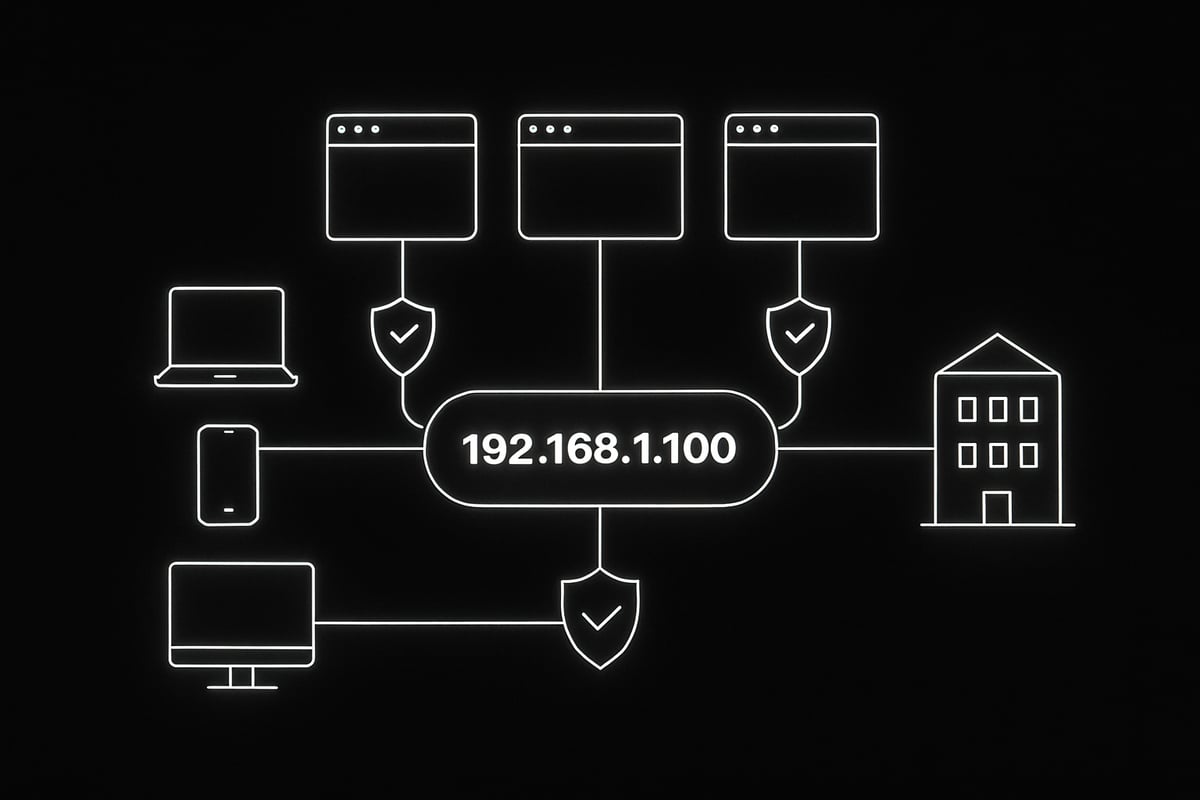
A static proxy assigns you a fixed IP address that remains unchanged for the duration of your session or use. This is in direct contrast to rotating proxies, where your IP changes with each request or at set intervals. With a static proxy, you get consistency - your online identity doesn't shift unexpectedly.
There are two main types of static proxies: residential (ISP) and datacenter. Residential static proxies use IPs provided by Internet Service Providers, making your connection appear like a regular home user. Datacenter static proxies, by contrast, are hosted in data centers and are not associated with any physical location or ISP.
Static proxies support several protocols, including HTTP, HTTPS, and SOCKS5. Each protocol offers unique capabilities, with SOCKS5 especially known for its versatility and speed. If you want to dive deeper into how static proxies compare to other types, check out this Types of Proxy Servers Explained guide.
When comparing a static proxy to a VPN, both can mask your IP and boost privacy. However, a static proxy typically provides a single, persistent IP and is often faster, whereas VPNs encrypt all traffic but may rotate IPs for each session.
For example, if you’re managing multiple accounts on a platform that requires long-term, uninterrupted sessions, a static proxy ensures your session isn’t interrupted by IP changes.
How Static Proxies Work
The process begins with IP assignment. When you purchase a static proxy, the provider allocates a specific IP address to you. Authentication (via username/password or IP whitelisting) ensures only you can use this proxy.
Stickiness is a defining feature: your static proxy maintains the same IP throughout your session. This is critical for tasks that require persistent logins, such as managing business accounts or scraping data over days.
For residential static proxies, ISPs play a key role. These IPs are assigned from real residential pools, making your activity appear authentic to target websites.
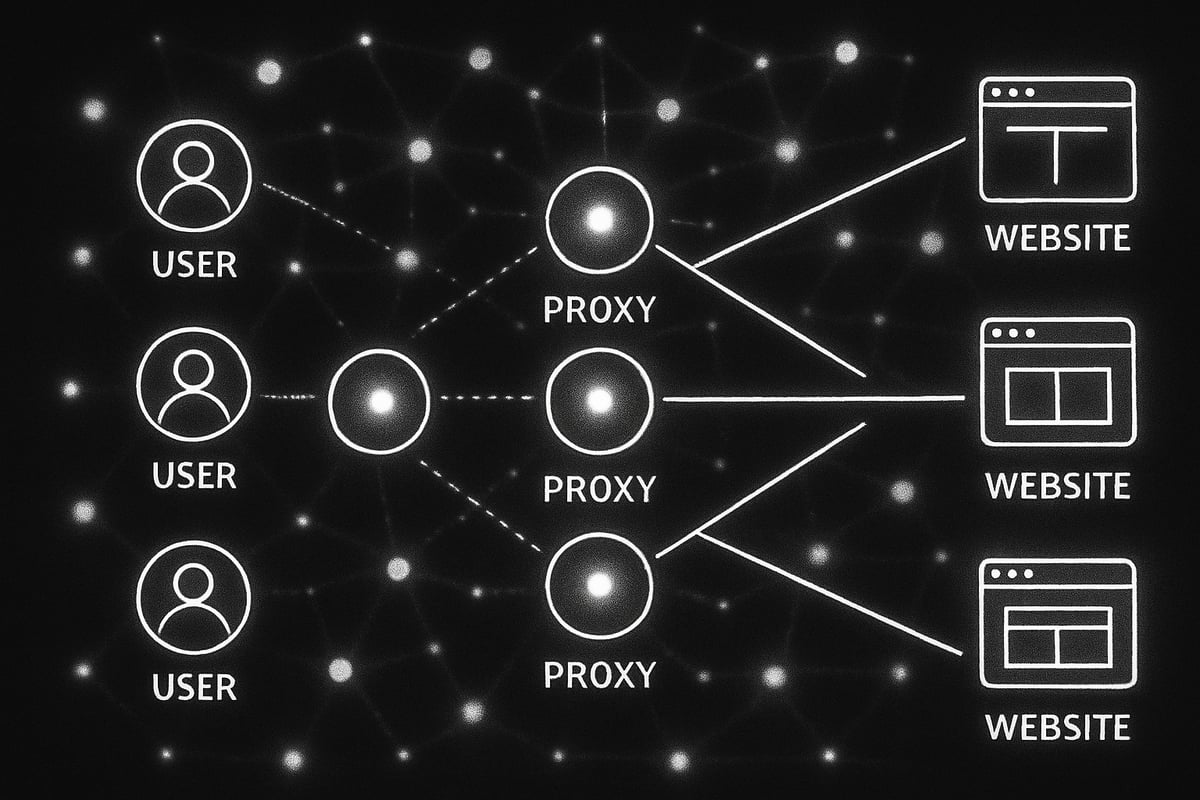
Technically, a static proxy acts as a middle layer between your device (client) and the target website (server). It’s like wearing a digital mask that never slips off, maintaining your chosen appearance for as long as you need.
Key Features of Static Proxies
A static proxy offers several standout features:
- IP Consistency and Reliability: Your IP doesn't change, ensuring uninterrupted sessions.
- High-Speed Connections: Many providers boast speeds up to 1 Gbps, supporting data-intensive tasks.
- Unlimited Bandwidth Options: Some plans offer unmetered traffic for large-scale operations.
- Dedicated vs. Shared: Choose between exclusive (dedicated) IPs for privacy or shared for cost savings.
- Global Coverage: Access IPs from 20+ countries and 21+ ISPs, giving you flexibility and reach.
Providers like ProxyEmpire and Webshare.io highlight these features, offering both residential and datacenter static proxies tailored to business and individual needs.
With a static proxy, you gain a powerful tool for privacy, reliable access, and seamless online operations.
Benefits and Use Cases of Static Proxies
Static proxies deliver a unique blend of reliability and control for businesses and individuals seeking online privacy, security, and access. Their fixed IP addresses provide distinct advantages that set them apart from other proxy types, making them a top choice for a wide range of digital needs.
Advantages Over Other Proxy Types
A static proxy stands out for its ability to maintain a single, dedicated IP throughout a session. This consistency is vital for tasks where identity and trust are essential.
Key advantages include:
- Persistent sessions: With a static proxy, users avoid frequent logins or session interruptions, which often happen with rotating proxies.
- Reduced bans and CAPTCHAs: Static proxies, especially those with residential IPs, are 45% less likely to trigger detection systems compared to datacenter IPs.
- Enhanced trust: Websites are more likely to treat static proxy traffic as legitimate, reducing the risk of being flagged as a bot.
- Real user behavior emulation: By keeping the same IP, activities such as managing accounts or running long-term automations appear natural.
- ISP-level targeting: Users can choose proxies from specific ISPs or locations for precise access and compliance.
For a deeper understanding of the differences between residential IPs and other proxy types, see this Residential IPs and Proxies guide.
For example, a marketing agency managing dozens of client accounts can use a static proxy to remain logged in for weeks, ensuring smooth workflows and avoiding repeated verifications. This reliability is why static proxy solutions are favored for critical, ongoing online operations.
Common Use Cases
The static proxy finds its place in a variety of industries and workflows. Its stability and undetectability unlock new opportunities for digital professionals.
Popular use cases include:
- Social media management: Handle multiple accounts without constant re-authentication or risk of bans.
- E-commerce intelligence: Monitor prices, verify ads, and access geo-restricted content with persistent sessions.
- SEO analytics: Track rankings and perform competitor research without triggering site defenses.
- Data aggregation: Collect large datasets over time, thanks to the static proxy’s consistent IP.
- Streaming and content access: Bypass geo-blocks and maintain access to restricted media.
- Business intelligence: Gather insights and perform market research more reliably.
According to 2024 data, nearly 40% of companies improved their scalability by implementing static proxy services. These proxies simplify account management, data collection, and automation while dramatically reducing operational friction.
For example, an SEO team can use a static proxy to monitor keyword rankings across multiple regions, maintaining uninterrupted access and accurate tracking over time.
Industry-Specific Applications
Static proxy technology is now deeply embedded in industry-specific workflows, helping organizations stay ahead in competitive markets.
Industry applications include:
- Digital marketing: Detect ad fraud and test campaigns without being blocked or misidentified.
- Travel and hospitality: Aggregate fares and booking data across regions, leveraging static IPs for consistent access.
- Gaming: Access region-locked servers and content without disruption.
Recent trends highlight a 45% improvement in data collection efficiency for businesses using static proxy solutions. This efficiency is especially valuable for industries that rely on high-frequency, reliable data access.
For example, travel agencies use static proxy IPs to continuously track flight and hotel prices, ensuring their clients always get the best deals.
In summary, the static proxy is a powerhouse tool for anyone needing reliable, persistent, and trusted online access. Its benefits stretch across industries, making it a cornerstone of modern digital operations.
How to Choose the Best Static Proxy Provider in 2025
Choosing the right static proxy provider in 2025 can make or break your online strategy. The market is crowded, but the right choice ensures privacy, performance, and scalability for your needs. Let's break down the essentials to help you navigate the options with confidence.

Key Selection Criteria
Not all static proxy services are created equal. The best providers offer a diverse IP pool, covering millions of addresses across 20+ countries. This variety lets you geo-target with precision and scale your operations as needed.
Look for providers with multiple ISPs, as this increases your access options and reduces the risk of blocks. Speed is another crucial factor. Top static proxy plans now offer up to 1Gbps and unlimited bandwidth, ensuring smooth, uninterrupted sessions.
Don’t forget protocol support - HTTP, HTTPS, and SOCKS5 should be standard. Flexible IP assignment (from hourly to monthly) allows you to match proxy sessions to your project needs. For a deeper look at current market leaders and benchmarks, check out the Proxy Market Research 2024.
Providers like ProxyEmpire stand out for their flexible plans and intuitive country targeting. Always compare these features before committing to a plan.
Reliability and Security Considerations
Reliability is non-negotiable in the static proxy world. Choose a provider with at least 99.7% uptime and transparent monitoring. Dedicated IPs are ideal for exclusive access, while shared IPs can be more cost-effective but may compromise privacy.
Security is just as important. Look for built-in firewalls, end-to-end encryption, and compliance with global data protection standards. Ethical IP sourcing is a must to ensure your operations remain above board.
Many static proxy providers now integrate advanced cybersecurity features, protecting you from threats and ensuring data integrity. Providers that prioritize reliability and security will help you maintain persistent sessions without interruption or risk.
Customer Support and Integration
Seamless onboarding and integration can save you hours of frustration. The best static proxy providers offer personalized onboarding, user-friendly dashboards, and full API access for developers.
Round-the-clock customer support is invaluable, especially if you run critical operations or need rapid troubleshooting. Look for services that assign dedicated account managers and provide flexible billing options, like rollover bandwidth.
Leading providers stand out by offering 24/7 support and proactive account management. This level of service ensures you can maximize your static proxy investment and resolve issues quickly.
Pricing Models and Trial Options
Static proxy pricing can vary widely. Some providers charge per IP, while others use bandwidth-based models. Unlimited bandwidth plans are popular for high-usage scenarios, and rollover options add flexibility if your needs fluctuate.
Free trials and low-cost starter plans (like $1.97 trials) let you test services before committing. For larger teams, custom enterprise solutions are available, offering scalable plans and dedicated resources.
Compare pricing tables carefully, noting any hidden fees or minimum commitments. Both ProxyEmpire and Webshare.io are known for transparent pricing and a range of options, making it easier to find a static proxy plan that fits your goals.
Static Proxy Trends and Innovations for 2025
The static proxy landscape is rapidly evolving as 2025 approaches. Businesses and individuals alike are seeking more robust, reliable, and efficient solutions to stay ahead of digital challenges. Let’s explore the biggest trends shaping the future of static proxy technology and how you can leverage them.
Market Growth and Adoption
The static proxy market is experiencing explosive growth, with an 11.48% CAGR reported for 2024. This surge is driven by sectors like e-commerce, data analytics, and cybersecurity, all demanding persistent, undetectable IPs.
Providers are expanding their global IP pools, now covering over 20 countries and 21 ISPs. This diversity means users can access highly localized content and bypass geo-restrictions more effectively. In fact, operational efficiency for data-heavy businesses has improved by 30% thanks to static proxy adoption.
Companies report a significant reduction in detection risks and better scalability. To dive deeper into the forces behind this movement, check out this Residential Proxy Server Market Analysis for detailed insights into industry growth and innovation.
Technological Advancements
Technology is redefining what a static proxy can do. Providers are integrating AI and machine learning to predict IP blocking, optimize performance, and automate proxy management. These smart systems analyze usage patterns to keep your connections smooth and undetectable.
The rollout of 5G networks is another game-changer. Static proxy connections are now faster and more stable, with lower latency for real-time applications. IoT integration is on the rise, allowing secure management of smart devices through static proxies.
Providers are also rolling out advanced geotargeting, letting users access hyper-local content with precision. Many now offer dashboards with real-time analytics and API-based controls, giving you more power over your proxy experience.
Regulatory and Ethical Considerations
Stricter data protection laws are shaping how static proxy services operate. In 2025, providers must ensure full compliance with privacy regulations and prioritize ethical IP sourcing.
Transparency is becoming a key differentiator. Some companies are exploring blockchain for secure, auditable proxy transactions. There’s also a growing focus on sustainability, with energy-efficient networks and responsible management of digital resources.
Choosing a static proxy provider that champions ethical practices and regulatory compliance isn’t just smart - it’s essential for long-term success.
Customization and Flexibility
Static proxy solutions are more customizable than ever. Users can tailor their proxy experience with flexible IP assignment times, from hourly to monthly. This allows businesses to scale quickly or adapt to new projects without hassle.
Modern dashboards empower users to manage proxies via intuitive interfaces or robust APIs. Features like bandwidth rollover and dynamic billing ensure you only pay for what you need.
Providers are listening to user feedback and building more flexible, user-driven systems. As a result, static proxy technology is becoming a perfect fit for a wide range of use cases and industries.
Step-by-Step: How to Set Up and Use Static Proxies in 2025
Ready to harness the power of static proxy solutions in 2025? Setting up and using a static proxy doesn’t have to be daunting. Follow these clear, actionable steps to secure your online activities, streamline workflows, and unlock new opportunities for privacy and efficiency.
Step 1: Define Your Use Case and Requirements
Before diving in, clarify why you need a static proxy. Are you managing multiple accounts, scraping data, or bypassing geo-blocks? Pinpoint your goals, as this shapes every decision that follows.
- Identify your primary objectives (e.g., social media, streaming, e-commerce).
- Decide which IP locations and protocols (HTTP, HTTPS, SOCKS5) you require.
- Estimate bandwidth and session needs for your tasks.
If you’re new to the world of proxies, consider checking out the Beginner's Guide to Proxies for essential background. This helps you grasp the basics before configuring your static proxy setup.
Step 2: Select and Purchase a Static Proxy Plan
With your requirements in hand, compare static proxy providers. Look for features matched to your use case, such as pool size, supported countries, and speed. Decide if you need a dedicated or shared IP, and ensure the provider supports your chosen protocols.
- Compare pricing models: per IP, bandwidth-based, or unlimited.
- Look for trial options or starter plans to test before committing.
- Review support offerings, like 24/7 chat or account managers.
For example, many users start with a low-cost trial to evaluate performance before scaling up their static proxy resources.
Step 3: Configure Proxy Settings
Once you’ve purchased a static proxy, it’s time to configure your devices or applications. Providers will supply credentials - typically an IP address, port, username, and password.
- Input these details into your browser, automation tool, or scraping framework.
- Choose the protocol best suited for your task (HTTP/SOCKS5).
- Save your configuration for easy reuse.
A basic configuration might look like this:
Proxy IP: 192.168.1.100
Port: 8080
Username: user123
Password: pass456
This simple setup ensures your internet traffic is routed through your chosen static proxy.
Step 4: Test and Optimize Proxy Performance
Before fully relying on your static proxy, it’s crucial to test its performance. Verify that your IP is correctly masked and that you have access to your targeted regions or services.
- Use online tools to check your new IP address and location.
- Test connection speed and latency.
- Monitor reliability and ensure websites recognize you as a legitimate user.
Most providers offer dashboards for real-time monitoring, bandwidth tracking, and troubleshooting. Regular testing helps you catch issues early and maintain optimal performance.
Step 5: Maintain and Scale Your Proxy Usage
As your needs evolve, scale your static proxy usage accordingly. Monitor bandwidth, session health, and the need for additional IPs or locations.
- Upgrade or adjust your plan as traffic increases.
- Replace static IPs if you encounter bans or slowdowns.
- Use provider support for technical or integration issues.
Staying proactive ensures your static proxy setup continues to deliver value, whether for business intelligence, automation, or content access.
Tips for Avoiding Common Pitfalls
Even a well-configured static proxy setup can encounter challenges. Follow these best practices to avoid disruptions:
- Regularly update credentials and rotate IPs to minimize detection.
- Monitor for IP leaks and address session drops promptly.
- Stay compliant with target site policies and relevant regulations.
- Keep proxy configurations updated for maximum performance.
By following these tips, you maximize reliability and ensure your static proxy remains a powerful, secure tool for your online activities.
Comparing Static Proxies to Other Proxy Types
Choosing the right proxy matters more than ever as privacy and efficiency demands rise. Understanding how each proxy type stacks up against a static proxy can help you make smarter decisions for your online needs.
Static vs. Rotating Residential Proxies
A static proxy provides a fixed IP address throughout your session, while rotating residential proxies constantly change your IP at set intervals or each request. This difference is crucial for tasks requiring persistent identity, like account management or long-term logins.
Rotating proxies excel at large-scale data scraping, where frequent IP changes help dodge bans. Yet, the static proxy stands out for seamless session management, reducing the need for repeated logins. Its consistent IP also lowers the risk of flagging by target sites.
If you’re managing multiple social media accounts, a static proxy ensures each account maintains a stable digital footprint. In contrast, rotating proxies are better for scraping public data quickly and anonymously.
Here's a quick summary:
| Feature | Static Proxy | Rotating Residential Proxy |
|---|---|---|
| IP Consistency | High | Low |
| Session Persistence | Excellent | Limited |
| Blocking Risk | Lower | Varies |
| Best Use Case | Account Management | Large-scale Scraping |
Static vs. Datacenter Proxies
Comparing static proxy options to datacenter proxies reveals important differences. Datacenter proxies are typically faster and more affordable, as they originate from commercial servers rather than real ISPs. However, they are easier to detect and block, with a 45% higher detection risk compared to static residential IPs.
A static proxy, especially when residential, is trusted by most websites. It mirrors real user behavior, making it ideal for sensitive activities like logging into accounts or accessing restricted content. Datacenter proxies, meanwhile, suit tasks where speed matters more than stealth, such as bulk data collection or testing non-sensitive web apps.
For a deeper dive into market trends and the growing role of datacenter proxies, check the Data Center Proxy Service Market Report.
Static vs. Mobile Proxies
Mobile proxies use IPs assigned by mobile carriers, offering the highest anonymity. They excel at accessing mobile-specific content or bypassing strict regional restrictions. However, mobile proxies are often pricier and can have slower speeds compared to a static proxy.
A static proxy balances reliability, speed, and cost. It’s best for maintaining long-term sessions or managing business accounts. Mobile proxies shine in gaming, app testing, or when simulating mobile user behavior is essential.
Consider your needs: if mobile authenticity is vital, mobile proxies are unbeatable. For most business tasks, a static proxy delivers a strong mix of performance and stability.
When to Use Each Type
How do you choose the right proxy for your task? Use this simple decision matrix:
- Static proxy: Persistent sessions, account management, trust-sensitive activities.
- Rotating residential: Mass scraping, rapid data collection, anonymity over time.
- Datacenter: Speed-focused tasks, large-scale automation, non-sensitive scraping.
- Mobile: Region-locked gaming, mobile app testing, high-anonymity needs.
Often, combining multiple proxy types delivers the best results. For example, use a static proxy for account logins and rotating proxies for data aggregation. The right mix depends on your goals, risk tolerance, and budget.
PinguProxy: High-Speed Datacenter and Mobile Proxies for Versatile Use Cases
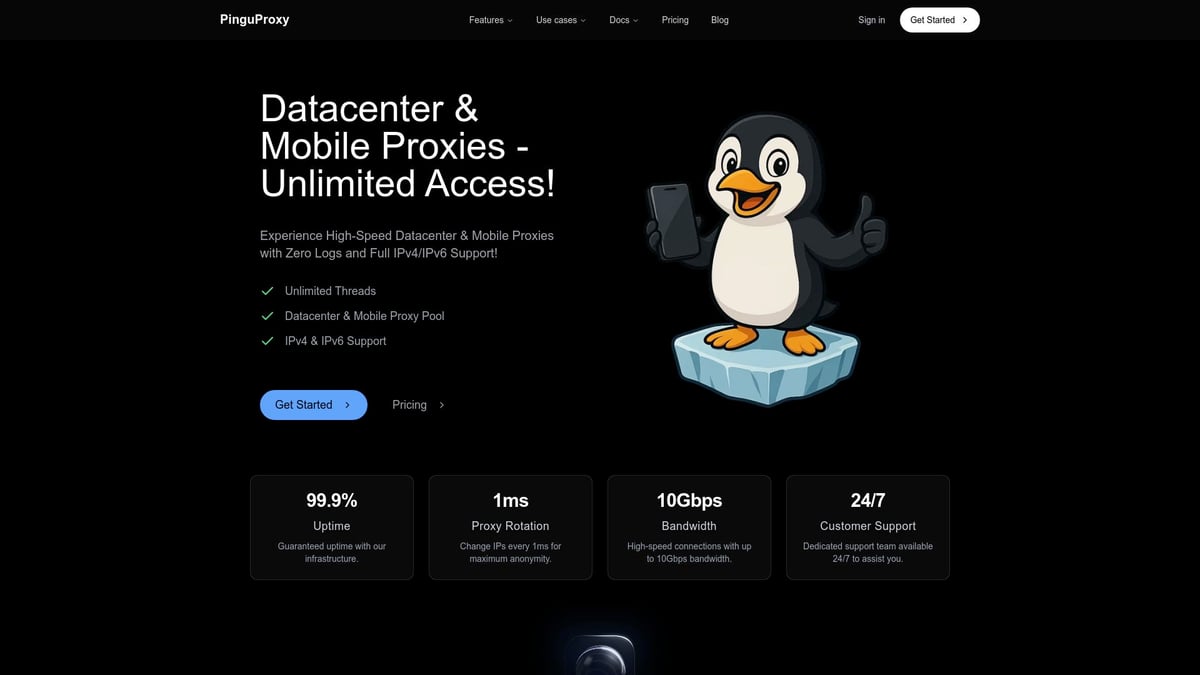
If you’re looking for a complement or alternative to a static proxy, PinguProxy delivers high-speed datacenter and mobile proxies designed for versatility. With unlimited bandwidth, instant access to IPv4/IPv6 pools, and ultra-fast proxy rotation as low as 1ms, PinguProxy is perfect for web scraping, gaming, automation, and accessing restricted services worldwide. The strict zero-log policy ensures privacy, while their intuitive dashboard and 24/7 support make integration simple. All-inclusive plans - covering datacenter, mobile, and TOR proxies - give businesses the flexibility to combine static proxy reliability with rapid IP rotation for high-volume tasks.
Now that you’ve got the full picture on static proxies - how they work, where they shine, and what to look for in a provider - you’re in a great spot to take control of your online privacy and performance in 2025. If you’re ready to put this knowledge into action and want access to high-speed proxies with full privacy, flexible protocols, and top-notch support, it’s easy to get started. You don’t have to wait or overthink it - just Get Started Now and see how simple securing your digital presence can be.