
The Essential Static Proxy IP Guide for 2025 Beginners
As we move into 2025, the demand for secure and reliable internet access has never been higher. From protecting privacy to powering web scraping and bypassing geo-restrictions, more users are searching for the right tools. Yet, choosing between proxy types can leave beginners feeling lost - especially when it comes to static proxy ip options.
This guide will break down exactly what static proxy ip is, why it matters, and how you can use it to your advantage. You’ll get clear explanations, practical steps, expert tips, and all the insights you need to get started with static proxy ip in 2025.
Read on to understand the basics, learn the differences from dynamic proxies, discover setup and security best practices, and explore the top trends shaping the world of static proxy ip this year.
Understanding Static Proxy IPs: Fundamentals for Beginners
Are you feeling overwhelmed by all the talk about proxies, especially when you encounter the term static proxy ip? Don't worry, you're not alone. This section is designed to simplify the concept, break down the differences, and help you understand why static proxy ip solutions are so valuable in today's digital landscape.
What is a Static Proxy IP?
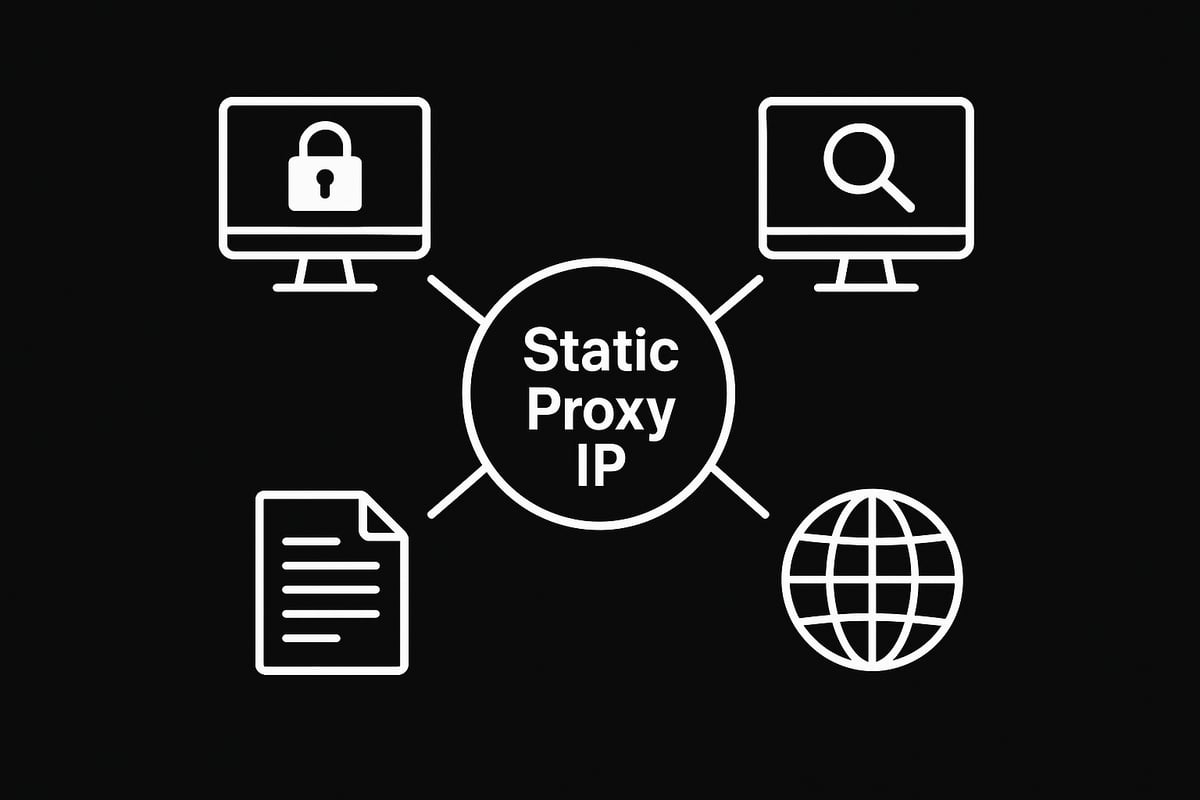
A static proxy ip is an intermediary server that assigns you a fixed, unchanging IP address each time you connect. Unlike dynamic proxies, which rotate or change IPs frequently, a static proxy ip maintains the same address for every session. This consistency is crucial for tasks that require a reliable online identity, like managing multiple accounts or accessing region-locked content.
For example, if you need to scrape data from a website daily, a static proxy ip ensures your requests always appear to come from the same location. This stability is why many businesses and individuals choose static proxies over dynamic alternatives. If you want a deeper dive, check out this What is a Static Proxy resource for more details.
How Do Static Proxy IPs Work?
When you use a static proxy ip, your internet requests are routed through the proxy server, which masks your real IP address. This makes it appear as if all your online actions originate from the static proxy ip instead of your true location. As a result, your identity stays hidden, and you gain access to services or websites that might otherwise block your original IP.
Here's a simple code example of configuring a static proxy ip in Python:
import requests

proxies = {
    "http": "http://your_static_proxy_ip:port",
    "https": "https://your_static_proxy_ip:port"
}

response = requests.get("https://example.com", proxies=proxies)
print(response.text)
E-commerce professionals often use a static proxy ip to monitor prices or inventory without being detected or blocked.
Static vs. Dynamic Proxy IPs: Key Differences
Choosing between a static proxy ip and a dynamic one can be confusing. The table below summarizes the main differences:
| Feature | Static Proxy IP | Dynamic Proxy IP |
|---|---|---|
| IP Consistency | Always the same | Changes frequently |
| Reliability | High | Medium |
| Anonymity | Moderate to High | High (with rotation) |
| Use Cases | Account management, scraping | Ad verification, bulk tasks |
A 2024 survey revealed that 68% of businesses prefer static proxy ip solutions for long-term projects, mainly due to their reliability and session persistence. However, dynamic proxies might be better for high-volume, short-term tasks that require maximum anonymity.
Common Types of Static Proxy IPs
Static proxy ip options come in different forms. The most common types include:
- Datacenter static proxy ip: Fast and cost-effective, but sometimes easier for websites to detect.
- Residential static proxy ip: Uses real home IP addresses, offering higher anonymity.
- IPv4 static proxy ip: The traditional format, still widely used.
- IPv6 static proxy ip: Newer, with a growing adoption rate in 2025 due to expanded address space.
In 2025, more providers are offering IPv6 static proxy ip pools, making it easier to find compatible proxies for modern applications.
Why Choose Static Proxy IPs?
There are several reasons why a static proxy ip is the preferred choice for many users. First, it provides stability, which is vital for activities like social media automation or managing multiple online accounts. A static proxy ip reduces the risk of bans, since websites see a consistent, trustworthy address.
For businesses, using a static proxy ip is the foundation for secure automation and data gathering. It helps maintain session continuity, supports complex workflows, and ensures your online presence remains uninterrupted.
Whether you're a beginner or a seasoned pro, understanding the value of a static proxy ip can make a significant difference in your online projects.
Key Benefits and Use Cases of Static Proxy IPs in 2025
Static proxy ip solutions are becoming essential tools for both individuals and businesses in 2025. With new privacy challenges, tougher geo-blocks, and an explosion in data-driven operations, knowing where static proxy ip stands out is a game-changer.

Enhanced Privacy and Security
A static proxy ip acts as a reliable shield for your online identity. Since your internet requests are routed through a single, unchanging address, tracking your real location or personal details becomes far more difficult for prying eyes.
Leading providers offer zero-log policies and encrypted connections, so your browsing and data transfers remain private. This makes static proxy ip a top choice for journalists conducting sensitive research or anyone who wants to keep their online activities under wraps.
- Consistent IP address masks your real identity
- Encrypted traffic prevents data interception
- Zero-log policies enhance privacy
In an era where data breaches are on the rise, static proxy ip offers peace of mind for privacy-focused users.
Reliable Web Scraping and Data Mining
When it comes to large-scale web scraping, a static proxy ip delivers consistency and reliability. Unlike rotating proxies, your IP remains stable, minimizing the risk of bans or CAPTCHAs during prolonged scraping sessions.
Market research firms and data-driven businesses depend on static proxy ip to harvest information efficiently. A 2024 study found that using static proxies can improve scraping success rates by 35 percent.
- Stable IP reduces interruptions
- Ideal for continuous data collection
- Supports long-term scraping projects
For a deeper look at the differences and benefits, check out the Advantages and Disadvantages of Dynamic Proxy IP vs Static Proxy IP to help you make informed choices for your next scraping project.
Bypassing Geo-Restrictions and Censorship
Accessing region-locked content is easy with a static proxy ip. By providing a fixed IP address in your desired location, you can unlock streaming services, gaming platforms, and news sites that would otherwise be unavailable in your country.
This use case is growing in 2025, as more platforms tighten their geo-restrictions and governments increase censorship. With a static proxy ip, you can maintain access to the content you need, wherever you are.
- Consistent location-based access
- Works for streaming, gaming, and more
- Circumvents government firewalls
If you travel or work internationally, static proxy ip is a reliable companion for uninterrupted browsing.
Business Automation and Multi-Account Management
Businesses running multiple accounts on social media or e-commerce platforms benefit from a static proxy ip. These proxies help maintain separate, stable identities for each account, reducing the risk of bans or account linking.
For example, e-commerce sellers managing different storefronts can use a static proxy ip to automate tasks without triggering anti-bot systems. Reliable session management supports smooth automation.
- Supports multi-account operations
- Prevents account flagging
- Enables seamless automation
A static proxy ip is the foundation for scalable, secure business operations online.
SEO Monitoring and Competitive Intelligence
Agencies and digital marketers use static proxy ip to monitor search engine rankings and analyze competitors without data being skewed by location or frequent IP changes. Accurate, location-specific results are vital for effective SEO campaigns.
Automated tools running through a static proxy ip can track keywords, check backlinks, and perform audits efficiently. This approach ensures your insights remain consistent over time.
- Accurate rank tracking
- Reliable competitor analysis
- Supports automated SEO tools
Static proxy ip is a must-have for any organization serious about data-driven SEO and market intelligence.
Step-by-Step Guide: How to Set Up and Use Static Proxy IPs
Getting started with static proxy ip solutions might seem overwhelming, but breaking the process into clear steps removes the guesswork. Whether you want privacy, data access, or seamless automation, following a structured approach ensures you maximize your static proxy ip investment.
Step 1: Assess Your Needs and Use Case
Before you purchase a static proxy ip, clarify your goals. Are you focused on web scraping, privacy, or business automation? Your use case determines the best type of proxy.
For example, choose datacenter proxies for speed or residential proxies for stealth. If your project involves region-specific tasks, select a static proxy ip with coverage in your target location. List your requirements and match them to the proxy features you need.
- Consider your desired level of anonymity.
- Decide if you need IPv4 or IPv6 support.
- Think about bandwidth and session persistence.
Careful planning ensures your static proxy ip setup aligns perfectly with your objectives.
Step 2: Choose a Reliable Static Proxy Provider
Selecting a trusted static proxy ip provider is crucial for performance and security. Focus on these criteria:
- Strong reputation and positive user reviews.
- Fast, stable speeds and global server locations.
- Responsive 24/7 support and transparent pricing.
- Zero-log privacy policy and robust encryption.
Beware of too-good-to-be-true offers or hidden fees. Free proxies often carry risks such as malware or data leaks, as highlighted in the Free Proxies Unmasked: A Vulnerability and Longitudinal Analysis of Free Proxy Services research.
A reputable static proxy ip provider protects your data while delivering consistent results for your projects.
PinguProxy: High-Speed Static Proxy Solutions
PinguProxy offers a comprehensive static proxy ip solution tailored for beginners and pros alike. Features include IPv4 and IPv6 support, unlimited bandwidth, and instant proxy rotation. Their zero-log policy and 10Gbps speeds ensure privacy and performance.
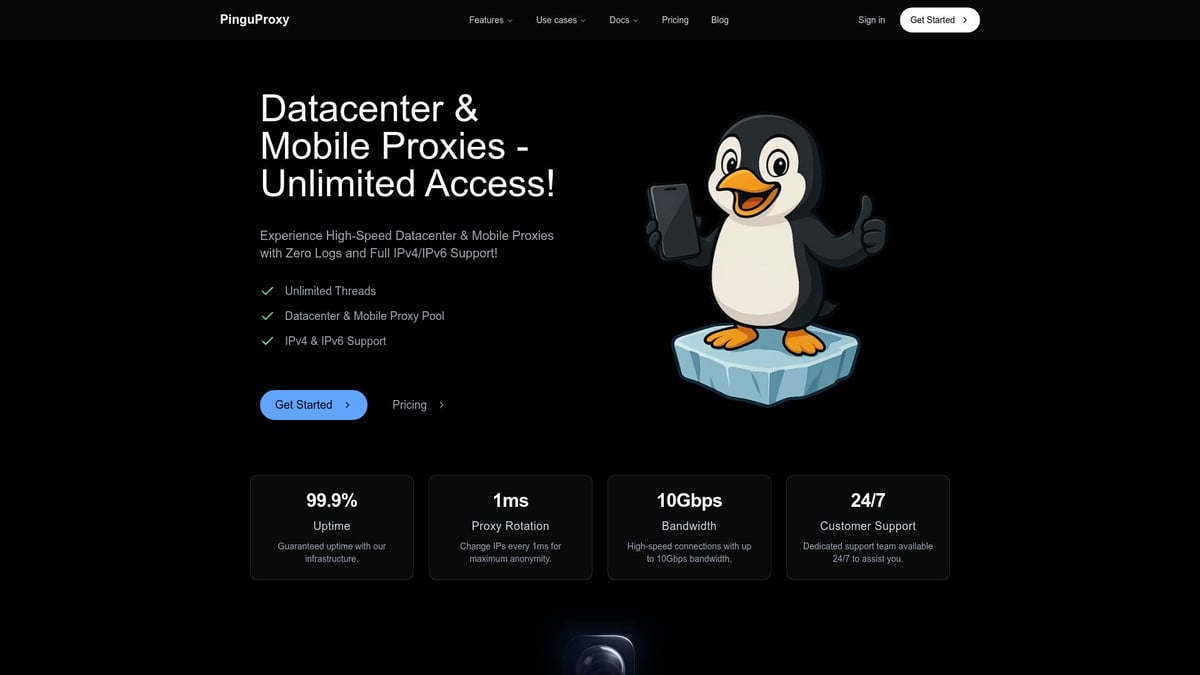
Use cases range from web scraping and gaming to accessing restricted services. PinguProxy’s dashboard simplifies management and setup, making it a top choice for those new to static proxy ip technology in 2025.
Dedicated 24/7 support means help is always available if you need guidance or run into issues.
Step 3: Purchase and Configure Your Static Proxy IPs
Once you select your provider, buying and activating your static proxy ip is straightforward. Most providers offer user-friendly dashboards for managing your proxies.
Follow these basic steps:
- Choose your plan and complete the purchase.
- Access your dashboard to view assigned static proxy ip addresses.
- Whitelist your device’s IP or set authentication credentials.
Tip: Double-check your configuration to avoid accidental IP leaks. A proper static proxy ip setup ensures your real identity stays protected during all online activities.
Step 4: Integrate Proxies With Your Tools and Applications
Now, connect your static proxy ip to the tools you use daily. Most browsers, automation platforms, and scraping scripts allow easy proxy integration.
For browsers like Chrome, enter your static proxy ip details in the network settings. In Python, use libraries like requests or selenium with proxy arguments:
proxies = {
    "http": "http://username:password@proxy_ip:port",
    "https": "http://username:password@proxy_ip:port"
}
If you use SEO tools or bots, refer to their documentation for static proxy ip configuration. Troubleshoot by checking for typos or authentication errors if connections fail.
Step 5: Test and Optimize Proxy Performance
After setup, evaluate your static proxy ip for speed, reliability, and anonymity. Use proxy testing tools to check latency and uptime.
- Monitor connection speeds regularly.
- Rotate proxies if you notice slowdowns.
- Set up usage alerts for unusual activity.
Optimizing your static proxy ip pool ensures you maintain high performance and avoid bans. Periodic testing and smart management help you get the most out of your proxy investment.
Security, Legal, and Ethical Considerations for Static Proxy IPs
Online safety is non-negotiable when using a static proxy ip. Beginners often underestimate the privacy risks, legal rules, and ethical boundaries involved. Protecting your digital footprint and investment starts with understanding these crucial areas.

Privacy Risks and How to Avoid Them
Using a static proxy ip can boost privacy, but only if managed correctly. Poorly configured proxies may leak your real IP or expose sensitive data. Always choose reputable providers that offer encryption and clear zero-log policies.
Avoid free proxies, as they often carry hidden malware or sell your data. Check for features like IP whitelisting and two-factor authentication. For an in-depth look at how residential proxies compare in privacy, see Static Residential Proxies Explained.
Review your setup regularly to catch leaks early. Staying proactive ensures your static proxy ip remains a shield, not a liability.
Legal Compliance and Responsible Use
Every static proxy ip user must respect local laws and service agreements. Proxy use is legal in most countries, but certain activities, such as bypassing copyright restrictions or scraping protected data, can violate regulations.
Before deploying a static proxy ip, review the terms of service for both your provider and the platforms you access. Companies may also have compliance rules for data gathering. If you are unsure, consult a legal expert to avoid costly mistakes.
Responsible use protects your reputation and prevents legal troubles. Make compliance part of your proxy routine, not an afterthought.
Ethical Guidelines for Proxy Usage
Ethics matter as much as legality in static proxy ip use. Respect the websites and services you interact with. Avoid sending excessive requests or scraping confidential data, as this could disrupt operations or violate trust.
Stick to automation limits and honor robots.txt files. Never use your static proxy ip for denial-of-service or fraudulent activities. Ethical behavior builds credibility and fosters healthy digital ecosystems.
If you are unsure whether an action is ethical, ask yourself if you would be comfortable if your activity was made public. Good judgment ensures your static proxy ip is used for positive, productive purposes.
Protecting Your Static Proxy Investment
Securing your static proxy ip investment goes beyond setup. Regularly update your credentials, monitor usage, and set alerts for unusual activity. Strong authentication, such as two-factor login, prevents unauthorized access.
Keep an eye on bandwidth and usage reports to spot anomalies quickly. Rotate your static proxy ip credentials if you suspect a breach. Educate your team about safe practices and limit access to trusted users only.
Investing in security now safeguards your static proxy ip from costly disruptions later. Treat your proxies as you would any valuable business asset.
Static Proxy IP Trends and Innovations to Watch in 2025
The landscape for static proxy ip solutions is evolving rapidly in 2025. As digital privacy, automation, and data access needs grow, several trends are shaping how users and businesses leverage static proxy ip technology. Let’s break down the most important innovations and what they mean for beginners and professionals alike.
Rise of IPv6 Static Proxies
The adoption of IPv6 is reshaping the static proxy ip market. Unlike IPv4, which faces address exhaustion, IPv6 offers a nearly unlimited pool of unique addresses. Providers are expanding their IPv6 static proxy ip pools to meet growing demand.
- 2025 forecasts predict a significant rise in IPv6 usage for proxies.
- IPv6 static proxy ip solutions offer better scalability and compatibility with modern platforms.
- Businesses migrating to IPv6 enjoy improved connection speeds and lower latency.
This trend ensures that users can access more reliable and future-proof static proxy ip services, especially as more websites and applications prioritize IPv6 compatibility.
Enhanced Automation and AI Integration
Automation and AI are transforming the way static proxy ip networks are managed. In 2025, AI-driven tools streamline proxy rotation, monitor usage, and optimize performance in real time.
- Automated management reduces manual setup for static proxy ip users.
- AI can detect inefficient routes and proactively switch IPs to avoid bans or slowdowns.
- Integration with scraping tools and bots is now more seamless.
Thanks to these advances, even beginners can confidently deploy static proxy ip solutions with minimal technical knowledge, making large-scale projects more accessible and efficient.
Growing Importance of Mobile and Residential Static Proxies
Demand for mobile and residential static proxy ip options is skyrocketing. As websites deploy advanced anti-bot and anti-fraud measures, traditional datacenter proxies sometimes fall short. Mobile and residential static proxy ip solutions provide greater authenticity and are harder to detect.
- Mobile proxies are forecasted to account for 40% of the proxy market in 2025.
- Residential static proxy ip services help users bypass tougher restrictions and access geo-blocked content.
- For brand protection and business automation, static residential proxies are becoming essential. For more on this, see The Unique Role and Advantages of Static Residential Proxy IP in Brand Protection.
This shift allows businesses and individuals to maintain a competitive edge in an increasingly crowded digital space.
Regulatory and Market Changes Impacting Proxy Use
With new regulations emerging around data privacy and internet access, the static proxy ip industry is adapting quickly. Laws similar to GDPR are being adopted in more regions, directly affecting how providers and users operate.
- Providers must maintain compliance with evolving legal frameworks.
- Users need to stay informed about regional rules regarding static proxy ip usage.
- Market consolidation is leading to higher standards for security and transparency.
Adapting to these changes is crucial for anyone relying on static proxy ip technology in 2025. Staying up to date ensures continued access, security, and legal peace of mind.
Best Practices and Expert Tips for Static Proxy IP Success
Choosing the right static proxy ip provider can make or break your experience. Look for providers with a strong track record, robust security, and responsive support. Compare features like speed, IP pool size, and privacy policies. Here is a quick checklist:
| Feature | Datacenter | Residential |
|---|---|---|
| Speed | High | Medium |
| Stealth | Medium | High |
| Cost | Low | Higher |
| Ban Resistance | Lower | Higher |
For a deeper dive into provider differences, check out the Comparing Proxy Types guide. Always read user reviews and test before committing to a long-term plan.
Selecting the Right Proxy Type and Provider
Your static proxy ip is only as secure as your setup. Use HTTPS connections and enable encryption whenever possible. Rotate your proxies regularly and avoid using the same IP for sensitive tasks. Tools that monitor your proxy’s anonymity status can help you stay one step ahead of fingerprinting and tracking attempts.
- Use browser extensions to verify proxy anonymity
- Schedule periodic IP changes for sensitive activities
- Monitor for unusual traffic or connection drops
Consistent monitoring ensures your static proxy ip remains an effective privacy shield.
Maintaining Anonymity and Security
To keep your static proxy ip running smoothly, optimize for both speed and reliability. Maintain a pool of backup IPs so you can quickly swap out any that become slow or blocked. Monitor uptime with dedicated tools and schedule rotations during high-traffic periods.
- Use uptime monitoring services
- Rotate proxies on a set schedule
- Track performance metrics to spot issues early
This proactive approach keeps your static proxy ip strategy efficient and dependable.
Optimizing Proxy Performance and Reliability
Many beginners stumble by choosing cheap or free proxies, ignoring legal risks, or neglecting provider research. One failed scraping project revealed that using unreliable static proxy ip services led to frequent bans and wasted resources.
Avoid these mistakes:
- Never use free proxies for sensitive work
- Always read provider terms and policies
- Stay updated on proxy-related laws
Learning from others’ missteps will help you maximize your static proxy ip investment.
Avoiding Common Pitfalls and Mistakes
As your needs grow, scaling your static proxy ip setup requires automation. Use APIs or dashboards to manage proxy pools efficiently. Automate rotations, monitor usage, and set up alerts for unusual activity. For further reading, the Beginner's Guide to Proxies offers helpful tips for scaling and advanced management.
- Automate with scripts or third-party tools
- Set usage alerts to detect unauthorized access
- Invest in infrastructure that grows with your business
A robust static proxy ip system supports advanced use cases and future expansion.Now that you understand the basics of static proxy IPs and how they can boost your privacy, security, and online freedom in 2025, why not take the next step? With PinguProxy, you get high-speed proxies, full IPv4 and IPv6 support, and complete anonymity - perfect for beginners who want reliable tools without the hassle. You don’t need to be a tech expert to get started, and their 24 7 support means help is always there. Ready to put what you’ve learned into action? Get Started Now and see how easy it is to power up your online activities.