
The Proxy Website: Your Essential Privacy Gateway
Understanding the proxy website landscape in 2026 requires more than just knowing what a proxy is. Whether you're managing social media accounts, scraping data, or accessing geo-restricted content, the proxy website you choose becomes your digital gateway to privacy and unrestricted internet access. With evolving technologies and increasing online restrictions, selecting the right proxy infrastructure has become critical for businesses and individuals alike. The modern proxy website offers sophisticated features including high-speed connections, protocol flexibility, and advanced rotation systems that keep you anonymous while maintaining optimal performance.
Understanding the Proxy Website Infrastructure
The proxy website functions as an intermediary server that sits between your device and the internet. When you connect through the proxy website, your requests are routed through this server, masking your real IP address and location. This fundamental architecture has evolved significantly over the past decade, with modern implementations supporting both IPv4 and IPv6 protocols to ensure comprehensive compatibility across all internet services.
Core Components of Modern Proxy Systems
Technical architecture determines performance and reliability:
- Connection protocols (HTTP, HTTPS, SOCKS5)
- IP rotation mechanisms
- Geographic server distribution
- Bandwidth allocation systems
- Session management frameworks
According to MDN Web Docs on proxy servers, the technical implementation of proxies involves complex tunneling mechanisms that ensure data integrity while maintaining anonymity. The proxy website must handle these technical requirements seamlessly while providing user-friendly interfaces for configuration and management.
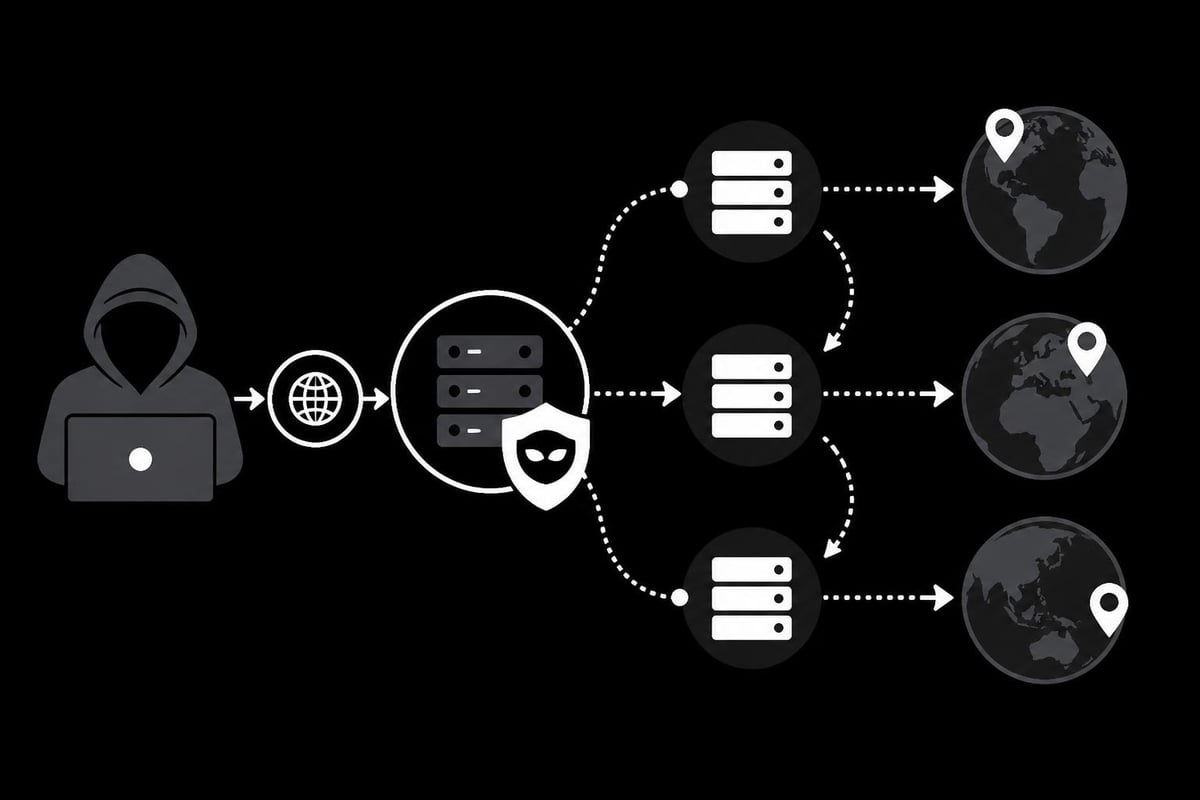
Performance metrics vary significantly across different proxy types. Datacenter proxies typically offer speeds up to 10Gbps, while residential proxies prioritize authenticity over raw speed. The proxy website you select should align with your specific use case, whether that's high-volume data scraping or maintaining multiple social media accounts.
| Proxy Type | Average Speed | Anonymity Level | Best Use Case |
|---|---|---|---|
| Datacenter | Up to 10Gbps | Medium | Web scraping, bulk operations |
| Residential | 1-5 Gbps | High | Social media, account management |
| Mobile | 500Mbps-2Gbps | Very High | App testing, mobile verification |
| Rotating | Varies | Very High | Anti-detection activities |
Choosing the Right Proxy Website Features
Not all proxy websites offer the same capabilities. In 2026, the market has matured significantly, with providers competing on features beyond basic IP masking. When evaluating the proxy website options, consider both technical specifications and practical implementation features that directly impact your workflow efficiency.
Essential Features for Business Use
Zero-log policies have become standard, but verification matters. The proxy website should provide transparent documentation about data handling practices. Research from academic studies on open proxies highlights security risks associated with poorly managed proxy services, making provider selection critical.
Rotation capabilities determine how effectively you can maintain anonymity. The best proxy website implementations offer rotation intervals as low as 1ms, allowing you to switch IP addresses seamlessly during operations. This proves particularly valuable when you're managing Instagram accounts or running automated tasks that require fresh IP addresses.
Bandwidth and Speed Considerations
- Assess your data requirements - calculate daily/monthly transfer needs
- Test connection speeds during peak and off-peak hours
- Verify unlimited access policies and fair use terms
- Check bandwidth throttling practices under heavy load
- Evaluate protocol support for your specific applications
The proxy website should maintain consistent speeds regardless of load. Reviews of datacenter proxy providers from 2026 show that bandwidth consistency matters more than theoretical maximum speeds for most business applications.
Proxy Website Applications Across Industries
Different industries leverage the proxy website infrastructure for varying purposes. Understanding these applications helps identify which features matter most for your specific needs. From e-commerce to digital marketing, proxy technology has become indispensable infrastructure.
Web Scraping and Data Collection
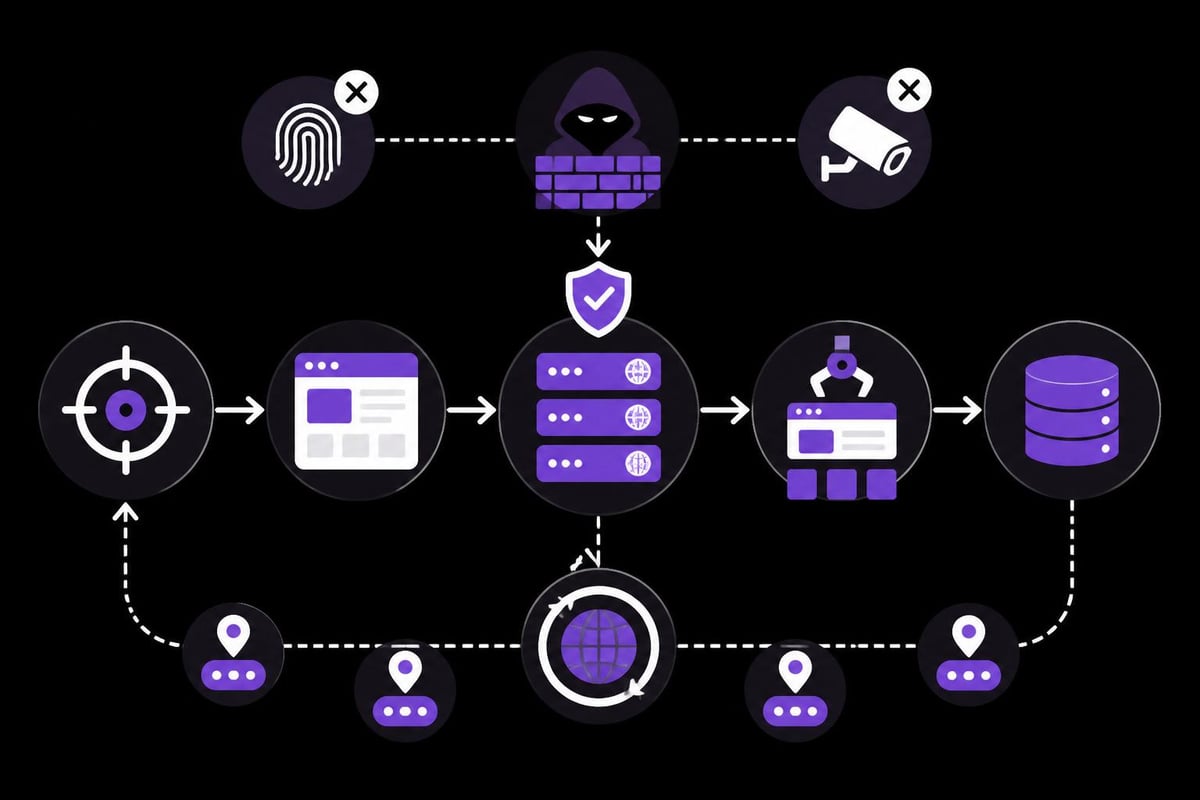
Data gathering operations require robust proxy infrastructure. The proxy website enables businesses to collect market intelligence, monitor competitors, and aggregate pricing data without triggering anti-bot systems. Rotating residential proxies excel in these scenarios, providing authentic IP addresses that bypass detection mechanisms.
Key scraping requirements include:
- IP diversity across multiple geographic regions
- Session persistence for maintaining login states
- Automatic rotation to prevent pattern detection
- Protocol flexibility for different website technologies
- High success rates with minimal CAPTCHA triggers
Social Media Management and Marketing
Managing multiple social media accounts requires the proxy website to provide residential or mobile IPs. Platforms like Instagram, Facebook, and Twitter employ sophisticated detection systems that flag datacenter IPs. Research on residential proxy providers indicates that authentic residential IPs significantly reduce account flagging risks.
Account management workflow:
- Assign dedicated IPs to specific accounts
- Maintain consistent geographic locations per account
- Use mobile proxies for app-based interactions
- Rotate IPs during bulk operations
- Monitor for platform restrictions or shadowbans
The proxy website infrastructure supporting social media automation must handle complex session requirements while maintaining the appearance of legitimate user behavior.
Security and Privacy Considerations
Security remains paramount when selecting the proxy website for business operations. Beyond basic IP masking, modern proxy services must address encryption, data logging, and vulnerability management. The risks associated with using inadequately secured proxies extend beyond immediate detection to long-term data compromise.
Evaluating Provider Security Practices
Encryption standards vary significantly across providers. The proxy website should implement end-to-end encryption for all traffic, supporting modern TLS protocols. Studies examining free proxy ecosystems reveal alarming security practices among budget providers, including traffic interception and credential harvesting.
| Security Feature | Essential | Recommended | Optional |
|---|---|---|---|
| Zero-log policy | ✓ | - | - |
| End-to-end encryption | ✓ | - | - |
| 2FA authentication | ✓ | - | - |
| IP whitelisting | - | ✓ | - |
| Session encryption | ✓ | - | - |
| SOCKS5 support | - | ✓ | - |
| Kill switch | - | - | ✓ |
| DNS leak protection | - | ✓ | - |
Privacy Protection Mechanisms
The proxy website must implement multiple privacy layers. Beyond masking your IP address, consider how the service handles DNS requests, cookies, and browser fingerprinting. Comprehensive privacy protection requires coordination between the proxy infrastructure and your local security practices.
Browser fingerprinting poses challenges that simple IP masking cannot solve. When you're creating multiple accounts, combining the proxy website with anti-detect browsers provides superior protection against platform detection systems.
Performance Optimization Strategies
Maximizing the proxy website performance requires understanding both technical configuration and operational best practices. Even the fastest proxy infrastructure underperforms when improperly configured or misaligned with use case requirements.
Configuration Best Practices
Protocol selection impacts both speed and compatibility. While HTTP proxies offer maximum speed, SOCKS5 provides greater flexibility for applications beyond web browsers. The proxy website should support protocol switching without requiring complete reconfiguration.
Configuration checklist for optimal performance:
- Match proxy type to application requirements
- Configure appropriate timeout values
- Enable connection pooling for repeated requests
- Implement request queuing for rate limiting
- Monitor latency and adjust geographic targeting
- Test failover mechanisms regularly
Geographic Distribution and Latency
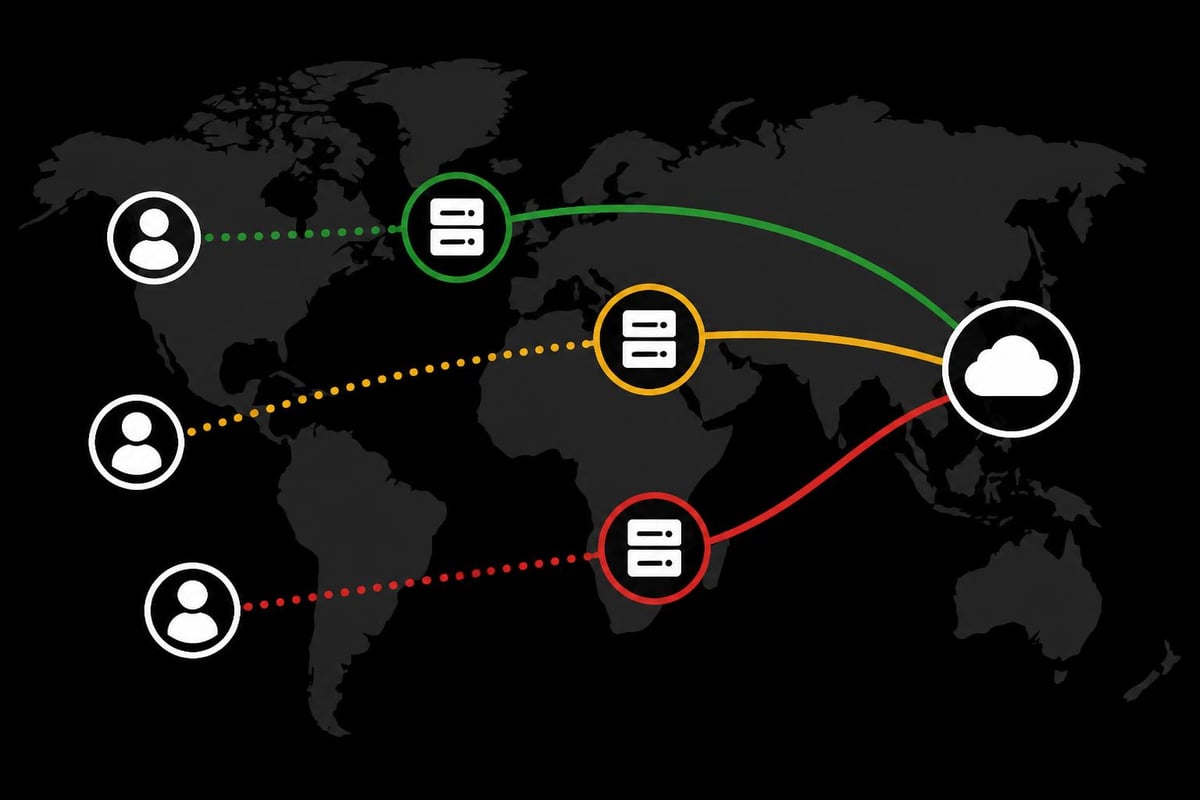
Server location directly affects connection speed. The proxy website with globally distributed infrastructure reduces latency by routing traffic through nearby servers. When you're scraping websites, selecting proxies geographically close to target servers minimizes round-trip time.
Cost Considerations and Value Assessment
Evaluating the proxy website from a financial perspective requires looking beyond monthly subscription costs. Total cost of ownership includes bandwidth limits, overage charges, support quality, and operational efficiency gains. The cheapest option rarely delivers the best value for business applications.
Pricing Models Comparison
Subscription structures vary widely across providers. Some offer unlimited bandwidth with connection limits, while others charge per gigabyte with unlimited concurrent connections. According to current proxy service reviews, pricing transparency has improved significantly in 2026, though hidden costs remain common.
Common pricing structures:
- Per-GB metered - pay only for bandwidth consumed
- Unlimited monthly - fixed cost regardless of usage
- Per-port pricing - charges based on concurrent connections
- Hybrid models - combining elements of multiple structures
- Enterprise custom - negotiated pricing for high-volume users
Return on Investment Calculations
The proxy website investment should demonstrate clear ROI through efficiency gains, risk reduction, or revenue enablement. For web scraping operations, calculate the value of data collected versus proxy costs. For social media management, measure account survival rates and growth metrics against infrastructure expenses.
Value factors beyond price:
- Reduced account ban rates
- Faster data collection cycles
- Decreased manual intervention requirements
- Improved success rates for automated tasks
- Enhanced security reducing breach risks
Technical Support and Reliability
The proxy website ecosystem relies heavily on provider support quality. When operations depend on continuous proxy access, 24/7 support becomes essential rather than optional. Documentation quality, response times, and technical expertise separate professional providers from budget alternatives.
Support Infrastructure Evaluation
Response time metrics provide objective measures of support quality. The proxy website provider should guarantee maximum response times for critical issues, with most professional services offering under one-hour responses for urgent matters. When you're running sneaker bots during limited releases, support delays mean lost opportunities.
| Support Level | Response Time | Availability | Communication Channels |
|---|---|---|---|
| Basic | 24-48 hours | Business hours | Email only |
| Standard | 4-12 hours | Extended hours | Email, chat |
| Premium | 1-4 hours | 24/7 | Email, chat, phone |
| Enterprise | Under 1 hour | 24/7 | Dedicated account manager |
Documentation and Resources
Self-service resources reduce dependency on support tickets. The proxy website should provide comprehensive documentation covering setup, troubleshooting, and advanced configurations. Tutorial quality directly correlates with implementation speed and reduces time-to-value for new users.
Integration and Implementation
Successfully deploying the proxy website requires understanding integration methods across different platforms and applications. Whether you're configuring browser extensions, setting up scraping frameworks, or implementing proxy rotation in custom applications, integration complexity varies significantly.
API and Automation Capabilities
API access enables programmatic proxy management. The proxy website should offer RESTful APIs for retrieving proxy lists, checking usage statistics, and managing IP rotation. Advanced providers offer SDKs for popular programming languages, simplifying integration for developers.
Integration methods by use case:
- Browser-based - extension or system-wide settings
- Application-specific - configured within individual tools
- System-level - operating system proxy configuration
- Framework integration - libraries for Python, Node.js, etc.
- API-driven - programmatic control for dynamic rotation
Compatibility Testing
The proxy website must work seamlessly with your existing technology stack. Before committing to a provider, test compatibility with all tools you'll use. Some applications handle proxy authentication differently, and SOCKS5 versus HTTP protocol support varies across platforms.
Testing protocol:
- Verify connection with primary applications
- Test authentication mechanisms
- Confirm protocol support (HTTP/HTTPS/SOCKS5)
- Validate IPv4 and IPv6 functionality
- Check performance under typical workload
- Assess rotation behavior and timing
- Confirm geographic targeting accuracy
Selecting the right proxy website requires balancing technical capabilities, security features, performance requirements, and cost considerations specific to your use cases. Whether you're scraping data, managing social accounts, or accessing restricted content, understanding these factors ensures you choose infrastructure that delivers reliable results. PinguProxy provides high-speed datacenter and mobile proxies with complete IPv4/IPv6 support, unlimited access, zero-log privacy, and 1ms rotation capabilities backed by 24/7 support. With 10Gbps bandwidth and infrastructure optimized for scraping, gaming, and global access, PinguProxy delivers the performance and reliability your operations demand.