
Best Residential Proxy Providers 2026 Complete Guide
Residential proxies have become essential tools for businesses and individuals who need to access the web through authentic IP addresses. Unlike datacenter proxies that originate from server farms, residential proxies route traffic through real devices connected to ISPs, making them nearly impossible to distinguish from regular users. Whether you're managing social media accounts, conducting market research, or scraping competitive intelligence, choosing from the best residential proxy providers can make the difference between success and getting blocked. This comprehensive guide examines what sets top providers apart and how to select the right service for your specific needs in 2026.
Understanding Residential Proxy Networks
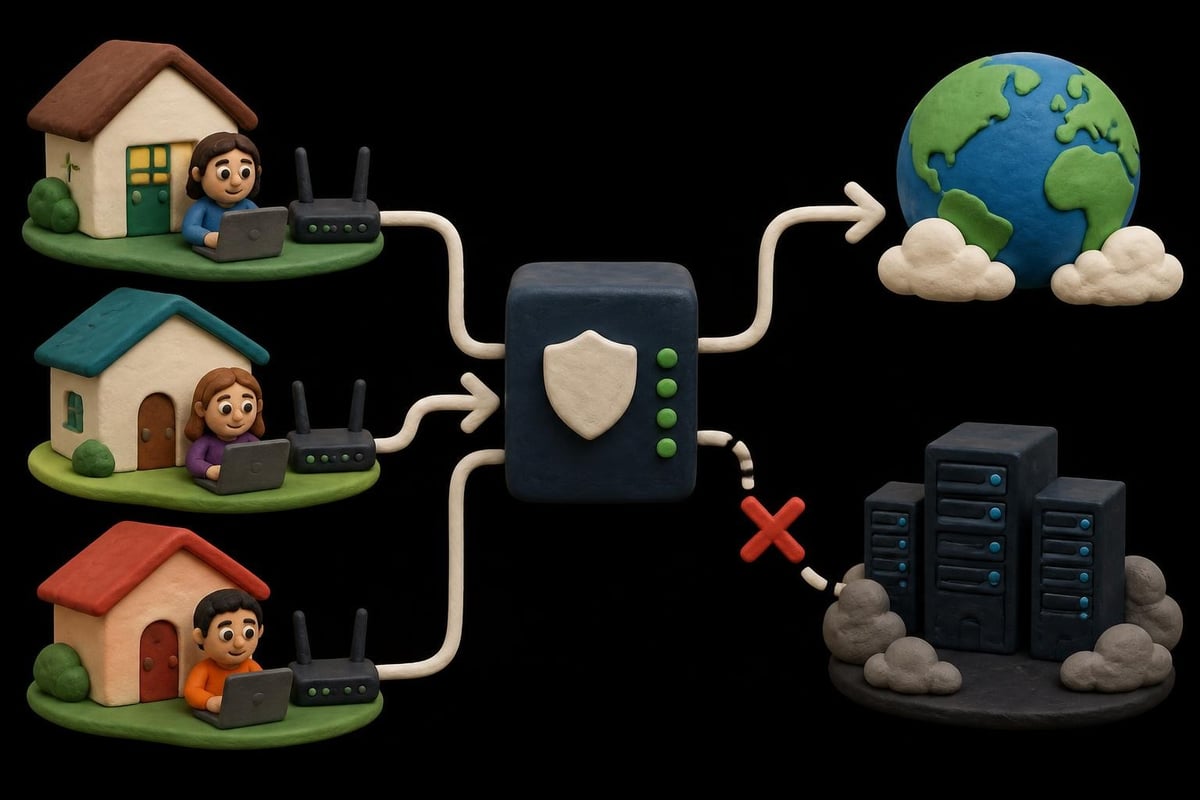
Residential proxies operate by routing your requests through IP addresses assigned by internet service providers to actual residential locations. These IPs carry the digital fingerprint of legitimate home users, which means websites and online platforms treat them as organic traffic rather than automated bot activity.
How Residential Proxies Differ From Other Proxy Types
The fundamental distinction lies in the source of the IP address. Cloudflare's technical primer on proxy types explains the network behavior differences between various proxy architectures. Datacenter proxies originate from cloud hosting facilities and are easily identifiable through ASN databases. Mobile proxies route through cellular networks, offering another layer of authenticity but often at higher costs.
Key differences include:
- IP reputation: Residential IPs have established browsing histories and trust scores
- Detection resistance: Extremely difficult for websites to flag as proxy traffic
- Geographic diversity: Access to IPs from virtually any city or region worldwide
- Connection stability: Can vary based on the underlying residential device availability
The infrastructure behind residential proxy networks involves either ethically sourced devices from willing participants or peer-to-peer networks where users opt-in to share bandwidth. Understanding this distinction matters when evaluating the best residential proxy providers, as it impacts both legality and reliability.
Critical Features to Evaluate
When comparing residential proxy services, certain capabilities separate enterprise-grade providers from basic offerings. The features you prioritize should align with your specific use case, whether that's social media automation, web scraping at scale, or accessing geo-restricted content.
Pool Size and Geographic Coverage
The number of available IPs directly impacts your ability to distribute requests and avoid rate limits. Top-tier providers maintain pools of millions of residential IPs spanning hundreds of countries.
| Feature | Enterprise Provider | Mid-Tier Provider | Budget Provider |
|---|---|---|---|
| IP Pool Size | 10M+ addresses | 1M-5M addresses | <500K addresses |
| Country Coverage | 150+ countries | 50-100 countries | 20-50 countries |
| City-Level Targeting | Available | Limited | Rarely available |
| ISP Targeting | Supported | Sometimes | No |
Geographic granularity becomes crucial when you need to appear as users from specific locations. For instance, residential proxies for Instagram require precise location matching to maintain account authenticity and avoid triggering security checks.
Rotation and Session Control
Among the best residential proxy providers, rotation mechanisms vary significantly. Some offer sticky sessions that maintain the same IP for minutes or hours, while others provide rotating IPs that change with each request.
Rotation options to consider:
- Static residential IPs that remain constant for extended periods
- Rotating IPs that automatically switch at set intervals
- Session-based rotation maintaining consistency during user sessions
- Random rotation for maximum anonymity and distribution
Your choice depends on the target website's behavior. E-commerce sites often require session persistence to maintain shopping carts, while data scraping benefits from aggressive rotation to distribute load across many IPs.
Protocol Support and Technical Capabilities
Modern applications require flexibility in how they connect through proxies. The SOCKS protocol offers advantages for certain use cases compared to HTTP/HTTPS proxies.
Essential protocol features:
- HTTP/HTTPS support for web browsing and API calls
- SOCKS5 for applications requiring UDP or TCP connections
- IPv4 and IPv6 dual-stack support for maximum compatibility
- Authentication methods including username/password and IP whitelisting
IPv6 support has become increasingly important as more websites adopt the newer protocol. Providers offering both IPv4 and IPv6 ensure you can access the entire internet without limitations.
Performance and Reliability Metrics
Speed and uptime directly impact your operational efficiency. When evaluating the best residential proxy providers, examine both raw performance numbers and real-world reliability under your specific workload.
Bandwidth and Connection Speed
Residential proxies naturally vary in speed since they depend on real users' internet connections. However, provider infrastructure still significantly impacts overall throughput.
High-performance networks achieve speeds of 10Gbps or higher through optimized routing and strategic points of presence worldwide. This bandwidth matters most when processing large volumes of data or streaming video content through proxies.
Performance considerations:
- Average response times under 2 seconds for most requests
- Concurrent connection limits (unlimited vs. capped)
- Bandwidth throttling policies and fair usage terms
- Geographic proximity of proxy servers to target websites
Testing providers with your actual workload before committing reveals whether their network can handle your requirements. Many top services offer trial periods specifically for this purpose.
Uptime and Success Rates
Network reliability separates professional-grade services from hobby projects. The best residential proxy providers maintain 99%+ uptime with robust failover systems.
| Metric | Target Benchmark | Impact |
|---|---|---|
| Network Uptime | >99.5% | Service availability |
| Success Rate | >95% | Request completion |
| IP Refresh Rate | <100ms | Rotation speed |
| DNS Resolution | <50ms | Initial connection |
Success rates measure what percentage of your requests actually complete successfully. Low success rates waste resources and slow down operations, even if the network technically remains "up."

Privacy, Security, and Compliance
Data privacy represents a critical concern when routing traffic through third-party networks. Understanding how providers handle your data and their users' information ensures you maintain compliance with relevant regulations.
Zero-Log Policies and Data Protection
Reputable providers implement strict no-logging policies, meaning they don't record your browsing activity, requests, or the data passing through their network. This protection works both ways, safeguarding both your privacy and that of the residential IP owners.
The NIST guidelines on de-identification techniques provide authoritative framework for evaluating data protection practices. When assessing providers, verify they follow similar principles for handling any metadata.
Privacy features to verify:
- Clear privacy policy stating what data is collected
- No retention of request logs or response data
- Encryption of all traffic between you and the proxy network
- Secure authentication mechanisms preventing unauthorized access
Recent research has shown that machine learning can detect residential proxy traffic, though this primarily concerns websites protecting against abuse rather than compromising user privacy. Understanding these detection methods helps you use residential proxies more effectively.
Ethical Sourcing and Legal Considerations
The residential proxy industry has faced scrutiny over how IP addresses are obtained. The best residential proxy providers source their networks through transparent, ethical means where device owners explicitly consent to participation.
Wired's investigation into residential proxy networks highlighted concerns about apps that share user bandwidth without clear disclosure. Choosing providers with ethical sourcing practices protects you from legal complications and ensures network stability.
Legitimate providers typically obtain IPs through:
- Partner programs where users opt-in knowingly for compensation
- SDK integrations in apps that clearly disclose proxy functionality
- Dedicated hardware devices users install intentionally
Academic research analyzing residential proxy networks has documented both legitimate use cases and potential for abuse. Understanding this landscape helps you select providers operating within legal and ethical boundaries.
Use Case Optimization
Different applications demand specific proxy characteristics. The best residential proxy providers offer configurations optimized for common scenarios rather than one-size-fits-all solutions.
Web Scraping and Data Collection
Scraping requires massive IP pools with intelligent rotation to avoid detection. Advanced providers offer features specifically designed for data extraction at scale.
Scraping-optimized features:
- Automatic retry logic for failed requests
- Smart rotation that adapts to target site rate limits
- JavaScript rendering for dynamic content
- CAPTCHA solving integration or bypass strategies
When scraping e-commerce sites or social platforms, maintaining request patterns that mimic human behavior becomes critical. This includes varied timing between requests, realistic user agents, and consistent session management.
Social Media Management
Managing multiple social media accounts across platforms like Instagram, Twitter, or LinkedIn demands sticky sessions and precise geographic targeting. Each account needs a consistent IP to avoid triggering platform security systems.
The combination of session persistence and geographic accuracy determines success in social media automation. Accounts appear more authentic when their IP address consistently matches their stated location and remains stable across login sessions.
Ad Verification and Market Research
Advertisers and market researchers use residential proxies to view content as it appears to users in specific locations. This application requires IPs that accurately represent target demographics.
| Requirement | Why It Matters |
|---|---|
| City-level targeting | Local search results vary by precise location |
| ISP diversity | Different carriers show different content |
| Clean IP history | Previous user behavior affects personalization |
| Browser fingerprinting | Complete environment simulation |
Verifying ad placement and pricing across regions demands IPs that websites trust completely. Any indication of proxy usage can trigger different content delivery, defeating the verification purpose.

Pricing Models and Value Assessment
Residential proxy costs vary dramatically based on traffic volume, features, and IP quality. Understanding pricing structures helps you evaluate true value beyond headline rates.
Common Pricing Structures
Providers typically bill using one of several models, each suited to different usage patterns.
Standard pricing approaches:
- Per GB: Pay for bandwidth consumed, ideal for scraping
- Per IP: Fixed cost per residential IP address
- Per port: Access to a specific number of concurrent connections
- Unlimited plans: Flat monthly rate with usage caps or throttling
Per-gigabyte pricing works well for operations with predictable data transfer needs. Scraping structured data consumes less bandwidth than streaming or downloading media, making this model economical for many businesses.
Unlimited plans appear attractive but often include soft limits or fair usage policies. Read the fine print to understand when throttling occurs or additional charges apply.
Calculating Total Cost of Ownership
Beyond the base proxy cost, factor in integration time, maintenance overhead, and potential failure costs.
| Cost Component | Consideration |
|---|---|
| Service fees | Base subscription or per-use charges |
| Setup time | Development hours for integration |
| Monitoring | Tools and time for health checks |
| Failed requests | Wasted resources from unsuccessful attempts |
| Support needs | Premium support tier requirements |
A slightly more expensive provider with better reliability and support often costs less overall than a budget option requiring constant troubleshooting. The best residential proxy providers justify premium pricing through superior performance and reduced operational friction.
Technical Integration and API Quality
Ease of integration determines how quickly you can deploy residential proxies in your applications. Developer-friendly providers offer comprehensive documentation and flexible connection methods.
Connection Methods and Authentication
Modern proxy services support multiple connection protocols to accommodate different programming languages and use cases.
Integration options include:
- Standard HTTP/HTTPS proxy configuration in any HTTP client
- SOCKS5 protocol for applications requiring lower-level access
- API endpoints for programmatic IP management and rotation
- Browser extensions for manual testing and verification
Authentication methods range from simple username/password combinations to IP whitelisting for enhanced security. Some providers offer rotating credentials that change with each session for additional protection.
API Capabilities and Documentation
Robust APIs enable automation of proxy management tasks like IP rotation, geographic targeting, and session control. The best residential proxy providers expose these capabilities through well-documented REST APIs.
Essential API features:
- Real-time IP availability and pool statistics
- Geographic and ISP filtering endpoints
- Session management and IP stickiness control
- Usage monitoring and billing information access
Quality documentation includes code examples in multiple languages, detailed error handling guidance, and interactive API explorers. This reduces integration time and helps developers troubleshoot issues independently.
The OWASP privacy protection guidelines offer valuable context for developers building systems that interact with proxied traffic, ensuring you handle data responsibly.
Security Considerations and Threat Awareness
While residential proxies provide legitimate business value, security teams must understand how they can be exploited. Recent reporting shows that attackers leverage residential proxies for credential stuffing and other attacks, making detection and mitigation crucial.
Detection and Mitigation
Organizations protecting their services need strategies to identify malicious proxy traffic while allowing legitimate use. Academic research has developed adversarially robust methods for detecting residential proxy traffic using multi-tiered analysis approaches.
Kaspersky's guidance on residential proxy risks outlines organizational controls that balance security with accessibility. These include behavioral analysis, rate limiting, and multi-factor authentication rather than blanket IP blocking.
Protective measures for service operators:
- Monitor for unusual traffic patterns across residential IP ranges
- Implement graduated challenges rather than hard blocks
- Combine IP reputation with behavioral signals
- Use machine learning to identify automated vs. human patterns
For proxy users, understanding these detection methods helps you maintain stealthier operations by mimicking organic user behavior more accurately.
Support and Customer Service Standards
Technical issues with residential proxies require rapid resolution to minimize downtime. The best residential proxy providers distinguish themselves through responsive, knowledgeable support teams.
Support Channels and Response Times
Round-the-clock availability matters when your operations run 24/7. Enterprise providers typically offer multiple contact methods with guaranteed response times.
| Support Tier | Channels | Response Time | Availability |
|---|---|---|---|
| Premium | Phone, chat, email, ticket | <15 minutes | 24/7/365 |
| Standard | Email, ticket, chat | <2 hours | Business hours |
| Basic | Email, ticket | <24 hours | Limited |
Live chat support proves most valuable for quick troubleshooting, while ticket systems work better for complex technical issues requiring investigation. Phone support, though less common in the proxy industry, provides the highest touch experience for enterprise clients.
Documentation and Self-Service Resources
Comprehensive knowledge bases empower users to resolve common issues independently. High-quality providers maintain extensive documentation covering setup, troubleshooting, and optimization.
Valuable self-service resources:
- Step-by-step integration guides for popular frameworks
- Video tutorials demonstrating common configurations
- FAQ sections addressing frequent technical questions
- Status pages showing real-time network health
- Community forums where users share solutions
Regular documentation updates reflect new features and changing best practices. Outdated guides create friction and increase support burden, so documentation freshness indicates overall provider quality.
Future Trends in Residential Proxy Technology
The residential proxy landscape continues evolving as both providers and detection systems advance. Understanding emerging trends helps you select services positioned for long-term success.
IPv6 Adoption and Dual-Stack Networks
As IPv4 address exhaustion accelerates, IPv6 adoption grows. Forward-looking providers already offer extensive IPv6 residential pools alongside traditional IPv4 addresses.
Dual-stack support ensures compatibility regardless of target website configuration. Sites exclusively on IPv6 become inaccessible through IPv4-only proxy networks, creating coverage gaps.
AI-Powered Rotation and Optimization
Machine learning algorithms now optimize proxy rotation patterns based on target website behavior. These systems learn which IPs work best for specific domains and automatically adjust rotation to maximize success rates.
AI capabilities emerging in 2026:
- Predictive IP scoring based on historical performance
- Automated detection of rate limit patterns
- Dynamic session persistence based on site requirements
- Intelligent request distribution across geographic pools
These features reduce manual configuration while improving overall performance, representing significant value-adds among the best residential proxy providers.
Enhanced Privacy and Compliance Features
Regulatory requirements around data privacy continue tightening globally. Top providers increasingly emphasize compliance certifications and privacy-preserving technologies.
Expect expanded support for privacy frameworks, detailed audit logs for compliance verification, and transparent data handling policies as standard offerings rather than premium features.
Selecting among the best residential proxy providers requires balancing performance, reliability, pricing, and ethical considerations against your specific use case requirements. The right provider offers not just IP addresses but a complete infrastructure supporting your goals with minimal friction. PinguProxy delivers high-speed residential proxies with unlimited access, 10Gbps bandwidth, and dual IPv4/IPv6 support backed by 24/7 customer service and a strict zero-log policy. Whether you're scaling web scraping operations, managing social accounts, or conducting market research, PinguProxy's 1ms rotation and comprehensive global coverage provide the reliability and anonymity your business demands.