
Mobile Proxy Site Guide: Speed, Security & Privacy
A mobile proxy site leverages cellular network infrastructure to provide users with legitimate mobile IP addresses that rotate through real carrier connections. Unlike traditional proxy services that rely solely on datacenter or residential IPs, mobile proxies route your internet traffic through actual mobile devices connected to 3G, 4G, and 5G networks. This creates an unparalleled level of trust with websites and platforms because the traffic appears identical to that of genuine smartphone users. As businesses and individuals face increasingly sophisticated detection systems in 2026, understanding the unique advantages of mobile proxy technology has become essential for anyone requiring reliable anonymous browsing, data collection, or access to geo-restricted content.
Understanding Mobile Proxy Architecture
Mobile proxy sites function by creating a network of devices connected to cellular carriers, establishing a bridge between your requests and the target website. When you connect through a mobile proxy site, your traffic is routed through these devices, masking your original IP address with one from a mobile carrier like Verizon, AT&T, or T-Mobile in the United States.
The architecture differs significantly from datacenter proxies, which originate from server farms. Mobile IPs are dynamically assigned by carriers and shared among multiple users in the carrier's network, making them virtually impossible to blacklist without affecting thousands of legitimate users.
Why Mobile IPs Carry Higher Trust
Websites and platforms assign different trust levels to IP addresses based on their origin. Mobile IPs rank highest because:
- Carrier reputation: Major telecommunications companies have established credibility over decades
- Dynamic rotation: Mobile IPs change frequently through natural carrier behavior
- Device authentication: Traffic includes mobile-specific headers and characteristics
- Cost barrier: The infrastructure required makes mobile proxies expensive to abuse at scale

According to research on proxy detection mechanisms, mobile proxies are significantly harder to identify because they share behavioral patterns with authentic mobile users. This makes them ideal for accessing platforms with strict anti-bot measures.
Key Use Cases for Mobile Proxy Sites
Mobile proxy sites serve multiple critical functions for businesses and developers in 2026. Understanding these applications helps determine whether mobile proxies align with your specific requirements.
Social Media Management
Social media platforms employ aggressive detection systems to identify bot activity and multiple account usage. A mobile proxy site provides the necessary cover for:
- Managing multiple client accounts from a single location
- Automating content posting without triggering security flags
- Conducting competitor research without IP bans
- Testing campaigns across different geographic regions
Each social media account can be assigned a unique mobile IP, creating the appearance of individual users accessing the platform naturally.
Ad Verification and Market Research
Digital marketers rely on mobile proxy sites to verify that their advertisements display correctly across different locations and devices. The process involves:
- Connecting through mobile IPs in target markets
- Loading websites or apps where ads should appear
- Capturing screenshots or recording session data
- Identifying discrepancies in ad delivery
- Compiling reports for clients or internal analysis
This verification ensures advertising budgets are spent effectively and campaigns reach intended audiences without fraud.
E-commerce and Price Monitoring
Online retailers change prices based on user location, device type, and browsing history. Mobile proxy sites enable businesses to:
- Monitor competitor pricing across multiple markets
- Track product availability in different regions
- Test checkout processes as mobile users
- Identify regional promotional strategies
The dynamic nature of mobile IPs prevents retailers from identifying and blocking systematic price checking activities.
| Use Case | Mobile Proxy Advantage | Alternative Proxy Limitation |
|---|---|---|
| Social Media | Highest platform trust | Residential: Expensive, Datacenter: Often blocked |
| Sneaker Bots | Bypasses queue systems | Datacenter IPs flagged instantly |
| Ad Verification | Location-accurate mobile ads | Desktop proxies miss mobile-specific content |
| App Testing | Authentic mobile network conditions | Emulated environments lack carrier characteristics |
Technical Considerations for Mobile Proxy Sites
Selecting and implementing a mobile proxy site requires understanding several technical factors that impact performance and reliability.
IP Rotation Mechanisms
Mobile proxy providers implement rotation in different ways, each with distinct advantages:
Time-based rotation changes your IP address at predetermined intervals (every 5 minutes, 10 minutes, etc.). This method provides predictable behavior useful for tasks requiring stable connections with periodic refreshes.
Request-based rotation assigns a new IP for each connection or API request. This approach maximizes anonymity but may introduce latency as each request establishes a new tunnel through the mobile network.
On-demand rotation allows manual IP changes through API calls or dashboard controls, giving users precise control over when rotation occurs. This flexibility benefits workflows requiring extended sessions on single IPs followed by quick changes.

Geographic Distribution and Carrier Coverage
The value of a mobile proxy site often depends on its geographic footprint. Premium providers maintain devices across multiple countries and carriers, enabling:
- Access to region-specific content and services
- Testing from authentic local mobile networks
- Compliance with data collection regulations requiring local IPs
- Reduced latency by selecting proxies near target servers
When evaluating providers like those reviewed by TechRadar's proxy comparison, verify they offer coverage in your required markets with sufficient carrier diversity.
Protocol Support and Compatibility
Modern mobile proxy sites support both HTTP/HTTPS and SOCKS5 protocols, though implementation quality varies. Consider these factors:
- IPv4 and IPv6 dual-stack: Essential for accessing the growing number of IPv6-only services
- Authentication methods: Username/password versus IP whitelisting
- Connection encryption: TLS/SSL support for securing proxy connections
- Header customization: Ability to modify user-agent and other identifying headers
Comprehensive protocol support ensures your mobile proxy site integrates seamlessly with existing tools and workflows, whether you're using Python scripts, browser automation, or specialized software.
Performance Metrics That Matter
Speed and reliability separate exceptional mobile proxy sites from mediocre offerings. In 2026, users should expect performance that rivals direct connections despite the additional routing layer.
Bandwidth and Speed Considerations
Mobile networks have evolved considerably, with 5G deployment now widespread across major metropolitan areas. A quality mobile proxy site should deliver:
- Download speeds: 50-300 Mbps depending on carrier and location
- Upload speeds: 20-100 Mbps for data-intensive operations
- Latency: Under 100ms for domestic connections, under 300ms internationally
- Throughput: Unlimited or high-cap bandwidth (100GB+) monthly allocations
Testing providers through trials reveals actual performance under your specific use cases. What works for web scraping may differ from requirements for streaming or real-time applications.
Uptime and Connection Stability
Mobile networks inherently experience more variability than datacenter infrastructure. Carrier maintenance, signal strength fluctuations, and device issues affect availability. Look for providers offering:
- Redundant device pools that automatically failover
- Health monitoring that removes unstable IPs from rotation
- SLA guarantees of 95%+ uptime
- Transparent status pages showing current network health
- Compensation policies for extended outages
Security and Privacy Implications
While mobile proxy sites offer superior anonymity, users must understand both benefits and potential vulnerabilities inherent to this technology.
Zero-Log Policies and Data Retention
Reputable mobile proxy providers implement strict no-logging policies, meaning they don't record:
- Websites you visit through their network
- Content of your data transfers
- Timestamps of connection events
- Correlation between your account and proxy IP assignments
However, mobile carriers themselves may retain connection logs as part of legal compliance. Your mobile proxy site creates separation from your identity, but the carrier knows the proxy provider's devices connected to specific services. This matters less than it appears because carriers process billions of connections daily, making individual session tracking impractical without specific legal demands.
Encryption and Man-in-the-Middle Risks
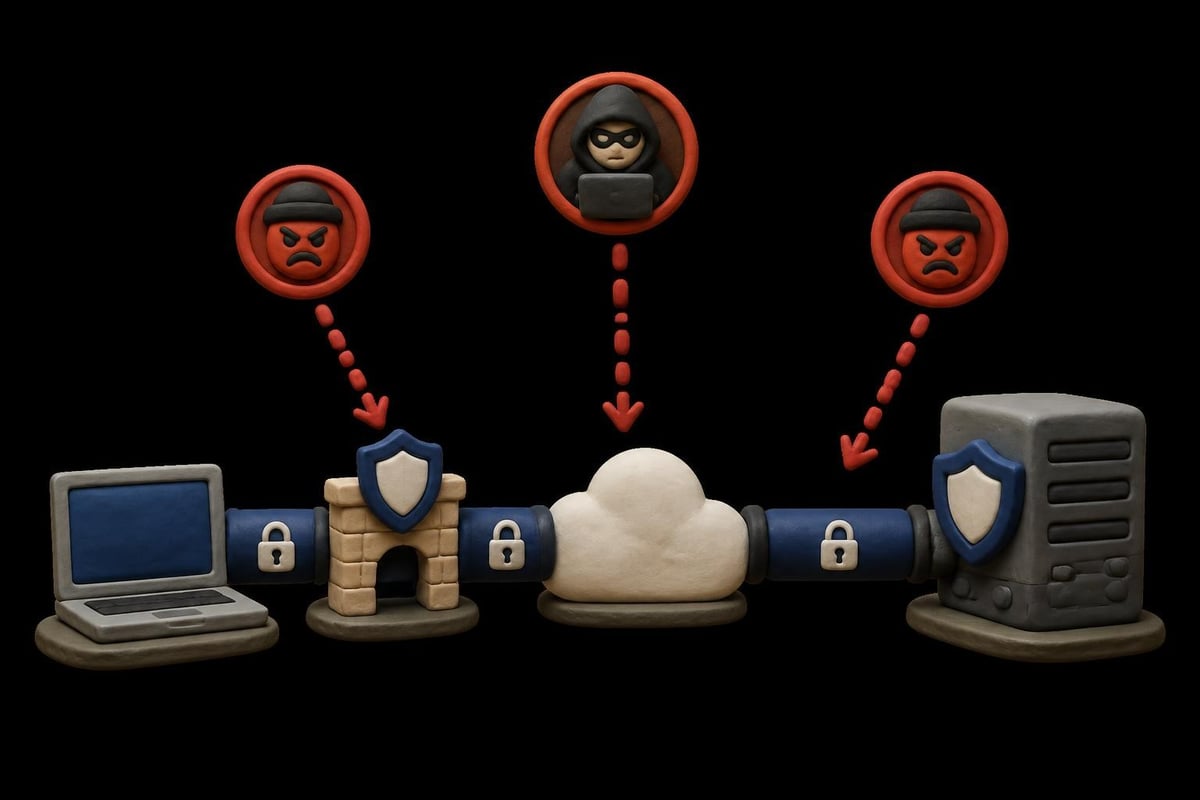
When using a mobile proxy site, your traffic passes through the provider's infrastructure before reaching destination servers. This creates theoretical interception opportunities. Mitigation strategies include:
- End-to-end encryption: Always use HTTPS for sensitive transactions
- VPN layering: Combine proxy usage with VPN connections for maximum security
- Provider vetting: Choose established companies with security audits
- Certificate validation: Monitor for SSL certificate warnings indicating interception
The best mobile proxy services prioritize transparency about their security practices and undergo regular third-party assessments.
Cost Analysis and Provider Selection
Mobile proxy sites command premium pricing due to the expensive infrastructure required to maintain cellular connections at scale. Understanding pricing models helps optimize your investment.
Pricing Models Explained
Providers structure mobile proxy pricing in several ways:
Per-IP pricing charges monthly fees for each dedicated mobile IP address, typically ranging from $50-$200 per IP. This model suits users needing consistent IPs for account management.
Bandwidth-based pricing charges for data transfer volume, usually $5-$15 per GB. Cost-effective for high-rotation scenarios where you need many different IPs but don't transfer massive data volumes.
Subscription tiers offer pools of rotating mobile IPs with bandwidth caps, priced from $100-$500+ monthly depending on concurrent connections, geographic coverage, and support levels.
| Pricing Model | Best For | Typical Cost | Monthly Data |
|---|---|---|---|
| Per-IP Dedicated | Social media management | $75-$150/IP | Usually unlimited |
| Bandwidth Metered | Web scraping | $8-$12/GB | Pay as you go |
| Pooled Rotation | Ad verification | $200-$400 | 50-150GB included |
| Enterprise | Large-scale operations | Custom | Unlimited |
Evaluating Provider Reputation
The mobile proxy market includes both established companies and newer entrants. Assessment criteria should include:
- Years in operation: Providers with 3+ year track records demonstrate stability
- Customer reviews: Look beyond testimonials to independent review sites like TechRadar's Smartproxy review
- Transparency: Clear documentation of IP sources, rotation methods, and limitations
- Support quality: Responsiveness and technical expertise of customer service
- Trial availability: Risk-free testing periods or money-back guarantees
Comparing multiple providers through services like Proxypeers' mobile proxy guide reveals differences in pool sizes, geographic coverage, and feature sets that impact value for your specific use case.
Integration and Implementation Best Practices
Successfully deploying a mobile proxy site requires proper configuration and optimization for your specific tools and workflows.
API Integration Approaches
Most mobile proxy sites provide API access for programmatic control. Common integration patterns include:
Session persistence maintains the same IP across multiple requests by using session IDs. When scraping multi-page websites, this prevents the jarring experience of IP changes mid-session that might trigger security alerts.
Automatic failover detects connection failures and switches to backup IPs without manual intervention. Implementing retry logic with exponential backoff ensures resilience when specific mobile IPs become temporarily unavailable.
Geographic targeting selects IPs from specific countries or carriers through API parameters. This enables running parallel operations across multiple markets simultaneously.
Common Integration Challenges
Users frequently encounter these issues when implementing mobile proxy sites:
- Rate limiting mismatches: Mobile IPs shared among carrier users may hit rate limits faster
- Session interruption: Aggressive rotation breaks applications expecting stable connections
- Authentication complexity: Managing credentials across rotating IPs and multiple tools
- Cost overruns: Inefficient usage patterns consuming bandwidth unnecessarily
Solutions involve careful rotation timing, implementing connection pooling, monitoring bandwidth consumption, and testing thoroughly before production deployment.
Advanced Mobile Proxy Strategies
Power users extract maximum value from mobile proxy sites through sophisticated techniques beyond basic anonymous browsing.
Multi-Account Operations
Managing dozens or hundreds of accounts across platforms requires careful IP assignment strategies:
- Assign each account a dedicated mobile IP or small rotation pool
- Maintain consistent geographic locations per account to avoid suspicion
- Stagger activity timing to mimic natural usage patterns
- Implement browser fingerprint randomization complementing IP rotation
- Monitor account health and adjust proxy assignments based on warning signs
This approach works for social media agencies, e-commerce arbitrage, and cryptocurrency trading operations where account preservation is critical.
Combining Proxy Types
Sophisticated workflows often combine mobile proxies with other proxy types for optimal results. A data collection pipeline might use:
- Datacenter proxies for initial reconnaissance and low-security targets
- Residential proxies for standard e-commerce sites with moderate protection
- Mobile proxies for platforms with strictest bot detection
This tiered approach optimizes costs by reserving expensive mobile IPs for situations where their unique characteristics provide necessary advantages. Understanding when to use SOCKS5 proxy services versus mobile proxies maximizes efficiency.
Monitoring and Optimization
Tracking mobile proxy performance reveals optimization opportunities:
- Success rates: Percentage of requests completing without errors or blocks
- Response times: Latency variations across different carriers and locations
- IP reputation: Whether specific IPs accumulate flags or bans over time
- Bandwidth efficiency: Data transfer volumes relative to actual needs
Analyzing these metrics guides adjustments to rotation frequency, geographic distribution, and provider selection, ensuring your mobile proxy site investment delivers maximum return.
Compliance and Ethical Considerations
Using mobile proxy sites responsibly requires understanding legal boundaries and platform terms of service.
Terms of Service Awareness
Most platforms explicitly prohibit automated access and circumventing geographic restrictions in their terms of service. While mobile proxy sites themselves are legal tools, their usage must align with:
- Website robots.txt files: Respect crawling limitations specified by site owners
- Rate limits: Don't overwhelm servers with excessive request volumes
- Content licensing: Ensure data collection complies with copyright and usage rights
- Privacy regulations: Handle collected personal data per GDPR, CCPA, and similar laws
Legitimate use cases like competitive research, price monitoring, and ad verification generally fall within acceptable boundaries when conducted reasonably. Consult legal counsel for specific situations involving sensitive industries or jurisdictions.
Industry-Specific Regulations
Certain industries face additional compliance requirements when using mobile proxy sites:
Financial services must maintain audit trails and ensure proxy usage doesn't violate trading regulations or insider trading prohibitions. Healthcare organizations handling patient data must verify HIPAA compliance of proxy providers. Legal firms conducting discovery must document chain of custody for digitally collected evidence.
Understanding your industry's specific requirements prevents compliance violations that could result in penalties or legal liability.
Mobile proxy sites represent the most advanced anonymity technology available in 2026, offering unmatched platform trust and geographic flexibility for businesses requiring reliable anonymous access. Whether you're managing social media accounts, verifying ad placements, or conducting market research, the right mobile proxy solution delivers the speed, security, and legitimacy needed to operate effectively. PinguProxy combines high-speed mobile proxies with datacenter and residential options, providing complete IPv4 and IPv6 support, 1ms rotation, and 10Gbps bandwidth backed by 24/7 support to help you achieve your goals with maximum privacy and zero-log security.