
이 글은 현재 영어로만 제공됩니다.
영어로 읽기Datacenter Proxies: Speed, Performance & Use Cases 2026
Datacenter proxies represent one of the most powerful tools in modern internet infrastructure, offering businesses and individuals a way to access online content at blazing speeds while maintaining anonymity. Unlike their residential counterparts, these proxies originate from cloud servers and dedicated datacenters rather than actual residential internet service providers. This fundamental difference creates unique advantages in speed and cost, though it also comes with distinct trade-offs that users must understand. As we navigate 2026, the datacenter proxy landscape has evolved significantly, with providers now offering sophisticated features like IPv6 support, instant rotation, and enterprise-grade bandwidth that cater to increasingly complex use cases.
Understanding Datacenter Proxy Infrastructure
Datacenter proxies operate through IP addresses assigned to servers housed in professional datacenter facilities. These facilities maintain high-performance hardware connected to premium network backbones, ensuring exceptional speeds and reliability.
The infrastructure behind these proxies differs dramatically from residential or mobile alternatives. Data centers use enterprise-grade internet connections with symmetrical upload and download speeds, often reaching 10Gbps or higher. This setup makes them ideal for bandwidth-intensive tasks.
Technical Architecture and IP Assignment
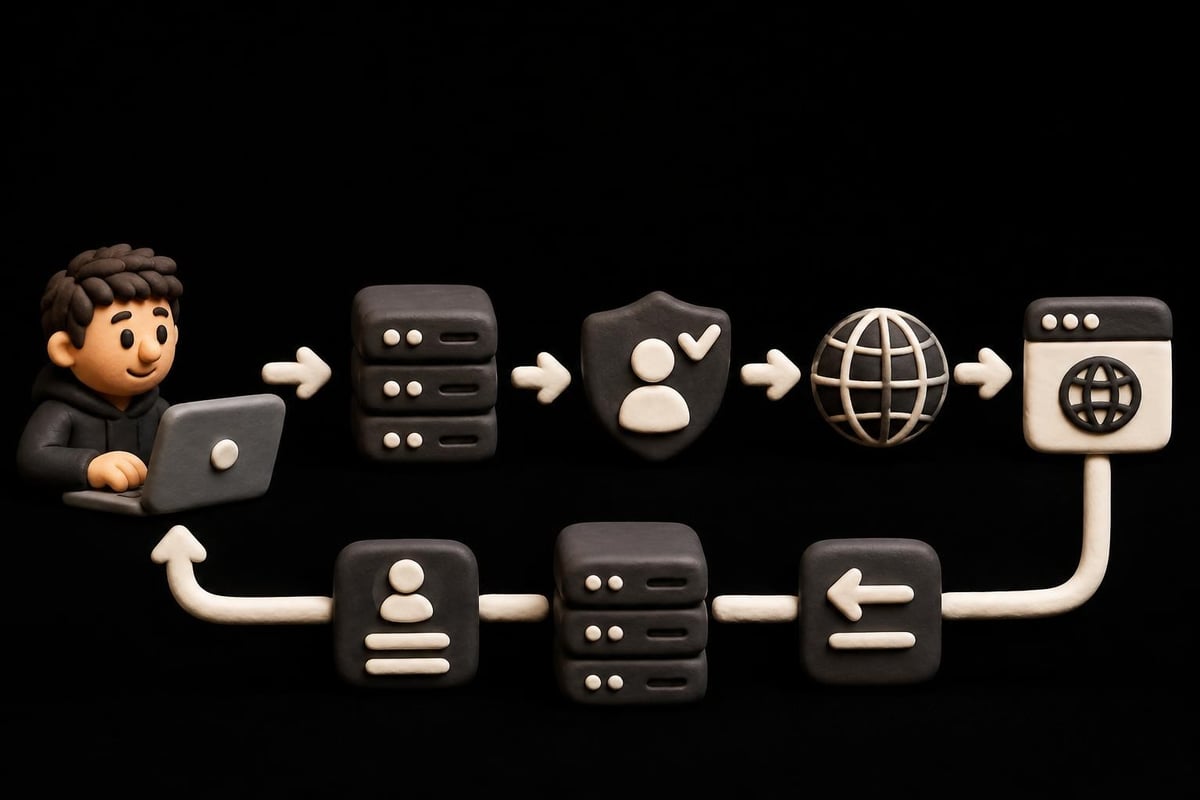
When you connect through a datacenter proxy, your traffic routes through server infrastructure that handles thousands of simultaneous connections. The IP addresses come from subnet blocks registered directly to hosting companies and datacenter operators.
Key architectural components include:
- Dedicated server hardware with high-performance processors
- Enterprise networking equipment with redundant connections
- IP address pools from IANA-registered autonomous systems
- Load balancing systems distributing traffic across servers
- Authentication layers controlling access and usage
According to comprehensive datacenter proxy guides, these networks typically operate on a shared IP model where multiple users access the same IP pool, though dedicated options exist for premium use cases.
Speed Advantages Over Alternative Proxy Types
The performance gap between datacenter and residential proxies remains substantial in 2026. Datacenter connections typically deliver response times under 100 milliseconds, while residential proxies often exceed 300-500 milliseconds due to routing through actual home internet connections.
| Proxy Type | Average Speed | Latency | Bandwidth Limit |
|---|---|---|---|
| Datacenter | 1-10 Gbps | 10-100ms | Usually unlimited |
| Residential | 10-100 Mbps | 300-800ms | Often metered |
| Mobile | 5-50 Mbps | 500-1500ms | Typically capped |
This speed differential makes datacenter options the clear choice for applications requiring rapid data collection or real-time processing. For businesses conducting large-scale web scraping operations, understanding data center proxy fundamentals becomes essential to infrastructure planning.
Primary Use Cases for Datacenter Proxies
Modern businesses leverage datacenter proxies across diverse applications, each capitalizing on different strengths of this technology. The 2026 landscape shows particularly strong adoption in data intelligence, automation, and security sectors.
Web Scraping and Data Collection
Data extraction represents the dominant use case for datacenter proxies. Companies gathering competitive intelligence, price monitoring data, or market research information rely on these high-speed connections to collect vast datasets efficiently.
Common scraping scenarios include:
- E-commerce price tracking across thousands of products
- Social media sentiment analysis requiring millions of posts
- Search engine result page (SERP) monitoring for SEO insights
- Real estate listing aggregation across multiple platforms
- Job posting collection for recruitment analytics
The speed advantage becomes crucial when scraping operations need to process hundreds of thousands of pages daily. A cheap datacenter proxy solution can dramatically reduce infrastructure costs compared to residential alternatives while maintaining throughput.
SEO Monitoring and Rank Tracking
Digital marketing professionals use datacenter proxies extensively for search engine optimization work. Tracking keyword rankings across different locations without triggering rate limits requires reliable proxy infrastructure.
Many SEO automation platforms now integrate proxy rotation directly into their workflows. Services like RankPill leverage proxy networks to conduct comprehensive keyword research and competitor analysis without detection, enabling businesses to automate their content optimization efforts while scaling organic traffic growth.
Ad Verification and Brand Protection
Advertisers spend billions annually on digital campaigns, making verification essential. Datacenter proxies enable companies to view how their ads appear across different regions and detect fraudulent impressions or click activity.
Brand protection teams monitor unauthorized use of trademarks, counterfeit product listings, and reputation threats across global marketplaces. The ability to quickly check thousands of URLs from various geographic viewpoints makes datacenter infrastructure indispensable for these operations.

Technical Capabilities and Protocol Support
Modern datacenter proxy services support multiple protocols and authentication methods, providing flexibility for different technical requirements. Understanding these capabilities helps businesses select appropriate solutions for their specific needs.
HTTP and SOCKS Protocol Options
Datacenter proxies typically offer both HTTP/HTTPS and SOCKS5 protocols. HTTP proxies work exclusively with web traffic, while SOCKS5 handles any protocol, making it suitable for applications beyond browsing.
The choice between protocols depends on your use case. For web scraping, HTTP proxy configurations offer simplicity and compatibility with most scraping frameworks. For gaming, streaming, or P2P applications, SOCKS5 options provide the necessary protocol flexibility.
Protocol comparison:
| Feature | HTTP/HTTPS | SOCKS5 |
|---|---|---|
| Web scraping | Excellent | Good |
| Application support | Web only | All TCP/UDP |
| Speed overhead | Minimal | Minimal |
| Authentication | Header-based | Protocol-level |
| SSL/TLS support | Native | Tunneling |
IPv4 and IPv6 Dual-Stack Support
The internet's ongoing transition to IPv6 creates new opportunities and requirements for proxy services. In 2026, leading providers offer complete dual-stack support, allowing clients to access both IPv4 and IPv6 resources seamlessly.
IPv6 adoption has accelerated significantly, with many websites and services now preferring or requiring IPv6 connections. Datacenter proxies supporting both protocols ensure compatibility across the entire internet landscape without connection failures or accessibility gaps.
Advanced providers implement intelligent protocol selection, automatically choosing IPv4 or IPv6 based on the target destination's capabilities. This transparent handling eliminates configuration complexity for end users while maximizing connection success rates.
Selection Criteria for Datacenter Proxy Providers
Choosing the right datacenter proxy provider requires evaluating multiple factors beyond simple pricing considerations. The 2026 market offers numerous options, each with distinct strengths and limitations.
Performance Metrics That Matter
Speed specifications tell only part of the performance story. Actual throughput, connection stability, and success rates under load provide better indicators of real-world capability.
Critical performance factors:
- Connection establishment time: How quickly proxies respond to initial requests
- Sustained throughput: Maintained speeds during extended sessions
- Success rate: Percentage of requests completed without errors
- Geographic coverage: Availability of IPs in required locations
- Pool size: Total number of unique IP addresses available
Reviews from sources like TechRadar's datacenter proxy comparisons offer valuable insights into how different providers perform under various workload conditions.
Privacy and Security Considerations
While datacenter proxies don't provide the same anonymity level as residential options, reputable providers still implement strong privacy protections. Zero-log policies ensure that user activity isn't recorded or retained beyond session management requirements.
Encryption standards matter particularly for sensitive business data. Look for providers supporting TLS 1.3 and offering secure authentication methods beyond basic username-password combinations. Some advanced services implement API key authentication or IP whitelisting for enhanced security.
The rotation capabilities also impact privacy. Services offering millisecond-level rotation between requests make traffic pattern analysis significantly more difficult, enhancing operational security for sensitive scraping projects.
Geographic Distribution and Targeting
Location diversity enables accessing geo-restricted content and conducting region-specific research. Top-tier providers maintain datacenter presence across dozens of countries, with particularly strong coverage in North America, Europe, and Asia-Pacific regions.
For e-commerce businesses operating globally, platforms like Talk Shop demonstrate how multi-regional strategies succeed. Their community spans merchants worldwide, highlighting how geographic diversity in both business operations and supporting infrastructure drives success in competitive markets.
Cost Structures and Pricing Models
Datacenter proxy pricing varies significantly based on features, performance levels, and usage parameters. Understanding different pricing models helps businesses optimize costs while meeting technical requirements.
Bandwidth vs. IP-Based Pricing
Providers typically structure pricing around either bandwidth consumption or the number of IP addresses accessed. Each model suits different use cases and usage patterns.
Bandwidth-based pricing:
- Charges per gigabyte of data transferred
- Ideal for high-volume, consistent usage
- Usually offers unlimited IP rotation within pool
- Predictable costs for steady workloads
IP-based pricing:
- Charges per IP address or concurrent connection
- Better for low-bandwidth, high-IP-diversity needs
- May include bandwidth caps per IP
- Cost-effective for geographic diversity requirements
Many modern providers offer hybrid models or unlimited packages that eliminate usage tracking entirely. These simplify budgeting and remove concerns about unexpected overage charges during traffic spikes.
Shared vs. Dedicated IP Pools
Shared proxy pools distribute costs across multiple users accessing the same IP addresses. This approach dramatically reduces per-user pricing but creates potential reputation risks if other users engage in aggressive scraping that triggers IP blocks.
Dedicated pools assign exclusive IP addresses to individual clients, eliminating shared reputation concerns. The premium pricing reflects the guaranteed availability and pristine IP reputation, making dedicated options worthwhile for mission-critical applications.
| Pool Type | Cost Level | Reputation Control | Best For |
|---|---|---|---|
| Shared | $50-200/month | Limited | Testing, low-risk tasks |
| Semi-dedicated | $200-500/month | Moderate | Growing operations |
| Dedicated | $500-2000+/month | Full | Enterprise applications |

Integration and Implementation Best Practices
Successfully deploying datacenter proxies requires proper technical integration and operational procedures. Following established best practices minimizes issues and maximizes value from proxy investments.
Authentication Methods and Endpoint Configuration
Most datacenter proxy services offer multiple authentication approaches. Username-password authentication works through HTTP headers or SOCKS5 protocol fields, while IP whitelisting restricts access to pre-approved source addresses.
Setup steps for typical implementations:
- Obtain proxy credentials from provider dashboard
- Configure proxy endpoints in application or system settings
- Test connection using simple HTTP request or browser
- Implement rotation logic if using multiple IPs
- Monitor success rates and adjust configuration as needed
For mobile applications, configuring proxy settings on iPhone or Android devices requires accessing system network settings. For command-line tools, understanding curl proxy configurations enables quick testing and integration.
Rotation Strategies and Session Management
Intelligent rotation prevents detection and distributes load across IP pools. Different applications require different rotation approaches based on target website behavior and scraping requirements.
Common rotation patterns:
- Per-request rotation: New IP for every request, maximum anonymity
- Session-based rotation: Same IP for related requests, maintains context
- Time-based rotation: IP changes every few minutes regardless of activity
- Failure-triggered rotation: New IP only when current one fails
Session management becomes particularly important for websites requiring authentication or maintaining shopping carts. Using the same IP throughout a logical session prevents disconnection and data loss.
Advanced users implement retry logic with exponential backoff when requests fail. This approach handles temporary issues gracefully while avoiding aggressive behavior that might trigger additional blocking.
Comparing Datacenter Proxies to Alternatives
Understanding how datacenter proxies compare to residential and mobile options helps businesses select the right tool for each specific requirement. No single proxy type excels at everything.
Residential Proxy Advantages and Trade-offs
Residential proxies route traffic through actual home internet connections, making them appear as legitimate end-users. This authenticity provides superior success rates on websites with aggressive anti-bot measures.
The trade-offs include significantly higher costs (often 10-20x datacenter pricing), slower speeds, and potential reliability issues as IPs come from real users whose internet connections may be unstable. For applications like residential SOCKS5 proxies, the authenticity justifies the premium for specific high-value use cases.
Mobile Proxy Use Cases
Mobile proxies use IP addresses from cellular networks, offering the highest legitimacy level since they appear as smartphone traffic. Social media management and mobile app testing represent primary use cases.
Costs exceed even residential options, with mobile proxies typically priced per IP or device. Speed limitations reflect actual mobile network performance, which varies based on location and carrier. The specialized nature makes mobile proxies suitable only for tasks specifically requiring mobile IP addresses.
When Datacenter Remains the Optimal Choice
Despite alternatives, datacenter proxies remain the best choice for the majority of business applications. Their combination of speed, cost-efficiency, and reliability makes them ideal for data collection, monitoring, and automation tasks where residential-level authenticity isn't required.
The 2026 landscape shows datacenter proxies handling an estimated 70-80% of all proxy-based web scraping and automation workloads. This dominance reflects their practical advantages for real-world business needs.
Advanced Features in Modern Datacenter Services
Leading providers have introduced sophisticated capabilities that extend beyond basic proxy functionality. These features address common pain points and enable more complex use cases.
Automatic Rotation and Failover
Modern platforms implement intelligent rotation that adapts to target website behavior. Machine learning algorithms detect blocking patterns and adjust rotation frequency dynamically to maintain access.
Failover mechanisms automatically switch to backup IPs when primary connections fail. This redundancy ensures continuous operation even when individual IPs get blocked or datacenters experience outages.
Geographic Precision and City-Level Targeting
While datacenter IPs don't offer residential-level geolocation accuracy, advanced providers now support city-level targeting in major markets. This precision enables more granular location-based research and testing.
Some services even offer ISP-level targeting, allowing users to request IPs from specific network operators. This capability helps match competitive intelligence gathering to specific market segments or network conditions.
API Integration and Automation
Programmatic proxy management through APIs enables sophisticated automation workflows. Businesses can dynamically provision IPs, monitor usage statistics, and adjust configurations without manual intervention.
The API-first approach integrates seamlessly with data pipeline tools, scraping frameworks, and automation platforms. This integration reduces operational overhead and enables truly hands-off proxy management.
Compliance and Ethical Considerations
Using datacenter proxies responsibly requires understanding legal boundaries and ethical guidelines. While proxies themselves are legal tools, their application must respect website terms of service and data protection regulations.
Respecting Rate Limits and Terms of Service
Responsible proxy usage includes honoring website rate limits even when technical capabilities would allow faster scraping. Aggressive scraping damages website performance and creates legitimate security concerns for operators.
Many websites publish robots.txt files and API documentation specifying acceptable access patterns. Following these guidelines maintains ethical standards and reduces legal risk.
Data Protection and Privacy Regulations
GDPR, CCPA, and similar regulations apply to data collected through proxies just as they do to data gathered by other means. Businesses must implement appropriate safeguards for personal information encountered during scraping operations.
Documentation of data handling procedures, purpose limitation, and deletion policies becomes essential for regulatory compliance. Proxy provider choice should consider their own compliance certifications and data handling practices.
Industry-Specific Restrictions
Certain industries face additional restrictions on automated data collection. Financial services, healthcare, and gambling sectors often have specific regulations governing data usage and competitive intelligence gathering.
For businesses in regulated spaces like online gaming, platforms such as 24-7 Casino demonstrate how operators navigate complex compliance requirements across jurisdictions. Similarly, services like CheckMyDate show how data aggregation must balance utility with privacy protection, particularly when handling sensitive personal information.
Troubleshooting Common Issues
Even well-configured proxy setups encounter occasional problems. Understanding common issues and their solutions minimizes downtime and maintains operational efficiency.
Connection Failures and Timeout Errors
Connection issues typically stem from authentication problems, network configuration errors, or proxy server availability. Systematic troubleshooting identifies root causes quickly.
Diagnostic steps:
- Verify credentials are current and correctly formatted
- Test proxy connectivity using simple tools like curl or wget
- Check if specific IPs are blocked by target websites
- Confirm proxy server status through provider dashboard
- Review firewall rules blocking outbound proxy connections
For persistent issues, working with provider support teams accelerates resolution. Quality providers offer 24/7 technical assistance for troubleshooting complex scenarios.
Block Detection and IP Reputation
Even datacenter proxies with good reputations occasionally get blocked. Websites employ sophisticated detection methods that identify proxy traffic patterns regardless of IP source type.
Mitigation strategies include rotating user agents, implementing random delays between requests, and varying request patterns to appear more human-like. Some advanced scraping frameworks automate these techniques, making them transparent to developers.
When entire IP ranges get blocked, contacting the proxy provider enables them to issue fresh IPs from different subnets. Providers maintaining large IP pools can quickly provision clean addresses from unaffected ranges.
Performance Degradation Investigation
Slowdowns may result from datacenter network congestion, routing issues, or problems with target websites rather than proxy infrastructure itself. Isolating the cause requires methodical testing.
Comparing performance across different proxy endpoints, target websites, and time periods reveals patterns indicating where bottlenecks occur. Network monitoring tools measuring latency at each hop identify routing problems affecting specific geographic paths.
Datacenter proxies continue delivering exceptional value for businesses requiring high-speed, cost-effective solutions for web scraping, automation, and data collection in 2026. Their combination of performance, reliability, and affordability makes them the backbone of modern data intelligence operations across industries. Whether you're scaling SEO monitoring, conducting market research, or building competitive intelligence systems, PinguProxy provides enterprise-grade datacenter infrastructure with 10Gbps bandwidth, complete IPv4 and IPv6 support, and instant rotation capabilities backed by 24/7 expert support to power your most demanding applications.