
Private SOCKS5 Proxy: Complete Guide for 2026
A private SOCKS5 proxy represents one of the most versatile and secure methods for routing internet traffic through an intermediary server. Unlike shared proxies that multiple users access simultaneously, a private SOCKS5 proxy provides dedicated resources exclusively for your use, ensuring consistent performance and enhanced security. This protocol operates at a lower level than HTTP proxies, making it compatible with virtually any application or protocol, from web browsers to gaming clients and specialized software. As businesses and individuals increasingly prioritize online privacy and unrestricted access to global content, understanding how to leverage this technology has become essential for competitive advantage in 2026.
Understanding SOCKS5 Protocol Architecture
The SOCKS5 protocol functions as a transparent intermediary between client applications and destination servers. Unlike its predecessors, SOCKS5 introduced authentication methods, UDP support, and IPv6 compatibility.
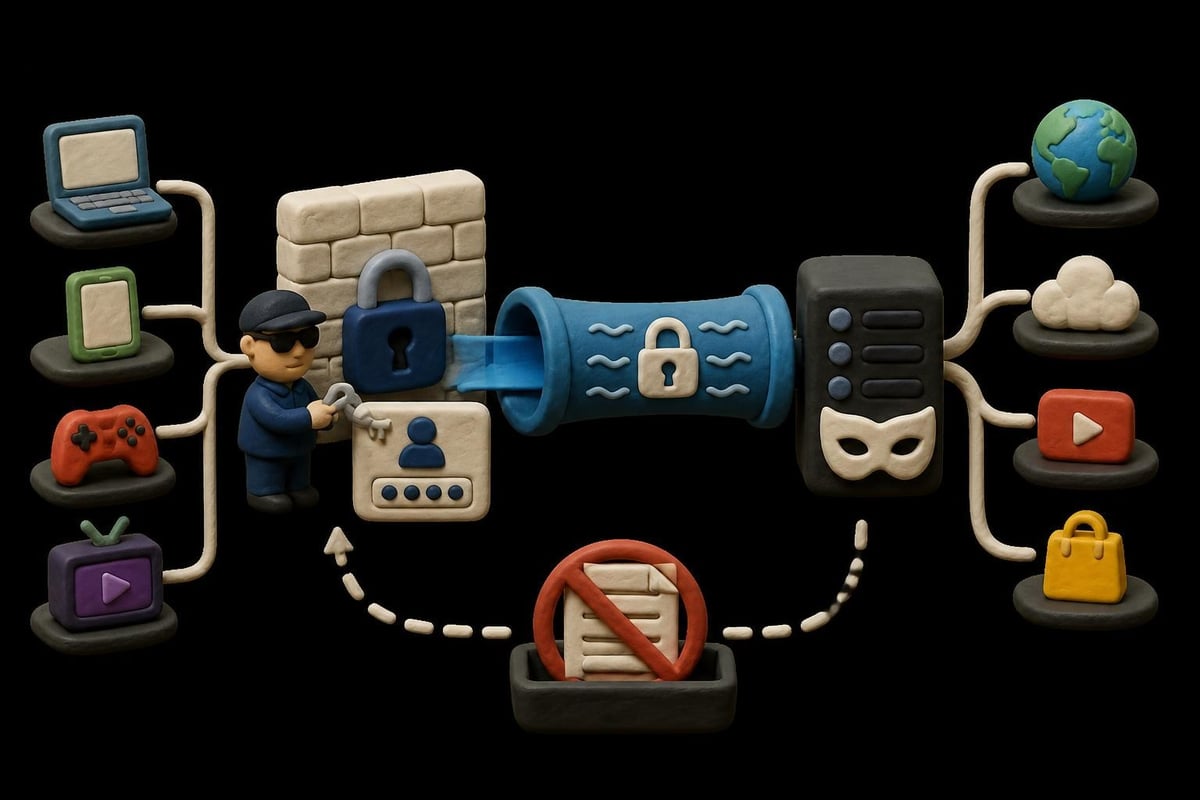
When you establish a connection through a private SOCKS5 proxy, your application sends connection requests to the proxy server rather than directly to the target. The proxy then evaluates the request, authenticates your credentials, and establishes the actual connection on your behalf. This separation creates a protective layer that masks your original IP address while maintaining full protocol flexibility.
Key Technical Advantages
Authentication and Security
- Username/password authentication prevents unauthorized access
- Support for multiple authentication methods including GSSAPI
- No data modification or injection during transmission
- Complete encryption when combined with SSH tunneling
Protocol Flexibility
- Works with TCP and UDP traffic seamlessly
- Compatible with any application that supports proxy configuration
- Handles email clients, torrent applications, and custom software
- No protocol-specific limitations like HTTP-only proxies
The technical superiority becomes evident when you compare bandwidth handling. A private SOCKS5 proxy doesn't interpret or modify the data passing through it, resulting in faster speeds and lower latency than HTTP proxies that parse and potentially alter requests.

Performance Benefits for Business Applications
Organizations deploying web scraping operations discover that private SOCKS5 proxy connections deliver measurably better results than shared alternatives. The dedicated resources eliminate the performance degradation caused by neighbor traffic, ensuring consistent response times even during peak usage periods.
Speed comparisons reveal significant differences:
| Proxy Type | Average Latency | Bandwidth Throttling | Concurrent Connections |
|---|---|---|---|
| Shared HTTP | 450-800ms | Frequent | 3-5 |
| Shared SOCKS5 | 300-600ms | Occasional | 5-10 |
| Private SOCKS5 | 50-150ms | None | Unlimited* |
*Subject to provider infrastructure limits
Real-World Performance Scenarios
When conducting SERP monitoring across multiple geographic locations, the ability to maintain hundreds of simultaneous connections becomes critical. A private SOCKS5 proxy handles this workload without the connection failures and rate limiting common with shared infrastructure.
Gaming applications benefit particularly from the UDP support inherent in SOCKS5. Traditional HTTP proxies cannot handle UDP packets, making them useless for real-time gaming. According to research on proxy performance, the reliability differences between proxy types significantly impact user experience in latency-sensitive applications.
E-commerce professionals using these proxies for sneaker botting report checkout success rates improving by 40-60% compared to shared proxies. The dedicated IP addresses and consistent connection quality prevent the detection mechanisms that retailers deploy against bot traffic.
Security and Privacy Considerations
Privacy represents the cornerstone advantage of implementing a private SOCKS5 proxy solution. When you route traffic through dedicated infrastructure, you eliminate the data exposure risks inherent in shared proxy environments where multiple users access the same server resources.
Zero-Log Policies and Data Protection
Reputable providers implement strict zero-log policies, ensuring no browsing history, connection timestamps, or traffic metadata remains stored after sessions end. This commitment to privacy proves essential for businesses handling sensitive competitive intelligence or personal data requiring regulatory compliance.
Key privacy features to verify:
- No traffic logging or inspection
- Encrypted authentication credentials
- IP address rotation capabilities
- DNS leak prevention mechanisms
- WebRTC leak protection
The authentication layer in SOCKS5 adds another security dimension. Unlike open proxies that anyone can access, your private SOCKS5 proxy requires valid credentials for each connection attempt. This prevents unauthorized usage that could compromise your IP reputation or consume your bandwidth allocation.
Comparing Security Models
Different proxy protocols offer varying security levels. When evaluating options, understanding these distinctions helps match solutions to security requirements:
- HTTP/HTTPS Proxies interpret and can modify web traffic, creating potential vulnerability points
- SOCKS4 Proxies lack authentication, making them unsuitable for private deployments
- SOCKS5 Proxies combine authentication, protocol flexibility, and transparent operation
- VPNs encrypt all device traffic but often reduce speeds and lack granular application control
Businesses requiring compliance with data protection regulations find that private SOCKS5 proxy configurations, especially when paired with rotating proxy features, provide the privacy assurances necessary for legal operation.
Configuration and Implementation Best Practices
Setting up a private SOCKS5 proxy requires attention to application-specific configuration methods. Most modern software includes native proxy support, though the configuration interface varies significantly between applications.
Browser Configuration
Firefox Configuration Steps:
- Navigate to Settings > General > Network Settings
- Select "Manual proxy configuration"
- Enter SOCKS Host and Port
- Select "SOCKS v5" option
- Check "Proxy DNS when using SOCKS v5"
Chrome/Chromium Configuration:
Chrome requires either command-line flags or system-wide proxy settings. Launch with: chrome.exe --proxy-server="socks5://hostname:port"
Application-Level Implementation
Development teams integrating proxy support into custom applications benefit from the standardized SOCKS5 protocol specification. Most programming languages include libraries that simplify implementation:
Python: PySocks, requests[socks]
Node.js: socks-proxy-agent
Java: java.net.Proxy class
Go: golang.org/x/net/proxy
Understanding protocol compatibility prevents configuration issues that compromise functionality. Applications that don't support SOCKS5 natively often work through proxy chains or protocol translation tools.
Use Case Optimization Strategies
Different applications demand distinct optimization approaches when deploying a private SOCKS5 proxy infrastructure. Matching proxy characteristics to workload requirements maximizes return on investment while preventing resource waste.
Web Scraping and Data Collection
Large-scale data collection for AI training requires balancing request volume against target site tolerance. Private SOCKS5 proxy rotation strategies help maintain access while respecting rate limits:
- Time-based rotation: Change IPs every 1-10 minutes
- Request-based rotation: New IP after N requests
- Domain-based routing: Different IPs for different targets
- Geographic targeting: Match proxy location to content requirements
The web scraping industry increasingly relies on sophisticated proxy management to overcome anti-bot measures. Private infrastructure provides the control necessary to fine-tune request patterns and avoid detection.
Social Media Management
Managing multiple Instagram, Facebook, or TikTok accounts requires dedicated IP addresses to prevent platform association and account linking. Social networks employ sophisticated fingerprinting that identifies accounts operated from shared IP addresses.
| Use Case | Recommended IPs | Rotation Frequency | Geographic Requirements |
|---|---|---|---|
| Account Creation | 1 per account | Static | Match user location |
| Content Posting | 1 per 3-5 accounts | Weekly | Regional targeting |
| Engagement/Growth | 1 per account | Daily | Target audience location |
| Analytics/Monitoring | Shared pool | Per session | Match content geography |
Gaming and Entertainment
Competitive gaming and Discord communities utilize private SOCKS5 proxy services to reduce latency to distant servers or bypass regional restrictions. The UDP support ensures voice chat and real-time game traffic routes properly, unlike HTTP proxies that fail with these protocols.
Professional gamers optimizing for minimum latency should select proxy servers geographically positioned between their location and game servers. This seemingly counterintuitive approach works because high-quality datacenter connections often provide faster routing than consumer ISP networks.
Selecting the Right Provider and Plan
The proxy service landscape includes dozens of providers claiming superior performance and features. Evaluating options requires understanding the technical specifications that actually impact daily operations rather than marketing claims.
Critical Evaluation Criteria
Infrastructure Quality:
- Bandwidth allocation (look for 10Gbps+ backbone connections)
- Server hardware specifications (CPU, RAM, network cards)
- Geographic distribution matching your target regions
- Uptime guarantees and historical reliability data
Protocol Support: Different proxy types serve different purposes. Verify that providers offer genuine private SOCKS5 proxy access rather than shared pools marketed as "dedicated." Reviews from sources like TechRadar's proxy comparisons provide third-party validation of provider claims.
Pricing Structures: Understanding pricing models prevents unexpected costs as usage scales:
- Per-IP pricing: Fixed cost per proxy, unlimited bandwidth
- Bandwidth-based: Pay for data transfer volume
- Hybrid models: IP cost plus bandwidth allowance
- Enterprise contracts: Custom pricing for large deployments
Budget-conscious buyers should consult guides on the cheapest proxy servers while remembering that rock-bottom prices typically indicate shared infrastructure or poor performance.

Advanced Features and Capabilities
Modern private SOCKS5 proxy deployments extend beyond basic traffic routing to include sophisticated management and automation features that streamline operations and improve results.
Intelligent IP Rotation
Static IP addresses serve specific use cases, but many applications benefit from automated rotation. Advanced rotation systems provide granular control:
- Session persistence: Maintain the same IP for login sessions, rotate between sessions
- Failure-triggered rotation: Automatically switch IPs when detecting blocks or errors
- Geographic rotation: Cycle through IPs from specific countries or cities
- Whitelist management: Exclude certain IPs from rotation pools
Learning about IP rotation and understanding rotation intervals helps optimize configurations for your specific requirements. The 1ms rotation capability enables rapid IP changes without connection interruptions.
IPv4 and IPv6 Dual-Stack Support
As IPv4 address exhaustion continues, IPv6 adoption accelerates across internet infrastructure. Private SOCKS5 proxy services offering IPv4 and IPv6 support future-proof your operations while accessing IPv6-only resources that IPv4 proxies cannot reach.
IPv6 advantages for proxy users:
- Massive address space enables unlimited unique IPs
- Lower cost per IP compared to scarce IPv4 addresses
- Native support on modern platforms and services
- Reduced competition for clean IP reputation
API-Driven Management
Enterprise deployments require programmatic control over proxy infrastructure. Comprehensive APIs enable:
- Automated proxy creation based on workload demands
- Dynamic proxy updates for configuration changes
- Scheduled proxy deletion to optimize costs
- Real-time monitoring and performance analytics
Troubleshooting Common Issues
Even properly configured private SOCKS5 proxy deployments occasionally encounter problems. Systematic troubleshooting methodologies resolve most issues quickly.
Connection Problems
When connections fail or timeout, verify these elements in sequence:
Authentication verification:
- Confirm username and password accuracy
- Check for special characters requiring URL encoding
- Verify authentication method compatibility
- Test credentials through provider dashboard
Network connectivity:
- Ping proxy server hostname to verify reachability
- Check firewall rules allowing outbound SOCKS traffic (typically port 1080)
- Confirm DNS resolution for proxy hostname
- Test from different network locations to isolate ISP blocking
Detailed connection timeout troubleshooting guides provide application-specific solutions for persistent problems.
Performance Degradation
Slow speeds or high latency indicate configuration problems or infrastructure issues:
Diagnostic steps:
- Test direct connection speed without proxy as baseline
- Measure proxy connection speed to same target
- Calculate overhead percentage
- Compare against provider SLA commitments
If overhead exceeds 20-30%, investigate:
- Geographic distance between you, proxy, and target
- Proxy server load (request alternative servers)
- Bandwidth limitations or throttling
- DNS resolution delays
Resources on bandwidth limitations explain how usage patterns affect performance and how to optimize configurations for better throughput.
Application Compatibility
Some applications require specific proxy configurations or don't support SOCKS5 directly. Solutions include:
- Proxy chains: Route through local SOCKS-to-HTTP converter
- System-wide proxy: Configure OS-level proxy for all applications
- Application-specific wrappers: Use tools like proxychains on Linux/Mac
- Browser extensions: For web-based tools lacking native support
Compliance and Legal Considerations
Operating a private SOCKS5 proxy infrastructure requires understanding legal and compliance implications, particularly for businesses handling regulated data or operating across multiple jurisdictions.
Regulatory Frameworks
Different industries and regions impose specific requirements on data handling and privacy protection:
GDPR Compliance (Europe):
- Data minimization principles apply to logged information
- User consent required for data processing
- Right to deletion mandates zero-log capabilities
- Data protection impact assessments for high-risk processing
CCPA Requirements (California):
- Disclosure of data collection practices
- Consumer rights to access and delete personal information
- Opt-out mechanisms for data sales
- Service provider contracts specifying data handling
Businesses engaged in academic research or cybersecurity operations should verify proxy usage complies with institutional review board requirements and applicable computer fraud laws.
Terms of Service Compliance
While private SOCKS5 proxy usage remains legal, how you use proxies must comply with target website terms of service and applicable laws:
Permitted uses generally include:
- Privacy protection and anonymity
- Bypassing geographic restrictions on owned content
- Competitive intelligence gathering from public sources
- Testing and quality assurance for your own services
Prohibited activities typically include:
- Circumventing technical protection measures
- Accessing systems without authorization
- Copyright infringement or piracy
- Fraud, identity theft, or illegal transactions
Professional use cases like brand protection and ad verification operate within legal boundaries when properly implemented with respect for platform policies.
Monitoring and Performance Optimization
Maintaining optimal private SOCKS5 proxy performance requires continuous monitoring and proactive optimization based on usage patterns and business requirements.
Key Performance Indicators
Track these metrics to identify performance trends and problems:
- Connection success rate: Percentage of successful proxy connections
- Average response time: Latency from request to first byte
- Bandwidth utilization: Data transfer volume and peak usage patterns
- IP reputation scores: Track blocklist appearances and trust ratings
- Session duration: Average connection length before termination
- Error rates by type: Categorize failures for targeted troubleshooting
Optimization Techniques
Geographic optimization: Position proxy servers closer to target resources to minimize latency. Travel aggregation and real estate data collection benefit from city-level geographic targeting.
Load distribution: Spread requests across multiple private SOCKS5 proxy IPs to prevent rate limiting and reduce detection risk. The proxy pool approach distributes load while maintaining dedicated resource benefits.
Request timing: Implement intelligent delays between requests that mimic human behavior patterns. Randomized intervals between 1-5 seconds typically avoid triggering anti-bot measures while maintaining acceptable throughput.
Session management: Maintain consistent sessions for activities requiring state preservation while rotating IPs between distinct workflows. This balance prevents account association while avoiding unnecessary authentication overhead.
Implementing a private SOCKS5 proxy solution delivers measurable advantages in performance, security, and reliability compared to shared alternatives, whether you're scraping data, managing social accounts, or protecting business intelligence operations. PinguProxy provides high-speed datacenter, residential, and mobile proxies with complete SOCKS5 support, unlimited bandwidth, 1ms rotation capabilities, and 24/7 support to ensure your operations run smoothly across any use case. With both IPv4 and IPv6 compatibility and a strict zero-log policy, PinguProxy delivers the enterprise-grade infrastructure businesses need in 2026.