
यह लेख वर्तमान में केवल अंग्रेज़ी में उपलब्ध है।
अंग्रेज़ी में पढ़ेंPrivate Internet Access SOCKS5 Proxy Guide 2026
Understanding how to leverage a private internet access socks5 proxy can dramatically enhance your online privacy while maintaining optimal connection speeds. Unlike traditional VPN protocols that encrypt all traffic at the system level, SOCKS5 proxies offer a lightweight alternative that routes specific application traffic through secure intermediary servers. This flexibility makes them particularly valuable for users who need granular control over their network traffic, whether for web scraping operations, accessing geo-restricted content, or maintaining anonymity during sensitive online activities. The combination of authentication mechanisms, protocol versatility, and minimal overhead has made SOCKS5 the preferred choice for professionals who demand both performance and privacy.
What Makes SOCKS5 Different From Other Proxy Protocols
SOCKS5 represents the fifth iteration of the Socket Secure protocol, offering significant improvements over its predecessors and alternative proxy methods. The protocol operates at Layer 5 of the OSI model, positioned between your application and the transport layer.
Key technical advantages include:
- Support for both TCP and UDP protocols, enabling versatile application compatibility
- Built-in authentication methods to verify user credentials
- No protocol-specific limitations, working with HTTP, HTTPS, FTP, and peer-to-peer traffic
- Improved error handling and connection management
- Native IPv6 support alongside traditional IPv4 addressing
The private internet access socks5 proxy implementation distinguishes itself through enhanced security features while maintaining the protocol's characteristic speed advantages. Traditional HTTP proxies only handle web traffic and can modify or cache data, potentially exposing sensitive information. SOCKS5 proxies, conversely, simply relay data packets without interpretation or modification.
Authentication and Security Mechanisms
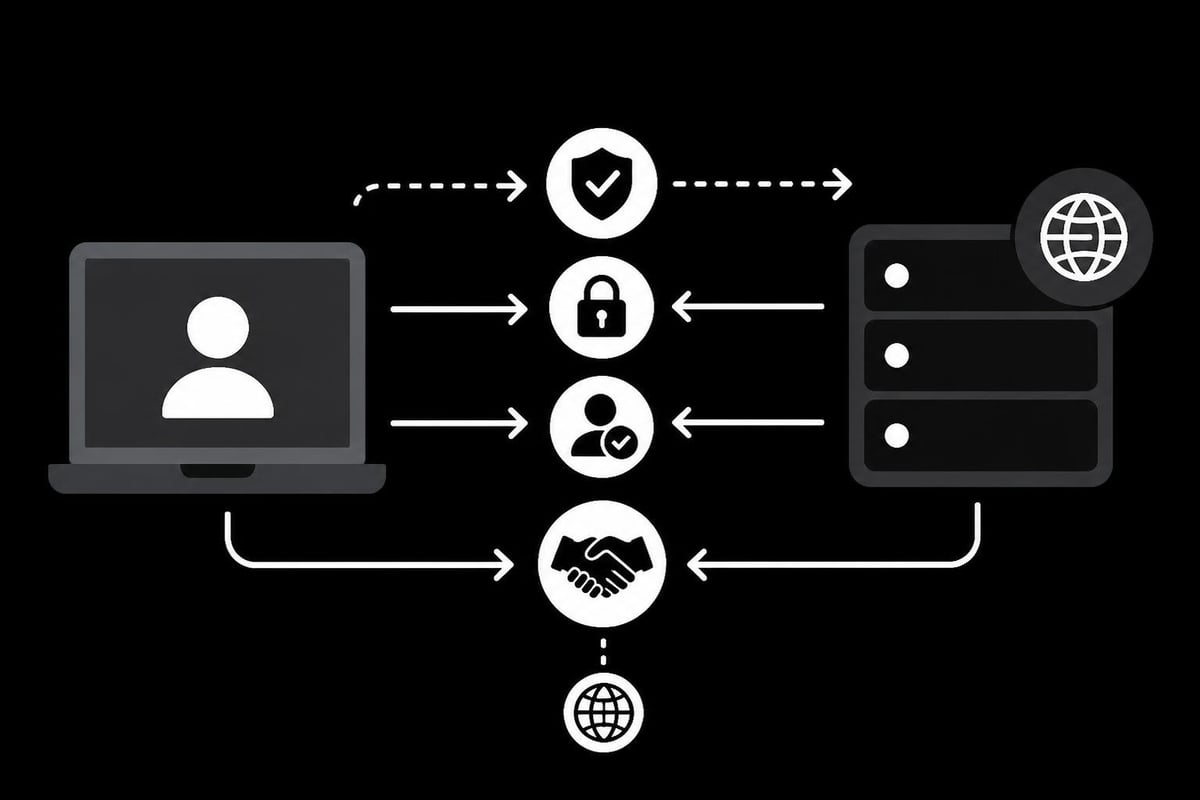
When you configure a private internet access socks5 proxy, the authentication process creates a secure handshake between your client and the proxy server. This happens through username-password combinations or GSS-API methods, preventing unauthorized access to your proxy resources.
The protocol doesn't encrypt traffic by default, which actually contributes to its speed advantage. However, this characteristic makes it essential to combine SOCKS5 with other security measures when handling sensitive data. Many users pair their proxy connections with application-level encryption or tunnel SOCKS5 traffic through encrypted connections for comprehensive protection.
Configuring Private Internet Access SOCKS5 Proxy Across Platforms
Setting up your private internet access socks5 proxy requires different approaches depending on your operating system and intended use case. The configuration process involves identifying proxy server addresses, authentication credentials, and application-specific settings.
Windows Configuration Steps
Windows users can configure SOCKS5 proxies at both system and application levels. For system-wide configuration, navigate to Settings > Network & Internet > Proxy and enter your proxy details. However, for more granular control, application-specific configuration often yields better results.
Popular applications supporting SOCKS5:
- Web browsers (Firefox, Chrome with extensions)
- Torrent clients (qBittorrent, Deluge, Transmission)
- Gaming platforms and launchers
- Development tools and API clients
- Social media management software
For detailed platform-specific instructions, refer to this comprehensive SOCKS5 configuration guide which covers advanced scenarios across multiple operating systems.
macOS and Linux Setup Procedures
Unix-based systems offer powerful command-line options for configuring your private internet access socks5 proxy. On macOS, you can use Network Preferences for GUI-based setup or configure applications individually through their preferences.
Linux users have several methods available, from editing configuration files to using network management tools. The process typically involves modifying proxy environment variables or application-specific configuration files.
| Platform | Configuration Method | Persistence Level | Complexity |
|---|---|---|---|
| Windows | Registry/Settings | System-wide | Medium |
| macOS | Network Preferences | User profile | Low |
| Linux | Environment Variables | Session/Permanent | High |
| Application-specific | Individual Settings | Per-application | Variable |
For detailed setup instructions across different devices, this step-by-step SOCKS5 proxy setup guide provides comprehensive coverage of both desktop and mobile platforms.
Performance Optimization and Speed Considerations
The private internet access socks5 proxy architecture offers inherent speed advantages over full VPN tunnels because it doesn't encrypt traffic at the network layer. This design choice reduces computational overhead, resulting in faster connection speeds and lower latency.
Performance factors that impact proxy speed:
- Geographic distance between you and the proxy server
- Server load and available bandwidth capacity
- Your base internet connection quality
- Application-level optimizations and configurations
- Network congestion and routing efficiency
When evaluating proxy performance, consider that PinguProxy's 10Gbps bandwidth infrastructure ensures minimal bottlenecks even under heavy load conditions. The combination of high-speed connections and strategic server placement creates optimal routing paths for your traffic.
Bandwidth Management and Traffic Prioritization
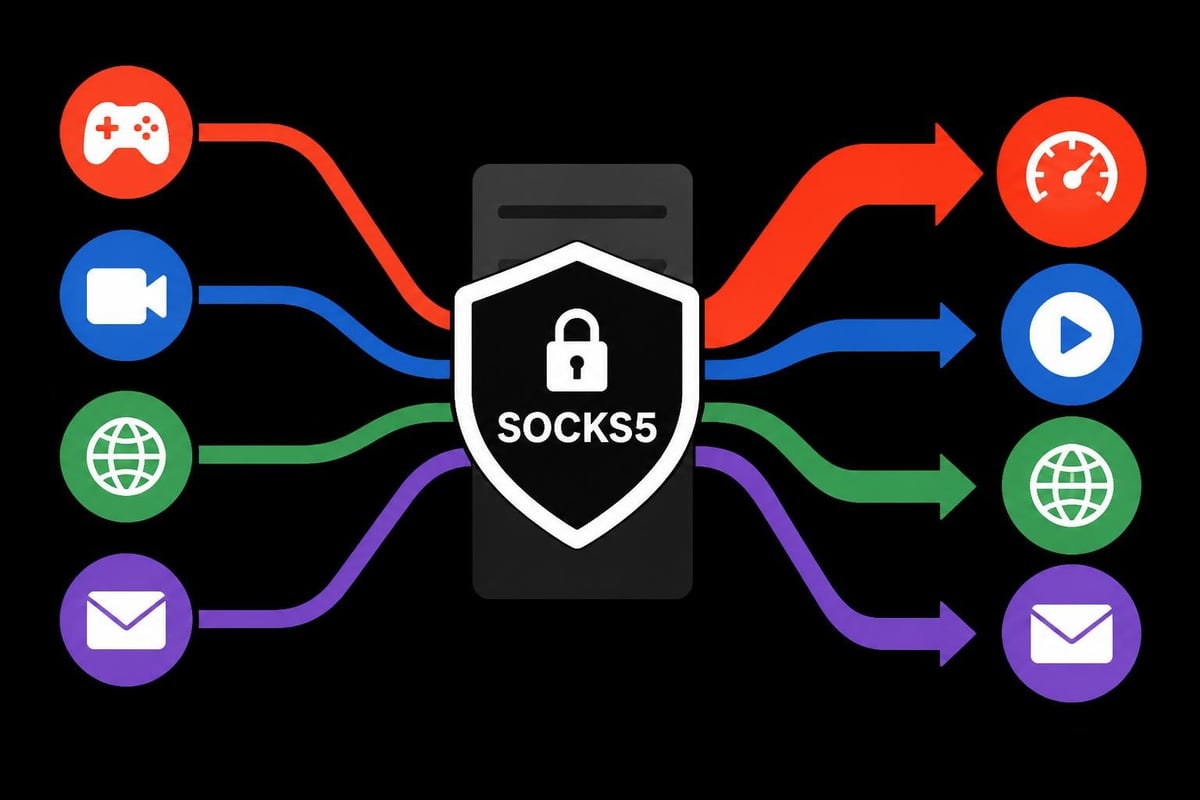
Unlike traditional proxies that treat all traffic equally, advanced implementations allow for traffic prioritization and bandwidth allocation. This becomes particularly important when running multiple applications through your private internet access socks5 proxy simultaneously.
Smart bandwidth management enables you to allocate more resources to time-sensitive applications like gaming or video streaming while allowing background tasks like web scraping to use remaining capacity. Services offering rotating proxy capabilities can further enhance performance by distributing requests across multiple endpoints.
Use Cases and Practical Applications
The versatility of a private internet access socks5 proxy makes it suitable for numerous professional and personal applications. Understanding these use cases helps you optimize configurations for specific scenarios.
Web Scraping and Data Collection
Data extraction operations benefit tremendously from SOCKS5 proxy configurations. The protocol's ability to handle high-volume requests without protocol restrictions makes it ideal for web scraping projects. Researchers and businesses can collect market intelligence, monitor competitor pricing, or aggregate public data efficiently.
Scraping-specific advantages:
- Session persistence across requests
- Reduced detection risk through IP rotation
- Support for authentication on target sites
- Minimal latency for rapid data collection
- Compatibility with popular scraping frameworks
When conducting SERP monitoring or travel aggregation activities, the combination of speed and flexibility proves invaluable for gathering accurate, location-specific data.
Torrent Downloads and P2P Applications
Torrent clients particularly benefit from private internet access socks5 proxy configurations because the protocol natively supports UDP traffic required for peer-to-peer communications. This compatibility ensures full functionality without the overhead of VPN encryption.
Most modern torrent clients allow binding to specific network interfaces, ensuring all P2P traffic routes exclusively through your proxy connection. This configuration prevents IP leaks if the proxy connection drops unexpectedly.
Gaming and Low-Latency Applications
Gamers seeking to reduce ping times or access region-locked content find SOCKS5 proxies particularly effective. The minimal processing overhead compared to VPN encryption can reduce latency by 10-30 milliseconds in optimal conditions.
For competitive gaming where every millisecond counts, this latency reduction can provide tangible advantages. Additionally, accessing game servers in different regions becomes straightforward when using properly configured proxy connections.
Security Considerations and Privacy Protection
While a private internet access socks5 proxy provides anonymity benefits, understanding its security limitations ensures appropriate use for sensitive activities. The protocol itself doesn't encrypt your traffic, making it visible to network observers between you and the proxy server.
Encryption and Data Protection
For maximum security, combine your private internet access socks5 proxy with application-level encryption. When accessing websites via HTTPS, your data remains encrypted end-to-end even without VPN-level encryption. This layered approach balances performance with adequate security for most use cases.
| Security Aspect | SOCKS5 Alone | SOCKS5 + HTTPS | Full VPN | SOCKS5 + VPN |
|---|---|---|---|---|
| IP Masking | Yes | Yes | Yes | Yes |
| Traffic Encryption | No | Partial | Full | Full |
| DNS Leak Protection | Depends | Depends | Yes | Yes |
| Performance Impact | Minimal | Low | Moderate | High |
According to reviews of Private Internet Access VPN services, combining VPN and SOCKS5 technologies offers comprehensive protection for users requiring maximum privacy. However, this combination introduces additional latency and complexity.
DNS Leak Prevention
DNS leaks represent a common privacy vulnerability when using proxy services. These occur when DNS queries bypass your proxy connection, revealing the websites you're visiting to your ISP. Configuring your system to route DNS requests through your private internet access socks5 proxy prevents this information leakage.
DNS protection methods:
- Configure applications to use proxy-aware DNS resolution
- Employ DNS-over-HTTPS or DNS-over-TLS protocols
- Use proxy services with built-in DNS routing
- Implement firewall rules blocking direct DNS queries
- Regularly test for leaks using online detection tools
Advanced Configuration Techniques
Power users can leverage advanced private internet access socks5 proxy configurations to enhance functionality and address specific requirements. These techniques require deeper technical knowledge but offer significant benefits for specialized use cases.
Proxy Chaining and Multi-Hop Routing
Chaining multiple proxies creates additional layers of anonymity by routing traffic through sequential proxy servers. While this increases latency, it makes traffic analysis significantly more difficult for potential adversaries.
The implementation involves configuring your first proxy to connect to a second proxy, which then accesses the internet. Some applications support proxy chains natively, while others require additional software or scripts. For comprehensive setup guidance across various platforms, this SOCKS5 proxy configuration resource covers advanced implementation scenarios.
Automated IP Rotation Strategies
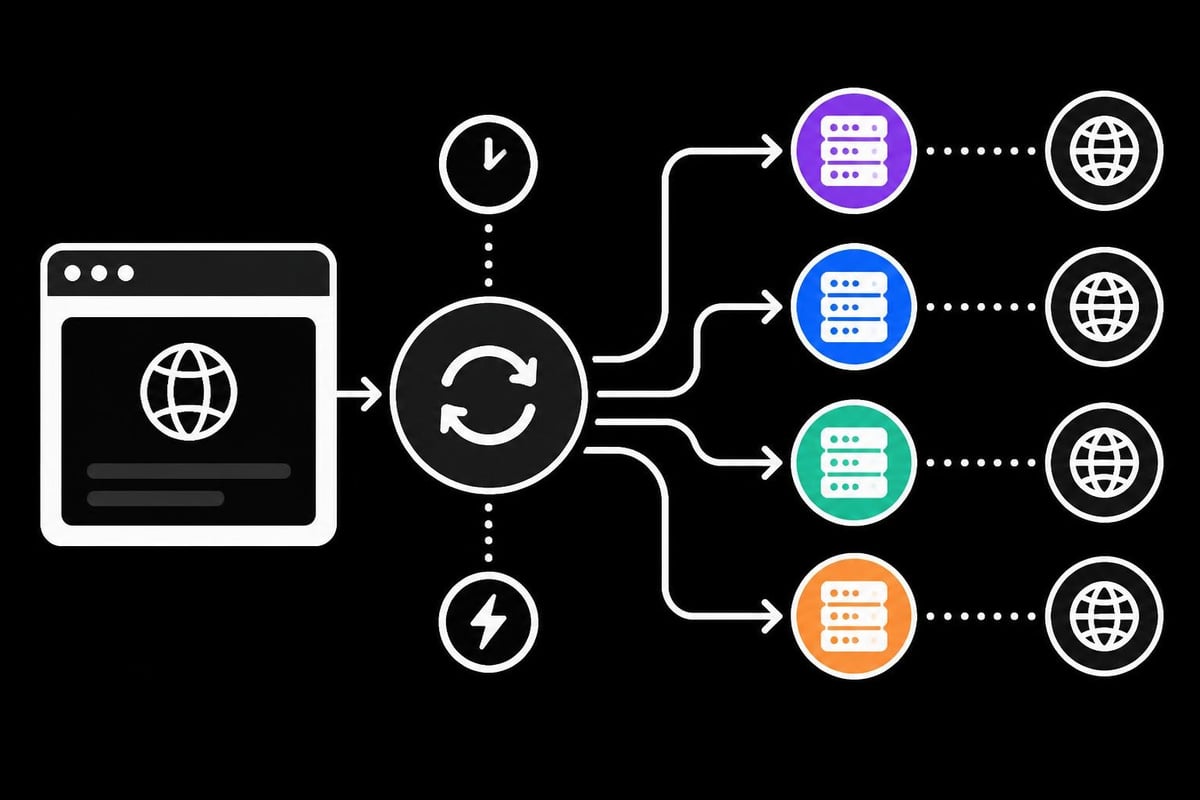
Rotating IP addresses prevents rate limiting and detection during high-volume operations. While basic rotation involves manually switching proxy endpoints, automated solutions dramatically improve efficiency.
Professional proxy services like PinguProxy's rotating proxy feature enable 1ms rotation intervals, ensuring each request originates from a different IP address. This capability proves essential for operations requiring thousands of requests without triggering anti-bot mechanisms.
Protocol Compatibility and Troubleshooting
Not all applications support SOCKS5 proxies natively, requiring workarounds or proxy wrapper solutions. Understanding protocol compatibility issues helps diagnose connection problems and implement appropriate solutions.
Common compatibility challenges:
- Applications lacking native SOCKS5 support
- IPv6 vs IPv4 addressing conflicts
- Authentication method mismatches
- Firewall blocking proxy connections
- DNS resolution configuration errors
When troubleshooting connection timeouts, systematic testing helps identify whether issues stem from proxy configuration, network conditions, or application-specific problems.
Business and Enterprise Applications
Organizations increasingly adopt private internet access socks5 proxy solutions for various business operations. The combination of performance, flexibility, and cost-effectiveness makes SOCKS5 attractive for enterprise deployments.
Market Research and Competitive Intelligence
Companies conducting market research require accurate, location-specific data without geographic restrictions. A properly configured private internet access socks5 proxy enables researchers to view content exactly as it appears to users in different regions.
This capability supports competitive intelligence gathering, pricing analysis, and market trend identification. Businesses can monitor competitor websites, track advertising campaigns, and identify emerging market opportunities across global markets.
Ad Verification and Brand Protection
Digital advertisers need to verify that their campaigns display correctly across different locations and platforms. SOCKS5 proxies enable ad verification specialists to confirm ad placement, detect fraud, and ensure brand safety across diverse geographic markets.
Brand protection teams use similar technology to identify counterfeit products, unauthorized resellers, and trademark violations on e-commerce platforms worldwide. The ability to appear as a local user in any market facilitates thorough investigation and enforcement activities.
Software Development and QA Testing
Development teams performing localization testing rely on proxies to verify application behavior across different regions. Testing geolocation features, content delivery networks, and region-specific functionality requires authentic local IP addresses.
Quality assurance processes benefit from proxy-based testing environments that simulate real-world user conditions. This approach identifies issues that might not appear during traditional testing but affect users in specific geographic locations.
Selecting the Right Proxy Service Provider
Choosing an appropriate provider for your private internet access socks5 proxy needs requires evaluating multiple factors beyond basic functionality. Service quality, reliability, and support significantly impact long-term satisfaction and operational success.
Essential Service Features
Modern proxy services should offer comprehensive feature sets addressing diverse user requirements. When evaluating providers, consider both technical capabilities and business practices that affect service quality.
Critical evaluation criteria:
- Server location diversity and geographic coverage
- Bandwidth allocation and speed guarantees
- Authentication security and access controls
- Documentation quality and setup assistance
- Pricing structure and scalability options
- Customer support responsiveness and expertise
Services providing unlimited bandwidth eliminate concerns about usage caps, particularly important for data-intensive operations like web scraping or continuous monitoring.
Compliance and Privacy Policies
Provider privacy policies directly impact your anonymity and data security. Zero-log policies ensure that no records of your proxy usage are maintained, protecting your privacy even if the provider receives legal requests for information.
Research from institutions like those publishing in academic journals on network security demonstrates the importance of technical implementations backing privacy claims. Verify that providers employ appropriate security measures beyond marketing statements.
Performance Metrics and Reliability
Consistent performance separates professional-grade proxy services from consumer-oriented solutions. Uptime guarantees, speed benchmarks, and infrastructure quality determine whether a service meets business-critical requirements.
Testing proxy performance through available testing tools before committing to long-term contracts helps verify advertised capabilities. Look for providers offering trial periods or money-back guarantees enabling risk-free evaluation.
Integration With Business Workflows
Successfully integrating a private internet access socks5 proxy into existing workflows requires planning and appropriate technical implementation. Automation, monitoring, and error handling ensure smooth operations at scale.
API Integration and Automation
Modern proxy services offer API access for programmatic proxy management. This capability enables developers to create, configure, and rotate proxies dynamically based on application requirements.
For businesses managing large-scale operations, API-driven proxy management integrates seamlessly with existing infrastructure. Automated proxy creation and configuration reduces manual overhead while ensuring consistent implementation across projects.
Monitoring and Analytics
Tracking proxy performance, usage patterns, and potential issues requires comprehensive monitoring solutions. Many proxy services provide dashboards displaying real-time metrics, but integrating this data with your existing analytics platforms offers deeper insights.
Key monitoring metrics:
- Request success/failure rates
- Average response times
- Geographic distribution of requests
- Bandwidth consumption patterns
- Authentication failures and security events
Implementing alerts for anomalous behavior enables rapid response to potential problems before they impact operations significantly.
Team Collaboration and Access Management
Organizations with multiple team members accessing proxy resources need robust access management capabilities. Separate credentials, usage quotas, and permission levels ensure appropriate resource allocation while maintaining security.
Centralized proxy management interfaces simplify administration for teams, enabling coordinators to monitor usage, allocate resources, and troubleshoot issues without requiring deep technical expertise from all team members.
Implementing a private internet access socks5 proxy effectively requires understanding both technical configuration and strategic application selection to match your specific requirements. Whether you're conducting web scraping operations, protecting your privacy, or managing business intelligence gathering, the right proxy solution combined with proper configuration delivers significant operational advantages. PinguProxy provides enterprise-grade proxy infrastructure with high-speed connections, comprehensive protocol support, and flexible rotation capabilities that adapt to your evolving needs, backed by 24/7 support to ensure your operations run smoothly at any scale.