
SOCKS5 Proxies: Complete Guide for 2026
SOCKS5 represents the latest version of the Socket Secure internet protocol, offering a versatile solution for routing network traffic through proxy servers. Unlike traditional HTTP proxies that only handle web traffic, SOCKS5 operates at a lower level, making it compatible with virtually any type of internet connection. This flexibility has made it increasingly popular among businesses and individuals seeking enhanced privacy, security, and the ability to bypass geographical restrictions. Understanding how SOCKS5 works and when to use it can significantly improve your online operations, whether you're conducting web scraping, accessing region-locked content, or protecting sensitive business data.
Understanding SOCKS5 Protocol Architecture
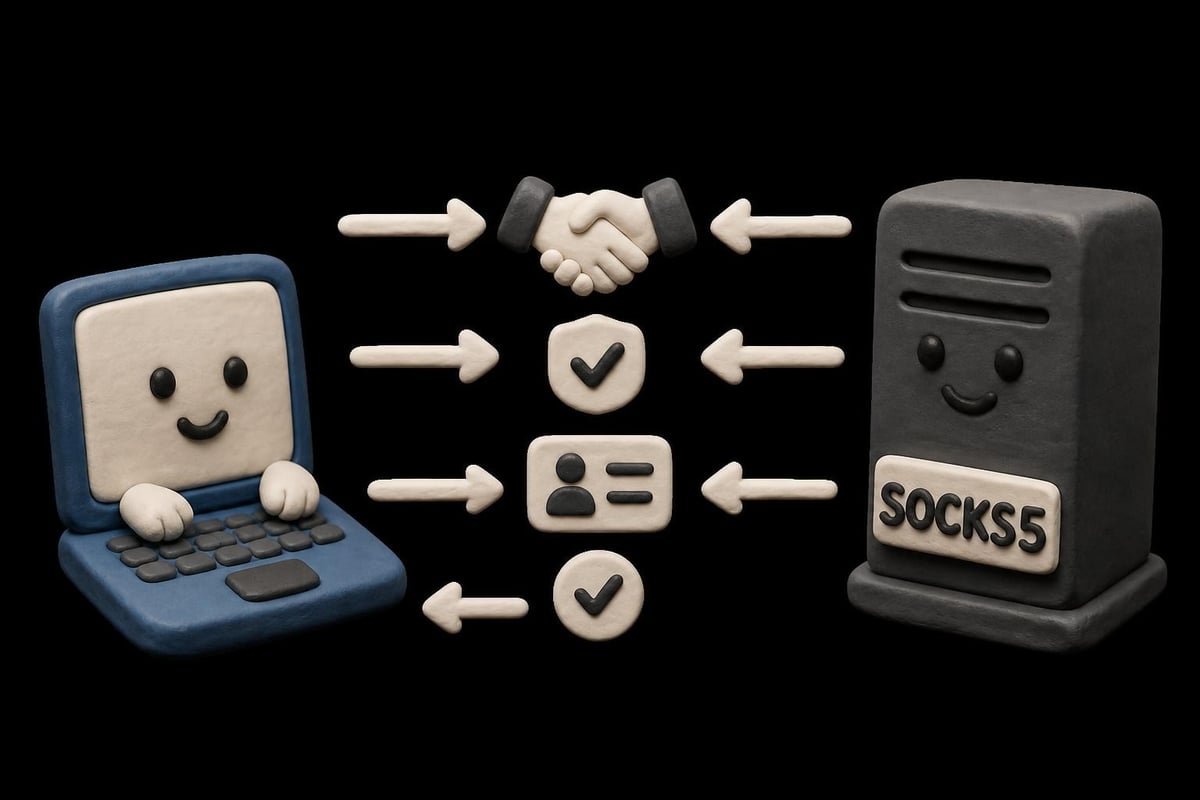
SOCKS5 functions as an intermediary layer between your device and the internet. When you connect through a SOCKS5 proxy, your internet requests are sent to the proxy server first, which then forwards them to the destination server on your behalf.
The protocol operates on Layer 5 of the OSI model, the session layer, which gives it remarkable versatility. This positioning allows SOCKS5 to handle various types of traffic seamlessly:
- Web browsing through HTTP and HTTPS protocols
- File transfers via FTP and torrent clients
- Email communication using SMTP, POP3, and IMAP
- Gaming connections and streaming services
- Peer-to-peer applications and VoIP services
What sets SOCKS5 apart from its predecessor SOCKS4 is support for multiple authentication methods, UDP protocol handling, and IPv6 compatibility. These enhancements make it considerably more secure and functional for modern internet applications.
Key Technical Improvements
The authentication mechanisms in SOCKS5 include username/password combinations, GSS-API methods, and even no authentication for testing environments. This flexibility allows organizations to implement security protocols that match their specific requirements.
| Feature | SOCKS4 | SOCKS5 |
|---|---|---|
| UDP Support | No | Yes |
| IPv6 Support | No | Yes |
| Authentication | Basic | Multiple methods |
| DNS Resolution | Client-side | Server-side |
| Performance | Moderate | High |
Comparing SOCKS5 to Other Proxy Types
When evaluating proxy solutions, understanding the distinctions between SOCKS5 and alternatives like HTTP proxies helps in making informed decisions. Each protocol type serves different purposes and excels in specific scenarios.
HTTP proxies work exclusively with web traffic, interpreting and modifying HTTP requests. While this makes them excellent for web scraping and content filtering, they're limited to browser-based activities. HTTP proxies excel at caching web content and filtering URLs but cannot handle non-HTTP protocols.
SOCKS5 advantages include:
- Protocol agnostic design supporting any type of internet traffic
- Enhanced privacy through minimal data logging
- Faster speeds due to lighter packet inspection
- Better error handling and connection reliability
- UDP support enabling real-time applications
The socks proxy service market has grown substantially because businesses need solutions that work beyond simple web browsing. Gaming servers, cryptocurrency trading platforms, and enterprise applications often require the comprehensive protocol support that only SOCKS5 provides.
Performance Benchmarks
Speed is a critical factor when selecting proxy infrastructure. SOCKS5 typically outperforms HTTP proxies because it doesn't modify packet headers or inspect content deeply. This streamlined approach reduces processing overhead.
Research from academic studies on proxy ecosystems reveals that well-maintained SOCKS5 proxies demonstrate lower latency and higher throughput compared to HTTP alternatives. The performance advantage becomes particularly noticeable when handling large data transfers or maintaining persistent connections.
Practical Applications and Use Cases
SOCKS5 proxies serve diverse purposes across business and personal contexts. Their versatility makes them suitable for situations requiring both security and flexibility.
Web Scraping and Data Collection
For businesses engaged in competitive intelligence or market research, SOCKS5 proxies provide reliable access to web data without triggering anti-bot mechanisms. The protocol's ability to rotate IP addresses quickly helps distribute requests across multiple endpoints.
Companies using residential and datacenter proxy networks can leverage SOCKS5 to scrape pricing information, monitor competitor websites, and aggregate product listings. The protocol handles JavaScript-heavy sites and AJAX requests more gracefully than some HTTP proxy configurations.
Gaming and Streaming Applications
Gamers use SOCKS5 proxies to reduce ping times, access region-locked servers, and protect against DDoS attacks. The UDP support is essential for real-time multiplayer games where packet loss and latency directly impact performance.
Streaming services increasingly restrict content based on geographic location. SOCKS5 proxies enable access to international content libraries while maintaining the bandwidth necessary for high-definition video streaming.

Business Security and Remote Access
Organizations implement SOCKS5 proxies to secure remote employee connections and protect internal resources. When configured properly, they create an additional security layer that masks internal network architecture from external threats.
| Use Case | Benefits | Considerations |
|---|---|---|
| Web Scraping | IP rotation, protocol flexibility | Requires quality provider |
| Gaming | Lower latency, DDoS protection | UDP support essential |
| Streaming | Geographic access, bandwidth | Speed requirements high |
| Business VPN | Enhanced security, anonymity | Authentication setup needed |
Setting Up and Configuring SOCKS5 Proxies
Implementing SOCKS5 proxies requires attention to configuration details to ensure optimal performance and security. The setup process varies depending on your operating system and intended application.
Most modern operating systems and applications support SOCKS5 configuration natively. The setup process typically involves specifying the proxy server address, port number, and authentication credentials.
Configuration Best Practices
Windows Configuration:
- Navigate to Network & Internet settings
- Select Proxy settings
- Enable manual proxy setup
- Enter SOCKS5 server details and port (typically 1080)
- Configure authentication if required
MacOS and Linux users can configure SOCKS5 through network preferences or by modifying application-specific settings. Many command-line tools like curl and wget support SOCKS5 through simple flag additions.
Application-Specific Setup
Browser configuration allows selective routing of web traffic through SOCKS5 proxies. Firefox offers native SOCKS5 support in its connection settings, while Chrome users often rely on system-wide proxy configurations or extensions.
Torrent clients like qBittorrent and Deluge include dedicated SOCKS5 settings that route peer-to-peer traffic exclusively through the proxy. This configuration protects your real IP address while maintaining fast download speeds.
To verify your SOCKS5 proxy is working correctly, you should test for IP leaks and confirm that DNS requests are properly routed. DNS leaks occur when your system bypasses the proxy for domain name resolution, potentially exposing your location.
Choosing Quality SOCKS5 Proxy Providers
The proxy market offers numerous options, from free public proxies to premium enterprise solutions. Understanding the trade-offs helps in selecting services aligned with your requirements and budget.
Free vs. Premium Proxies
Free SOCKS5 proxies attract users seeking zero-cost solutions, but they carry significant risks. Public proxy lists like those found on proxy aggregation sites typically feature unstable connections, slow speeds, and questionable security practices.
Risks of free SOCKS5 proxies:
- Data interception and privacy violations
- Malware injection through compromised servers
- Unreliable uptime and frequent disconnections
- Bandwidth throttling during peak usage
- No customer support or service guarantees
Premium providers invest in infrastructure that delivers consistent performance. Professional SOCKS5 providers maintain vast proxy pools, implement proper security measures, and offer technical support when issues arise.
Evaluation Criteria for Providers
When comparing proxy services, consider these essential factors:
| Factor | Importance | What to Look For |
|---|---|---|
| Speed | Critical | 10Gbps+ bandwidth, low latency |
| Reliability | Critical | 99%+ uptime, redundant servers |
| Security | High | Zero-log policy, encryption |
| Support | High | 24/7 availability, technical expertise |
| IP Pool Size | Medium | Thousands of unique IPs |
| Geographic Coverage | Medium | Locations matching your needs |
Authentication and security features should include encrypted connections and secure credential storage. Providers implementing 1ms proxy rotation capabilities offer enhanced anonymity for sensitive operations.
Consider whether you need residential, datacenter, or mobile proxies. Datacenter proxies offer maximum speed but may be easier to detect. Residential proxies appear as legitimate home connections, making them ideal for web scraping and accessing restricted services.
Advanced SOCKS5 Features and Optimization
Beyond basic connectivity, SOCKS5 offers advanced capabilities that power users and businesses can leverage for enhanced performance and security.
Proxy Chaining and Cascading
Proxy chaining routes connections through multiple SOCKS5 servers sequentially, adding layers of anonymity. While this increases security, it also introduces latency and potential failure points.
The technique proves valuable when maximum anonymity is required, such as investigative journalism or sensitive business intelligence. Each additional hop makes traffic analysis significantly more difficult.
Bandwidth Management
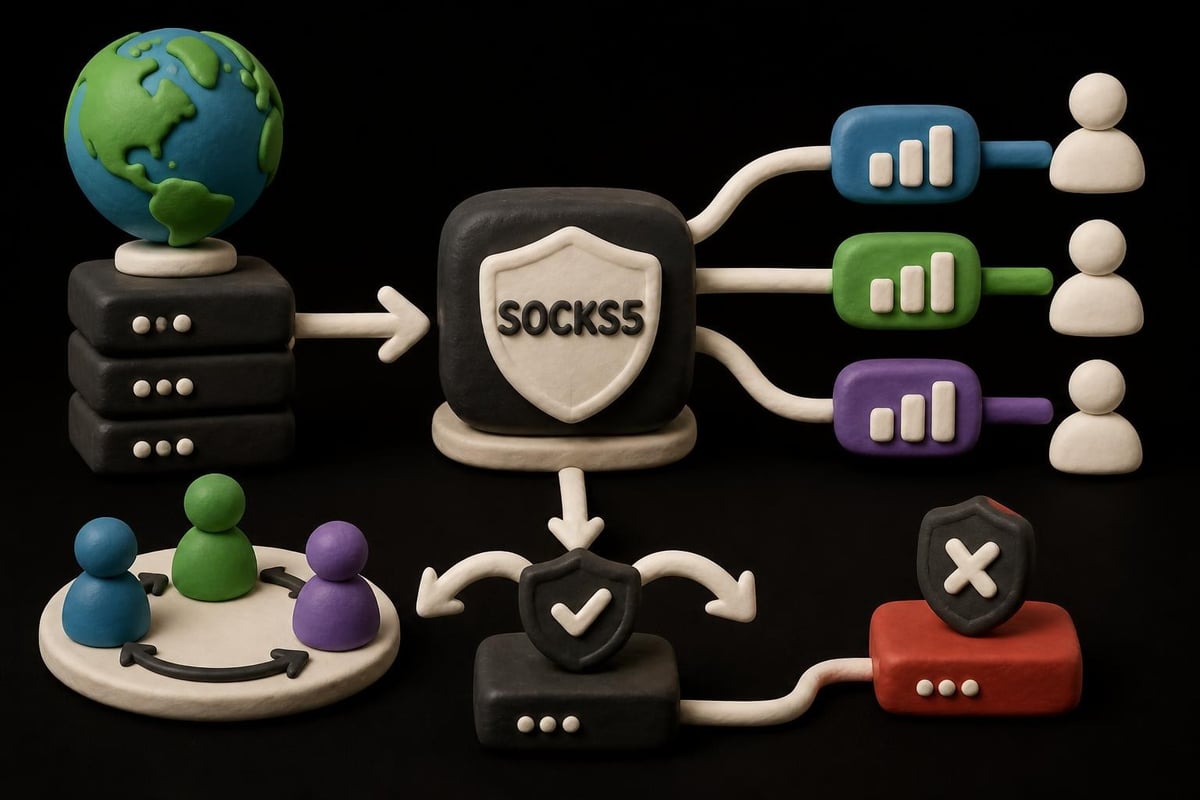
Quality SOCKS5 implementations include bandwidth allocation features that prevent individual connections from monopolizing resources. This becomes crucial when running multiple concurrent scraping operations or supporting many users.
IPv6 Support and Dual-Stack Configuration
As the internet transitions to IPv6, SOCKS5 proxy support for both IPv4 and IPv6 becomes essential. Dual-stack configurations ensure compatibility with all websites and services regardless of their IP version.
Businesses requiring both protocols should verify their provider supports seamless IPv6 routing. This capability prevents connectivity issues and ensures future-proof infrastructure as more services adopt IPv6.
Troubleshooting Common SOCKS5 Issues
Even properly configured SOCKS5 proxies occasionally encounter problems. Understanding common issues and their solutions minimizes downtime and maintains productivity.
Connection Failures
When SOCKS5 connections fail, the issue typically stems from incorrect server addresses, blocked ports, or authentication problems. Verify that firewall rules permit outbound connections on the specified port.
Network administrators should confirm that no intermediate routers or firewalls block SOCKS5 traffic. Some corporate networks restrict proxy protocols as security measures.
DNS Leaks and Privacy Concerns
DNS leaks represent a serious privacy risk where your ISP can see which domains you access despite using a proxy. Configure applications to route DNS queries through the SOCKS5 proxy rather than using system DNS servers.
Testing tools help identify whether your configuration properly protects DNS requests. Regular verification ensures ongoing privacy protection as system updates or application changes don't inadvertently bypass proxy settings.
Performance Degradation
Slow proxy connections may result from server overload, routing inefficiencies, or bandwidth limitations. Premium providers typically maintain spare capacity and implement intelligent load balancing.
Performance optimization steps:
- Test multiple servers from your provider's pool
- Verify your local internet connection isn't the bottleneck
- Check for bandwidth-heavy applications consuming resources
- Consider upgrading to higher-tier service plans
- Monitor for DNS resolution delays
Geographic proximity between your location and the proxy server significantly impacts latency. Choosing servers in nearby regions typically delivers better response times than distant alternatives.
Security Considerations for SOCKS5 Deployment
While SOCKS5 provides privacy benefits, it's not a complete security solution. Understanding its limitations helps implement appropriate supplementary measures.
Encryption and Data Protection
Standard SOCKS5 doesn't encrypt traffic between your device and the proxy server. This means your ISP or network administrator can potentially see unencrypted data, though they cannot determine the final destination beyond the proxy.
Combining SOCKS5 with application-level encryption (HTTPS, TLS) provides comprehensive protection. This layered approach ensures data remains secure throughout its journey.
Authentication Security
Strong authentication prevents unauthorized proxy access. Use complex, unique passwords for SOCKS5 credentials and rotate them regularly. Avoid sharing authentication details across multiple services or users.
For enterprise proxy deployments, implement centralized credential management and audit logging. These practices help track usage patterns and identify potential security breaches.
Compliance and Legal Considerations
Organizations using SOCKS5 proxies must consider regulatory requirements regarding data privacy and internet access. Different jurisdictions impose varying restrictions on proxy usage and data handling.
Maintain clear policies about acceptable proxy use and ensure compliance with relevant regulations like GDPR, CCPA, or industry-specific requirements. Documentation helps demonstrate due diligence during audits or legal reviews.
SOCKS5 proxies deliver exceptional versatility and performance for businesses and individuals requiring secure, flexible internet connectivity across diverse applications. The protocol's ability to handle any type of traffic while maintaining speed and privacy makes it invaluable for web scraping, accessing global content, and protecting sensitive operations. Whether you need to gather competitive intelligence, secure remote connections, or access region-restricted services, PinguProxy provides high-speed SOCKS5 support across datacenter, residential, and mobile proxy networks with unlimited bandwidth, zero-logging policies, and 24/7 expert support to ensure your operations run smoothly and securely.