
Cheap Data Center Proxies: Complete 2026 Guide
Data center proxies have become an essential tool for businesses and individuals who need reliable internet access without breaking the bank. As we navigate through 2026, the demand for affordable proxy solutions continues to grow alongside increasing privacy concerns and the need for data collection at scale. Understanding how to select cheap data center proxies while maintaining quality and performance can significantly impact your operational efficiency and budget.
Understanding Data Center Proxies and Their Value
Data center proxies are IP addresses provided by secondary corporations, not internet service providers. These proxies route your internet traffic through servers housed in data centers, offering a layer of anonymity and the ability to access content from different geographic locations.
The cost advantage of data center proxies stems from several factors:
- Centralized infrastructure reduces operational overhead
- Bulk IP availability lowers per-unit pricing
- Automated management systems minimize manual intervention
- Shared resources across multiple users spread costs
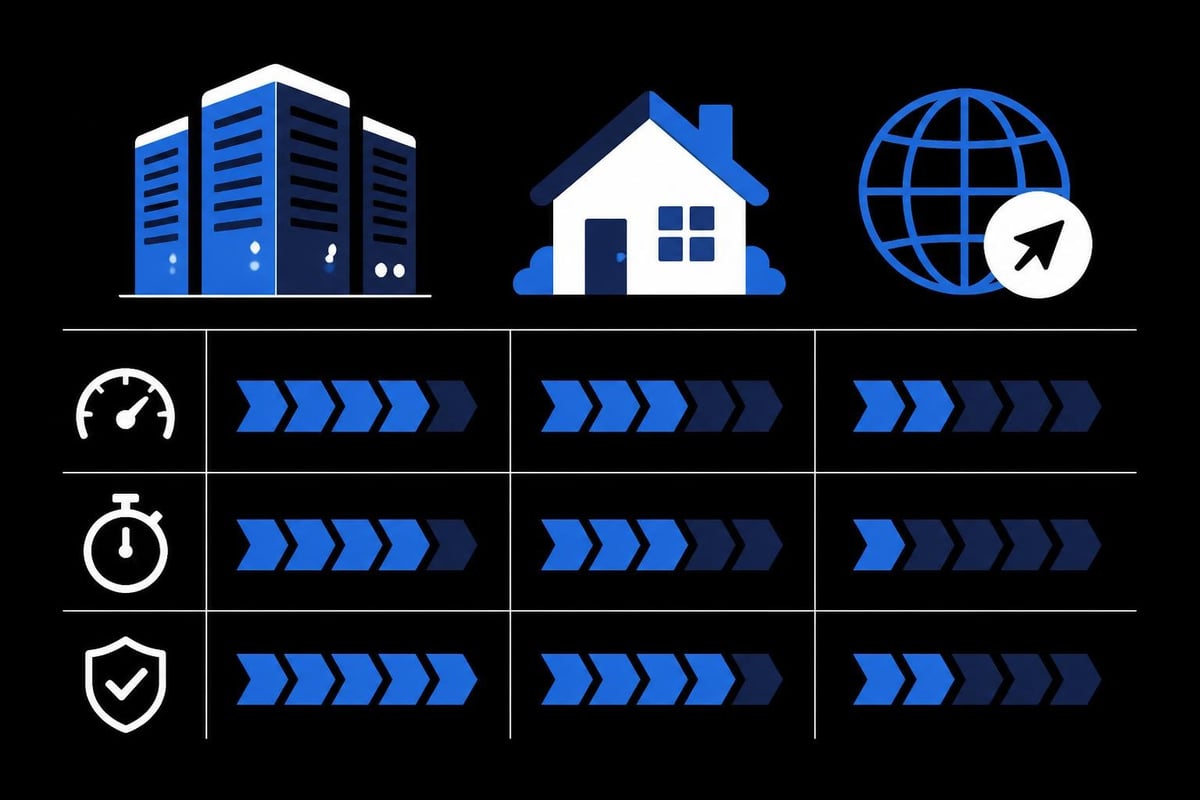
Unlike residential proxies that use real user devices, data center proxies operate entirely through server infrastructure. This fundamental difference explains why they typically cost 60-80% less than residential alternatives while delivering significantly faster speeds.
Speed and Performance Characteristics
When evaluating cheap data center proxies, speed remains a critical consideration. Data center connections typically offer speeds between 100 Mbps and 10 Gbps, far exceeding most residential connections. This performance advantage makes them ideal for bandwidth-intensive tasks like large-scale web scraping or streaming content delivery.
The latency with data center proxies often measures below 5 milliseconds in optimal configurations. For comparison, residential proxies typically range from 50-200 milliseconds depending on the actual device location and connection quality.
Pricing Models and Cost Structures
The pricing landscape for cheap data center proxies varies considerably across providers. Understanding these models helps you optimize your spending while meeting your specific requirements.
| Pricing Model | Typical Range | Best For | Limitations |
|---|---|---|---|
| Pay-per-IP | $1-$5/IP/month | Specific location needs | Higher cost at scale |
| Bandwidth-based | $3-$15/GB | Variable usage patterns | Overage charges |
| Unlimited plans | $50-$300/month | Heavy consistent use | Potential throttling |
| Custom enterprise | Negotiated | Large-scale operations | Minimum commitments |
Monthly unlimited plans typically offer the best value for users requiring consistent, high-volume access. These plans eliminate usage anxiety and provide predictable monthly costs. According to TechRadar's analysis of the cheapest proxy servers, the market has seen significant price compression in 2026, with many providers now offering competitive unlimited packages.
Hidden Costs to Consider
Beyond the advertised price, several factors can affect your total cost of ownership. Setup fees, which range from $0 to $100, appear with some premium providers. Support packages may carry additional monthly charges, particularly for 24/7 availability or dedicated account management.
Overage charges deserve special attention in bandwidth-based plans. Some providers charge $0.50-$2.00 per GB over your allocation, which can quickly escalate costs during peak usage periods. Always calculate your maximum potential monthly cost before committing to a plan.
Key Features That Define Quality Proxies
Price matters, but the cheapest option rarely delivers optimal value. Several features distinguish reliable cheap data center proxies from problematic services that cost more in the long run through downtime and inefficiency.
IP Pool Size and Diversity
A robust IP pool provides rotation options and reduces the risk of blocks. Quality providers maintain pools ranging from 10,000 to several million IPs spread across multiple subnets and data centers. This diversity proves essential for tasks requiring geographic variety or high rotation frequencies.
Geographic coverage impacts your ability to access region-specific content. Look for providers offering IPs in your target markets. While some services concentrate on North American and European locations, others provide broader global coverage including Asia-Pacific, Latin America, and Africa.
The subnet diversity within these locations matters equally. IPs clustered in the same subnet range face higher blocking risks, as many websites flag entire subnets when detecting suspicious activity from even a single IP.
Rotation Capabilities and Session Control
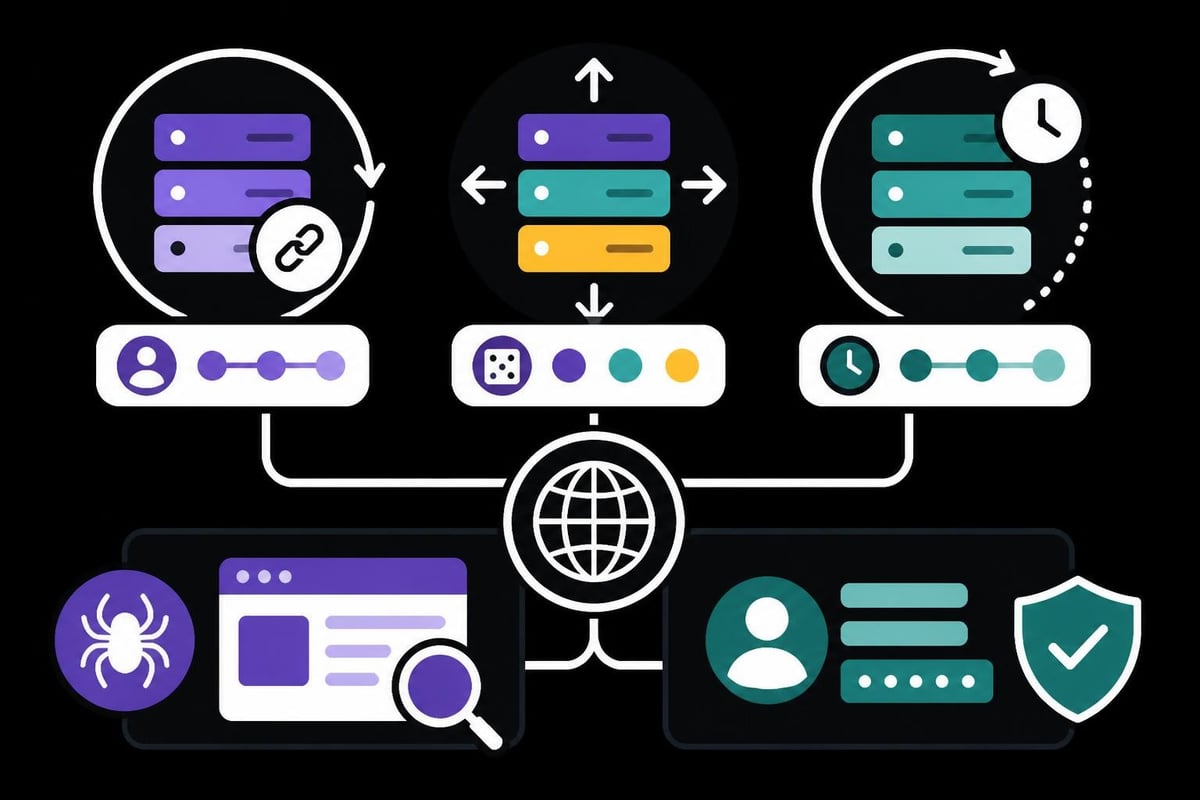
Modern proxy services offer various rotation strategies:
- Sticky sessions maintain the same IP for specified durations (1-30 minutes typically)
- Random rotation assigns new IPs for each request
- Timed rotation switches IPs at predetermined intervals
- API-triggered rotation allows manual IP changes on demand
These options provide flexibility for different use cases. Web scraping often benefits from random rotation to avoid pattern detection, while account management tasks require sticky sessions to prevent authentication failures.
Common Use Cases and Applications
Understanding how businesses leverage cheap data center proxies helps identify whether this solution fits your needs. The applications span numerous industries and technical requirements.
Web Scraping and Data Collection
Data center proxies excel at large-scale web scraping operations where speed outweighs the need for residential IP authenticity. E-commerce price monitoring, competitor analysis, and market research firms rely heavily on these proxies to gather information efficiently.
Scraping performance metrics typically show:
- 500-2,000 requests per minute per IP
- 95-99% success rates for public data
- Sub-second response times for most websites
- Minimal CAPTCHA challenges on non-restricted sites
For businesses requiring specialized proxy configurations, understanding your scraping target's anti-bot measures determines proxy requirements. Some sites actively block data center IPs, necessitating residential alternatives, while others impose no restrictions.
SEO Monitoring and Rank Tracking
Digital marketing agencies and SEO professionals use cheap data center proxies to check search engine rankings across different locations without bias from personalized results. This application requires geographic diversity but doesn't demand the authenticity of residential IPs.
SEO proxy services for rank tracking have evolved to provide more accurate location targeting and faster result retrieval. The combination of speed and affordability makes data center proxies the standard choice for daily rank monitoring across hundreds or thousands of keywords.
Social Media Management
Managing multiple social media accounts requires unique IP addresses to avoid platform restrictions. While residential proxies offer better authenticity for critical operations, data center proxies serve well for routine tasks like content scheduling, analytics monitoring, and engagement tracking.
The cost efficiency becomes particularly relevant for agencies managing dozens of client accounts. Using a dedicated IP for each account or client segment maintains separation without excessive expense.
Evaluating Provider Reliability and Support
Technical specifications matter, but provider reliability ultimately determines your operational success. Several indicators help assess whether a cheap data center proxy service delivers consistent performance.
Uptime Guarantees and Infrastructure
Reputable providers offer uptime guarantees ranging from 95% to 99.9%. This translates to acceptable downtime between 7 hours and 45 minutes monthly. For critical applications, target providers offering at least 99% uptime with service level agreements backing these commitments.
Infrastructure transparency signals provider maturity:
- Published data center locations and tier ratings
- Network capacity specifications and backbone providers
- Redundancy measures and failover capabilities
- Real-time status pages showing current performance
When reviewing options like Bright Data, examine how providers communicate about their infrastructure and handle service disruptions.
Customer Support Availability
Technical issues inevitably arise, making responsive support essential. Support models vary significantly across the cheap proxy landscape:
| Support Level | Response Time | Channels | Availability |
|---|---|---|---|
| Basic email | 24-48 hours | Email only | Business hours |
| Standard | 4-12 hours | Email, ticket | Extended hours |
| Premium | 1-4 hours | Email, chat, ticket | 24/7 |
| Enterprise | <1 hour | All channels, phone | 24/7 dedicated |
Budget providers often limit support to email during business hours, which suffices for non-critical applications. However, operations requiring continuous uptime justify paying slightly more for comprehensive support coverage.
Security and Privacy Considerations
Using cheap data center proxies introduces security implications that require careful evaluation. The intermediary nature of proxies means your traffic passes through third-party infrastructure, creating potential vulnerabilities.
Data Logging and Privacy Policies
Zero-log policies have become standard marketing language, but implementation varies widely. Scrutinize privacy policies to understand what data gets collected, stored, and potentially shared.
Critical questions to ask providers include:
- Do you log IP addresses and timestamps?
- How long is connection metadata retained?
- Under what circumstances do you share user data?
- Where are your servers physically located?
Geographic location matters because different jurisdictions impose varying data retention requirements and surveillance laws. Providers operating in privacy-friendly jurisdictions like Switzerland or Iceland typically offer stronger protection than those in countries with mandatory data retention laws.
Encryption and Protocol Support
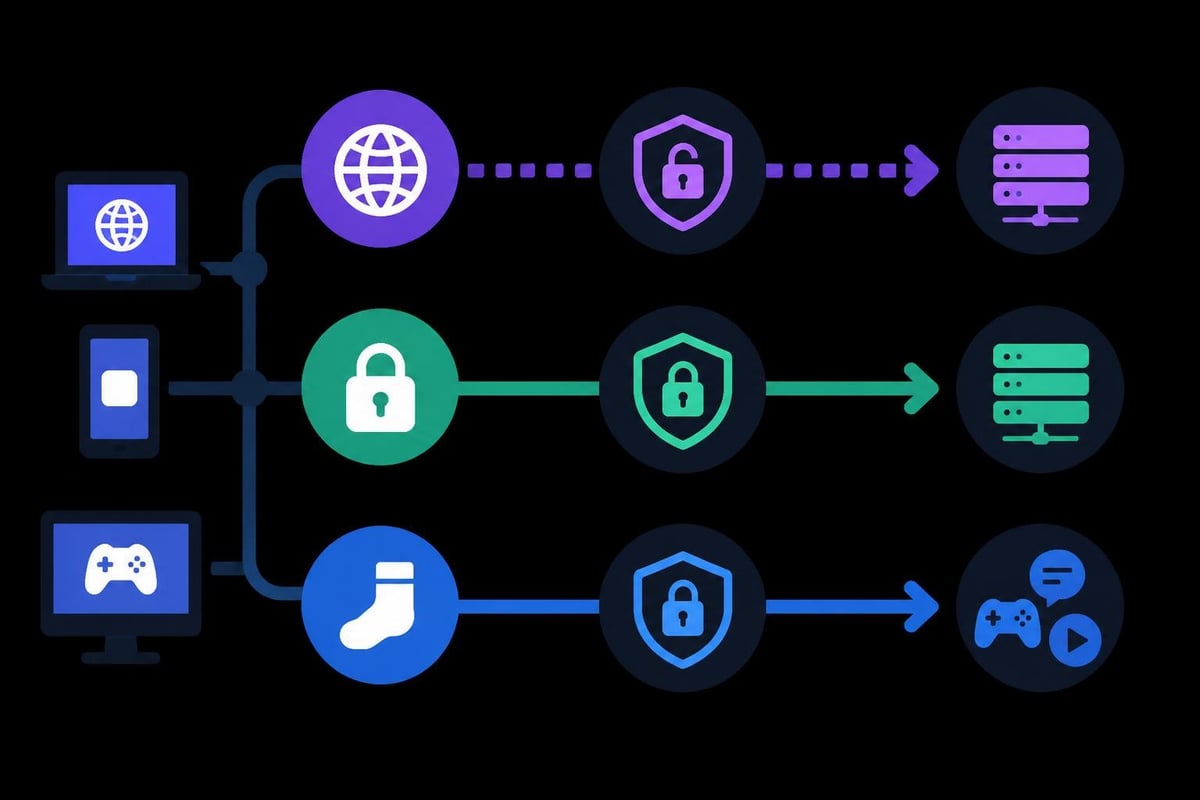
Modern proxy implementations should support HTTPS connections, ensuring end-to-end encryption for your data. HTTP-only proxies expose traffic to potential interception, creating security risks for sensitive operations.
Protocol support extends beyond encryption. SOCKS5 proxies offer greater flexibility than HTTP/HTTPS alternatives, supporting any type of traffic including UDP. This versatility matters for applications beyond web browsing, such as gaming or P2P file sharing.
Comparing Data Center and Residential Proxies
The decision between cheap data center proxies and residential alternatives depends heavily on your specific requirements. Each type offers distinct advantages and limitations that suit different applications.
Residential proxies use IP addresses assigned by internet service providers to actual homes, making them appear as regular users. This authenticity comes at a premium, with prices typically 5-10 times higher than data center equivalents. However, residential IPs face lower blocking rates on restricted platforms and bypass sophisticated anti-bot systems more effectively.
Data center proxies shine in scenarios prioritizing:
- Speed and bandwidth for data-intensive tasks
- Cost efficiency for large-scale operations
- Stability and predictable performance
- Technical control and customization options
Conversely, residential proxies better serve applications requiring maximum authenticity, such as sneaker copping, accessing heavily protected streaming services, or managing high-value social media accounts.
The emergence of mobile proxies adds another dimension to this comparison. These proxies use cellular network IPs, offering residential-level authenticity with unique advantages for mobile-specific applications. However, they command even higher prices than residential proxies.
Technical Implementation and Integration
Successfully deploying cheap data center proxies requires proper technical setup and integration with your existing systems or applications. The implementation complexity varies based on your use case and technical expertise.
Authentication Methods
Providers typically offer two authentication approaches:
- Username and password authentication works universally across applications but requires credentials with each connection
- IP whitelisting offers simpler setup by authorizing specific IP addresses to access the proxy service without credentials
IP whitelisting provides better security and convenience for static server environments, while username/password authentication suits dynamic IP situations like working from different locations or devices.
Configuration Examples
Most applications support proxy configuration through settings or environment variables. Web scraping tools, browsers, and automation software typically include built-in proxy support requiring only the proxy address, port, and authentication details.
For command-line tools and scripts, environment variables like HTTP_PROXY and HTTPS_PROXY provide universal configuration:
API integration represents another common implementation path. Modern proxy providers offer RESTful APIs for dynamic proxy management, allowing programmatic access to features like IP rotation, geographic targeting, and usage statistics.
Avoiding Common Pitfalls and Scams
The budget proxy market attracts both legitimate providers and fraudulent operations. Recognizing warning signs helps avoid costly mistakes and security compromises.
Red Flags in Proxy Services
Unrealistically low pricing often signals oversold infrastructure or outright scams. When providers advertise unlimited access to millions of IPs for $10 monthly, the service likely involves severely throttled speeds, constant downtime, or IPs flagged by major websites.
Lack of transparency about infrastructure and ownership raises concerns. Legitimate providers openly share company information, data center locations, and contact details. Anonymous services operating through cryptocurrency-only payments often disappear overnight with customer funds.
Additional warning signs include:
- No trial period or money-back guarantee
- Exclusively positive reviews without critical feedback
- Unavailable or unhelpful customer support before purchase
- Vague terms of service and privacy policies
Services like free proxy options or public proxies carry inherent risks beyond paid cheap data center proxies, including security vulnerabilities, unreliable performance, and potential data harvesting.
Testing Before Commitment
Reputable providers offer trial periods or money-back guarantees, enabling proper testing before long-term commitment. During evaluation, test critical factors like connection speed, IP reputation, rotation functionality, and support responsiveness.
IP reputation checks verify whether proxy IPs appear on spam or abuse blacklists. Free tools like MXToolbox or IPVoid reveal if IPs carry negative history that could impact your operations. Testing with your actual target websites ensures compatibility and acceptable success rates.
Optimizing Your Proxy Configuration
Getting maximum value from cheap data center proxies extends beyond initial selection. Proper configuration and ongoing optimization ensure efficient operation and longevity.
Bandwidth Management
Monitoring bandwidth usage prevents unexpected overage charges and helps identify inefficient scripts or processes. Most providers offer dashboards showing real-time and historical usage patterns, enabling proactive management.
Optimization strategies include:
- Compressing data transfers where possible
- Filtering unnecessary content like images for text-only scraping
- Implementing request throttling to respect rate limits
- Scheduling high-bandwidth tasks during off-peak periods
For users needing rotating proxy solutions, balancing rotation frequency against bandwidth consumption prevents waste while maintaining anonymity.
Error Handling and Retry Logic
Robust error handling distinguishes reliable automation from fragile scripts that fail at the first problem. Implement exponential backoff for retries, starting with short delays and progressively increasing wait times between attempts.
Different error codes require different responses. HTTP 429 (Too Many Requests) signals rate limiting, suggesting slower request rates or IP rotation. HTTP 403 (Forbidden) may indicate blocked IPs requiring different proxy selection or residential alternatives.
Connection timeouts deserve special attention in proxy configurations. Setting appropriate timeout values prevents indefinite waits while allowing sufficient time for slower responses. Typical timeout ranges span 10-60 seconds depending on expected response times.
Future Trends in Budget Proxy Services
The proxy industry continues evolving rapidly, with several trends shaping the landscape of cheap data center proxies in 2026 and beyond. Understanding these developments helps inform long-term planning and provider selection.
IPv6 Adoption and Availability
IPv6 proxies represent an emerging segment offering potential cost advantages and expanded address availability. The virtually unlimited IPv6 address space enables providers to offer larger pools at lower costs compared to IPv4 scarcity.
Current adoption remains limited, with many websites still prioritizing IPv4 support. However, as IPv6 deployment accelerates globally, these proxies will become increasingly viable for mainstream applications. Early adopters gain access to less-detected IP ranges, though compatibility testing remains essential.
AI-Driven Proxy Management
Machine learning integration optimizes proxy selection and rotation strategies based on success rates and target website characteristics. These systems automatically identify the best IPs for specific tasks, adapt rotation timing, and predict blocking patterns before they occur.
Advanced providers now offer AI-powered features like automatic CAPTCHA solving, smart retry logic, and dynamic speed optimization. While these capabilities currently command premium prices, broader availability will eventually reach budget-tier services.
Consolidation and Market Maturation
The proxy market has seen significant consolidation in recent years, with larger providers acquiring smaller competitors to expand capabilities and geographic coverage. This trend continues in 2026, creating fewer but more comprehensive service options.
For consumers, consolidation brings advantages like improved reliability, broader feature sets, and competitive pricing pressure. However, it also reduces market diversity and potentially limits specialized niche offerings that smaller providers previously delivered.
Selecting cheap data center proxies requires balancing cost against performance, reliability, and features that match your specific requirements. The market offers abundant options across various price points, making thorough evaluation essential to avoid subpar services while maximizing value. Whether you need proxies for web scraping, SEO monitoring, or other applications, PinguProxy delivers high-speed data center and mobile proxies with 10Gbps bandwidth, unlimited access, and 24/7 support to ensure your operations run smoothly without compromising on quality or security.