
Free SOCKS Proxy: What You Need to Know in 2026
Finding a reliable free socks proxy might seem like an attractive option for users looking to mask their IP address or bypass geographic restrictions without spending money. However, the reality of using free proxy services involves significant trade-offs that many users don't fully understand until it's too late. While free proxies can technically route your internet traffic through intermediary servers, they often come with hidden costs that impact your privacy, security, and overall online experience.
Understanding SOCKS Proxy Technology
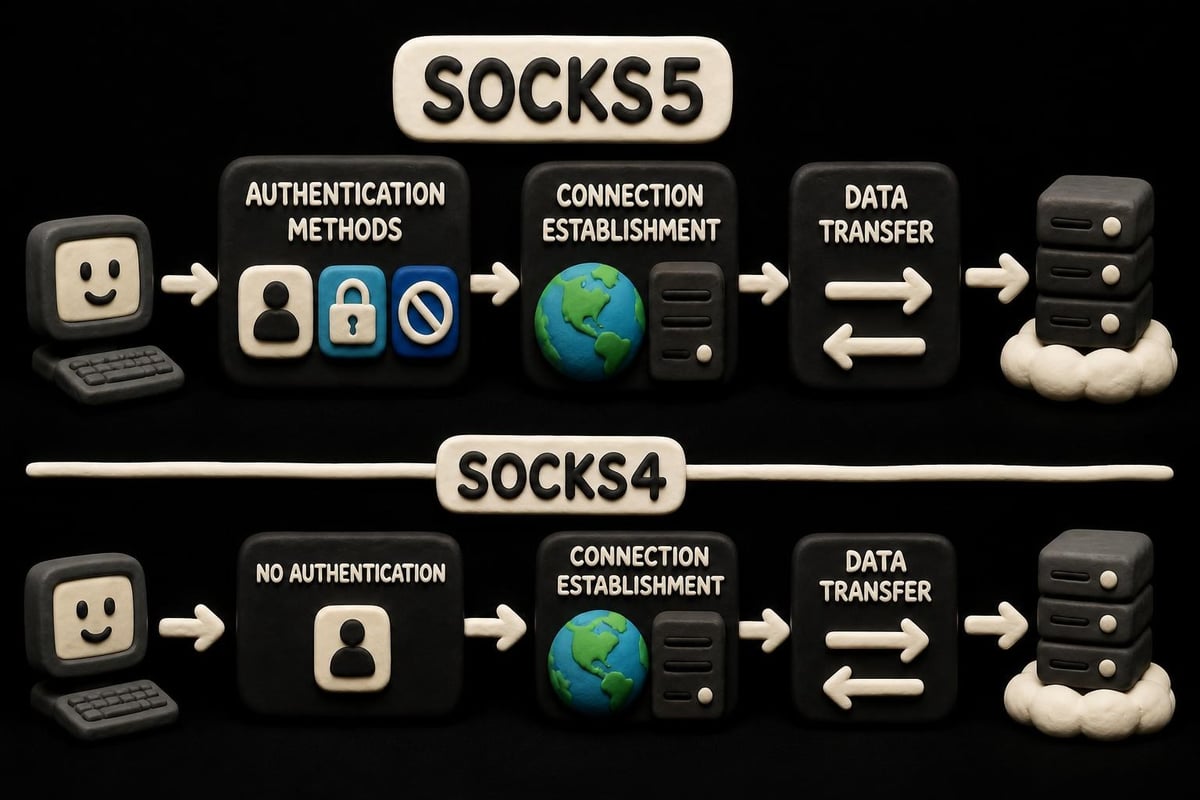
SOCKS (Socket Secure) is a versatile internet protocol that routes network packets between a client and server through a proxy server. Unlike HTTP proxies that only handle web traffic, SOCKS proxies work at a lower level and can handle any type of traffic, including email, FTP, and peer-to-peer connections.
The SOCKS protocol comes in several versions, with SOCKS4 and SOCKS5 being the most common. SOCKS5 is the latest version and offers enhanced features including:
- Authentication support for improved security
- UDP protocol support for faster data transmission
- IPv6 compatibility for modern networks
- DNS resolution through the proxy server
When you connect through a SOCKS proxy, your requests are forwarded through the proxy server, which then communicates with your destination. This process masks your original IP address, making it appear as though requests originate from the proxy server instead of your device.
The Appeal of Free Proxy Services
Many users search for a free socks proxy because they want immediate access without financial commitment. Common motivations include testing proxy functionality, occasional use for simple tasks, or budget constraints that make paid services seem prohibitive.
Free proxy lists like those found on ProxyLists.org and HotProxyList.info aggregate thousands of publicly available proxy servers. These services automatically scan for active proxies and organize them by country, protocol type, and response time.
The Hidden Costs of Free SOCKS Proxies
While free proxies don't require payment, they extract value in other ways that can be far more costly to users. According to longitudinal research on free web proxies, a significant percentage of free proxy services engage in practices that compromise user security and privacy over time.
Security Vulnerabilities
Free proxy servers often lack proper security infrastructure. Many operate without encryption, meaning your data travels in plain text between your device and the proxy server. This creates opportunities for:
- Man-in-the-middle attacks where malicious actors intercept communications
- Data harvesting of usernames, passwords, and sensitive information
- Malware injection into downloaded files or web pages
- SSL stripping that downgrades secure connections
| Risk Factor | Free Proxies | Premium Services |
|---|---|---|
| Data Encryption | Rarely implemented | Standard feature |
| Malware Injection | High risk | Monitored and prevented |
| Traffic Logging | Common practice | Zero-log policies |
| IP Leaks | Frequent occurrence | Actively prevented |
Research analyzing the free HTTP(S) proxy ecosystem found that many free proxies modify HTTP headers, inject advertisements, or redirect users to malicious websites. Some proxies even sell user data to third parties, completely defeating the privacy purpose of using a proxy.
Performance and Reliability Issues
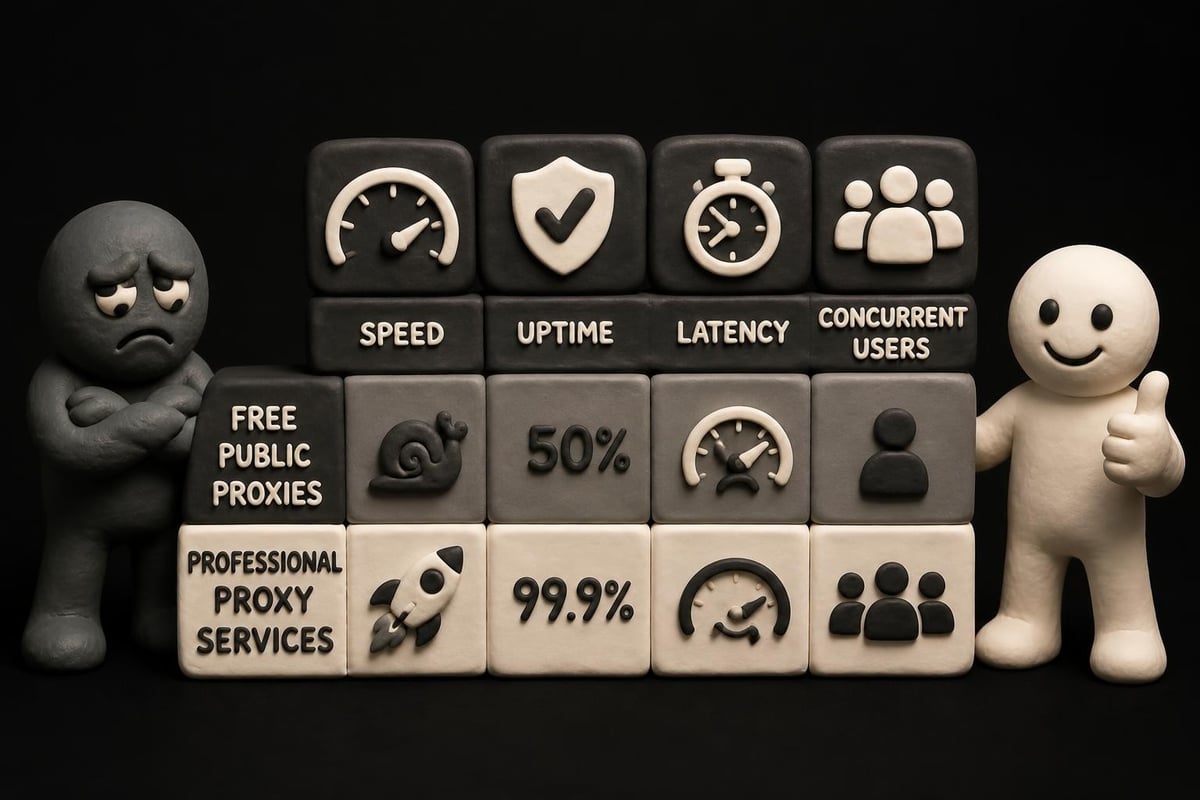
A free socks proxy typically suffers from severe performance limitations. Since these services don't generate revenue from users, they lack the resources to maintain high-quality infrastructure.
Common performance problems include:
- Slow connection speeds due to overcrowded servers
- Frequent disconnections from unstable server infrastructure
- High latency affecting real-time applications
- Limited bandwidth throttling your data transfer
- Downtime with no service guarantees
The servers powering free proxies often use outdated hardware and minimal bandwidth allocation. With hundreds or thousands of users sharing the same server resources, speeds can drop to unusable levels during peak hours.
Privacy Concerns with Public Proxies
When you route your traffic through someone else's server, you're trusting them with potentially sensitive information. Free proxy operators need to monetize their service somehow, and user data often becomes the product.
Data Collection Practices
Free proxy services frequently log extensive information about user activity. This can include:
- Websites visited and browsing patterns
- Login credentials for unencrypted connections
- Personal information submitted through forms
- File downloads and uploads
- Email content and attachments
Some free proxies openly sell this data to advertisers, while others may provide it to authorities upon request without legal protections that established companies offer. The lack of transparency makes it impossible to know how your data is being used.
Lack of Legal Accountability
Unlike legitimate proxy providers that operate as registered businesses with clear terms of service, many free proxy operators remain anonymous. This anonymity means no legal recourse if your data is misused or if the proxy facilitates illegal activities that are traced back to you.
Professional services like those offered through PinguProxy implement strict zero-log policies with legal guarantees, ensuring your privacy is protected by enforceable contracts and privacy regulations.
Better Alternatives to Free SOCKS Proxies
Rather than relying on questionable free services, consider these approaches that balance cost with security and performance.
Rotating Residential Proxies
For users who need reliable proxy access, rotating residential proxies provide IP addresses from real ISPs that appear as legitimate users. These proxies offer:
- High anonymity through real residential IPs
- Automatic rotation to prevent detection
- Geographic targeting for location-specific access
- Faster speeds compared to congested free servers
While residential proxies typically cost more than datacenter proxies, they provide superior success rates for web scraping, market research, and accessing geo-restricted content.
Datacenter Proxies with Speed Guarantees
High-speed datacenter proxies deliver exceptional performance for bandwidth-intensive tasks. Modern providers offer 10Gbps connections that far exceed what any free socks proxy can deliver.
Key advantages include:
- Lightning-fast data transfer rates
- Consistent uptime guarantees (99.9%+)
- Dedicated IP options for sensitive applications
- Professional customer support
- Full IPv4 and IPv6 protocol support
For users exploring different proxy types, understanding HTTP proxy configurations helps determine which protocol best suits specific use cases.
Use Cases Requiring Reliable Proxies
Certain applications absolutely cannot function properly with unreliable free proxies. Understanding these use cases helps illustrate why investing in quality proxy services makes financial sense.
Web Scraping and Data Collection
Professional web scraping requires stable connections and the ability to make thousands of requests without interruption. A free socks proxy will quickly fail due to:
- IP bans from target websites detecting proxy use
- Connection timeouts interrupting scraping jobs
- Slow response times making projects take days instead of hours
- Inconsistent availability preventing scheduled tasks
Modern scraping operations need proxy pools with thousands of IPs that rotate automatically. For those researching proxy options, checking resources like free SOCKS5 proxy lists provides comparison points, though production environments demand enterprise-grade solutions.
Gaming and Latency-Sensitive Applications
Online gaming through proxies requires minimal latency and consistent packet delivery. Free proxies introduce unpredictable lag that ruins the gaming experience. Competitive players need:
| Requirement | Free Proxy | Premium Gaming Proxy |
|---|---|---|
| Latency | 200-1000ms+ | <20ms |
| Packet Loss | 5-20% | <0.1% |
| Jitter | High variance | Stable |
| Availability | Unreliable | 99.9%+ uptime |

Business Intelligence and Market Research
Companies conducting competitive analysis or price monitoring cannot afford the security risks of free proxies. Corporate data flowing through unknown servers creates compliance violations and intellectual property exposure.
Professional market research demands:
- Verified proxy sources with accountability
- Guaranteed uptime for continuous monitoring
- Geographic diversity across global markets
- API integration for automated workflows
- GDPR compliance and data protection
Evaluating Proxy Service Quality
When comparing proxy options, whether exploring free alternatives or evaluating paid services, several metrics help determine quality and reliability.
Essential Quality Indicators
Speed and Performance Testing:
- Connection establishment time
- Download/upload throughput
- Latency to various geographic locations
- Consistency across multiple tests
Security Features:
- Encryption standards (HTTPS/SOCKS5 authentication)
- DNS leak protection
- WebRTC leak prevention
- Kill switch functionality
Service Transparency:
- Clear terms of service
- Published privacy policy
- Company registration information
- Customer reviews and reputation
Expert reviews from TechRadar provide independent assessments of various proxy services, helping users make informed decisions based on standardized testing criteria.
Red Flags to Avoid
Certain warning signs indicate a proxy service may compromise your security or privacy:
- No contact information or company details
- Promises that seem too good to be true
- Requests for unnecessary personal information
- Lack of encryption options
- Absence of privacy policy or terms of service
- Overwhelmingly negative user reviews
Technical Considerations for Proxy Implementation
Successfully implementing proxy connections requires understanding configuration requirements and troubleshooting common issues.
Configuration Best Practices
Setting up a SOCKS proxy connection involves several steps that vary by application:
- Obtain proxy credentials (server address, port, authentication)
- Configure application settings to route traffic through the proxy
- Verify connection using IP detection tools
- Test for DNS leaks ensuring all traffic routes properly
- Monitor performance to identify issues early
Different applications handle proxy configurations differently. Mobile applications, for instance, often require special tools as detailed in guides about Charles Proxy for Android debugging and traffic analysis.
Common Technical Issues
Connection Failures:
- Incorrect server address or port number
- Authentication credentials not properly formatted
- Firewall blocking proxy connections
- Proxy server offline or overloaded
Performance Problems:
- Network congestion on shared free proxies
- Routing inefficiencies in proxy infrastructure
- Bandwidth throttling by proxy operator
- Geographic distance between proxy and target
Security Warnings:
- SSL certificate errors from proxy manipulation
- Browser warnings about insecure connections
- Antivirus flagging proxy software
- IP leak detection showing real address
The Economics of Proxy Services
Understanding the business models behind proxy services explains why truly free options often disappoint users who need reliable service.
How Free Proxies Generate Revenue
Free proxy operators must cover server costs, bandwidth, and maintenance. Common monetization strategies include:
- Advertising injection into web pages users visit
- Data selling to marketing companies and aggregators
- Affiliate partnerships redirecting users to partner sites
- Premium upsells offering paid tiers with better performance
- Cryptocurrency mining using visitor devices
These practices fundamentally conflict with user privacy and security interests. Even proxies that don't actively monetize user data often lack resources for proper security measures.
The Value Proposition of Premium Services
Professional proxy providers invest in infrastructure, security, and support that free services cannot match. When comparing top proxy providers, the value becomes clear through:
- Dedicated infrastructure with guaranteed resources
- 24/7 technical support for troubleshooting
- Legal accountability and privacy compliance
- Regular security updates and monitoring
- Flexible scaling for growing needs
For businesses and serious users, the modest cost of premium proxies proves insignificant compared to the risks of data breaches, service interruptions, or compliance violations from using free alternatives.
Making the Right Choice for Your Needs
Selecting the appropriate proxy solution requires honest assessment of your requirements, budget, and risk tolerance.
Questions to Ask Before Choosing
- How sensitive is the data I'll be transmitting?
- What performance level does my use case require?
- Can I afford service interruptions or downtime?
- Am I conducting activities that could violate terms of service?
- Do I need specific geographic locations or IP types?
- What level of technical support do I require?
Users with minimal privacy concerns conducting basic tasks might find free proxies adequate for occasional use. However, anyone handling sensitive information, conducting business operations, or requiring consistent performance should invest in reliable proxy services.
Open Source and Community Solutions
For technically skilled users, open-source projects like auto-updated proxy lists provide alternatives between completely free public proxies and premium services. These community-maintained resources offer:
- Regularly verified proxy servers
- Transparent operation and code review
- No commercial tracking or data selling
- API access for automated proxy rotation
While still sharing many limitations of free proxies, community projects at least operate with transparency and without hidden monetization schemes that compromise user privacy.
While free SOCKS proxy services might seem appealing for cost-conscious users, the security risks, performance issues, and privacy concerns typically outweigh any savings. For reliable proxy access that protects your data and delivers consistent performance, professional services provide the infrastructure and accountability that free alternatives cannot match. Whether you need high-speed datacenter proxies for scraping projects, residential IPs for market research, or mobile proxies for social media management, PinguProxy offers enterprise-grade solutions with unlimited bandwidth, zero-log privacy protection, and 24/7 support to ensure your operations run smoothly and securely.