
هذا المقال متاح حاليًا باللغة الإنجليزية فقط.
اقرأ بالإنجليزيةPIA SOCKS5: Complete Guide to Setup and Benefits in 2026
Private Internet Access has long been recognized as one of the leading VPN providers in the market, but many users don't realize the full potential of its SOCKS5 proxy feature. While VPNs encrypt all traffic and route it through secure servers, pia socks5 offers a lightweight alternative that provides specific benefits for certain use cases. Understanding when and how to leverage this protocol can significantly enhance your online privacy strategy while maintaining optimal performance for bandwidth-intensive applications.
Understanding SOCKS5 Protocol Fundamentals
SOCKS5 represents the fifth iteration of the Socket Secure protocol, designed to route network packets between a client and server through a proxy server. Unlike HTTP proxies that only handle web traffic, SOCKS5 operates at a lower level, making it protocol-agnostic and capable of handling any type of internet traffic.
The key advantage lies in its versatility. SOCKS5 can manage everything from web browsing and email to torrenting and gaming traffic without interpretation or modification of the data packets. This makes it particularly valuable for users who need flexible proxy solutions across multiple applications.
Authentication and Security Features
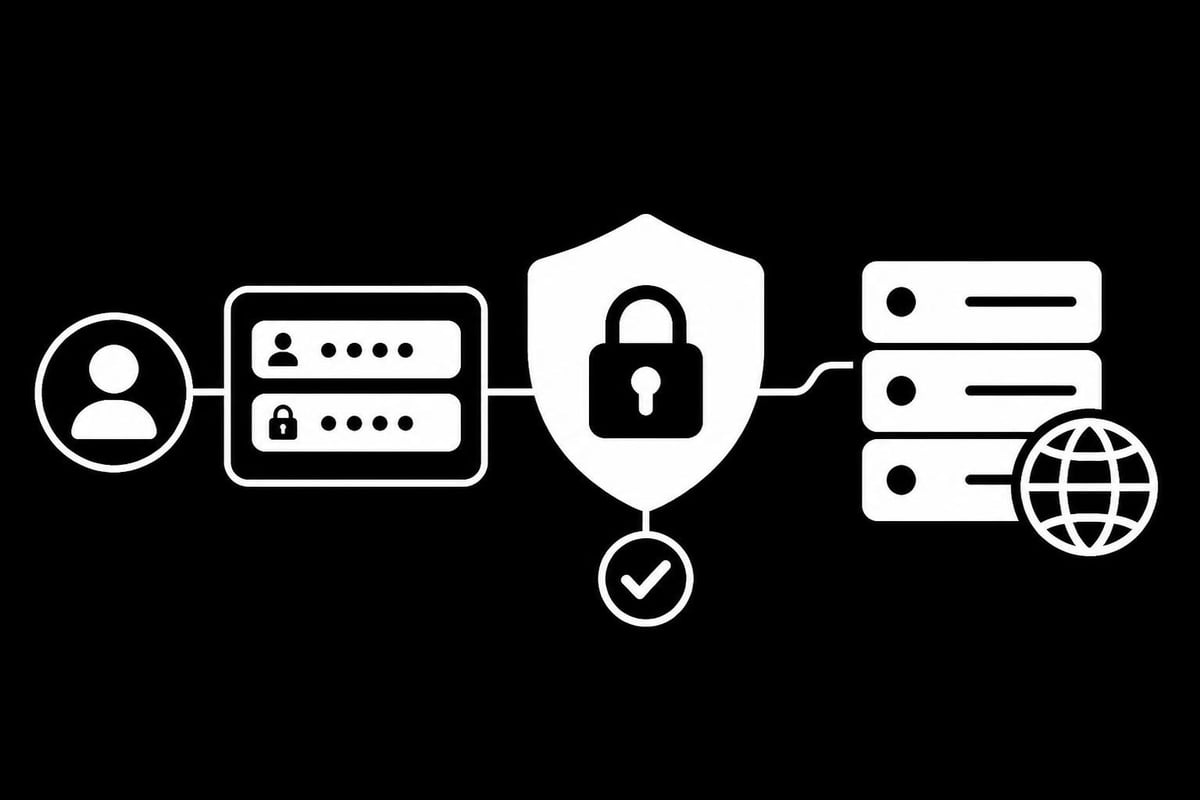
One of the distinguishing characteristics of pia socks5 is its support for various authentication methods. The protocol implements username and password authentication, ensuring that only authorized users can access the proxy service. This adds an essential security layer that prevents unauthorized access to your proxy connection.
Key security benefits include:
- Username and password authentication preventing unauthorized access
- No packet inspection or data modification during transmission
- Support for both UDP and TCP protocols
- Compatible with IPv4 and IPv6 addressing schemes
However, it's crucial to understand that SOCKS5 itself doesn't provide encryption. The data passes through the proxy server without being encrypted, which differentiates it from a full VPN connection. For sensitive operations, combining pia socks5 with additional encryption layers becomes essential.
Setting Up PIA SOCKS5 on Different Platforms
Configuration varies depending on your operating system and the applications you're using. Private Internet Access provides dedicated SOCKS5 proxy servers separate from their VPN infrastructure, offering users flexibility in choosing their preferred connection method.
Windows Configuration Process
Setting up pia socks5 on Windows requires accessing your application's network settings directly. Most torrent clients like qBittorrent, Deluge, and uTorrent support SOCKS5 configuration through their preferences menu.
- Open your application's settings or preferences menu
- Navigate to the connection or proxy settings section
- Select SOCKS5 as the proxy type
- Enter the PIA SOCKS5 server address (provided in your account dashboard)
- Input your PIA-assigned proxy username and password
- Enable authentication and save your settings
- Test the connection to verify proper configuration
The process remains consistent across most applications, though menu locations may vary. Always verify your connection is routing through the proxy by checking your IP address before conducting sensitive operations.
macOS and Linux Setup Guidelines
For macOS users, the configuration process mirrors Windows but with platform-specific menu navigation. Linux users often have the advantage of terminal-based configuration options alongside GUI methods.
Many SSH-based proxy solutions offer similar functionality, though pia socks5 provides a more streamlined approach without requiring manual server configuration. The simplicity of entering provided credentials versus setting up your own infrastructure makes it accessible for users at all technical levels.
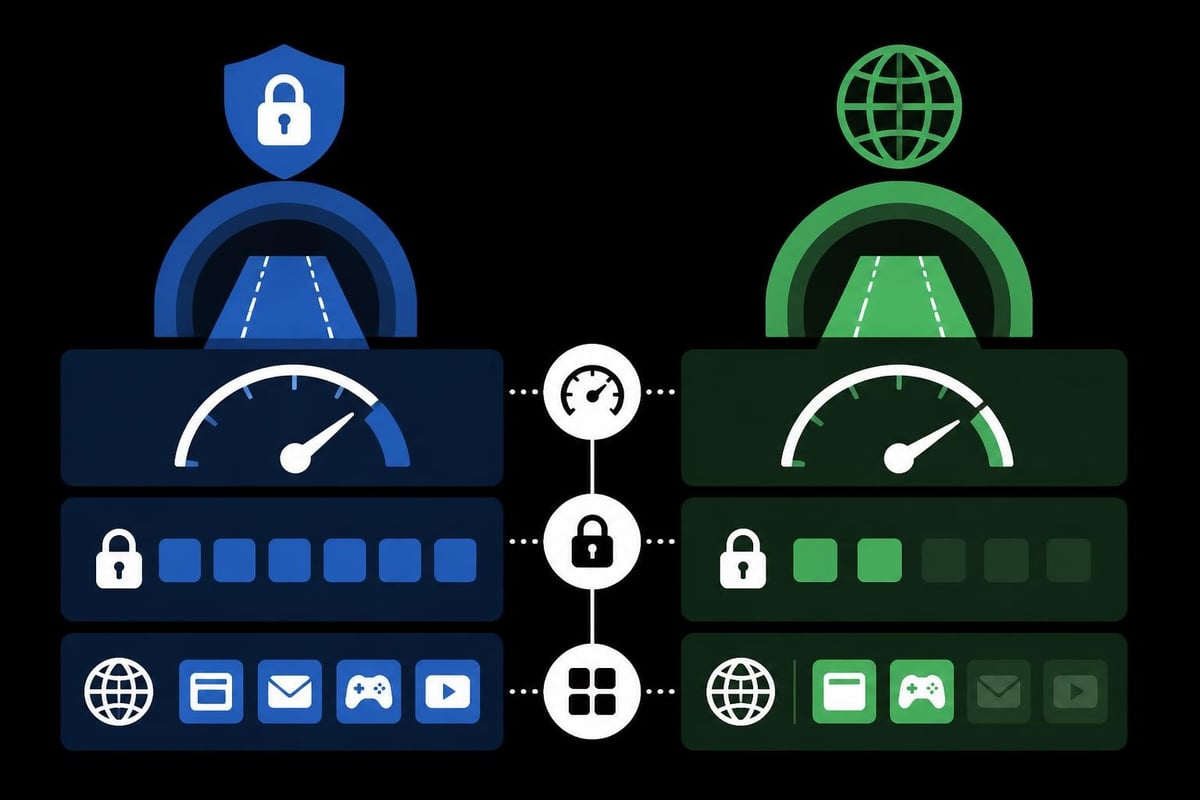
Performance Comparison: VPN vs SOCKS5
Understanding the performance differences between traditional VPN connections and pia socks5 helps users make informed decisions about which technology suits their specific needs.
| Feature | VPN Connection | PIA SOCKS5 Proxy |
|---|---|---|
| Encryption | Full traffic encryption | No encryption (application-dependent) |
| Speed | Moderate (encryption overhead) | Faster (no encryption processing) |
| System Coverage | All applications | Per-application configuration |
| Protocol Support | All protocols | All protocols (manual config) |
| Privacy Level | High | Moderate |
| Setup Complexity | Simple (one-click) | Moderate (per-app config) |
The speed advantage of SOCKS5 becomes particularly noticeable with bandwidth-intensive activities. Without the computational overhead of encryption, pia socks5 connections typically deliver 15-30% faster speeds compared to full VPN tunnels.
Ideal Use Cases for SOCKS5
Certain scenarios benefit more from SOCKS5 implementation than full VPN protection. Torrenting represents the most common use case, where users want to mask their IP address without sacrificing download speeds.
Optimal SOCKS5 applications include:
- BitTorrent clients requiring high-speed downloads
- Gaming applications where latency matters critically
- Streaming media where bandwidth is essential
- Web scraping operations requiring rapid data collection
- Geographic restriction bypassing for specific services
For businesses exploring affordable datacenter proxy solutions, understanding these distinctions helps determine the appropriate technology stack for their infrastructure.
Advanced Configuration Techniques
Power users can maximize pia socks5 effectiveness through advanced configuration strategies that optimize performance and security simultaneously.
Split Tunneling Strategies
Split tunneling allows you to route specific applications through pia socks5 while maintaining normal internet connections for others. This approach provides flexibility without compromising system-wide performance.
Configure bandwidth-intensive applications to use SOCKS5 while keeping general browsing on your standard connection. This strategy ensures applications requiring maximum speed benefit from the reduced overhead, while still maintaining your typical browsing experience.
Combining SOCKS5 with Other Security Measures
While pia socks5 doesn't provide encryption, you can layer additional security measures to create comprehensive protection. Many users implement application-level encryption alongside SOCKS5 proxying for enhanced security.
For example, using encrypted torrent clients or enabling SSL/TLS connections for web traffic provides end-to-end encryption while still benefiting from SOCKS5's IP masking and performance advantages. This combination offers a middle ground between raw SOCKS5 speed and full VPN security.
Troubleshooting Common SOCKS5 Issues
Even with proper configuration, users occasionally encounter connection problems or performance issues with pia socks5. Understanding common problems and their solutions saves time and frustration.
Authentication Failures
The most frequent issue involves incorrect credentials. Private Internet Access generates specific usernames and passwords for SOCKS5 access, which differ from your main account login credentials. Always verify you're using the proxy-specific credentials found in your account dashboard.
If authentication continues failing:
- Regenerate your SOCKS5 credentials through the PIA dashboard
- Verify no extra spaces exist in copied credentials
- Confirm your application supports the authentication method
- Test credentials with alternative applications to isolate the issue
Connection Speed Problems
When pia socks5 connections underperform expectations, several factors might be responsible. Server selection significantly impacts speed, as routing distance directly affects latency and throughput.
| Issue | Probable Cause | Solution |
|---|---|---|
| Slow downloads | Distant server location | Switch to geographically closer server |
| Intermittent disconnections | Network instability | Enable automatic reconnection features |
| DNS leaks | Improper configuration | Configure DNS settings within application |
| Port blocking | ISP restrictions | Try alternative ports if available |
According to a comprehensive proxy service comparison, selecting the right server location can improve speeds by up to 40% compared to default configurations.
Privacy Considerations and Limitations
While pia socks5 enhances privacy by masking your IP address, understanding its limitations ensures realistic expectations and appropriate use cases.
What SOCKS5 Protects
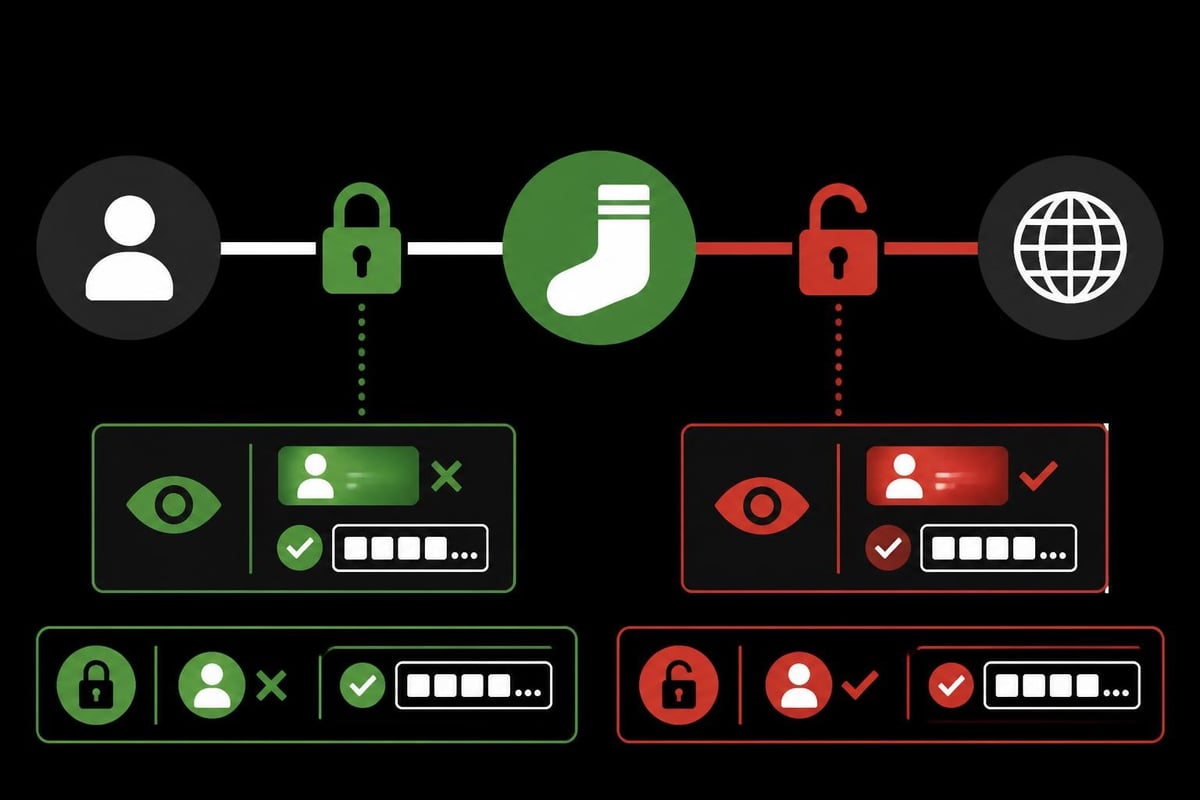
The primary privacy benefit comes from IP address substitution. When you connect through pia socks5, destination servers see the proxy server's IP address instead of your actual location. This provides anonymity for your online activities and helps bypass geographic restrictions.
Your ISP can still see that you're connecting to a proxy server, though they cannot determine your final destination or the nature of data being transmitted. This differs from VPN connections, where ISPs see encrypted tunnels but not individual connection details.
What SOCKS5 Doesn't Protect
Understanding these limitations prevents false security assumptions. Since pia socks5 doesn't encrypt traffic, anyone monitoring the network between you and the proxy server could theoretically intercept unencrypted data.
Privacy limitations include:
- No encryption of data in transit
- ISP visibility of proxy server connections
- Potential DNS leaks without proper configuration
- Application-level vulnerabilities remain unaddressed
- No protection against malicious exit nodes on unencrypted connections
For maximum privacy, consider using a comprehensive proxy solution that combines multiple security layers. Many professional users implement both VPN and SOCKS5 proxies for different use cases rather than relying on a single technology.
Business Applications and Enterprise Use
Organizations increasingly recognize the value of pia socks5 for specific business operations where performance outweighs encryption requirements.
Web Scraping and Data Collection
Companies conducting market research or competitive analysis benefit enormously from SOCKS5 proxies. The protocol's speed advantage allows for rapid data collection while avoiding IP-based rate limiting or blocking.
When combined with rotating proxy infrastructure, businesses can scale their data collection operations efficiently. The ability to route requests through different IP addresses prevents detection and blocking by target websites.
Quality Assurance Testing
Geographic content verification requires viewing websites and applications from different locations. PIA socks5 enables QA teams to quickly switch between geographic locations without the overhead of full VPN connections, streamlining the testing process.
Development teams also use SOCKS5 proxies to test how applications behave under different network conditions and from various geographic regions, ensuring consistent user experiences globally.
Comparing PIA SOCKS5 to Alternative Solutions
The proxy landscape in 2026 offers numerous options, each with distinct advantages and limitations. Understanding how pia socks5 compares helps inform technology decisions.
Dedicated Datacenter Proxies
Services offering dedicated datacenter infrastructure provide different tradeoffs than pia socks5. Datacenter proxies typically offer even faster speeds but may face higher detection rates on certain platforms due to known datacenter IP ranges.
PIA's SOCKS5 servers benefit from residential-style IP addresses in many cases, reducing detection likelihood while maintaining strong performance. This makes them particularly effective for applications where avoiding bot detection matters.
Mobile and Residential Proxies
Mobile and residential proxy networks offer the highest anonymity levels, as their IP addresses belong to legitimate internet service providers and mobile carriers. However, they typically cost significantly more than pia socks5 access.
For users already subscribing to Private Internet Access for VPN services, SOCKS5 access represents added value without additional costs. This economic advantage makes it attractive for individuals and small businesses operating within budget constraints.
Security Best Practices
Maximizing pia socks5 effectiveness requires implementing security best practices that complement the protocol's capabilities.
Credential Management
Never share your SOCKS5 credentials across multiple users or applications unnecessarily. Private Internet Access allows multiple simultaneous connections, but each should use appropriate security measures.
Store credentials securely using password managers rather than saving them in plain text configuration files. Many applications offer credential encryption within their settings, adding an extra security layer.
Regular Security Audits
Periodically verify that your pia socks5 configuration remains secure and functional. Check for IP leaks using online testing tools, ensuring your actual IP address doesn't inadvertently expose itself through DNS queries or WebRTC connections.
Testing should occur:
- After initial configuration
- Following application updates
- When changing proxy servers
- If performance degrades unexpectedly
- Before critical operations requiring anonymity
Resources like detailed SOCKS5 implementation guides provide testing methodologies and security verification procedures.
Future of SOCKS5 Technology
As we progress through 2026, SOCKS5 continues evolving to meet changing internet security and privacy demands. The protocol's simplicity and efficiency ensure its relevance despite emerging technologies.
Protocol Enhancements
While SOCKS5 itself remains stable, implementation improvements continue emerging. Better authentication mechanisms, enhanced compatibility with IPv6 networks, and improved error handling represent ongoing development areas.
The integration of pia socks5 with modern applications becomes increasingly seamless as developers recognize the protocol's value. Native SOCKS5 support in more applications reduces configuration complexity, making the technology accessible to broader audiences.
Emerging Use Cases
New applications for SOCKS5 technology emerge as internet usage patterns evolve. IoT devices, smart home applications, and edge computing scenarios increasingly benefit from lightweight proxy solutions that don't require full VPN overhead.
The rise of privacy-conscious computing means more users seek granular control over their network traffic, rather than all-or-nothing VPN approaches. This trend favors technologies like pia socks5 that offer selective proxying capabilities.
Integration with Automation Tools
Advanced users integrate pia socks5 into automated workflows and scripts, extending its utility beyond manual application configuration.
API and Programmatic Access
Many applications support SOCKS5 proxy configuration through environment variables or configuration files, enabling automated proxy rotation and management. Scripts can programmatically switch between different proxy servers based on performance metrics or geographic requirements.
This automation proves particularly valuable for web scraping operations, where rotating proxy servers prevents rate limiting and detection. Combining pia socks5 with custom scripts creates powerful data collection pipelines.
Container and Virtualization Environments
Modern development workflows leverage containerization technologies like Docker. Configuring pia socks5 at the container level ensures all applications within that container route traffic through the proxy without individual configuration.
This approach simplifies deployment and ensures consistency across development, testing, and production environments. Teams can maintain identical network configurations regardless of the underlying infrastructure.
Understanding the capabilities and limitations of PIA SOCKS5 empowers you to make informed decisions about implementing proxy technology for your specific needs. Whether you're optimizing torrent downloads, conducting web scraping operations, or simply seeking enhanced privacy for particular applications, SOCKS5 offers a balanced approach between performance and anonymity. For businesses and individuals requiring enterprise-grade proxy infrastructure with advanced features like 10Gbps bandwidth, complete IPv4/IPv6 support, and 1ms rotation capabilities, PinguProxy delivers the reliability and performance your operations demand with unlimited access and 24/7 support.