
PiaSOCKS5: Complete Guide to SOCKS5 Proxy Protocols
SOCKS5 protocols have become essential infrastructure for businesses and individuals seeking enhanced online privacy, security, and unrestricted internet access. Among the various implementations available in 2026, piasocks5 represents a significant approach to proxy technology that combines robust authentication mechanisms with flexible routing capabilities. Understanding how SOCKS5 works, its advantages over other proxy protocols, and how to implement it effectively can dramatically improve your online operations, whether you're engaged in web scraping, managing multiple accounts, or accessing geo-restricted content.
Understanding SOCKS5 Protocol Architecture
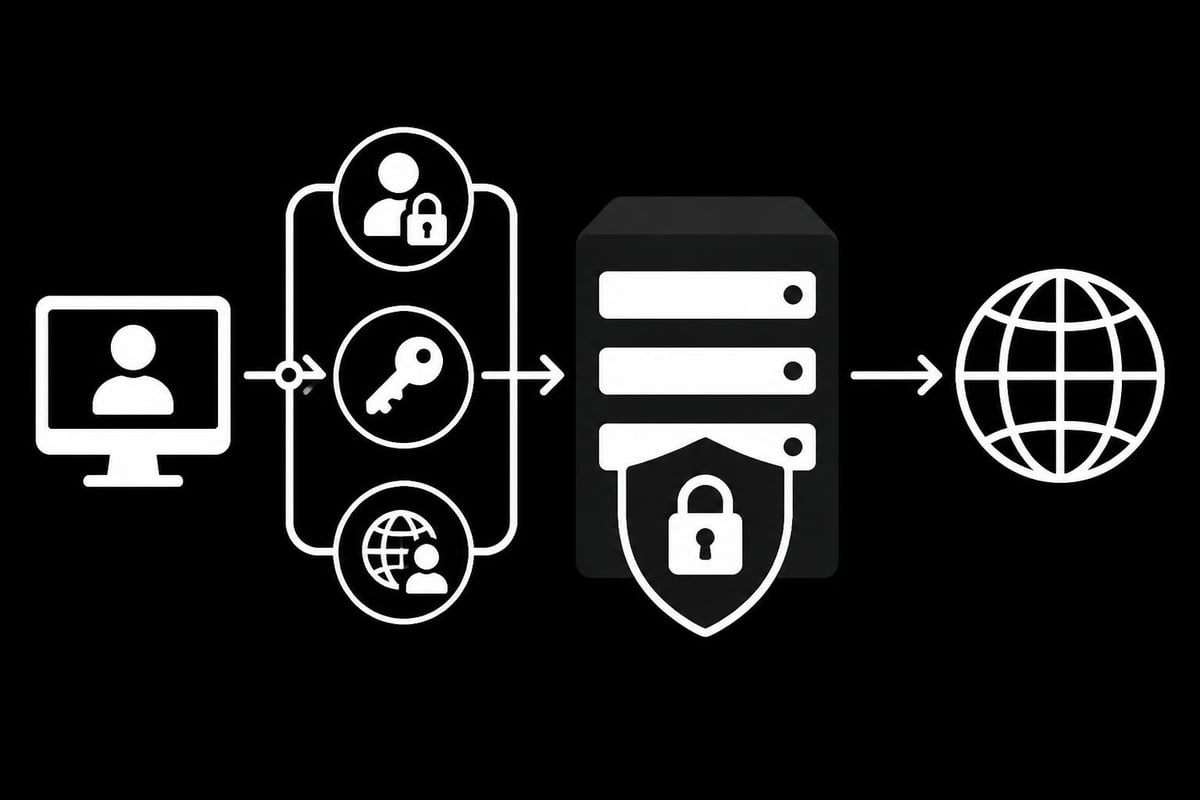
SOCKS5 stands for Socket Secure version 5, representing the latest iteration of the SOCKS protocol family. Unlike HTTP or HTTPS proxies that only handle web traffic, piasocks5 operates at a lower network level, enabling it to route virtually any type of internet traffic through a proxy server.
The protocol functions by establishing a TCP connection between the client and the SOCKS5 server, which then forwards traffic to the intended destination. This creates an intermediary layer that masks the client's original IP address while maintaining full protocol compatibility.
Key Technical Advantages
Authentication and Security Features
- Username and password authentication
- GSS-API authentication methods
- IPv4 and IPv6 protocol support
- UDP protocol compatibility
- Enhanced error handling mechanisms
The piasocks5 implementation differs from earlier SOCKS versions by offering multiple authentication methods simultaneously. This flexibility allows administrators to choose security levels appropriate for their specific use cases, from basic username/password combinations to more sophisticated authentication frameworks.
Modern SOCKS5 servers can handle both IPv4 and IPv6 traffic seamlessly, making them future-proof as the internet continues its transition to IPv6 addressing. This dual-stack capability ensures compatibility across diverse network environments without requiring separate proxy configurations.
Comparing Proxy Protocol Options
When evaluating proxy solutions, understanding the distinctions between protocol types helps identify the optimal choice for specific applications. The comparison of top proxy providers reveals significant variations in protocol support and performance characteristics.
| Protocol Type | Layer | Traffic Types | Authentication | Speed | Use Cases |
|---|---|---|---|---|---|
| HTTP | Application | Web only | Basic | Fast | Web browsing |
| HTTPS | Application | Web only | SSL/TLS | Fast | Secure browsing |
| piasocks5 | Session | All TCP/UDP | Multiple methods | Very Fast | Universal applications |
| Transparent | Network | All | None | Fastest | Caching, filtering |
Protocol Performance Characteristics
HTTP and HTTPS proxies excel at web traffic handling but lack the versatility required for applications beyond browser-based activities. These protocols interpret and potentially modify HTTP headers, which can interfere with certain applications or trigger detection mechanisms on target servers.
SOCKS5 protocols, including piasocks5 implementations, operate without modifying packet headers or interfering with data streams. This transparency makes them ideal for applications requiring precise packet delivery, such as gaming, video streaming, and peer-to-peer communications.
The protocol's ability to handle UDP traffic sets it apart from most alternatives. Applications like DNS queries, VoIP communications, and online gaming rely heavily on UDP, making piasocks5 the only practical proxy solution for these use cases.
Setting Up and Configuring SOCKS5 Proxies
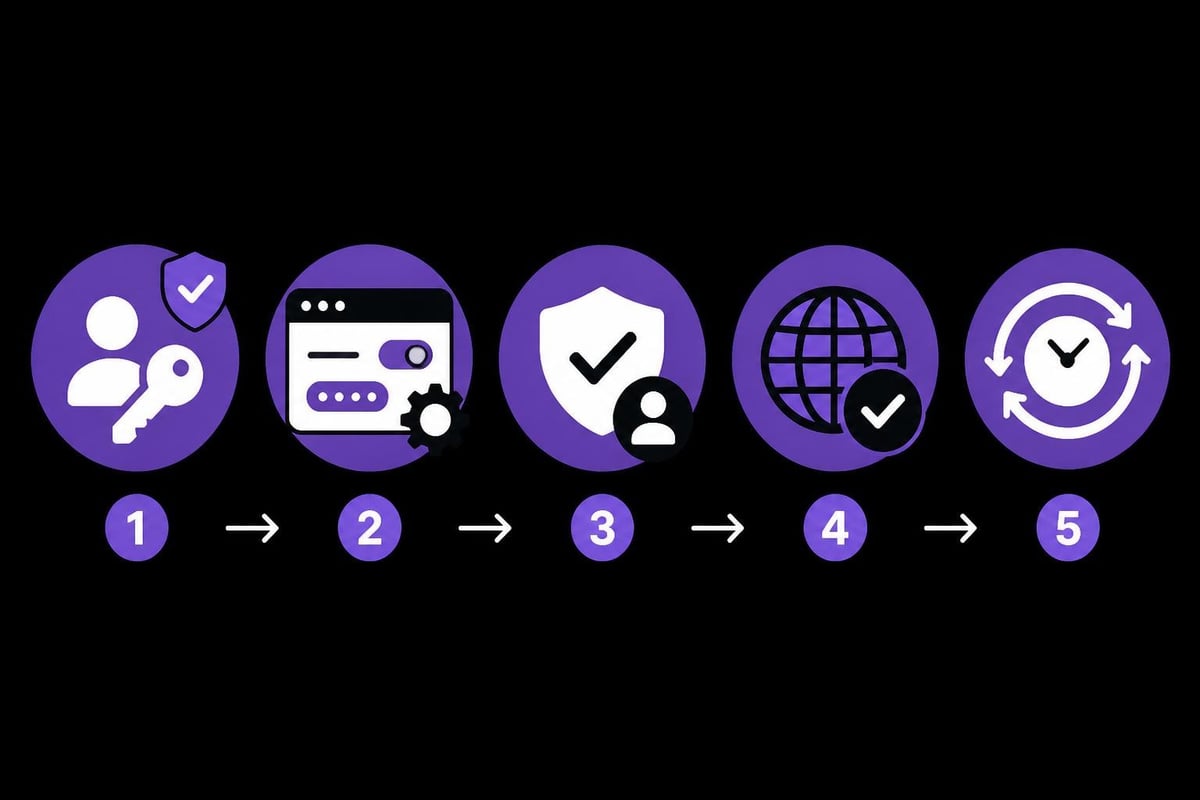
Implementing piasocks5 requires understanding both server-side configuration and client-side setup procedures. Most modern proxy services provide straightforward configuration options, though the specifics vary by provider and use case.
Initial Configuration Steps
- Obtain proxy credentials from your provider, including hostname, port number, username, and password
- Verify protocol compatibility with your intended applications and operating system
- Configure authentication settings according to your security requirements
- Test connectivity using basic tools before deploying to production environments
- Optimize rotation settings based on your specific anonymity and performance needs
When working with datacenter proxy providers, configuration typically involves entering the SOCKS5 server address and port (commonly 1080 or 1085) into your application's proxy settings. The piasocks5 protocol automatically handles the authentication handshake once credentials are provided.
For advanced users, proxy rotation becomes crucial for maintaining anonymity and avoiding rate limits. Services offering rotating proxy capabilities can automatically switch between different IP addresses at specified intervals, distributing requests across a larger proxy pool.
Application-Specific Configuration
Different applications handle SOCKS5 configuration through various interfaces. Web browsers typically include built-in proxy settings within their network preferences, while command-line tools often accept proxy parameters through environment variables or configuration files.
Common Configuration Methods:
- Browser extensions that simplify SOCKS5 setup and switching
- System-wide proxy settings affecting all network traffic
- Application-specific configurations for targeted proxy usage
- Proxy management tools offering centralized control
- API-based proxy rotation for automated environments
The quick setup documentation provided by quality proxy services streamlines the configuration process, reducing setup time from hours to minutes for most applications.
Performance Optimization and Best Practices
Maximizing piasocks5 performance requires attention to several technical and operational factors. Network latency, bandwidth allocation, and proper routing configuration all contribute to overall proxy effectiveness.
Network Performance Factors
The physical distance between your location, the proxy server, and the target website directly impacts response times. Selecting proxy servers geographically close to target resources minimizes latency while maintaining the desired geo-location appearance.
Bandwidth limitations can severely impact performance for data-intensive applications. Premium proxy services typically offer 10Gbps bandwidth connections, ensuring that proxy throughput doesn't become the bottleneck in your operations.
| Performance Metric | Impact Factor | Optimization Strategy |
|---|---|---|
| Latency | High | Geographic server selection |
| Bandwidth | Medium | Premium tier selection |
| Connection Pooling | High | Persistent connection reuse |
| Authentication Overhead | Low | Credential caching |
| Rotation Speed | Medium | Balanced interval configuration |
Rotation Strategy Development
Implementing effective IP rotation with piasocks5 requires balancing anonymity needs against operational efficiency. Too frequent rotation can trigger suspicious behavior flags, while insufficient rotation may expose patterns detectable by anti-bot systems.
Rotation Best Practices:
- Configure rotation intervals based on target website rate limits
- Use session-based rotation for multi-step processes
- Implement request-based rotation for high-volume scraping
- Monitor rotation effectiveness through success rate metrics
- Adjust strategies based on blocking patterns
Advanced users leverage IP rotation features that allow programmatic control over rotation timing and logic, enabling sophisticated patterns that mimic organic user behavior.
Security and Privacy Considerations
While piasocks5 provides substantial privacy benefits, understanding its security limitations and proper implementation is critical for maintaining operational security. The protocol itself doesn't encrypt traffic by default, meaning data transmitted through a SOCKS5 proxy remains visible to the proxy operator.
Privacy Protection Mechanisms
Reputable proxy providers implement zero-log policies, ensuring that no records of your proxy usage, visited websites, or transmitted data are stored. This policy becomes particularly important when handling sensitive information or conducting competitive research.
The piasocks5 protocol's authentication mechanisms prevent unauthorized proxy usage, but they also create a trust relationship between users and providers. Selecting providers with established reputations and transparent privacy policies mitigates risks associated with proxy usage.
Security Implementation Checklist:
- Verify provider's logging and data retention policies
- Use encrypted connections (HTTPS, TLS) over piasocks5 when possible
- Implement authentication at both proxy and application levels
- Monitor for DNS leaks that may expose browsing patterns
- Regularly rotate credentials to limit exposure windows
Understanding protocol compatibility issues helps prevent common security misconfigurations that could compromise privacy objectives.
Business Applications and Use Cases
The versatility of piasocks5 makes it valuable across numerous business applications, from data collection to brand protection. Organizations in 2026 increasingly rely on SOCKS5 proxies as essential infrastructure for competitive intelligence, market research, and security operations.

Data Collection and Web Scraping
Web scraping operations represent one of the most common commercial applications for piasocks5 technology. E-commerce businesses monitor competitor pricing, travel aggregators collect fare information, and research firms gather market intelligence, all relying on proxy infrastructure to avoid blocking.
The protocol's transparency ensures that scrapers receive accurate, unmodified data from target websites. Unlike HTTP proxies that might alter content or inject headers, piasocks5 delivers raw responses exactly as the target server sends them.
High-Value Scraping Applications:
- E-commerce price monitoring across global markets
- Real estate data aggregation for market analysis
- SERP monitoring for SEO intelligence
- Travel fare comparison across booking platforms
- Academic data collection for research projects
Social Media and Account Management
Managing multiple social media accounts requires IP diversity to avoid platform detection and account linking. The piasocks5 protocol's ability to handle complex application traffic makes it ideal for Instagram operations, Facebook marketing, and TikTok management.
Social media platforms employ sophisticated detection systems that analyze behavior patterns, device fingerprints, and network characteristics. Using dedicated piasocks5 proxies for each account creates separation that prevents cross-account detection while maintaining natural usage patterns.
Technical Integration and Development
Developers integrating piasocks5 into applications benefit from extensive library support across programming languages and frameworks. Most modern HTTP clients and networking libraries include built-in SOCKS5 support, simplifying implementation.
Programming Language Support
Popular Libraries and Implementations:
| Language | Library | Features | Documentation Quality |
|---|---|---|---|
| Python | requests, pysocks | Full SOCKS5 support | Excellent |
| JavaScript | node-socks-proxy-agent | Async operations | Good |
| Java | Apache HttpClient | Enterprise features | Excellent |
| PHP | cURL with SOCKS5 | Built-in support | Good |
| Go | golang.org/x/net/proxy | Native implementation | Excellent |
Python developers commonly use the requests library combined with pysocks for piasocks5 integration. The implementation requires minimal code, typically just specifying the proxy URL in the session configuration.
JavaScript applications running on Node.js leverage specialized SOCKS agents that integrate seamlessly with popular HTTP clients like axios and got. These agents handle the SOCKS5 handshake automatically, abstracting protocol complexities from application logic.
API-Driven Proxy Management
Modern proxy services offer API endpoints for proxy management, enabling programmatic creation, configuration, and deletion of proxy instances. This automation capability scales operations from dozens to thousands of concurrent proxy connections.
The API-driven approach allows developers to implement sophisticated proxy rotation logic, dynamically allocating proxies based on workload requirements, target geography, or failure patterns. When combined with piasocks5's protocol versatility, this creates powerful infrastructure for large-scale data operations.
Cost Optimization Strategies
While piasocks5 proxies provide substantial value, managing costs becomes important for operations requiring thousands of proxy connections. Understanding pricing models and optimizing usage patterns can significantly reduce expenses without compromising performance.
Pricing Model Comparison
Proxy providers typically offer several pricing structures, each optimized for different use cases. Cost-effective proxy services balance affordability with reliability, though the cheapest options often involve trade-offs in performance or support quality.
Common Pricing Structures:
- Pay-per-GB models charging based on bandwidth consumption
- Per-proxy pricing with fixed costs per IP address
- Unlimited usage plans with flat monthly fees
- Pay-as-you-go options for variable workloads
- Enterprise contracts with volume discounts
Understanding your usage patterns helps identify the most economical pricing model. High-volume scraping operations with predictable bandwidth needs typically benefit from unlimited plans, while sporadic users might prefer pay-per-GB options.
Affordable datacenter proxies often provide the best value for applications where residential IP addresses aren't required, offering speeds and reliability at a fraction of residential proxy costs.
Resource Efficiency Techniques
Implementing connection pooling and persistent connections reduces authentication overhead and improves throughput when using piasocks5. Rather than establishing new proxy connections for each request, maintaining a pool of authenticated connections ready for reuse can improve performance by 30-50%.
Intelligent request batching minimizes bandwidth waste by combining multiple small requests into larger, more efficient transfers. This approach works particularly well for API-based data collection where individual requests return minimal data but authentication and connection overhead remain constant.
Troubleshooting Common Issues
Even properly configured piasocks5 implementations occasionally encounter connectivity problems, authentication failures, or performance degradation. Systematic troubleshooting approaches quickly identify and resolve these issues.
Connection and Authentication Problems
Connection timeout issues typically stem from network configuration problems, firewall restrictions, or incorrect proxy server addresses. Verifying basic connectivity using tools like telnet or curl helps isolate whether problems exist at the network, proxy, or application level.
Diagnostic Steps:
- Verify proxy server hostname resolves correctly via DNS
- Test TCP connectivity to proxy port using telnet
- Confirm authentication credentials haven't expired
- Check for firewall rules blocking SOCKS5 traffic
- Review application logs for specific error messages
Authentication failures often result from credential typos, expired subscriptions, or IP whitelisting misconfigurations. Most quality providers offer test proxy functionality that validates credentials and connectivity independent of your application.
Performance Degradation Diagnosis
When piasocks5 connections become slow, identifying the bottleneck requires measuring latency at each network hop. Tools like traceroute reveal whether delays occur between your location and the proxy server, or between the proxy and target destination.
Bandwidth limitations manifest as throughput caps regardless of connection speed. Monitoring actual transfer rates compared to advertised speeds helps identify whether you're hitting plan limits or experiencing network congestion.
Advanced Configuration Techniques
Power users extend piasocks5 functionality through advanced configuration options, custom routing rules, and integration with complementary technologies. These techniques unlock capabilities beyond basic proxy usage.
IPv4 and IPv6 Dual Stack Configuration
Modern networks increasingly support both IPv4 and IPv6, and piasocks5 handles both protocols seamlessly. Configuring IPv4 and IPv6 support enables access to resources only available on one protocol while maintaining connectivity across diverse network environments.
Some targets exclusively support IPv6, particularly newer cloud services and content delivery networks. Having dual-stack piasocks5 proxies ensures compatibility without requiring separate proxy configurations for different protocol versions.
Custom Rotation Algorithms
Standard rotation intervals work well for many applications, but sophisticated operations benefit from custom rotation logic. Rotation interval customization allows implementing patterns like time-based rotation, request-count triggers, or failure-response rotation.
Developing rotation algorithms that mimic human behavior patterns reduces detection risk. Rather than rotating on fixed intervals, varying rotation timing with random delays and session-aware logic creates traffic patterns indistinguishable from organic users.
Evaluating Proxy Service Providers
Selecting the right piasocks5 provider requires evaluating multiple factors beyond basic price comparisons. Network size, geographic coverage, support quality, and technical capabilities all influence operational success.
Provider Assessment Criteria
| Evaluation Factor | Importance | Key Considerations |
|---|---|---|
| IP Pool Size | High | Larger pools reduce reuse frequency |
| Geographic Coverage | Medium | Match target regions for best performance |
| Protocol Support | High | Verify full SOCKS5 implementation |
| Bandwidth Limits | High | Ensure adequate capacity for workload |
| Support Quality | Medium | 24/7 availability for critical operations |
| Privacy Policies | High | Zero-log policies protect user data |
Reading detailed reviews of proxy services provides insights into real-world performance and reliability that marketing materials may not reveal. Pay particular attention to reviews discussing protocol-specific performance, as piasocks5 capabilities vary significantly across providers.
The free proxy ecosystem, while tempting for budget-conscious users, presents significant risks documented in research including data interception, malware injection, and unreliable performance. Commercial providers offering piasocks5 services deliver substantially better security and reliability.
Implementing piasocks5 effectively requires understanding protocol architecture, proper configuration, and strategic optimization for your specific use cases. The protocol's versatility makes it valuable across countless applications, from web scraping to social media management, while its transparency ensures data integrity throughout the proxy connection. Whether you're managing brand protection initiatives, conducting cybersecurity research, or operating large-scale data collection systems, choosing a reliable provider makes all the difference. PinguProxy delivers enterprise-grade SOCKS5 proxy infrastructure with unlimited bandwidth, dual IPv4/IPv6 support, and 1ms rotation capabilities, backed by 24/7 support to ensure your operations run smoothly across all use cases.