
Proxy HTTP Buy: Complete 2026 Guide for Businesses
When businesses need to proxy HTTP buy solutions in 2026, they face an increasingly complex marketplace filled with various providers, pricing models, and technical specifications. Understanding the fundamentals of HTTP proxies and knowing what to look for when making a purchase can mean the difference between a successful deployment and wasted resources. This comprehensive guide explores everything from basic proxy concepts to advanced selection criteria, helping you make informed decisions that align with your specific business needs.
Understanding HTTP Proxies and Their Business Value
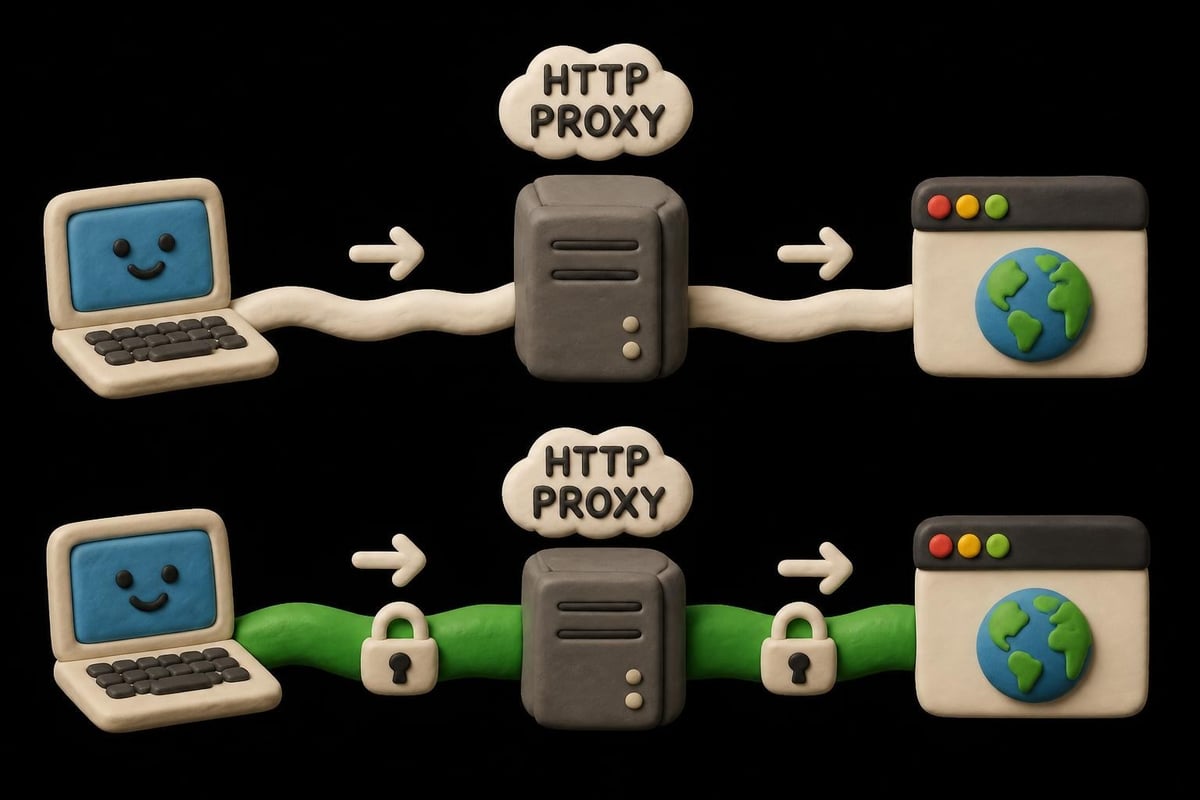
HTTP proxies function as intermediaries between your application or browser and the target web server. When you send a request, the proxy receives it, forwards it to the destination, retrieves the response, and sends it back to you. This simple mechanism unlocks powerful capabilities for businesses ranging from enhanced privacy to geographic content access.
The value proposition extends far beyond basic anonymity:
- IP address masking to protect your real identity
- Geographic location spoofing for regional content access
- Request rate distribution across multiple IP addresses
- Bandwidth optimization through caching mechanisms
- Security enhancement by filtering malicious content
Modern HTTP proxies in 2026 support both HTTP and HTTPS protocols, ensuring encrypted traffic remains protected throughout the proxy chain. This dual-protocol support has become standard across reputable proxy service providers, making it a baseline requirement rather than a premium feature.
HTTP vs HTTPS: Protocol Considerations
The distinction between HTTP and HTTPS proxies affects how your traffic gets processed. HTTP proxies handle unencrypted traffic directly, while HTTPS proxies use the CONNECT method to establish tunneled connections for encrypted data. Most businesses today require HTTPS support for secure transactions, API interactions, and general web browsing.
Types of HTTP Proxies Available for Purchase
The proxy marketplace offers several distinct types of HTTP proxies, each optimized for specific use cases and performance requirements. Understanding these categories helps narrow your search when you're ready to proxy HTTP buy services.
| Proxy Type | Speed | Cost | IP Pool Size | Best For |
|---|---|---|---|---|
| Datacenter | Highest | Low to Medium | Medium | High-volume scraping, automation |
| Residential | Medium | Medium to High | Very Large | E-commerce, social media, ad verification |
| Mobile | Medium | High | Large | Mobile app testing, app-specific tasks |
| Static Residential | Medium-High | Medium | Medium | Account management, long sessions |
Datacenter proxies originate from cloud servers and data centers, offering exceptional speed and reliability. They're perfect for tasks requiring high bandwidth and rapid request processing, though some websites implement datacenter IP detection and blocking.
Residential proxies use IP addresses assigned to real residential devices by internet service providers. These appear as genuine user traffic, making them ideal for accessing websites with strict anti-bot measures. Services like HTTP proxies for web tasks emphasize residential options for legitimate business applications.
Mobile proxies route traffic through cellular networks, appearing as smartphone or tablet users. They're particularly valuable for mobile-specific testing and accessing mobile-only content or APIs.
Rotating vs Static Proxy Configurations
Beyond proxy type, you'll encounter two primary configuration models. Rotating proxies automatically change IP addresses at set intervals or per request, distributing your activity across numerous IPs. This approach minimizes detection risk and prevents rate limiting.
Static proxies maintain the same IP address throughout your session or subscription period. They're essential for applications requiring consistent identity, such as account management platforms or authenticated API access. PinguProxy's rotating proxy features demonstrate how advanced rotation can happen in as little as 1ms.
Key Factors When You Proxy HTTP Buy
Making the right purchase decision requires evaluating multiple technical and business factors. Price alone shouldn't drive your choice, as poor-performing proxies ultimately cost more through failed requests, blocked IPs, and wasted development time.
Critical evaluation criteria include:
- IP pool size and geographic distribution - Larger pools reduce the risk of IP exhaustion and blocking
- Bandwidth allocation and limits - Unlimited or high caps prevent unexpected service disruptions
- Protocol support - Both IPv4 and IPv6 compatibility future-proofs your infrastructure
- Rotation speed and methods - Faster rotation enhances anonymity for sensitive operations
- Authentication methods - Username/password or IP whitelist options for security
- Support quality and availability - 24/7 assistance minimizes downtime when issues arise
Research shows that open proxy ecosystems often suffer from reliability and security issues, making commercial services a better choice for business-critical applications.
Performance Metrics That Matter
When evaluating providers before you proxy HTTP buy, focus on measurable performance indicators:
- Response time - Sub-500ms average is acceptable for most applications
- Success rate - Above 95% indicates stable, reliable infrastructure
- Uptime guarantee - Industry standard sits at 99.9% or higher
- Bandwidth speed - 10Gbps capabilities support high-volume operations
Testing these metrics before committing to long-term contracts protects your investment. Many providers offer trial periods or money-back guarantees that enable real-world performance validation.

Pricing Models and Budget Considerations
HTTP proxy pricing varies dramatically based on type, features, and scale. Understanding common pricing structures helps you budget appropriately and identify value opportunities.
Common pricing models include:
- Pay-per-GB - Charges based on bandwidth consumption, ideal for unpredictable usage
- Pay-per-IP - Fixed cost per IP address, regardless of traffic volume
- Subscription tiers - Monthly or annual plans with included bandwidth and IP allocations
- Pay-per-request - Charges for each proxy request, suitable for low-volume needs
Datacenter proxies typically cost $1-5 per IP monthly, while residential proxies command premium pricing from $5-15 per GB or $50-500 monthly for pooled access. Mobile proxies represent the highest price point, often exceeding $100 monthly for quality services.
When you're ready to proxy HTTP buy solutions, calculate your expected monthly bandwidth and request volume. Many businesses overestimate their needs initially, leading to unnecessary spending. Start with conservative estimates and scale up as usage patterns become clear.
Hidden Costs and Contract Terms
Beyond advertised pricing, watch for hidden costs that inflate total ownership expenses:
- Setup fees - One-time charges for account activation
- Overage penalties - Expensive per-GB rates when exceeding plan limits
- Contract lock-ins - Long-term commitments with early termination fees
- Feature paywalls - Extra charges for rotation, authentication methods, or API access
Transparent providers display all costs upfront and offer flexible scaling options. Review PinguProxy's pricing structure for examples of straightforward, no-surprise pricing models.
Use Cases Driving HTTP Proxy Purchases
Different business applications demand specific proxy characteristics. Aligning your proxy HTTP buy decision with your intended use case ensures optimal performance and cost-efficiency.
Web Scraping and Data Collection
Web scraping remains the dominant use case for HTTP proxies. Companies extract pricing data, product information, market intelligence, and competitive insights from public websites. Effective scraping requires:
- Large IP pools to distribute requests
- Residential or mobile IPs for sophisticated anti-bot systems
- Fast rotation to prevent pattern detection
- High bandwidth for large-scale data extraction
Web scraping operations benefit from providers offering specialized features like automatic retry logic and CAPTCHA handling. The free proxy ecosystem research highlights why commercial services outperform free alternatives for reliable data collection.
SEO and SERP Monitoring
Search engine results pages vary by location, device type, and personalization factors. SEO professionals use HTTP proxies to:
- Check rankings from different geographic locations
- Monitor competitor positioning across regions
- Verify ad placements and display accuracy
- Track SERP feature appearances
SERP monitoring use cases require location-specific residential proxies that accurately represent target markets. Static configurations work best here, maintaining consistent IPs for tracking changes over time.
E-Commerce and Price Intelligence
Online retailers leverage proxies to monitor competitor pricing, track inventory availability, and verify their own product listings across platforms. E-commerce applications typically need:
- Residential IPs to avoid retailer bot detection
- Session persistence for multi-page browsing
- Geographic targeting for region-specific pricing
- High success rates to minimize data gaps
E-commerce applications often combine HTTP proxies with automated tools, creating comprehensive market intelligence systems.
Social Media Management and Marketing
Managing multiple social media accounts or conducting market research on social platforms requires proxies that appear as genuine users. Requirements include:
- Mobile and residential IPs for platform trust signals
- Sticky sessions maintaining IP consistency per account
- Geographic matching to account registration locations
- Low detection rates to prevent account restrictions
Platform-specific proxy solutions exist for Instagram, Facebook, TikTok, and other major networks, optimizing configurations for each platform's unique detection systems.

Technical Implementation and Integration
Once you proxy HTTP buy services, proper implementation determines success. Most providers offer multiple integration methods accommodating different technical environments and skill levels.
Authentication and Configuration Methods
HTTP proxies typically support two authentication approaches:
Username and password authentication embeds credentials directly in the proxy URL format: http://username:password@proxy-server:port. This method works universally but exposes credentials in application logs and configuration files.
IP whitelisting authentication restricts proxy access to pre-approved IP addresses, eliminating credential management. This approach enhances security but requires static IP addresses for your applications.
Advanced providers support both methods, letting you choose based on your security requirements and infrastructure constraints. Quick setup documentation typically covers both approaches with configuration examples.
Protocol Compatibility and IPv6 Support
Modern web infrastructure increasingly relies on IPv6 addressing. When you proxy HTTP buy solutions in 2026, ensure dual-stack support for both IPv4 and IPv6 protocols. This compatibility prevents connectivity issues with IPv6-only services and future-proofs your deployment.
| Feature | IPv4 | IPv6 | Dual-Stack |
|---|---|---|---|
| Address Space | 4.3 billion | 340 undecillion | Both |
| Compatibility | Universal (legacy) | Growing | Complete |
| Performance | Standard | Often faster | Optimized |
| Future-Proof | Limited | Yes | Yes |
Services offering IPv4 and IPv6 support provide maximum flexibility for diverse target websites and services.
Rotation Strategies and Session Management
Rotation configuration significantly impacts proxy performance and detection avoidance. Common strategies include:
Per-request rotation changes IP addresses with every request, maximizing anonymity and distribution. This works well for stateless scraping operations where session continuity doesn't matter.
Time-based rotation switches IPs at fixed intervals (1 minute, 10 minutes, hourly). It balances anonymity with session stability for applications requiring multi-step interactions.
Session-based rotation maintains the same IP throughout a defined session, switching only when you explicitly create a new session. This approach suits authenticated workflows and shopping cart operations.
Understanding IP rotation mechanics and rotation intervals helps optimize your proxy configuration for specific use cases.
Evaluating Provider Reliability and Support
The HTTP proxy market includes hundreds of providers with varying quality levels. Distinguishing reliable services from problematic ones protects your business from disruptions and security risks.
Infrastructure and Network Quality Indicators
Premium providers invest in robust infrastructure demonstrating clear quality signals:
- Diverse geographic presence - POPs in 50+ countries indicate serious infrastructure investment
- Network redundancy - Multiple data centers per region prevent single-point failures
- Bandwidth capacity - 10Gbps+ capabilities support high-volume enterprise users
- IP pool freshness - Regular IP additions and removals maintain pool health
Providers should transparently share infrastructure details, including network locations and capacity specifications. Vague descriptions or refusal to disclose basic technical information suggests limited infrastructure or reselling arrangements.
Privacy Policies and Data Handling
When you proxy HTTP buy services, you're trusting the provider with your traffic data. Verify their privacy practices before committing:
Zero-log policies ensure the provider doesn't record your browsing activity, request details, or target websites. This protects sensitive business intelligence from potential breaches or legal demands.
Data retention transparency clarifies what connection metadata gets stored and for how long. Minimal retention (24-48 hours for troubleshooting) indicates privacy-focused practices.
Jurisdiction considerations affect legal obligations for data sharing. Providers in privacy-friendly jurisdictions face fewer compulsory disclosure requirements.
Support Quality and Response Times
Technical issues with proxies require rapid resolution to minimize business disruption. Evaluate support capabilities through:
- Availability - 24/7 support handles issues regardless of your timezone
- Channel options - Live chat, email, and phone provide flexibility
- Response times - Sub-2-hour responses for critical issues
- Technical expertise - Support staff understanding proxy technology and use cases
Test support quality during trial periods by asking technical questions and observing response times and accuracy. PinguProxy's 24/7 customer support exemplifies the always-available assistance businesses need for mission-critical proxy operations.
Security Considerations for HTTP Proxy Usage
HTTP proxies introduce security implications requiring careful consideration and mitigation strategies. Understanding these risks helps you implement appropriate safeguards.
Primary security concerns include:
- Traffic interception - Proxy servers can view unencrypted HTTP traffic
- Malicious injection - Compromised proxies may inject ads or malware
- Credential exposure - Authentication details transmit with each request
- IP reputation - Shared proxies may carry poor reputation from previous users
- Data logging - Providers potentially recording sensitive business information
Mitigate these risks by choosing reputable providers with strong privacy policies, using HTTPS whenever possible, implementing end-to-end encryption for sensitive data, and regularly rotating between different IP pools.
Compliance and Legal Considerations
Using proxies for legitimate business purposes remains legal in most jurisdictions, but compliance requirements vary by industry and application:
Web scraping legality depends on respecting robots.txt files, terms of service, and copyright protections. Scraping public data generally presents lower risk than accessing authenticated or copyrighted content.
Data protection regulations like GDPR and CCPA apply when collecting personal information through proxies. Ensure your data handling practices comply with relevant regulations regardless of proxy usage.
Industry-specific rules govern certain sectors. Financial services, healthcare, and government contractors face additional restrictions on data collection and proxy usage.
Consult legal counsel when uncertainty exists about your specific use case and jurisdiction. Proper legal compliance protects your business from liability while enabling legitimate proxy applications.
Maximizing Value from Your HTTP Proxy Investment
After you proxy HTTP buy services, optimization ensures you extract maximum value from your investment. Several strategies enhance performance, reduce costs, and improve reliability.
Monitoring and Analytics
Implement comprehensive monitoring to track proxy performance and identify optimization opportunities:
- Request success rates - Identify problematic IPs or geographic regions
- Response time distributions - Detect performance degradation early
- Bandwidth consumption - Optimize costs by identifying inefficient processes
- Error patterns - Understand blocking mechanisms and adjust strategies
Most providers offer dashboards and APIs for accessing usage statistics. Advanced users integrate proxy metrics into broader monitoring systems using tools like Grafana or custom analytics platforms.
Scaling Strategies for Growing Needs
As your business scales, proxy requirements evolve. Plan for growth by:
Starting conservatively with modest allocations and scaling up based on actual usage rather than projections. This approach minimizes waste from overprovisioning.
Implementing intelligent routing that directs requests to the most appropriate proxy type. Route simple requests through inexpensive datacenter proxies while reserving premium residential IPs for challenging targets.
Negotiating volume discounts once monthly usage exceeds certain thresholds. Many providers offer substantial discounts for committed high-volume usage.
Exploring multiple providers to avoid single-provider dependency and leverage competitive pricing. Comparing proxy options helps identify the best value for different use case segments.
Troubleshooting Common Issues
Even premium proxies encounter occasional issues. Understanding common problems accelerates resolution:
Connection timeouts often indicate network congestion, geographic routing issues, or target server problems. Troubleshooting connection issues typically involves testing alternative proxy locations or adjusting timeout values.
IP blocking occurs when target websites detect and block proxy IPs. Solutions include rotating to fresh IPs, switching proxy types (datacenter to residential), or implementing more sophisticated request patterns.
Protocol incompatibility manifests as failed connections or unexpected responses. Verify both your application and target website support your chosen protocol configuration. Protocol compatibility documentation provides guidance for resolving mismatches.
Bandwidth limitations cause throttled performance or service interruptions when exceeding plan allocations. Monitor usage closely and upgrade plans proactively to maintain consistent performance.
Advanced Features Worth Considering
Premium proxy providers differentiate themselves through advanced features that enhance capability and simplify management. When you proxy HTTP buy services in 2026, consider whether these features justify premium pricing for your use cases.
API access enables programmatic proxy management, automating tasks like IP rotation configuration, usage monitoring, and billing management. API documentation demonstrates how developers integrate proxy management into existing workflows.
Custom IP targeting lets you request specific geographic locations, ASNs, or device types. This precision targeting optimizes success rates for location-sensitive applications.
Automatic retry and failover mechanisms detect failed requests and automatically retry through alternative IPs. This reduces development burden by handling transient failures transparently.
Bandwidth pooling allows sharing allocations across multiple users or projects, maximizing efficiency and reducing per-project costs.
Dedicated account management provides personalized support, custom configurations, and optimization assistance for enterprise customers.
Evaluate whether your applications will leverage these features before paying premiums. Many businesses succeed with basic proxy services, reserving advanced features for specialized needs.
Choosing the right HTTP proxy service requires balancing technical requirements, budget constraints, and business objectives across multiple evaluation dimensions. Whether you need datacenter speed for high-volume scraping, residential authenticity for e-commerce intelligence, or mobile proxies for app testing, understanding your specific needs guides optimal provider selection. PinguProxy delivers comprehensive proxy solutions with high-speed datacenter, residential, and mobile options, complete IPv4 and IPv6 support, unlimited bandwidth, and 1ms rotation capabilities backed by 24/7 support, providing everything businesses need for successful proxy operations in 2026.