
SOCKS Proxy: Complete Guide for 2026
When it comes to internet privacy and bypassing restrictions, not all proxies are created equal. While HTTP proxies dominate the conversation, a socks proxy offers a more versatile and powerful solution for users who need complete protocol flexibility. Whether you're scraping data, gaming online, or accessing geo-restricted content, understanding how SOCKS proxies function can transform your approach to online anonymity and performance.
What Is a SOCKS Proxy and How Does It Work
A socks proxy operates at a lower level than traditional HTTP proxies, functioning at the session layer (Layer 5) of the OSI model. This fundamental difference allows it to handle any type of traffic, not just web browsing. The SOCKS protocol serves as a general-purpose application proxy, creating a TCP connection to another server on behalf of a client and routing all traffic between them.
The Technical Foundation
Unlike HTTP proxies that only understand web traffic, a socks proxy creates a direct tunnel for any protocol. It doesn't interpret or modify the data passing through it. This protocol-agnostic approach makes it incredibly powerful for diverse applications.
The proxy establishes connections using a simple handshake process:
- Client sends connection request to the SOCKS server
- Server authenticates the client (if required)
- Client specifies the destination address and port
- Server establishes connection to the target
- Data flows freely between client and destination
This streamlined process ensures minimal overhead while maintaining maximum flexibility. The socks proxy doesn't care whether you're sending HTTP requests, FTP commands, or gaming packets.

SOCKS4 vs SOCKS5: Understanding the Versions
Two primary versions of SOCKS proxies remain in widespread use today, each with distinct capabilities and limitations. The evolution from SOCKS4 to SOCKS5 brought significant improvements that make the newer version the preferred choice for modern applications.
SOCKS4 Capabilities and Constraints
SOCKS4, the earlier iteration, provides basic proxy functionality with several restrictions. It only supports TCP connections and cannot handle UDP traffic, which limits its usefulness for applications like VoIP or online gaming. Authentication in SOCKS4 relies solely on a simple user ID without password protection.
Key SOCKS4 limitations:
- IPv4 addresses only
- No UDP support
- Limited authentication
- Cannot resolve domain names remotely
SOCKS5 Advanced Features
SOCKS5 represents a substantial upgrade, addressing every SOCKS4 shortcoming while adding powerful new capabilities. This version supports both TCP and UDP protocols, making it suitable for virtually any internet application. The authentication mechanisms in SOCKS5 include username/password combinations and more sophisticated methods.
| Feature | SOCKS4 | SOCKS5 |
|---|---|---|
| TCP Support | Yes | Yes |
| UDP Support | No | Yes |
| IPv6 Support | No | Yes |
| Authentication | User ID only | Multiple methods |
| DNS Resolution | Client-side | Server-side |
| Performance | Good | Excellent |
Modern implementations almost exclusively use SOCKS5 due to its comprehensive feature set. When choosing a private SOCKS5 proxy, you're getting the most advanced version available.
Why Choose SOCKS Over HTTP Proxies
The debate between HTTP and SOCKS proxies isn't about one being universally better than the other. Each excels in different scenarios, but SOCKS proxies offer distinct advantages that make them indispensable for certain use cases.
HTTP proxies understand and can modify web traffic, which enables features like caching and content filtering. A socks proxy, conversely, operates as a pure intermediary without interpreting the data stream. This characteristic proves beneficial when you need protocol flexibility or want to ensure your data remains unmodified.
Performance Considerations
Speed matters, especially for bandwidth-intensive tasks. Research comparing proxy types shows that SOCKS proxies typically deliver faster performance because they don't process application-layer data. They simply forward packets, reducing processing overhead and latency.
SOCKS proxy performance benefits:
- Lower CPU overhead on proxy server
- Reduced packet processing time
- Better throughput for large data transfers
- Minimal protocol conversion delays
For data scraping operations requiring thousands of requests, these milliseconds add up significantly. The efficiency of a socks proxy becomes particularly noticeable when handling large-scale operations.
Application Compatibility
While HTTP proxies work exclusively with web traffic, SOCKS proxies support virtually any application. Email clients, torrent software, gaming platforms, and database connections all function seamlessly through a properly configured socks proxy. This versatility eliminates the need for multiple proxy solutions.
Common Use Cases for SOCKS Proxies
The flexibility of SOCKS technology enables numerous practical applications across different industries and user needs. Understanding these use cases helps you determine whether a socks proxy fits your specific requirements.
Web Scraping and Data Collection
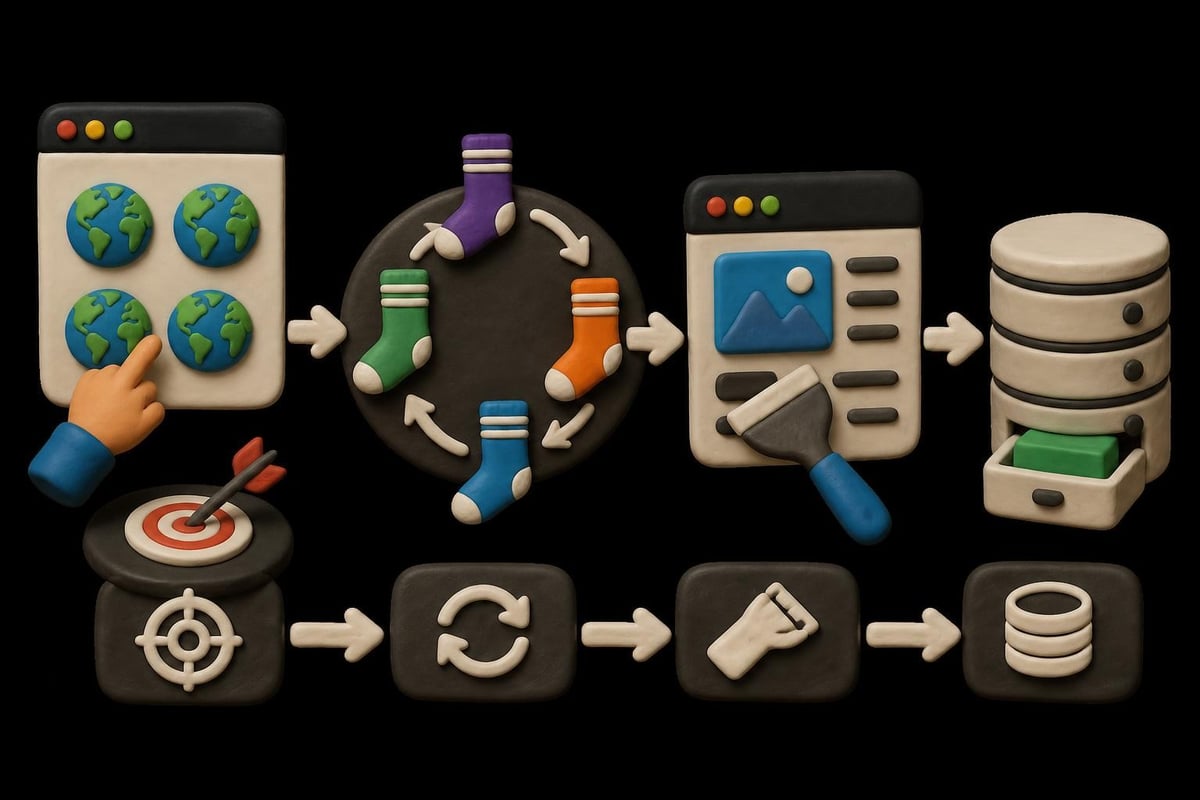
Data extraction operations benefit enormously from SOCKS5 proxies. The protocol's speed and reliability make it ideal for high-volume scraping projects. When combined with rotation capabilities, you can scrape websites while minimizing detection risks and IP blocks.
Professional scrapers often combine SOCKS5 residential proxies with datacenter options for optimal results. Residential IPs appear as legitimate users, while datacenter proxies provide speed and cost-effectiveness for less sensitive targets.
Gaming and Low-Latency Applications
Online gamers frequently use SOCKS proxies to reduce ping times, access region-locked servers, or protect against DDoS attacks. The UDP support in SOCKS5 proves essential for real-time gaming traffic, which HTTP proxies cannot handle. A properly configured socks proxy adds minimal latency while providing the protection and access benefits.
Torrenting and P2P File Sharing
BitTorrent clients and other P2P applications require UDP support for optimal performance. SOCKS5 proxies accommodate this requirement perfectly, enabling anonymous file sharing while maintaining full protocol compatibility. The technical implementation of SOCKS in various applications demonstrates its versatility across different software platforms.
Bypassing Geographical Restrictions
Streaming services, news websites, and online platforms often restrict content based on location. A socks proxy located in the target region allows you to access this content as if you were physically present. The protocol's transparency ensures compatibility with virtually any streaming application or web service.
Setting Up and Configuring SOCKS Proxies
Implementation varies depending on your operating system and application, but the fundamental concepts remain consistent across platforms. Proper configuration ensures optimal performance and security.
Application-Level Configuration
Many applications include native SOCKS proxy support. Browsers, torrent clients, and messaging apps typically offer straightforward proxy settings within their preferences. You'll need four pieces of information:
- Proxy server address (IP or domain)
- Port number (commonly 1080 for SOCKS)
- Username (if authentication required)
- Password (if authentication required)
Command-Line Tools and SOCKS
Developers and power users often work with command-line utilities that support SOCKS proxies. The curl tool provides excellent SOCKS proxy support, allowing you to route HTTP requests through SOCKS servers with simple command flags. This capability proves invaluable for scripting and automation tasks.
Python and Development Environments
Python developers can leverage urllib3's SOCKS proxy support for programmatic access through SOCKS servers. This integration enables sophisticated applications that combine the power of Python with the flexibility of SOCKS proxies.
# Example conceptual structure - actual implementation varies
# Configure SOCKS proxy in your Python application
# Handle authentication and connection parameters
# Route requests through the proxy tunnel
Security and Privacy Considerations
While SOCKS proxies provide anonymity benefits, understanding their security characteristics helps you implement them appropriately for your privacy needs.
What SOCKS Proxies Protect
A socks proxy masks your IP address from destination servers, making it appear as though requests originate from the proxy server. This obscures your physical location and identity from websites and services you access. Traffic between you and the proxy server can be encrypted when using supporting applications.
What SOCKS Proxies Don't Protect
Unlike VPNs, basic SOCKS implementations don't encrypt traffic by default. Your ISP can still see that you're using a proxy and may be able to inspect unencrypted traffic. The SOCKS protocol itself focuses on routing rather than encryption.
Security comparison:
| Security Feature | SOCKS Proxy | VPN | HTTP Proxy |
|---|---|---|---|
| IP Masking | Yes | Yes | Yes |
| Default Encryption | No | Yes | No |
| DNS Leak Protection | SOCKS5 only | Yes | Limited |
| Full System Coverage | No | Yes | No |
| Application-Specific | Yes | No | Yes |
Authentication and Access Control
SOCKS5 authentication prevents unauthorized proxy usage. Strong credentials become essential when running private proxy servers. The authentication layer adds minimal overhead while significantly improving security.
Choosing the Right SOCKS Proxy Provider
Not all socks proxy services deliver the same quality or features. Several factors differentiate premium providers from basic offerings.
Speed and Bandwidth
Connection speed directly impacts user experience, especially for data-intensive tasks. Look for providers offering high-speed connections with generous or unlimited bandwidth. 10Gbps capabilities ensure smooth performance even during peak usage.
IP Pool Quality and Diversity
The size and cleanliness of the IP pool determines detection rates and success rates. Large pools with regularly rotated IPs reduce the likelihood of encountering blocked addresses. Geographic diversity enables access to content from multiple regions.
Protocol Support and Features
Comprehensive IPv4 and IPv6 support future-proofs your proxy infrastructure. Advanced features like 1ms proxy rotation enhance anonymity by constantly changing your apparent origin. Zero-log policies protect your privacy even from the proxy provider.
Customer Support and Reliability
Technical issues inevitably arise, making responsive support crucial. 24/7 availability ensures assistance whenever problems occur. Uptime guarantees and service level agreements provide accountability.
SOCKS Proxies for Different Network Types
The underlying infrastructure of your socks proxy significantly affects its characteristics and ideal use cases.
Datacenter SOCKS Proxies
Hosted in professional data centers, these proxies deliver exceptional speed and reliability at lower costs. They're perfect for tasks prioritizing performance over residential IP authenticity. Cheap datacenter proxies make them accessible for budget-conscious users.
- Advantages: High speed, low cost, reliable uptime
- Disadvantages: More easily detected as proxies, shared IP ranges
- Best for: Web scraping, automation, bulk operations
Residential SOCKS Proxies
These proxies route traffic through real residential ISP connections, making them appear as legitimate home users. Detection rates drop significantly compared to datacenter IPs. The authenticity comes at a higher price point but proves worthwhile for sensitive operations.
Mobile SOCKS Proxies
Mobile carrier IPs represent the most authentic and least detectable proxy type. A socks proxy using mobile infrastructure appears identical to smartphone traffic, making it nearly impossible to distinguish from genuine users. This option suits applications requiring maximum authenticity.

Troubleshooting Common SOCKS Proxy Issues
Even properly configured proxies occasionally encounter problems. Understanding common issues accelerates resolution and minimizes downtime.
Connection Failures
When your application cannot connect through the socks proxy, verify these elements systematically:
- Correct server address and port - Typos account for many connection failures
- Authentication credentials - Ensure username and password match exactly
- Network connectivity - Confirm your internet connection functions properly
- Firewall settings - Check that outbound connections to the proxy port aren't blocked
- Proxy server status - Verify the provider's service is operational
Slow Performance
Speed issues frustrate users and reduce productivity. Several factors contribute to poor performance:
- Server location - Distance between you, the proxy, and destination affects latency
- Server load - Oversubscribed proxies struggle under heavy usage
- Bandwidth limitations - Check whether your plan includes usage caps
- ISP throttling - Some providers limit proxy traffic
Application Compatibility
Occasionally applications refuse to work through SOCKS proxies despite proper configuration. This often stems from the application making direct connections that bypass proxy settings. System-level proxy configuration or specialized proxy tools may solve these compatibility challenges.
Advanced SOCKS Proxy Techniques
Power users can leverage sophisticated strategies to maximize socks proxy effectiveness and capabilities.
Proxy Chaining
Routing traffic through multiple proxies in sequence adds layers of anonymity. Each proxy in the chain only knows about its immediate neighbors, obscuring the complete connection path. This technique significantly increases complexity for anyone attempting to trace your activities.
Rotation Strategies
Automatic IP rotation prevents detection and rate limiting. Smart rotation algorithms balance freshness against session continuity, changing IPs at optimal intervals. Some applications require sticky sessions that maintain the same IP throughout a task, while others benefit from constant rotation.
Load Balancing
Distributing requests across multiple proxy servers improves performance and reliability. If one proxy experiences issues, traffic automatically shifts to healthy alternatives. This approach particularly benefits large-scale operations requiring high availability.
Understanding SOCKS proxies empowers you to make informed decisions about your online privacy and access needs. The protocol's versatility, combined with proper configuration and quality infrastructure, delivers powerful capabilities for everything from web scraping to gaming. When you need reliable, high-performance proxy services with comprehensive protocol support, PinguProxy offers datacenter, residential, and mobile options backed by zero-log policies, lightning-fast rotation, and 24/7 support to ensure your operations run smoothly.