
SOCKS5 Proxy Service: Complete Guide for 2026
A socks5 proxy service represents one of the most versatile and powerful tools for maintaining privacy, bypassing restrictions, and optimizing internet performance in 2026. Unlike traditional HTTP proxies that only handle web traffic, SOCKS5 proxies operate at a lower level, supporting virtually any protocol or application. This makes them essential for professionals engaged in web scraping, data collection, competitive gaming, and secure communications across global networks.
Understanding SOCKS5 Protocol Technology
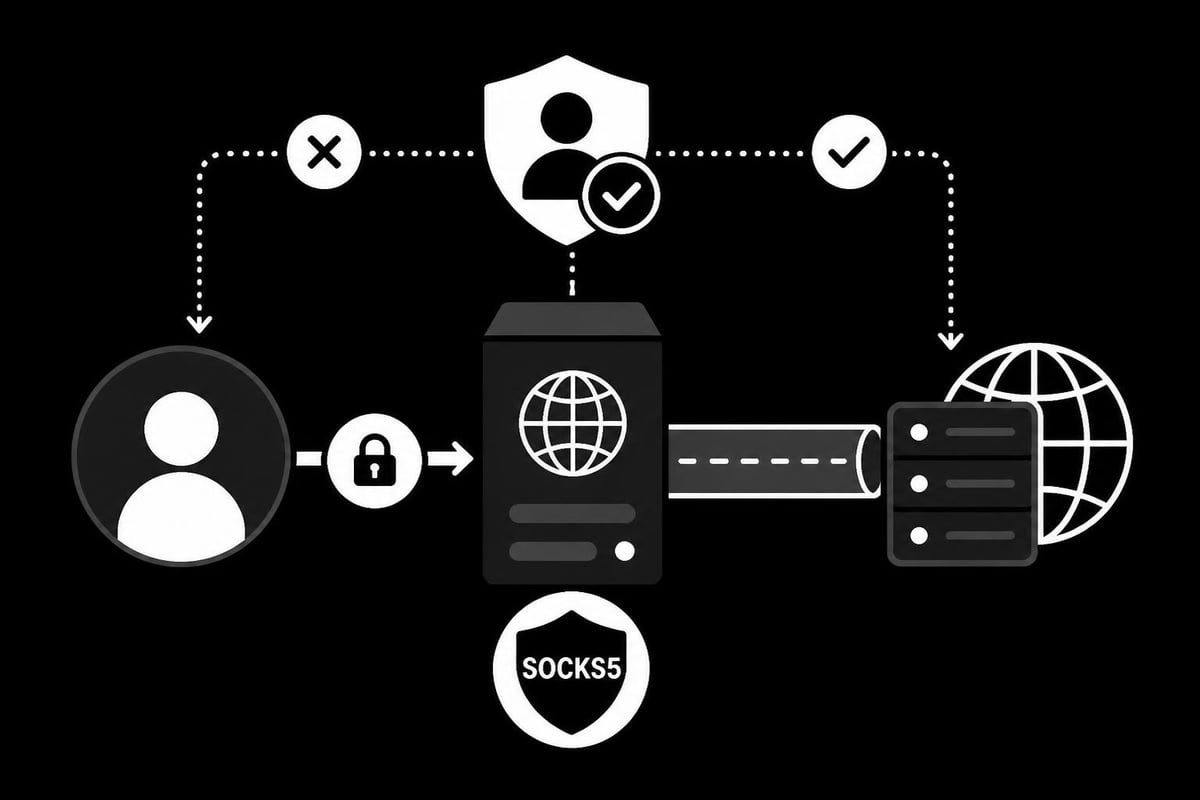
SOCKS5 stands for Socket Secure version 5, representing the latest iteration of the SOCKS protocol. This technology creates a tunnel between your device and the internet, routing all traffic through an intermediary server.
The key distinction of a socks5 proxy service lies in its protocol-agnostic nature. While HTTP proxies understand and process web traffic specifically, SOCKS5 treats all data packets equally. This fundamental difference enables support for:
- Email clients using SMTP, POP3, or IMAP protocols
- File transfer applications via FTP or torrent clients
- Gaming platforms requiring UDP traffic for low latency
- Streaming services with diverse protocol requirements
- Custom applications using proprietary communication methods
Authentication and Security Features
Modern SOCKS5 implementations incorporate multiple authentication methods to secure connections. Username and password combinations represent the most common approach, though some services support more advanced methods like GSS-API for enterprise environments.
Security advantages include:
- Complete protocol transparency without header manipulation
- Support for both TCP and UDP traffic types
- No packet inspection or content modification
- Reduced overhead compared to VPN encryption
- Compatibility with IPv4 and IPv6 addressing
According to comprehensive research on proxy ecosystems, SOCKS5 proxies offer distinct performance characteristics compared to other proxy types, particularly regarding connection reliability and protocol versatility.
Key Advantages Over Alternative Proxy Types
When evaluating proxy options, understanding the specific benefits of a socks5 proxy service helps businesses make informed infrastructure decisions. The protocol's design philosophy prioritizes flexibility and performance.
Performance and Speed Characteristics
SOCKS5 proxies generally deliver superior speed compared to VPNs because they skip encryption overhead. For applications where anonymity matters more than encryption, this creates significant performance advantages.
| Feature | SOCKS5 | HTTP/HTTPS | VPN |
|---|---|---|---|
| Protocol Support | All | Web only | All |
| Encryption | Optional | Partial | Full |
| Speed | High | Medium | Lower |
| UDP Support | Yes | No | Yes |
| Setup Complexity | Low | Low | Medium |
The absence of built-in encryption might seem like a disadvantage, but it actually provides flexibility. Applications requiring security can implement their own encryption (like HTTPS), while speed-critical applications avoid unnecessary overhead.
Application-Specific Use Cases
Professionals leverage SOCKS5 technology across diverse scenarios. Web scraping operations benefit enormously from the ability to rotate IP addresses while maintaining persistent connections through the same proxy session.
Gaming applications particularly favor SOCKS5 because of UDP support. Many multiplayer games rely on UDP for real-time communication, making traditional HTTP proxies useless. For insights into datacenter proxy performance, understanding infrastructure capabilities becomes crucial.
Market research firms conducting competitive intelligence use SOCKS5 to access geo-restricted content without triggering anti-bot systems. The protocol's simplicity means fewer fingerprinting opportunities compared to more complex proxy types.
Selecting the Right SOCKS5 Provider
Choosing an appropriate socks5 proxy service requires evaluating multiple technical and business factors. Not all providers deliver equivalent performance, reliability, or feature sets.
Infrastructure and Network Quality
The physical infrastructure supporting proxy services directly impacts user experience. Data center location, bandwidth capacity, and network uptime determine whether a service meets professional requirements.
Critical infrastructure elements:
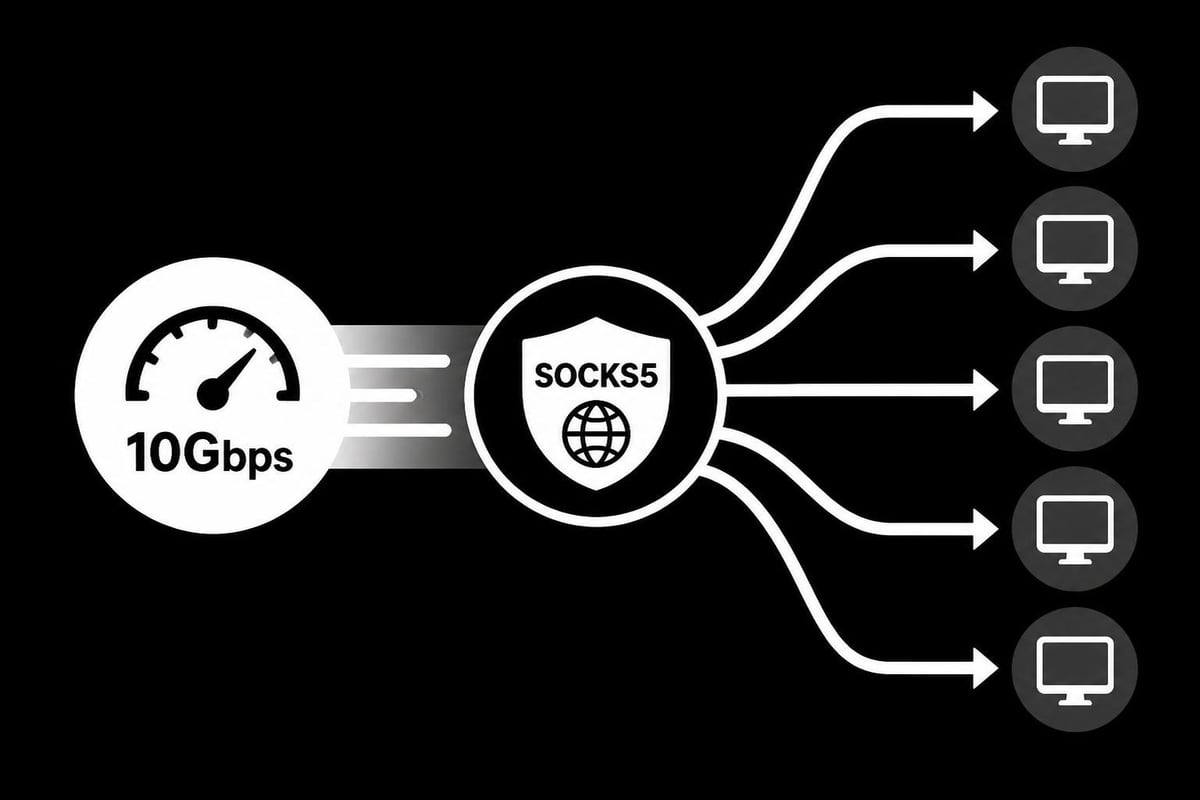
- Backbone network connectivity (10Gbps or higher preferred)
- Geographic distribution of proxy endpoints
- Redundancy and failover capabilities
- Hardware specifications and maintenance schedules
- Peering relationships with major ISPs
Leading providers maintain diverse infrastructure across multiple continents. According to TechRadar's evaluation of top proxy services, network quality separates premium providers from budget alternatives.
Privacy and Logging Policies
A zero-log policy represents the gold standard for privacy-conscious users. This means the provider doesn't record IP addresses, connection timestamps, traffic volumes, or browsing activities.
Verification of logging policies requires scrutiny. Reputable providers publish transparent privacy statements, undergo third-party audits, and maintain operations in privacy-friendly jurisdictions. The implications of proxy security extend beyond simple connection routing to broader privacy considerations.
Implementation and Configuration Best Practices
Successfully deploying a socks5 proxy service demands proper configuration across applications and networks. Small misconfigurations can compromise anonymity or degrade performance.
Application-Level Configuration
Most applications supporting proxy configurations include SOCKS5 as an option. The basic parameters required include:
- Proxy server address (hostname or IP)
- Port number (commonly 1080 or provider-specific)
- Authentication credentials (username and password)
- DNS resolution method (local vs. remote)
DNS leaks represent a common vulnerability. When applications resolve domain names locally before connecting through the proxy, they expose browsing intentions to ISPs. Configure remote DNS resolution through the SOCKS5 server whenever possible.
Testing and Verification Procedures
After configuration, verification ensures traffic actually routes through the proxy. Simple IP address checks provide basic confirmation, but comprehensive testing examines:
- WebRTC leak detection for browser-based applications
- DNS leak testing to confirm remote resolution
- Connection speed benchmarks to measure throughput
- Protocol compatibility across different application types
- Geolocation accuracy for location-spoofing scenarios
Professional users often employ monitoring tools that continuously verify proxy functionality during critical operations. For specialized configurations like SSH SOCKS5 tunneling, advanced setup procedures may apply.
Advanced Features and Capabilities
Modern socks5 proxy service offerings extend beyond basic traffic routing. Enterprise-grade providers incorporate sophisticated features addressing professional requirements.
Rotation and Pool Management
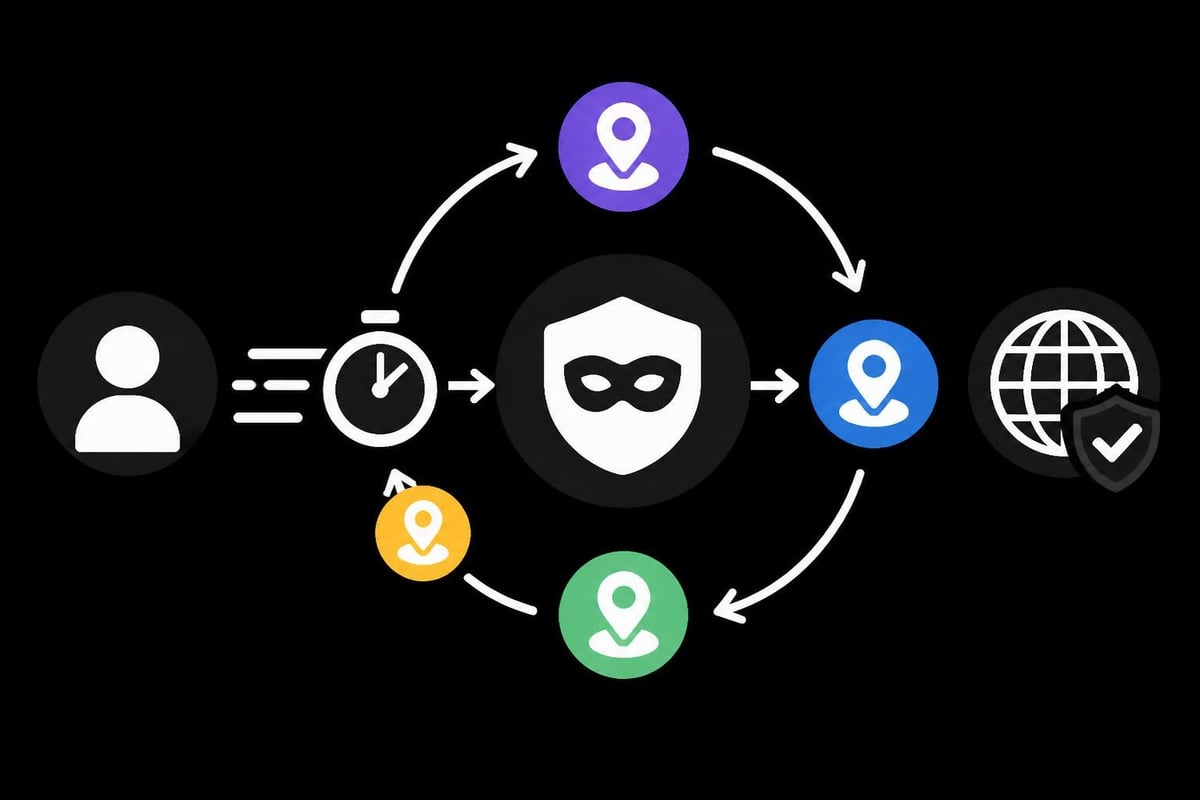
IP rotation cycles through different addresses to avoid detection and rate limiting. Sophisticated rotation strategies include:
- Time-based rotation changing IPs at fixed intervals
- Request-based rotation assigning new IPs per connection
- Session persistence maintaining the same IP for related requests
- Geographic rotation cycling through specific countries or cities
- ASN diversity distributing requests across network owners
For web scraping at scale, intelligent rotation proves essential. Anti-bot systems detect patterns in request timing, user agents, and IP addresses. Randomized rotation with realistic timing breaks these patterns.
| Rotation Type | Use Case | Complexity |
|---|---|---|
| Static | Account management | Low |
| Timed | Periodic data collection | Medium |
| Per-request | High-volume scraping | High |
| Session-based | Shopping automation | Medium |
Protocol and Port Flexibility
While SOCKS5 traditionally operates on port 1080, providers often support custom ports to bypass restrictive firewalls. Some networks block common proxy ports, making alternative port options valuable.
Additional protocol considerations:
Support for both IPv4 and IPv6 future-proofs infrastructure as internet adoption shifts. Dual-stack capability ensures compatibility regardless of target server configuration. When evaluating mobile versus datacenter proxies, protocol support often differs based on infrastructure type.
Performance Optimization Strategies
Maximizing the value of a socks5 proxy service requires optimization at multiple levels. Raw speed matters, but intelligent configuration creates the biggest impact.
Connection Pooling and Reuse
Establishing new proxy connections introduces latency. Connection pooling maintains open connections for reuse across multiple requests. This technique significantly improves throughput for applications making frequent requests.
Modern scraping frameworks automatically implement connection pooling. Manual implementations should consider:
- Maximum pool size based on provider limits
- Idle timeout before connection closure
- Health checks to remove dead connections
- Thread safety for concurrent operations
- Graceful degradation when proxies fail
Geographic Proximity Optimization
Routing traffic through geographically distant proxies adds latency. For performance-critical applications, selecting proxy locations near target servers minimizes round-trip time.
Latency considerations:
- Measure ping times to different proxy locations
- Test throughput across geographic regions
- Balance anonymity needs against speed requirements
- Consider content delivery network interactions
- Monitor performance degradation over time
For accessing region-specific content, choosing proxies in the target country often provides better performance than distant alternatives. According to research on sneaker proxy requirements, milliseconds matter for time-sensitive operations.
Troubleshooting Common Issues
Even properly configured SOCKS5 connections encounter occasional problems. Systematic troubleshooting identifies root causes quickly.
Authentication Failures
Invalid credentials represent the most common connection issue. Verify username and password accuracy, checking for:
- Extra spaces or special characters
- Case sensitivity requirements
- Password expiration or rotation
- Account suspension or payment issues
- IP whitelist restrictions
Some providers restrict access to specific source IP addresses. When connecting from new networks, authentication may fail until whitelist updates occur.
Performance Degradation
Slow proxy connections stem from multiple potential causes. Network congestion, server overload, or throttling by target websites all impact speed.
Diagnostic steps include:
- Testing direct connections to establish baselines
- Trying alternative proxy endpoints
- Checking provider status pages for outages
- Monitoring concurrent connection counts
- Reviewing target website rate limiting
Providers offering 24/7 customer support help resolve persistent issues. Detailed error logs and network traces accelerate troubleshooting when engaging technical support.
Industry-Specific Applications
Different industries leverage socks5 proxy service capabilities for specialized purposes. Understanding these applications reveals the protocol's versatility.
E-commerce and Market Intelligence
Retailers monitor competitor pricing, inventory levels, and promotional strategies using proxy-enabled automation. SOCKS5 support allows custom scraping tools to access dynamic JavaScript-heavy websites that HTTP proxies struggle with.
Market research workflows:
- Price monitoring across geographic regions
- Inventory tracking for availability alerts
- Review sentiment analysis at scale
- Advertisement verification in different markets
- SEO rank checking without personalization
Digital Marketing and SEO
SEO professionals use proxies to check search rankings from different locations without personalization bias. Accurate rank tracking requires viewing search results as they appear to users in specific geographic markets.
Social media management across multiple accounts benefits from IP diversity. Platforms detect and restrict accounts operated from single IP addresses, making proxy rotation essential for agency operations.
Cybersecurity and Penetration Testing
Security professionals employ SOCKS5 proxies for reconnaissance and testing. Anonymized scanning helps identify vulnerabilities without revealing organizational IP addresses to potential adversaries.
Compliance testing for geo-blocking measures requires accessing services from different countries. A reliable socks5 proxy service enables verification that content restrictions function as intended across markets.
Cost Considerations and ROI Analysis
Proxy services represent operational expenses that require justification through measurable returns. Understanding pricing models helps optimize spending.
Pricing Structure Variations
Providers employ different pricing approaches based on business models and target customers. Common structures include:
- Per-GB bandwidth charging based on data transfer
- Per-proxy fixed costs for dedicated IP addresses
- Concurrent connections limiting simultaneous sessions
- Time-based monthly or annual subscription fees
- Pay-as-you-go flexible consumption pricing
For high-volume operations, affordable datacenter proxy options deliver better economics than premium residential alternatives. Matching proxy type to use case optimizes cost efficiency.
| Metric | Budget Impact | Optimization Strategy |
|---|---|---|
| Bandwidth | High | Compress data, cache responses |
| Proxy count | Medium | Rotate efficiently, pool connections |
| Geographic coverage | Low | Focus on required regions only |
| Support level | Low | Document common issues internally |
Calculating Business Value
Quantifying proxy ROI requires measuring productivity gains, risk reduction, and competitive advantages. Time saved through automation, revenue protected through competitor monitoring, and penalties avoided through compliance all contribute to value calculation.
For enterprises, reliability and support justify premium pricing. Downtime during critical operations costs far more than incremental service fees.
Implementing a socks5 proxy service effectively requires understanding protocol capabilities, selecting appropriate providers, and optimizing configurations for specific use cases. The versatility of SOCKS5 makes it indispensable for businesses requiring reliable, high-performance proxy solutions across diverse applications. Whether you need infrastructure for web scraping, secure communications, or global market access, PinguProxy delivers enterprise-grade datacenter and mobile proxies with complete IPv4 and IPv6 support, 10Gbps bandwidth, and 1ms rotation capabilities to meet your most demanding requirements.