
Bu makale şu anda yalnızca İngilizce olarak sunulmaktadır.
İngilizce okuSOCKS5 Proxies: Complete Guide for 2026
Modern internet privacy and access requirements demand versatile proxy solutions that can handle diverse traffic types while maintaining high security standards. SOCKS5 proxies have emerged as a powerful option for businesses and individuals seeking flexible connection routing without protocol limitations. Unlike traditional HTTP proxies that only handle web traffic, this protocol-agnostic approach supports everything from email clients to gaming applications, making it an essential tool for anyone serious about online privacy and unrestricted access.
Understanding the SOCKS5 Protocol Architecture
SOCKS5 represents the fifth version of the Socket Secure protocol, designed to route network packets between client applications and servers through a proxy server. The protocol operates at the session layer rather than the application layer, which gives it remarkable flexibility compared to HTTP-only alternatives.
This architectural difference means socks5 proxies can handle any type of traffic, regardless of the protocol. Whether you're transferring files via FTP, sending emails through SMTP, or streaming video content, SOCKS5 treats all packets equally without needing to understand the application-layer protocol.
Key Technical Advantages
The SOCKS5 protocol offers several improvements over its predecessors and competing proxy types:
- Authentication support through username/password combinations or GSS-API methods
- UDP protocol support alongside traditional TCP connections
- IPv6 compatibility for modern networking requirements
- No packet inspection or modification, ensuring data integrity
- DNS resolution flexibility through both client-side and proxy-side options
When you configure a SOCKS proxy server, the authentication layer adds crucial security that prevents unauthorized access. This becomes particularly important when multiple users share proxy infrastructure or when you're managing enterprise-level deployments.

Comparing SOCKS5 to HTTP Proxies
Understanding the differences between proxy types helps you choose the right solution for specific use cases. While both serve as intermediaries between clients and servers, their capabilities differ significantly.
| Feature | SOCKS5 Proxies | HTTP Proxies |
|---|---|---|
| Protocol Support | Any (TCP/UDP) | HTTP/HTTPS only |
| OSI Layer | Session (Layer 5) | Application (Layer 7) |
| Speed | Faster (no interpretation) | Slower (packet inspection) |
| Use Cases | Universal applications | Web browsing, scraping |
| DNS Handling | Client or proxy-side | Proxy-side only |
| Authentication | Username/password, GSS-API | Basic, Digest, NTLM |
The protocol-agnostic nature of socks5 proxies makes them ideal for applications beyond web browsing. Gaming clients, torrent applications, and specialized software often require this flexibility since they use custom protocols that HTTP proxies cannot handle.
For comprehensive web-focused tasks, you might consider HTTP proxies as they offer features like content caching and URL filtering. However, when you need versatility across multiple applications, SOCKS5 becomes the clear choice.
Setting Up SOCKS5 Proxy Connections
Implementation varies depending on your operating system and application, but the core concepts remain consistent. Setting up SOCKS5 proxies requires understanding connection strings and proper configuration syntax.
Connection String Format
Most applications accept SOCKS5 connections through standardized connection strings:
socks5://username:password@proxy-server:port
For enhanced DNS privacy, many implementations support the socks5h scheme, which forces DNS resolution through the proxy server rather than your local machine. This prevents DNS leaks that could expose your actual browsing destinations to your ISP.
Application-Specific Configuration
Different software handles proxy configuration through various interfaces:
- Web browsers typically offer built-in proxy settings within network preferences
- Command-line tools like curl accept proxy parameters through flags or environment variables
- Programming libraries provide proxy configuration through connection objects or global settings
- Operating systems offer system-wide proxy settings that affect all applications
When working with SOCKS proxy services, proper configuration ensures all traffic routes correctly without leaks or connection failures. Testing your setup with IP verification services confirms the proxy functions as intended.
Critical Use Cases for SOCKS5 Technology
The versatility of socks5 proxies makes them suitable for numerous professional and personal applications. Understanding these use cases helps you leverage the technology effectively.
Web Scraping and Data Collection
Data extraction operations benefit enormously from SOCKS5 capabilities. The protocol's ability to handle high-volume requests without protocol-specific limitations makes it perfect for scraping projects that involve complex JavaScript rendering or API interactions.
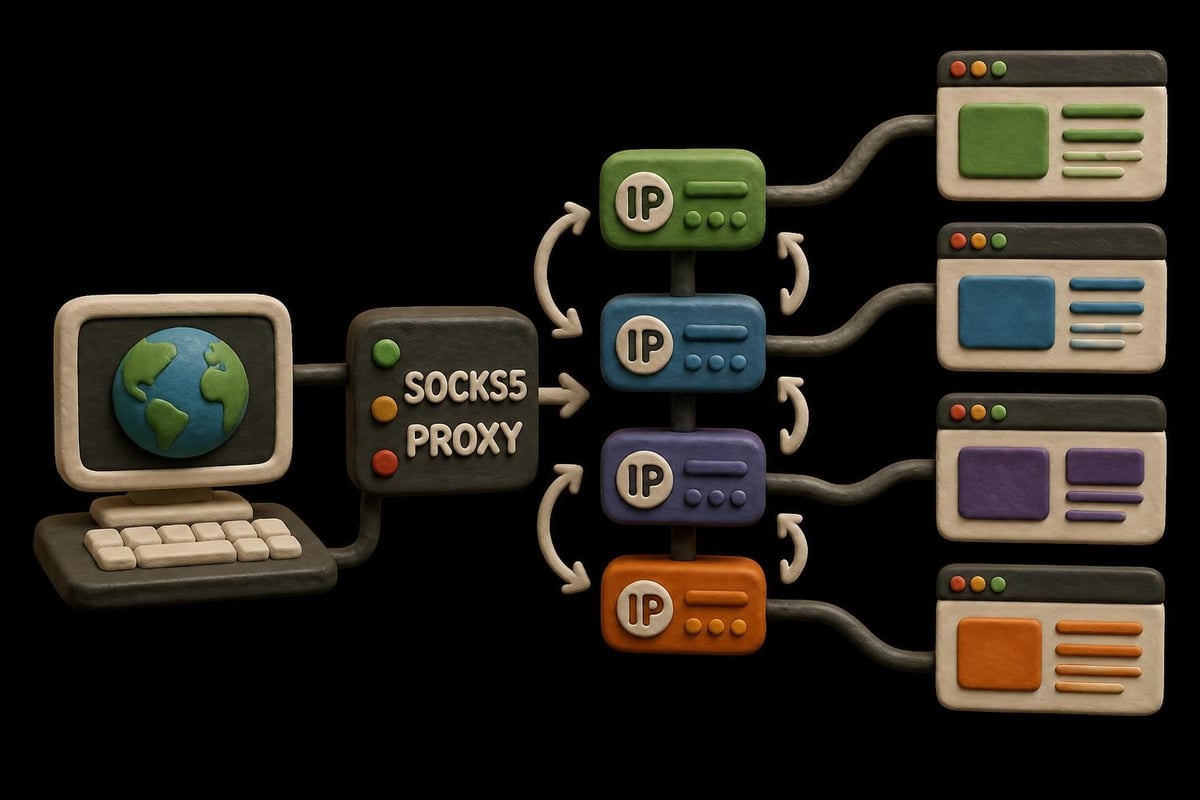
Professional scraping operations often rotate through thousands of proxies to avoid detection. The integration of SOCKS5 within proxy aggregators enables seamless rotation while maintaining connection stability across different target websites.
Gaming and Real-Time Applications
Gamers frequently use socks5 proxies to reduce latency, access region-locked servers, or protect against DDoS attacks. Unlike HTTP proxies that introduce overhead through packet inspection, SOCKS5's lightweight approach minimizes additional latency.
Benefits for gaming applications:
- Lower ping times compared to VPNs
- Support for UDP traffic required by many games
- Ability to route specific game clients while leaving other traffic direct
- Protection against targeted attacks without full VPN overhead
Privacy-Sensitive Communications
Email clients, instant messaging applications, and VoIP software all benefit from SOCKS5 routing. The protocol's authentication features and encryption support (when combined with TLS) create secure communication channels.
Organizations handling sensitive communications often deploy socks5 proxies as part of layered security strategies. This approach provides granular control over which applications use proxy routing while maintaining direct connections for trusted services.
Security Considerations and Best Practices
While socks5 proxies offer significant advantages, implementing them securely requires attention to several critical factors. Understanding potential vulnerabilities helps you build robust proxy infrastructure.
DNS Leak Prevention
One of the most common security mistakes involves DNS leaks, where DNS queries bypass the proxy and travel directly to your ISP's servers. This exposes the websites you're accessing even though the actual traffic flows through the proxy.
Using socks5h instead of socks5 in connection strings forces DNS resolution through the proxy server. This small configuration change significantly enhances privacy by ensuring all queries remain anonymous.
Authentication Security
Never transmit SOCKS5 credentials over unencrypted connections. While the protocol supports authentication, it doesn't encrypt the authentication exchange by default. Combining SOCKS5 with TLS/SSL wrapping or using it within encrypted tunnels protects credentials from interception.
| Security Risk | Mitigation Strategy | Implementation Priority |
|---|---|---|
| DNS Leaks | Use socks5h scheme | High |
| Credential Exposure | TLS wrapping or VPN tunnel | High |
| Proxy Logging | Zero-log providers only | Medium |
| IP Rotation | Automated rotation systems | Medium |
| Connection Monitoring | Regular leak testing | Low |
Free Proxy Risks
Research has shown that free proxy ecosystems present significant security risks, including traffic interception, malware injection, and data harvesting. While lists of free SOCKS5 proxies exist online, using them for any sensitive activity introduces unacceptable vulnerabilities.
Professional applications require reliable, trustworthy proxy providers who implement proper security measures and maintain transparent privacy policies. The cost difference between free and premium services pales compared to the potential losses from compromised data or infected systems.
Selecting the Right SOCKS5 Provider
Choosing among various proxy services requires evaluating multiple factors beyond simple pricing. The right provider balances performance, reliability, security, and support to match your specific needs.
Performance Metrics That Matter
When comparing providers, focus on measurable performance indicators:
- Bandwidth capacity determines how much data you can transfer
- Connection speed affects everything from page load times to file transfers
- Geographic distribution impacts latency and regional access
- Rotation capabilities influence anonymity and scraping success rates
- Uptime guarantees ensure service availability when you need it
Datacenter proxy providers often deliver the highest speeds, while residential and mobile options provide better anonymity at the cost of some performance. Your use case determines the optimal balance.
Protocol and IP Support
Modern proxy infrastructure must support both IPv4 and IPv6 protocols to ensure compatibility with all websites and services. As the internet continues transitioning to IPv6, proxy services lacking this support will increasingly encounter connectivity problems.
Some applications specifically require mobile IP addresses to avoid detection or access mobile-only content. A mobile proxy site or 4G rotating proxy service becomes essential for these specialized use cases.
<image_prompt alt="Proxy type comparison">Performance and anonymity tradeoff between datacenter SOCKS5 proxies, residential proxies, and mobile proxies across speed, cost, and detection resistance metrics</image_proxy>
Advanced SOCKS5 Implementation Strategies
Beyond basic configuration, sophisticated users implement advanced techniques to maximize the effectiveness of socks5 proxies in production environments.
Automated Rotation Systems
High-volume operations require proxy rotation to distribute requests across multiple IP addresses. This prevents rate limiting, reduces detection risk, and maintains service continuity even if individual proxies fail.
Rotation strategies include:
- Time-based rotation switches proxies at regular intervals
- Request-based rotation changes proxies after a specific number of requests
- Geographic rotation cycles through different regional proxies
- Failure-triggered rotation immediately switches when errors occur
Implementing rotation with 1ms switching times ensures minimal disruption while maximizing anonymity. This rapid rotation capability separates enterprise-grade proxy services from consumer-oriented solutions.
Load Distribution and Failover
Production environments require resilience against individual proxy failures. Distributing traffic across multiple socks5 proxies through load balancing ensures uninterrupted service.
Sophisticated setups monitor proxy health in real-time, automatically removing non-responsive proxies from rotation while alerting administrators to infrastructure problems. This proactive approach prevents cascading failures that could impact critical operations.
Compliance and Legal Considerations
Using socks5 proxies responsibly requires understanding applicable laws and terms of service. While proxies themselves are legal tools, their use must comply with website terms of service, copyright laws, and data protection regulations.
Organizations scraping data must implement rate limiting, respect robots.txt files, and ensure GDPR compliance when collecting personal information. Documenting your legitimate business purposes for proxy use protects against potential legal challenges.
Optimizing SOCKS5 Performance
Getting maximum value from your proxy infrastructure requires ongoing optimization and monitoring. Several factors influence the real-world performance you'll experience.
Network Configuration Optimization
Proper network settings significantly impact proxy performance. TCP window sizes, connection pooling, and keepalive settings all affect throughput and latency.
For applications making many short-lived connections, enabling connection pooling reuses existing proxy connections rather than establishing new ones for each request. This reduces overhead and improves overall throughput.
Application-Level Tuning
Different applications benefit from specific optimization approaches:
- Browsers perform better with persistent connections and HTTP/2 support
- Scraping tools need proper timeout configuration and retry logic
- Streaming applications require sufficient buffer sizes to prevent interruptions
- Gaming clients benefit from UDP support and minimal packet inspection
Testing various configurations with your specific use case identifies the optimal settings. What works perfectly for web browsing might perform poorly for real-time gaming or vice versa.
Monitoring and Troubleshooting
Implementing comprehensive monitoring catches problems before they impact operations. Key metrics to track include:
| Metric | Target Range | Action Threshold |
|---|---|---|
| Response Time | < 500ms | > 2000ms investigate |
| Success Rate | > 99% | < 95% rotate proxy |
| Bandwidth Usage | Steady growth | Sudden spikes alert |
| Authentication Failures | 0% | > 1% check credentials |
| DNS Resolution Time | < 100ms | > 500ms check settings |
When reviewing proxy service options, prioritize providers offering detailed analytics and monitoring tools. Visibility into proxy performance enables data-driven optimization decisions.
Industry-Specific Applications
Different industries leverage socks5 proxies to solve unique challenges. Understanding these applications demonstrates the technology's versatility.
E-commerce and Price Intelligence
Retailers monitor competitor pricing across different markets and regions. SOCKS5 proxies enable accessing regional pricing while appearing as local customers, providing accurate competitive intelligence.
This geographic flexibility extends to inventory monitoring, promotional tracking, and market research across multiple regions simultaneously.
Digital Marketing and SEO
Marketing professionals use socks5 proxies to verify ad placement, check search rankings from different locations, and manage multiple social media accounts without triggering security flags.
The ability to appear in specific geographic locations helps marketers understand how campaigns perform across different markets and demographics.
Cybersecurity Research
Security researchers rely on proxies to safely investigate malicious websites, test geographic restrictions on malware, and analyze threats without exposing their actual infrastructure.
The protocol's versatility supports diverse research methodologies, from passive observation to active testing of security mechanisms.
SOCKS5 proxies provide the versatility and performance modern applications demand, whether you're scraping data, protecting privacy, or accessing region-restricted content. Their protocol-agnostic design and robust security features make them essential tools for businesses requiring reliable proxy infrastructure. When you need high-speed datacenter, residential, or mobile proxies with complete IPv4 and IPv6 support, PinguProxy delivers unlimited access backed by a zero-log policy, 1ms proxy rotation, 10Gbps bandwidth, and 24/7 support to power your most demanding use cases.