
5 SOCKS: Understanding the Essential Proxy Protocol
The evolution of proxy technologies has brought us to a critical juncture where understanding the fundamentals of SOCKS protocols, particularly SOCKS version 5 (commonly referenced as 5 sock), becomes essential for anyone working with web scraping, privacy protection, or network security. This protocol represents a significant leap forward from its predecessors, offering enhanced security features, broader protocol support, and improved authentication mechanisms that make it indispensable for modern internet operations. Whether you're managing data collection operations, securing gaming connections, or protecting your digital footprint, mastering the 5 sock protocol opens doors to capabilities that traditional HTTP proxies simply cannot provide.
What Makes 5 Sock Different From Other Proxy Protocols
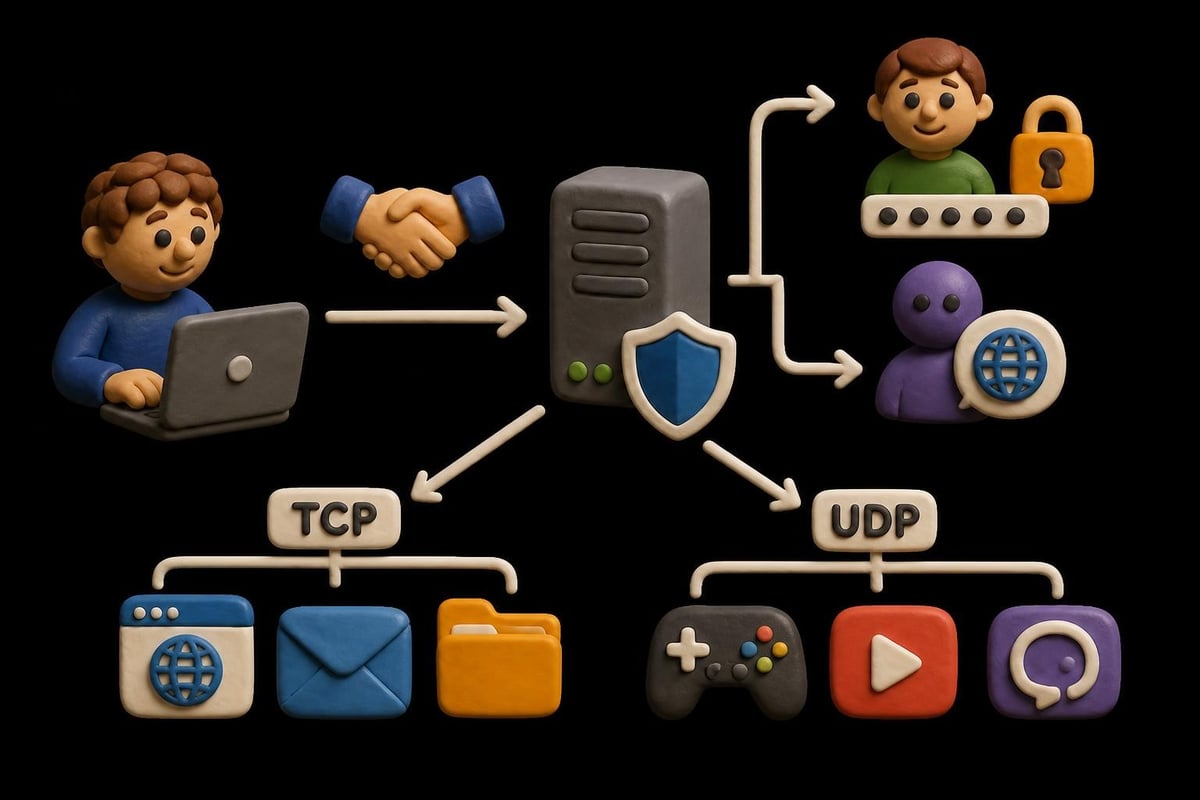
The SOCKS5 proxy protocol operates at a lower level in the network stack compared to HTTP proxies, giving it remarkable flexibility and power. While HTTP proxies are limited to handling web traffic, the 5 sock protocol functions as a universal intermediary for virtually any type of network traffic.
Key technical advantages include:
- Protocol-agnostic operation that supports TCP and UDP traffic
- Enhanced authentication methods for secure connections
- Support for IPv6 alongside IPv4 addressing
- Reduced overhead compared to application-layer proxies
- Direct packet routing without content modification
This versatility makes 5 sock the preferred choice for applications requiring low-latency connections. Gaming enthusiasts particularly benefit from UDP support, which traditional HTTP proxies cannot provide. The protocol's ability to handle multiple connection types simultaneously means you can route different applications through the same proxy infrastructure without compatibility concerns.
Authentication and Security Features
The 5 sock protocol implements multiple authentication layers that weren't available in earlier versions. These security enhancements protect both the proxy operator and the end user from unauthorized access and potential threats.
| Authentication Method | Security Level | Use Case |
|---|---|---|
| No Authentication | Low | Testing environments |
| Username/Password | Medium | Standard business operations |
| GSS-API | High | Enterprise deployments |
| Custom Methods | Variable | Specialized applications |
When implementing 5 sock in production environments, selecting the appropriate authentication method directly impacts your security posture. Organizations handling sensitive data should never rely on unauthenticated connections, even within supposedly secure internal networks.
Implementing 5 Sock for Web Scraping Operations
Web scraping represents one of the most demanding use cases for proxy technology, and the 5 sock protocol excels in this domain. The protocol's efficiency in handling high-volume requests makes it ideal for large-scale data collection operations where performance and reliability are paramount.
Modern scraping operations require rotating IP addresses to avoid detection and blocking. The 5 sock protocol's lightweight nature minimizes the overhead associated with switching between different proxy endpoints. This efficiency becomes critical when you're managing thousands of concurrent connections across multiple target websites.
Implementation considerations for scraping projects:
- Connection pooling: Maintain persistent connections to reduce handshake overhead
- Error handling: Implement robust retry logic for failed requests
- Rate limiting: Respect target website constraints while maximizing throughput
- Geographic distribution: Select proxy locations matching your target regions
- Protocol selection: Use TCP for reliable delivery or UDP when speed matters more
According to research on free proxy ecosystems, many publicly available proxies suffer from performance and security issues. Professional operations demand reliable infrastructure that won't compromise data integrity or introduce security vulnerabilities into your scraping pipeline.
Configuring 5 Sock for Maximum Performance
Performance optimization requires understanding how the 5 sock protocol handles different types of traffic. Unlike HTTP proxies that parse and potentially modify content, 5 sock performs minimal processing, passing packets directly to their destination.
This direct routing approach significantly reduces latency, particularly important for time-sensitive operations. When choosing the best SOCKS5 proxy server, bandwidth capacity and geographic proximity to your target resources become crucial factors.
Connection timeout settings deserve careful attention. Too aggressive timeouts result in unnecessary connection resets, while overly generous timeouts waste resources on dead connections. Most production environments find optimal results with timeouts between 30-60 seconds for TCP connections.
5 Sock Protocol in Gaming and Real-Time Applications
Gamers discovered the advantages of 5 sock proxies years ago, particularly for reducing ping times and accessing region-locked content. The protocol's UDP support proves essential for multiplayer gaming where packet loss tolerance matters more than guaranteed delivery.

Traditional HTTP proxies cannot handle UDP traffic, making them useless for most modern games. Voice chat, game state updates, and real-time position synchronization all rely on UDP protocols that only 5 sock can proxy effectively.
Gaming-specific benefits:
- Lower latency: Direct packet routing minimizes processing delays
- UDP support: Essential for real-time multiplayer functionality
- Geographic flexibility: Connect to servers in different regions
- DDoS protection: Hide your real IP from potential attackers
- Bandwidth optimization: Efficient protocol reduces overhead
Professional esports players and serious competitive gamers often maintain dedicated SOCKS proxy servers to ensure consistent performance. The investment in quality infrastructure pays dividends in reduced lag and more stable connections during critical matches.
Security Considerations and Best Practices
While the 5 sock protocol offers robust security features, implementation details determine actual security outcomes. Understanding potential vulnerabilities and mitigation strategies protects your operations from common threats.
DNS leaks represent a significant concern even when using 5 sock proxies. Many applications perform DNS resolution locally before connecting through the proxy, potentially exposing your real location and browsing habits. Proper configuration ensures all DNS queries route through the proxy infrastructure.
Common Security Pitfalls
| Vulnerability | Risk Level | Mitigation Strategy |
|---|---|---|
| DNS Leaks | High | Force remote DNS resolution |
| Unencrypted Credentials | Critical | Use strong authentication |
| IP Leaks (WebRTC) | Medium | Disable WebRTC in browsers |
| Application Bypasses | High | Enforce proxy at system level |
| Logging Practices | Variable | Verify zero-log policies |
The study on free web proxies revealed alarming security practices among no-cost providers, including traffic interception and credential harvesting. These findings underscore why critical operations require trusted, paid proxy services with verified security commitments.
When evaluating 5 sock providers, examine their logging policies carefully. True privacy requires providers who maintain no logs of user activity, connection timestamps, or IP addresses. Any provider claiming to offer anonymity while maintaining detailed logs presents a fundamental contradiction.
Enterprise Deployment Strategies
Large organizations implementing 5 sock infrastructure face unique challenges around scalability, redundancy, and access control. Centralized proxy management systems allow administrators to enforce policies consistently across distributed teams.
Load balancing across multiple 5 sock endpoints prevents single points of failure and distributes traffic for optimal performance. Geographic diversity in proxy locations provides redundancy while supporting global operations. Teams working across different continents need local proxy access to minimize latency for their regional targets.
Comparing 5 Sock With Alternative Proxy Solutions
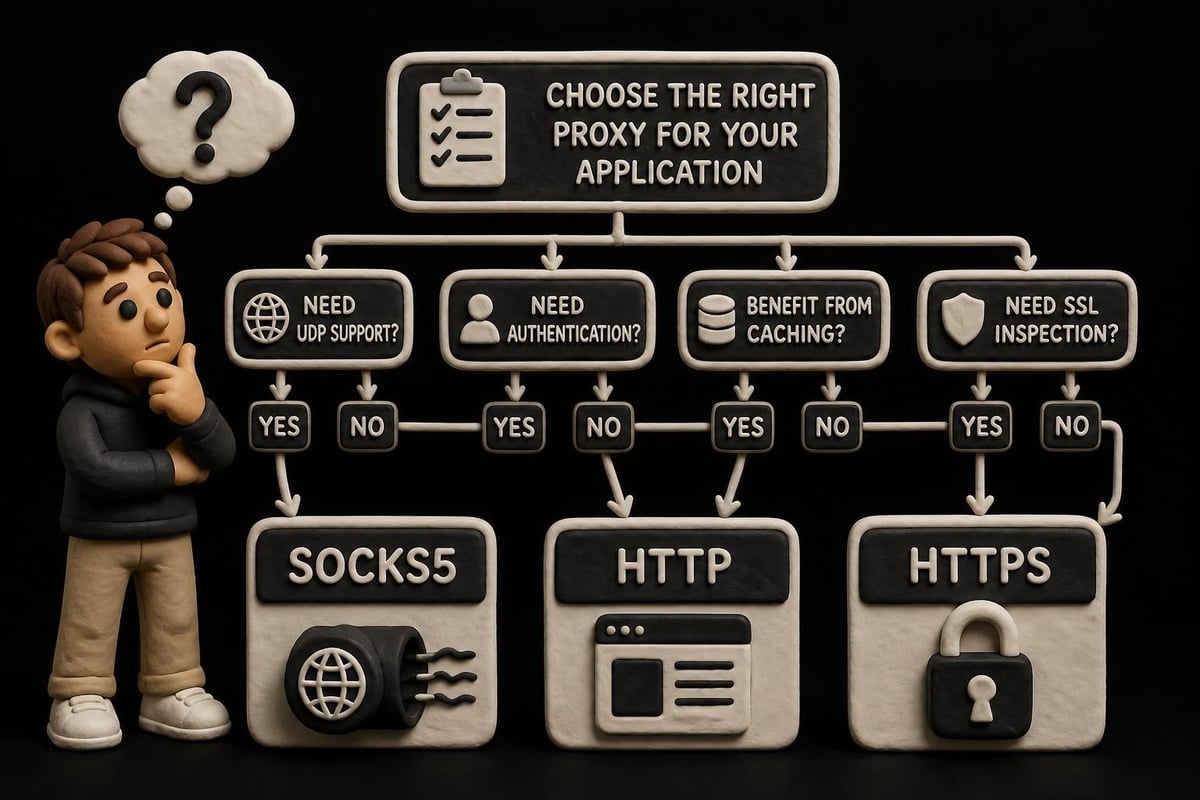
Understanding when to use 5 sock versus other proxy types optimizes both performance and cost-effectiveness. Each protocol serves specific use cases where its characteristics provide maximum advantage.
HTTP proxies excel at web browsing and simple scraping tasks where protocol overhead doesn't impact performance significantly. Their ability to cache content and parse HTTP headers enables features that 5 sock cannot provide. However, this additional processing introduces latency unacceptable for real-time applications.
Protocol comparison for common use cases:
- Web scraping: 5 sock wins for high-volume operations requiring maximum speed
- Casual browsing: HTTP proxies offer better caching and header modification
- Gaming: 5 sock provides essential UDP support unavailable elsewhere
- Streaming: Both work, but 5 sock offers lower latency
- P2P applications: 5 sock's protocol-agnostic nature proves essential
The detailed explanation of SOCKS5 proxies highlights the protocol's versatility across diverse applications. This flexibility comes from its position in the network stack, operating below the application layer where protocol-specific details don't constrain functionality.
Cost-Benefit Analysis
Premium 5 sock services typically cost more than basic HTTP proxies, but the price difference reflects genuine technical advantages. When evaluating whether to purchase SOCKS5 proxies, consider total cost of ownership including performance gains and reduced operational friction.
Free alternatives exist, but free SOCKS proxies often suffer from reliability issues, bandwidth throttling, and questionable security practices. Professional operations cannot afford the risks associated with unverified proxy providers who may monitor, modify, or sell user traffic data.
Advanced 5 Sock Configuration Techniques
Power users extract maximum value from 5 sock infrastructure through advanced configuration approaches that optimize for their specific requirements. Understanding these techniques separates casual users from expert operators.
Chain proxying routes traffic through multiple 5 sock servers sequentially, adding layers of anonymity at the cost of increased latency. Each hop in the chain knows only its immediate predecessor and successor, preventing any single point from mapping complete traffic patterns.
Advanced configuration options:
- Proxy chains: Route through multiple servers for enhanced privacy
- Protocol tunneling: Wrap other protocols inside 5 sock connections
- Dynamic rotation: Automatically switch endpoints based on triggers
- Whitelist/blacklist management: Control access at granular levels
- Bandwidth allocation: Prioritize traffic types by importance
The SOCKS5 protocol documentation provides technical details essential for implementing custom solutions. Organizations with specialized requirements often develop proprietary tools leveraging these protocol specifications.
Monitoring and Troubleshooting
Effective 5 sock operations require robust monitoring systems that track performance metrics and identify issues before they impact operations. Connection success rates, response times, and bandwidth utilization provide visibility into proxy health.
Common troubleshooting scenarios include authentication failures, connection timeouts, and application compatibility problems. Systematic diagnostic approaches quickly isolate whether issues originate from the proxy infrastructure, network connectivity, or application configuration.
| Problem | Likely Cause | Resolution |
|---|---|---|
| Connection refused | Authentication error | Verify credentials |
| Timeout errors | Network congestion | Adjust timeout settings |
| DNS issues | Local resolution | Force remote DNS |
| Slow performance | Geographic distance | Select closer endpoints |
| Intermittent failures | Proxy rotation | Implement retry logic |
Logging proxy connections at appropriate detail levels balances operational visibility against privacy concerns. Organizations must define what constitutes necessary operational data versus unnecessary user surveillance.
Integration With Modern Development Workflows
Developers integrating 5 sock support into applications face choices between native implementation and library-based approaches. The Zephyr Project's SOCKS5 support documentation demonstrates implementation in embedded systems contexts.
Most programming languages offer mature libraries handling 5 sock protocol details, allowing developers to focus on application logic rather than low-level networking code. Python's PySocks, Node.js's socks-proxy-agent, and Java's Proxy class all provide robust 5 sock support.
Development integration best practices:
- Environment-based configuration: Use different proxies for development, staging, and production
- Graceful degradation: Handle proxy failures without crashing applications
- Connection pooling: Reuse connections to minimize overhead
- Comprehensive error handling: Distinguish between proxy and application errors
- Performance monitoring: Track proxy impact on application metrics
Modern SOCKS proxy services provide API endpoints for programmatic access, enabling dynamic proxy selection and automated failover. These capabilities prove essential for applications requiring high availability and geographic flexibility.
Testing and Quality Assurance
Thorough testing ensures 5 sock integration functions correctly across diverse network conditions and edge cases. Automated test suites should verify functionality under normal conditions, degraded network performance, and complete proxy failures.
Mock proxy servers facilitate testing without consuming production resources or exposing test traffic to external networks. These test environments allow developers to simulate various failure modes and verify application behavior under each scenario.
Mastering the 5 sock protocol opens possibilities for enhanced privacy, improved performance, and greater flexibility across web scraping, gaming, and secure browsing applications. The technical advantages of SOCKS5 over traditional HTTP proxies make it the protocol of choice for demanding use cases where speed, reliability, and protocol support matter most. Whether you're scaling data collection operations or securing competitive gaming connections, PinguProxy delivers enterprise-grade SOCKS5 infrastructure with 10Gbps bandwidth, complete IPv4 and IPv6 support, and 1ms proxy rotation for maximum anonymity. Experience the difference that professional proxy infrastructure makes for your critical operations.